
Where Manhattan’s Coolest Hotelier Built His End-of-the-Road Paradise
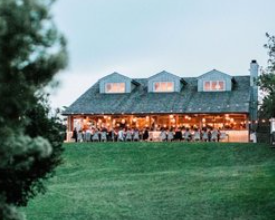
You smell the wood smoke before you see the fire pits. Follow the twisting road past Ditch Plains, where the surfers bob like seals waiting for sets, and there it is: a weathered compound overlooking Lake Montauk that looks like it’s been there forever. It hasn’t. Consequently, what appears to be a bohemian relic is actually a masterwork of deliberate imperfection—reclaimed rafters, African textiles, pirate flags, and mushroom wood panels curated by the man who invented the hipster hotel. When Sean MacPherson opened The Crow’s Nest in 2010, there was barely a sign out front. Furthermore, that was exactly the point.
The Origin Story: A California Surfer’s Manhattan Empire
The Founder
MacPherson grew up surfing Malibu in the 1970s, a decade he still references with near-Proustian nostalgia. He graduated summa cum laude from USC with degrees in philosophy and business—an unusual combination that would later define his approach to hospitality. Subsequently, he built a string of LA nightlife successes before moving to New York in 2000. The city he found reminded him of the California counterculture he loved: gritty, creative, and entirely unpredictable.
Within a decade, MacPherson became what The New York Times Style Magazine called “the man who shaped Downtown.” His portfolio read like a map of Manhattan’s coolest addresses: The Maritime Hotel in Chelsea, The Bowery Hotel on the Lower East Side, The Jane in the West Village, The Ludlow, The Marlton. Each property shared a philosophy: timeless design, aged materials, golden lighting, and spaces that felt discovered rather than designed.
The Original Vision
MacPherson had been visiting Montauk since the late 1990s, drawn by its natural beauty and what he called its “high-low mix” that reminded him of 1970s Malibu. Indeed, this was before the hedge fund money arrived, before the Surf Lodge transformed weekends into festivals, before Montauk became the Hamptons’ answer to Ibiza. The property that would become The Crow’s Nest had operated as a modest 170-seat restaurant with a 14-room inn—unremarkable, underutilized, overlooking Lake Montauk’s southern shore.
The acquisition reportedly took a decade of negotiations. MacPherson finally closed the deal in 2010, securing 3.35 acres of waterfront property. However, instead of announcing a grand opening, he simply unlocked the doors and let word spread organically. “I’ve always loved the romance of being at the end of the road, the last stop at the end of the island,” he explained. “I wanted Crow’s Nest to somehow conjure the feeling of having traveled as far as one can travel.”
The First Years
The renovation followed MacPherson’s signature approach: make new things look old, make discovered objects feel purposeful. Reclaimed rafters stretched across the three narrow dining rooms, cut to exact measurements and brushed to bring out the grain’s luster. Meanwhile, mushroom wood panels were inset between each beam, adding texture that appeared to have weathered decades of salt air. Barn siding clad the walls in dappled grays that shifted with the light.
Within a year, MacPherson celebrated his wedding to Rachelle Hruska—founder of the society website Guest of a Guest—at The Crow’s Nest. The ceremony signaled something important: this wasn’t merely an investment property. It was home. Subsequently, the couple built a beach shack on a dirt road in Ditch Plains, raising their sons between Manhattan’s West Village and Montauk’s bluffs. “It’s basically a cross between a fort and a surf shack,” MacPherson said of their home, “like something out of Robinson Crusoe.”
The Transformation: From Sleepy Inn to Scene Without Trying
The Design Philosophy
Walk into The Crow’s Nest and you’ll find a painting of John and Yoko here, antler sconces there, bamboo fixtures alongside African textiles and pirate flags. The effect is worldly and exotic—what design writers call “expat hideout meets British colony meets pirate-filled Nassau with a dash of Morocco.” Nevertheless, nothing feels forced. MacPherson’s genius lies in making curation invisible.
The outdoor spaces defined the experience from the start. A sprawling lawn rolls down to Lake Montauk, where wooden pergolas shelter the lakeside bar. Fire pits dot the grounds, creating gathering points as the sun sets behind the water. Furthermore, fairy lights, lanterns, and torches transform evenings into something that feels less like dining and more like stumbling upon a particularly glamorous campfire party.
The Figure Who Changed Everything
MacPherson understood something his competitors missed: Montauk’s appeal wasn’t about approximating Manhattan sophistication. It was about escaping it. Therefore, The Crow’s Nest operates without reservations—a policy that initially seems counterintuitive but actually enhances the experience. Guests arrive, grab cocktails at the outdoor bar, claim spots by the fire pits, and wait. The waiting becomes part of the ritual.
“We take no reservations. No worries,” the restaurant’s messaging explains. “Waiting is part of the experience: soaking up the atmosphere. Cocktails by the beach, sunset views, and people-watching.” This philosophy mirrors MacPherson’s broader approach to hospitality. “Hotels—when they work—offer a true respite from everyday life and responsibilities,” he observed. “There’s nothing quite like crisp sheets and daily housekeeping.”
The Innovation That Defined It
In 2013, MacPherson expanded his Montauk footprint by acquiring adjacent cottages that had operated since the 1950s as the Montauk Motor Court. He renamed them the David Pharaoh Cottages—a tribute to the last king of the Montaukett people who once controlled this land. The gesture was characteristic: honoring local history while adding layers of meaning that most guests would never fully grasp.
The cottages feature kitchenettes, private lakefront patios, and private beach access. Ranging from studios to two-bedroom homes, they attract families and couples seeking more privacy than the main inn provides. Additionally, guests receive complimentary beach parking passes, bicycles, and paddleboard rentals. The entire operation now spans approximately six acres of lakefront property.
What Makes The Crow’s Nest Iconic
The Signature Element
The menu emphasizes what MacPherson calls “good, healthy food and great wine.” Local sourcing isn’t a marketing gimmick here—it’s philosophy. The kitchen works with Balsam Farms and local fishermen, changing dishes based on actual availability rather than predetermined menus. Consequently, eating at The Crow’s Nest feels connected to the land and water in ways that manufactured farm-to-table concepts rarely achieve.
The Lobster Tagliatelle has become legendary—”the dish that will stay in your dreams throughout the long cold winter,” as one reviewer described it. Fresh pasta, poached lobster, local cherry tomatoes, dill, Calabrian chilis, and olive oil combine into something that justifies the prices and the wait. Meanwhile, the Mezze Platter (hummus, babaganoush, tabouleh, olives, naan, and whipped feta) has achieved signature status. The whipped ricotta with lavender honey and grilled ciabatta is another must-order.
The Famous Guests and Moments
MacPherson’s properties have always attracted creative types and celebrities, though he maintains a studied indifference to fame. At The Crow’s Nest, you might encounter a movie star at the next table or a local fisherman finishing a beer at the bar. Law & Order: SVU actress Stephanie March has publicly recommended the chicken skewers with harissa, praising “the most delicious yogurt” accompaniment.
The fashion and media worlds treat The Crow’s Nest as an extension of Manhattan’s downtown scene. MacPherson’s wife Rachelle brings her media industry connections, while his hotel empire ensures a constant flow of tastemakers who appreciate spaces designed for them rather than for Instagram. Notably, the restaurant avoids the velvet-rope pretensions of other Montauk nightlife destinations.
What Locals Know
Hotel guests can make dinner reservations—a significant advantage during peak season when walk-in waits exceed ninety minutes. The 14 inn rooms each feature private decks overlooking the grounds and Lake Montauk, with the “New England prepster-meets-bohemian flair” that Hamptons Magazine identified as characteristic of new-wave Montauk. Rooms book months in advance for summer weekends.
The lakeside bar serves frozen refreshments that taste better after a day at Ditch Plains—which is walking distance away. The Watermelon Cooler (vodka, mint, lemon) achieves cult status among regulars. Additionally, savvy diners know that arriving when the restaurant opens at 4:30 PM virtually guarantees immediate seating, with the added benefit of prime sunset viewing.
Experience The Crow’s Nest Today
What to Order
Begin with the complimentary radish starter—a small gesture that signals the kitchen’s commitment to fresh, local ingredients. The Gem Salad replaced the longstanding kale salad because, as management explained, “every other restaurant in Montauk has a kale salad.” Furthermore, the Local Lobster Fettuccini and Swordfish Kebab consistently earn superlative reviews. Vegetarians should explore the Vegetable Curry with coconut milk, tomatoes, cashews, and halloumi.
When to Go
Mid-week Montauk remains MacPherson’s preferred experience. “Rarely crowded and still something of a paradise,” he notes. Summer weekends transform the grounds into a scene—vibrant but potentially overwhelming for those seeking quiet romance. The restaurant closes seasonally, typically reopening in late May. Shoulder seasons (early June, September) offer ideal conditions: warm enough for outdoor dining, uncrowded enough for spontaneous visits.
The Insider Move
The Insider’s Take: Book a cottage for the week. David Pharaoh units range from $1,200 to $1,700 for off-peak weeks, climbing considerably in high season. Cottage guests receive dinner reservations privileges, eliminating the walk-in gamble entirely. Additionally, the private beach and paddleboard access justify the premium over standard hotel rooms. Bring your own wine for cottage dinners—the kitchenettes are fully functional.
The Legacy: Why The Crow’s Nest Endures
Influence on Hamptons Culture
When MacPherson opened The Crow’s Nest in 2010, Montauk’s hospitality landscape looked fundamentally different. The Surf Lodge had debuted two years earlier, pioneering the scene-y weekend destination model. Subsequently, The Crow’s Nest offered an alternative: equally stylish but less frantic, equally exclusive but achievable without publicist connections. The template proved influential, spawning imitators throughout the East End.
MacPherson’s no-reservation policy challenged industry orthodoxy and succeeded precisely because the waiting experience was designed as carefully as the dining experience. Competitors learned that exclusivity could feel democratic if the environment supported extended lingering. Fire pits, lawn seating, and lakeside bars transformed waiting from inconvenience to attraction.
Why It Endures
“Montauk is a tale of 20 cities,” MacPherson observed. “There’s fisherman Montauk, Williamsburg Montauk, surfer Montauk, yuppy Montauk, even hedge-fund Montauk now. And they all kind of coexist.” The Crow’s Nest embodies this coexistence, serving as neutral ground where various Montauk tribes can gather without conflict. The design feels neither too precious for surfers nor too casual for Manhattan weekenders.
The latest addition to MacPherson’s empire—the legendary Hotel Chelsea, which reopened in 2022 after years of meticulous restoration—suggests his attention has shifted somewhat to Manhattan. Nevertheless, the Ditch Plains beach shack remains, the family summers continue, and Montauk’s surf breaks still call to the California kid who never stopped chasing perfect waves. At the end of the road, where the island surrenders to the Atlantic, The Crow’s Nest stands as proof that the best hospitality feels like coming home—even when you’re impossibly far from it.
Continue Your Hamptons Journey
- Feature & Partnership Inquiries
- Polo Hamptons Tickets & Sponsorships
- Join Our Email List
- Subscribe to Print Edition
- Support Social Life Magazine
Related Articles
Author

Written by
Recent Posts

5 Mindful Wellness Trends Redefining Modern Self-Care This Season
What to Look for in a Hairdresser on the Gold Coast
hiTechMODA Season 16
How to Keep Your Personal Number Private When Booking Events, Rentals and Services
Understanding Compensatory Damages in a Personal Injury Case
Categories
- Art
- Articles
- Business of Luxury
- Celebrities
- Culture
- Entertainment
- Events
- Faces of Summer 2026
- Fashion
- Fashion & Style
- Featured
- Finance
- Food, Spirits, Wine
- Hamptons
- Hamptons Celebrities
- Health
- Health & Beauty
- Lifestyle
- Luxury Lifestyle
- Press
- Profiles
- Real Estate
- Technology
- The Chronicles
- Travel
- Uncategorized
- Weddings