
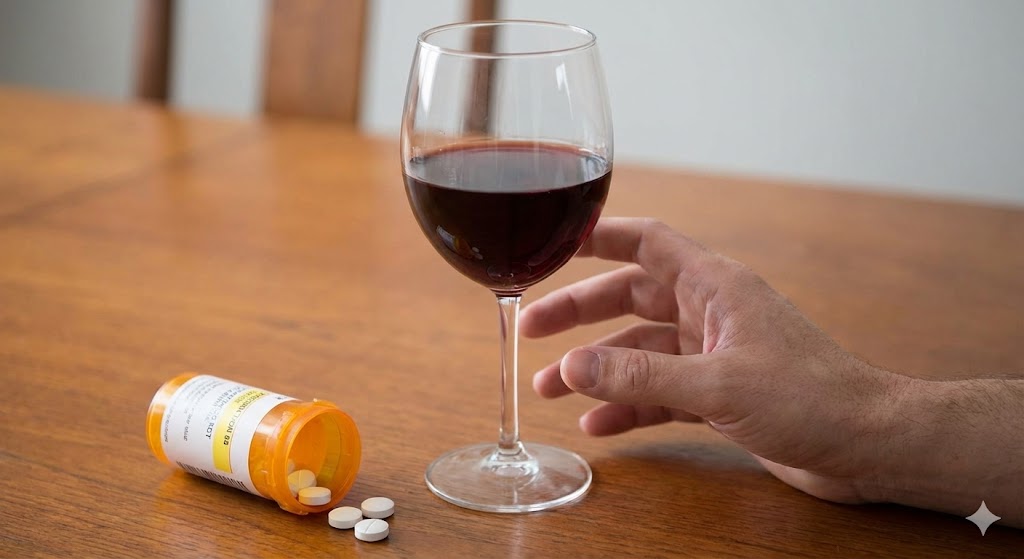
Metformin and alcohol raise legitimate safety questions that deserve straight answers rather than reflexive warnings. Millions of people take metformin—for diabetes, prediabetes, or increasingly for longevity purposes—and many of them enjoy occasional drinks. Understanding the actual risks helps make informed decisions rather than either ignoring real dangers or avoiding alcohol unnecessarily.
The concerns center on two issues: lactic acidosis and hypoglycemia. Metformin rarely causes lactic acidosis on its own, but alcohol may increase this risk under certain circumstances. Additionally, alcohol affects blood sugar in ways that can compound metformin’s glucose-lowering effects. However, the magnitude of these risks varies dramatically based on drinking patterns, health status, and individual factors.
This guide examines what combining metformin and alcohol actually does to your body, when the risks become meaningful, and how to minimize danger if you choose to drink. We separate evidence-based concerns from overcautious warnings that don’t reflect real-world risk profiles.
Why Metformin and Alcohol Raise Concerns
The interaction between metformin and alcohol involves two distinct mechanisms, each with different risk profiles and practical implications. Understanding both helps calibrate appropriate caution.
The Lactic Acidosis Question
Lactic acidosis occurs when lactate accumulates in the blood faster than the body can clear it, causing dangerous acidification. Metformin carries a black-box warning about this condition—the FDA’s most serious alert—which understandably alarms many users. However, context reveals this warning reflects historical caution more than common reality.
Metformin-associated lactic acidosis is genuinely rare, occurring in approximately 3-10 cases per 100,000 patient-years. Most cases involve patients with kidney disease, liver dysfunction, or acute illness—conditions that impair lactate clearance independently. In healthy individuals taking appropriate doses, lactic acidosis from metformin alone is exceptionally uncommon.
Alcohol enters the picture because heavy drinking impairs lactate metabolism. The liver prioritizes alcohol breakdown over other metabolic functions, temporarily reducing its capacity to clear lactate. Consequently, combining significant alcohol consumption with metformin could theoretically compound lactic acidosis risk—particularly in those with underlying vulnerabilities.
Research published in Diabetes Care examined this interaction specifically and found that moderate alcohol consumption didn’t meaningfully increase lactic acidosis risk in metformin users without contraindications. The danger appears concentrated in heavy drinkers and those with pre-existing liver or kidney compromise.
The Blood Sugar Concern
Alcohol affects blood glucose through multiple mechanisms that can interact unpredictably with metformin’s glucose-lowering effects. Understanding these interactions helps prevent potentially dangerous hypoglycemia.
Initially, alcohol may raise blood sugar—particularly sugary cocktails, beer, and sweet wines. This occurs because alcoholic beverages often contain carbohydrates and because alcohol temporarily impairs insulin sensitivity. However, this effect reverses over subsequent hours.
The delayed effect proves more problematic. Alcohol inhibits gluconeogenesis—the liver’s production of new glucose—for up to 24 hours after drinking. Because the liver normally releases glucose to prevent blood sugar from dropping too low, this inhibition can cause delayed hypoglycemia, particularly overnight or the morning after drinking.
Metformin also reduces hepatic glucose production, though through different mechanisms. When combined with alcohol’s effects, the double suppression of liver glucose output may increase hypoglycemia risk. This concern applies most to diabetics taking metformin alongside other glucose-lowering medications, but even those using metformin alone for longevity purposes should understand the interaction.
What the Research Actually Shows
Scientific evidence on metformin and alcohol interaction provides reassurance for moderate drinkers while confirming concerns about heavy consumption.
Moderate Drinking Appears Safe
Multiple studies suggest that moderate alcohol consumption—defined as up to one drink daily for women and up to two for men—doesn’t significantly increase adverse event risk in metformin users without liver or kidney disease.
A large observational study published in Annals of Internal Medicine found no increased mortality risk among diabetic metformin users who consumed moderate amounts of alcohol. In fact, moderate drinkers showed slightly better cardiovascular outcomes than abstainers—though this likely reflects the “sick quitter” phenomenon rather than alcohol’s benefits.
Furthermore, research examining lactate levels in metformin users who consumed moderate alcohol found no clinically significant elevation. The theoretical mechanism exists, but practical impact at moderate consumption levels appears minimal in healthy individuals.
Heavy Drinking Creates Real Risk
The picture changes substantially with heavy or binge drinking. Consuming large amounts of alcohol—particularly on an empty stomach or during illness—does appear to increase lactic acidosis risk meaningfully.
Case reports of metformin-associated lactic acidosis frequently involve alcohol abuse as a contributing factor. The combination of impaired liver function from chronic drinking, acute alcohol-induced lactate metabolism inhibition, and metformin’s effects creates a genuinely dangerous situation.
Additionally, heavy drinking dramatically increases hypoglycemia risk. Binge drinking followed by sleep can cause dangerous blood sugar drops overnight. Because alcohol impairs the normal warning symptoms of hypoglycemia, affected individuals may not recognize the danger until serious consequences occur.
Individual Factors Matter Enormously
Risk from combining metformin and alcohol varies dramatically based on individual health status. Certain populations face meaningfully elevated danger while others can drink moderately with minimal concern.
Higher-risk individuals include those with kidney disease (reduced metformin clearance), liver disease (impaired lactate metabolism), heart failure (tissue hypoxia), and history of lactic acidosis. These groups should discuss any alcohol consumption with physicians who understand their complete medical picture.
Lower-risk individuals—those taking metformin for prediabetes or longevity purposes without underlying organ dysfunction—face substantially less danger from occasional moderate drinking. Their intact metabolic capacity handles the interaction without serious difficulty.
How to Minimize Risk If You Choose to Drink
For those who want to enjoy alcohol while taking metformin, practical strategies can reduce already-modest risks further. These guidelines reflect both research findings and clinical experience.
Limit Quantity
Keeping consumption moderate represents the most important risk-reduction strategy. One to two drinks per occasion, with several alcohol-free days weekly, maintains the safety profile supported by research. Binge drinking—four or more drinks for women, five or more for men—dramatically changes the risk calculation and should be avoided.
Never Drink on an Empty Stomach
Eating before and during drinking slows alcohol absorption and provides glucose substrate that partially counteracts alcohol’s blood sugar effects. Food doesn’t eliminate risks, but it meaningfully reduces both hypoglycemia likelihood and peak blood alcohol levels.
Particularly important is consuming some carbohydrates, which provide readily available glucose. However, this doesn’t mean loading up on unhealthy foods—reasonable portions of normal meals accomplish the goal.
Stay Hydrated
Alcohol causes dehydration, which can concentrate metformin in the blood and stress kidneys that clear both substances. Alternating alcoholic drinks with water helps maintain hydration and naturally limits consumption speed.
Avoid Drinking During Illness
Acute illness—fever, vomiting, diarrhea, infection—already increases lactic acidosis risk in metformin users. Adding alcohol to this situation compounds danger unnecessarily. Many physicians recommend temporarily stopping metformin during significant illness; drinking alcohol during such periods makes even less sense.
Monitor Blood Sugar
For diabetics, checking blood glucose before bed after drinking and again in the morning catches delayed hypoglycemia before it becomes dangerous. Non-diabetics using metformin for longevity generally don’t need routine glucose monitoring, but awareness of hypoglycemia symptoms—shakiness, confusion, sweating, rapid heartbeat—remains valuable.
Choose Drinks Wisely
Beverage choice affects both carbohydrate load and alcohol concentration. Dry wines and spirits contain minimal sugar, avoiding initial glucose spikes that later reverse into drops. Beer and sweet cocktails provide more carbohydrates but also more unpredictable glucose patterns.
Lower-alcohol options mean less metabolic stress per drink. A glass of wine contains less alcohol than many craft beers or spirit-heavy cocktails, potentially reducing interaction effects proportionally.
Warning Signs That Require Attention
Recognizing problems early enables intervention before serious consequences develop. Certain symptoms after combining metformin and alcohol warrant immediate attention.
Lactic Acidosis Symptoms
Lactic acidosis produces distinctive symptoms that differ from typical hangover effects. Watch for unusual muscle pain or cramping, rapid or difficult breathing, unusual fatigue or weakness, stomach pain with nausea and vomiting, and feeling cold—particularly in extremities.
These symptoms developing after drinking while on metformin—especially following heavy consumption—require medical evaluation. Lactic acidosis progresses rapidly and becomes life-threatening without treatment. Emergency departments can quickly assess lactate levels and provide appropriate intervention.
Hypoglycemia Symptoms
Low blood sugar produces symptoms including shakiness, sweating, rapid heartbeat, irritability, confusion, dizziness, and hunger. Because alcohol impairs awareness of these symptoms, they may be muted or absent until blood sugar drops dangerously low.
If hypoglycemia symptoms occur, consuming fast-acting carbohydrates—juice, regular soda, glucose tablets—raises blood sugar quickly. Severe hypoglycemia causing confusion or unconsciousness requires emergency assistance, as affected individuals can’t safely treat themselves.
Special Considerations for Longevity Users
Those taking metformin off-label for anti-aging purposes face somewhat different considerations than diabetics using it for glucose control.
Lower Doses May Mean Lower Risk
Longevity protocols typically use lower metformin doses—often 500-1000mg daily—compared to diabetes treatment doses reaching 2000mg or more. Lower doses mean less metformin available to interact with alcohol and reduced baseline lactic acidosis risk. Consequently, occasional moderate drinking likely poses even less concern for longevity users than for diabetics.
No Other Glucose-Lowering Medications
Diabetics often take metformin alongside insulin or other medications that lower blood sugar. These combinations amplify hypoglycemia risk when alcohol enters the picture. Longevity users taking metformin alone face only metformin’s modest glucose-lowering effect, substantially reducing hypoglycemia danger.
Generally Healthier Baseline
People pursuing longevity optimization typically maintain better overall health than average—including liver and kidney function. This healthier baseline provides metabolic reserve that handles the metformin-alcohol interaction more easily. The concerning case reports involve sick patients, not health-optimizing individuals.
For comprehensive information on metformin for longevity, see our complete metformin longevity guide.
What Doctors Generally Recommend
Medical guidance on metformin and alcohol ranges from strict prohibition to pragmatic moderation depending on the physician and patient circumstances.
Conservative physicians often recommend complete abstinence, citing the black-box warning and potential liability concerns. This approach maximizes safety but may not reflect realistic risk assessment for healthy moderate drinkers.
More pragmatic guidance permits moderate alcohol consumption while emphasizing the strategies outlined above—limiting quantity, never drinking on empty stomachs, staying hydrated, and avoiding alcohol during illness. This approach acknowledges that complete abstinence isn’t realistic or necessary for many patients.
The American Diabetes Association doesn’t prohibit alcohol for metformin users but recommends moderation and awareness of hypoglycemia risk. Their guidelines reflect the evidence showing that moderate consumption poses acceptable risk for most patients.
Ultimately, individual circumstances should guide decisions. Those with liver or kidney concerns, history of lactic acidosis, or heavy drinking patterns need stricter limits than healthy individuals using metformin for metabolic optimization.
Alternatives for Those Who Want Extra Caution
Some metformin users prefer avoiding the interaction question entirely. Several strategies accomplish this while maintaining metabolic benefits.
Skip Metformin on Drinking Days
Because metformin’s half-life is relatively short—around 6 hours—skipping doses on days involving significant drinking allows the drug to clear before alcohol consumption. This eliminates the interaction entirely at the cost of one day’s metformin benefit.
For longevity users taking metformin specifically for anti-aging rather than glucose control, occasional missed doses matter minimally. The long-term benefits presumably accumulate over months and years; single-day gaps are inconsequential.
Consider Berberine as Alternative
Berberine provides similar AMPK activation and metabolic benefits without the same interaction profile. While berberine has its own considerations, some users prefer alternating between compounds based on lifestyle circumstances.
For detailed comparison of these options, see our metformin vs berberine guide.
Time Doses Strategically
Taking metformin in the morning and drinking in the evening maximizes time between drug administration and alcohol consumption. While this doesn’t eliminate interaction, it may reduce peak overlap of both substances.
The Bottom Line on Metformin and Alcohol
Metformin and alcohol can be combined safely by most healthy individuals who practice moderation. The dramatic warnings reflect real but rare risks that primarily affect heavy drinkers and those with underlying organ dysfunction. For the typical person taking metformin—whether for diabetes management or longevity optimization—occasional moderate drinking poses minimal meaningful danger.
The key principles are straightforward: limit consumption to moderate levels, never drink on an empty stomach, stay hydrated, avoid alcohol during illness, and recognize warning symptoms that warrant medical attention. Following these guidelines, the vast majority of metformin users can enjoy social drinking without significant concern.
Heavy drinking is genuinely contraindicated. The combination of chronic alcohol effects on liver function, acute metabolic interference, and metformin’s mechanisms creates real danger. Anyone unable to maintain moderate consumption should discuss this honestly with their physician and potentially reconsider metformin use.
Individual circumstances ultimately determine appropriate limits. Those with liver disease, kidney impairment, or other risk factors need stricter boundaries than healthy individuals using metformin for metabolic optimization. When in doubt, physician consultation provides personalized guidance accounting for your complete medical picture.
For most readers of this guide—health-conscious individuals interested in longevity and optimization—moderate alcohol consumption while taking metformin falls well within acceptable risk parameters. Enjoy responsibly, follow sensible precautions, and don’t let overcautious warnings prevent normal social enjoyment. The evidence supports this balanced approach.
Longevity physicians and wellness practitioners: Interested in being featured in our metabolic health coverage? Contact our editorial team.
Join us at Polo Hamptons for conversations where science meets sophisticated living.
Subscribe to our newsletter for health intel that respects your intelligence.
Prefer print? Get Social Life Magazine delivered to your residence.
Support independent health journalism. Donate $5 to keep our coverage honest and unsponsored.
Related Articles
Metformin for Longevity: The Diabetes Drug Anti-Aging Crowd Loves
Metformin vs Berberine: Which Works Better for Longevity?
Sources
Diabetes Care: Metformin and Alcohol Interaction Studies
Annals of Internal Medicine: Alcohol and Diabetes Outcomes
Author

Written by
Recent Posts

Unlocking the Berkshires

Dalia Forman Design

Alberto Luzzi
How to Pick a Homecoming Dress for Your Body Type and Feel Amazing in It
How to Prepare a Home for Sale When Major Repairs Are Not Affordable
Categories
- Art
- Articles
- Business of Luxury
- Celebrities
- Culture
- Entertainment
- Events
- Faces of Summer 2026
- Fashion
- Fashion & Style
- Featured
- Finance
- Food, Spirits, Wine
- Hamptons
- Hamptons Celebrities
- Health
- Health & Beauty
- Lifestyle
- Luxury Lifestyle
- Press
- Profiles
- Real Estate
- Technology
- The Chronicles
- Travel
- Uncategorized
- Weddings