
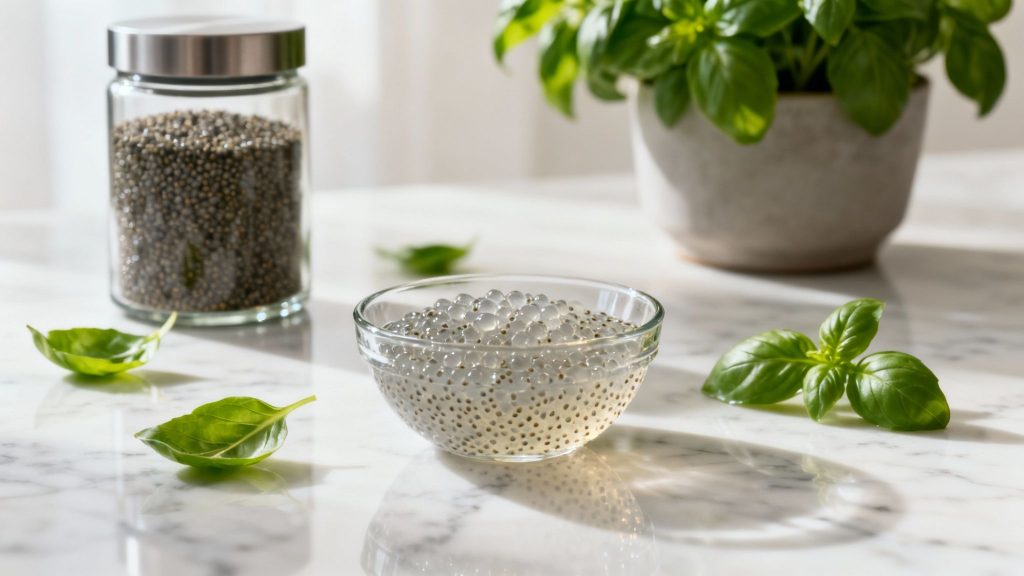
Known commonly as sabja seeds, you may have observed them suspended in a beverage. These small black seeds originate from the sweet basil plant (Ocimum basilicum), the same herb that provides fragrant leaves for culinary uses such as pesto. The seeds, however, offer a different experience.
When soaked in water, they undergo a transformation, plumping up and developing a soft, gelatinous coating. This unique quality makes them a valued, nutrient-rich addition to beverages, puddings, and desserts in various global cuisines.
Unveiling the Tiny Superfood
While it is easy to mistake basil seeds for chia seeds at first glance, they possess their own distinct characteristics and a significant history, particularly in Asian and Middle Eastern cultures. They are not merely an ingredient; they are a cornerstone of traditional wellness practices and culinary creations.
Unlike the aromatic leaves of the basil plant, the seeds themselves are notably mild. Their flavor is subtle, almost neutral, which makes them an excellent textural element that does not compete with other ingredients.
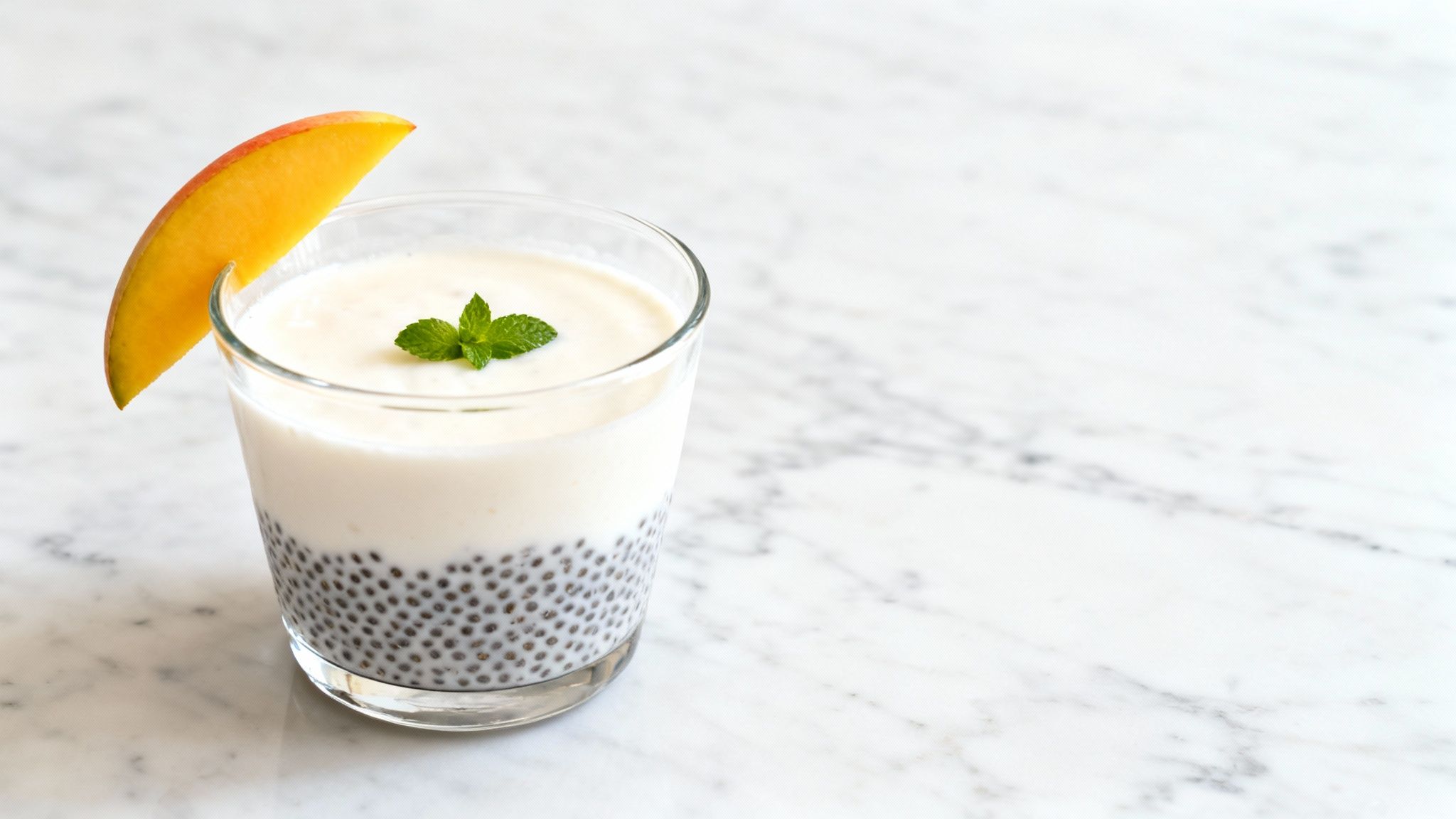
Their most notable feature is their rapid transformation in liquid. Within minutes, each seed blooms, creating a soft, translucent halo around a still-crunchy center. This remarkable ability to absorb water is key to both their culinary appeal and their health benefits.
This diagram breaks down the core concepts of basil seeds.
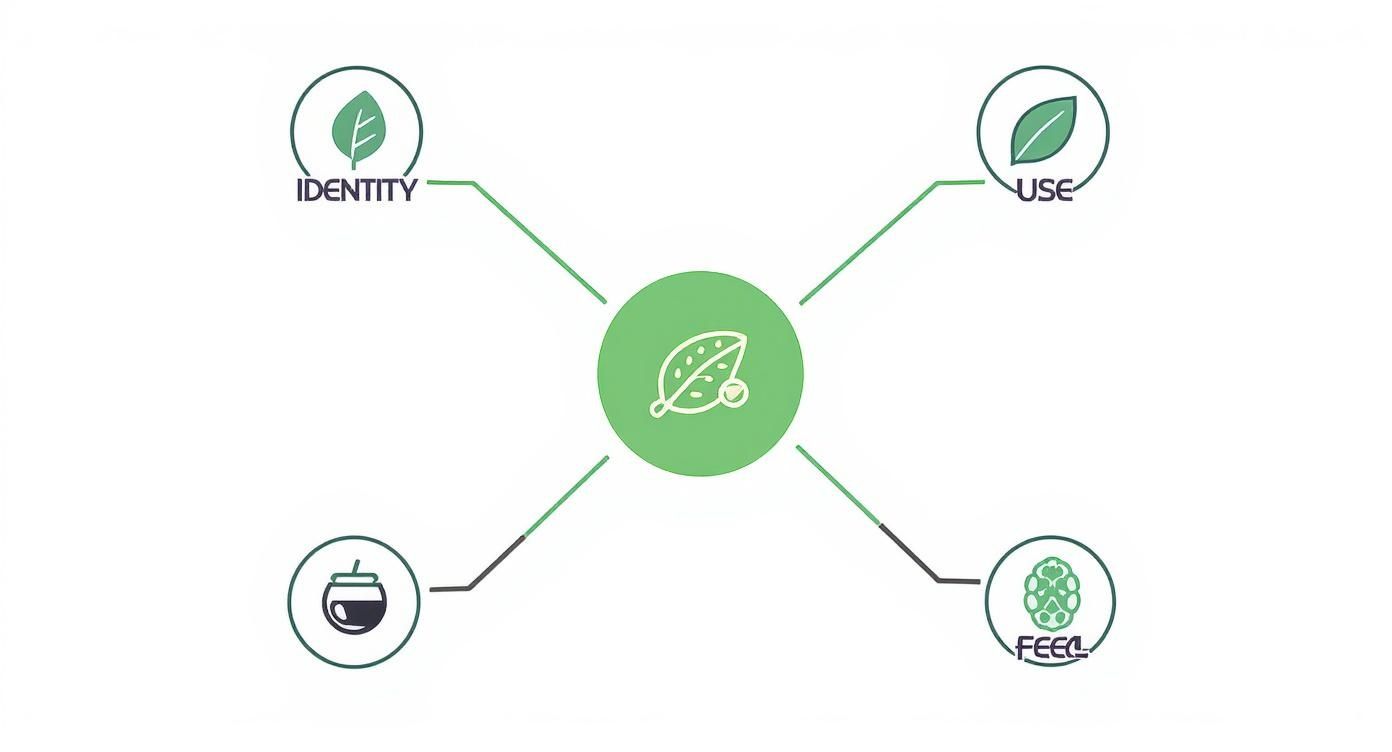
As the diagram illustrates, the seed's identity, its application in beverages, and its unique gel-like texture are interconnected. It is a concise representation of what makes these seeds so distinct.
For a quick overview, here is a simple breakdown of the characteristics of basil seeds.
Basil Seeds at a Glance
| Attribute | Description |
|---|---|
| Origin | Seeds from the sweet basil plant (Ocimum basilicum) |
| Appearance | Tiny, black, and tear-drop shaped |
| Texture (Soaked) | Gelatinous and soft on the outside with a slight crunch in the center |
| Flavor Profile | Very mild and neutral, easily absorbs the flavors it's mixed with |
| Primary Use | Adds texture and nutrients to beverages, desserts, and puddings |
| Key Property | Absorbs water quickly, forming a gel-like coating in minutes |
This table captures the essence of these versatile seeds, but their story is more profound.
An Ancient Ingredient for Modern Wellness
While basil seeds may seem like a new discovery in the Western wellness market, they have been utilized for centuries. Their cultural roots are deep, especially in Southeast Asia, where they are an essential component of drinks like falooda—a layered dessert beverage. This enduring legacy is now gaining global recognition as more consumers seek authentic, plant-based foods to support their health.
The modern resurgence of this ancient seed is fueled by a combination of tradition and nutritional science. Consumers are increasingly seeking foods that offer functional benefits. Basil seeds meet this demand with their impressive profile of fiber, essential minerals, and antioxidants, making them an ideal choice for anyone looking to eat more intentionally.
Basil seeds are more than a passing trend; they represent a return to natural, nutrient-dense ingredients that have stood the test of time, offering a simple yet effective way to enrich one's diet.
This growing appreciation is reflected in market trends. The global basil seed market was valued at approximately USD 86.26 million and is projected to reach USD 131.2 million by 2032. This surge indicates a significant shift toward functional and plant-based ingredients in sectors ranging from food to cosmetics. You can find more details on this market expansion from Coherent Market Insights. This momentum confirms that sabja seeds are establishing a permanent place in modern kitchens and wellness routines worldwide.
Unlocking the Health Benefits of Basil Seeds
Beyond their intriguing texture, basil seeds are a nutritional powerhouse. They are concentrated sources of wellness, packed with benefits that support the body. Their primary value lies in a high concentration of dietary fiber, essential minerals, and potent plant-based compounds. Incorporating them into your diet is not just about adding texture—it is about tapping into a functional food with deep roots in traditional medicine.
The most discussed quality of basil seeds is their incredible fiber content, which is responsible for the unique gelatinous coating. The soluble fiber in this translucent layer is the source of many of their digestive benefits.
This gel-like substance moves slowly through the digestive system, creating a cascade of positive effects. It not only promotes regularity but also fosters a healthy gut environment.
Supporting Digestive Wellness and Weight Management
The abundant fiber in basil seeds acts as a prebiotic, providing nourishment for beneficial gut bacteria. A thriving gut microbiome is crucial for numerous bodily functions, including digestion, immune response, and even mood regulation. Adding fiber-rich foods like basil seeds is a simple way to support this internal ecosystem.
Furthermore, this fiber plays a significant role in promoting satiety. As the seeds expand in the stomach, they increase volume, which can help manage appetite and reduce the likelihood of overeating. This makes them a useful addition to a balanced diet, particularly for individuals mindful of weight management.
The unique combination of soluble fiber and its ability to expand makes basil seeds an exceptional tool for both digestive health and natural appetite control. They offer a gentle, effective way to feel satisfied and support the body's digestive rhythm.
To understand how these seeds fit into the larger wellness picture, exploring the general smoothie bowl benefits provides context on how nutrient-dense ingredients work synergistically. Adding a tablespoon of soaked basil seeds to a morning smoothie is an effortless way to increase fiber intake at the start of the day.
Regulating Blood Sugar and Promoting Heart Health
Another benefit of soluble fiber is its effect on blood sugar. By slowing digestion, it also moderates the rate at which carbohydrates are converted into sugar. This leads to a more gradual release of glucose into the bloodstream, helping to prevent sharp spikes and subsequent crashes in energy levels after a meal.
This stabilizing effect makes basil seeds a smart choice for maintaining steady energy throughout the day and supporting the body's natural metabolic balance.
The seeds are also beneficial for heart health. They are rich in plant compounds like flavonoids and polyphenols, which are known for their antioxidant properties. Here is a closer look at their heart-healthy credentials:
- Plant-Based Omega-3s: Basil seeds are a good source of alpha-linolenic acid (ALA), an essential omega-3 fatty acid vital for cardiovascular health.
- Mineral Rich: They provide important minerals like magnesium, which helps regulate blood pressure and maintain a steady heartbeat.
- Cholesterol Support: The soluble fiber can bind with cholesterol during digestion, helping to prevent its absorption and promoting healthy cholesterol levels.
This growing appreciation for the tangible health benefits of basil seeds is evident in market data. The global basil seeds market is currently valued at approximately $500 million and is projected to grow at a compound annual growth rate (CAGR) of 7% through 2033. This impressive growth is tied directly to the collective demand for functional, nutritious foods with antioxidant and anti-inflammatory properties. You can explore this trend further at Archive Market Research. By choosing basil seeds, you are making a sound investment in your long-term health.
How Basil Seeds Boost Skin and Hair Health
https://www.youtube.com/embed/A3yRNfB7aWk
While the internal wellness benefits of basil seeds are impressive, their nutritional profile also contributes to skin and hair health. The same properties that benefit digestive and metabolic function can translate to a clearer complexion and stronger hair. They are a true inside-out ingredient.
The key is their high concentration of antioxidants, vitamins, and minerals. Each seed contains flavonoids and polyphenols—compounds that help protect the skin against daily environmental stressors. They assist in neutralizing the free radical damage from pollution and UV rays that can lead to premature aging, fine lines, and a lackluster tone.
For a More Radiant Complexion
Incorporating basil seeds into your routine can lead to more vibrant skin. Their natural anti-inflammatory qualities are effective for calming irritated or blemish-prone skin, helping to reduce redness and promote an even tone.
Furthermore, the antioxidants are crucial for supporting collagen production. Collagen is the protein that keeps skin firm, plump, and youthful, so protecting it is beneficial. To learn more, you can explore the benefits of antioxidants for skin to understand how these molecules function.
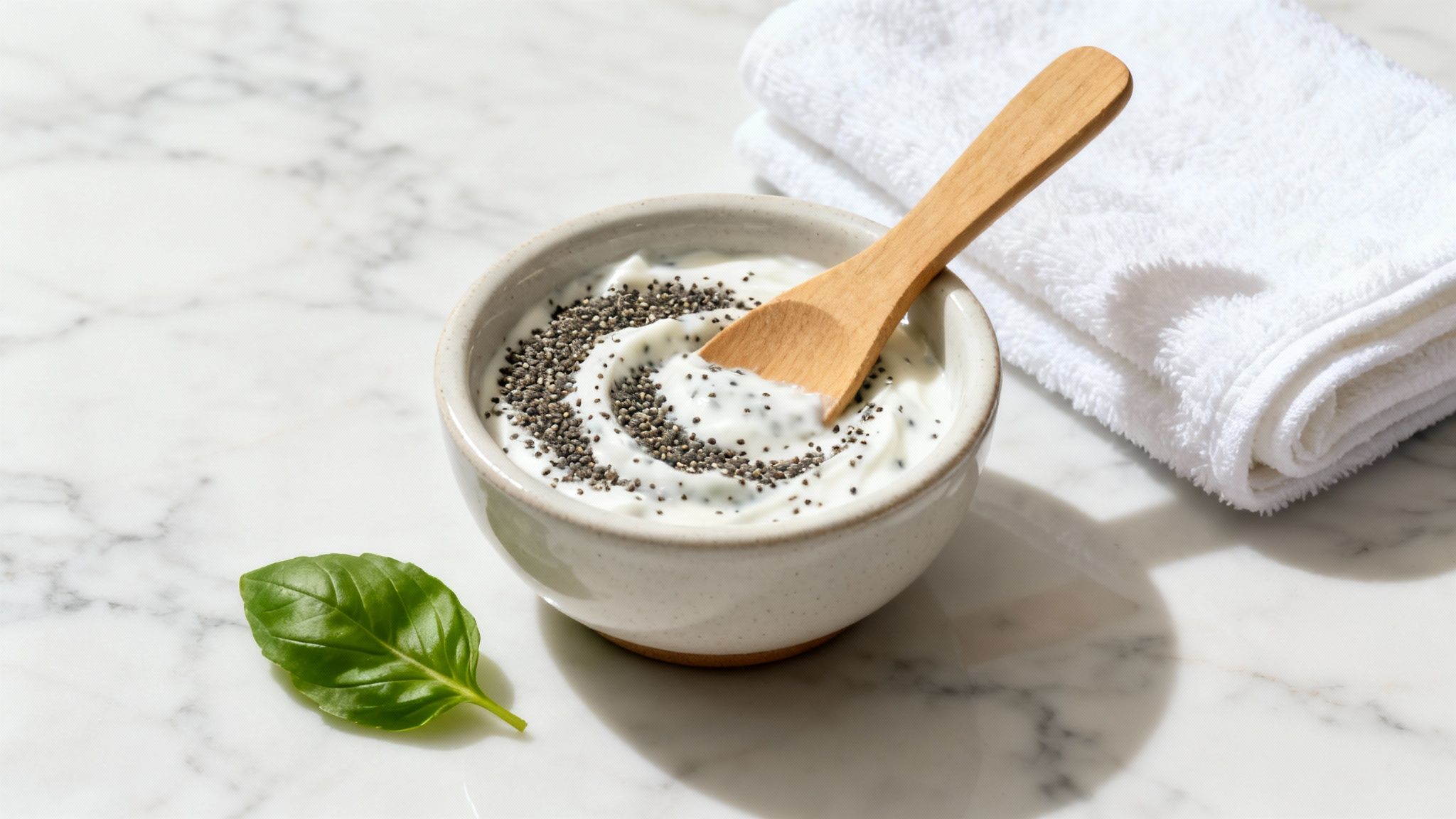
One of the most direct ways to obtain these benefits is with a simple DIY face mask, which delivers nutrients directly to the skin.
By applying these nutrient-rich seeds directly to the skin, you provide it with a concentrated dose of antioxidants and anti-inflammatory agents to help calm, brighten, and protect your complexion.
For an effective treatment, grind a tablespoon of basil seeds into a fine powder. Mix it with water or rosewater to form a smooth paste. Apply it to clean skin, leave it on for 10-15 minutes, and rinse with cool water for an instantly refreshed feeling.
For Stronger, Healthier Hair
The benefits extend to hair health. Basil seeds offer a natural way to strengthen hair and enhance its shine. Hair follicles, like the rest of the body, require a steady supply of nutrients to build strong, resilient strands, and basil seeds are a good source of these nutrients.
They are an excellent plant-based source of iron, a mineral essential for carrying oxygen to hair roots. Iron deficiency is a common factor in hair thinning, so maintaining adequate levels is fundamental for healthy hair.
Additionally, these seeds provide protein and Vitamin K, which are both key to hair health.
- Protein Power: Hair is primarily composed of keratin, a protein. Dietary protein is necessary to build strong strands, and basil seeds are a convenient plant-based source.
- Vitamin K: This vitamin supports scalp health, helping to create an optimal environment for healthy growth from the root.
- Antioxidant Protection: The same antioxidants that protect the skin also shield hair follicles from oxidative stress that can weaken them over time.
The most effective way to obtain these hair benefits is through consumption. Sprinkling basil seeds over a salad, blending them into a smoothie, or stirring them into yogurt provides the body with a consistent supply of these vital nutrients, promoting healthier hair from within.
A Culinary Guide to Using Basil Seeds
Once you are ready to incorporate basil seeds into your cooking, their versatility becomes apparent. Their key characteristic is the transformation from a tiny black seed to a gelatinous pearl. Mastering the initial soaking step is essential to unlocking their potential in a wide range of applications.
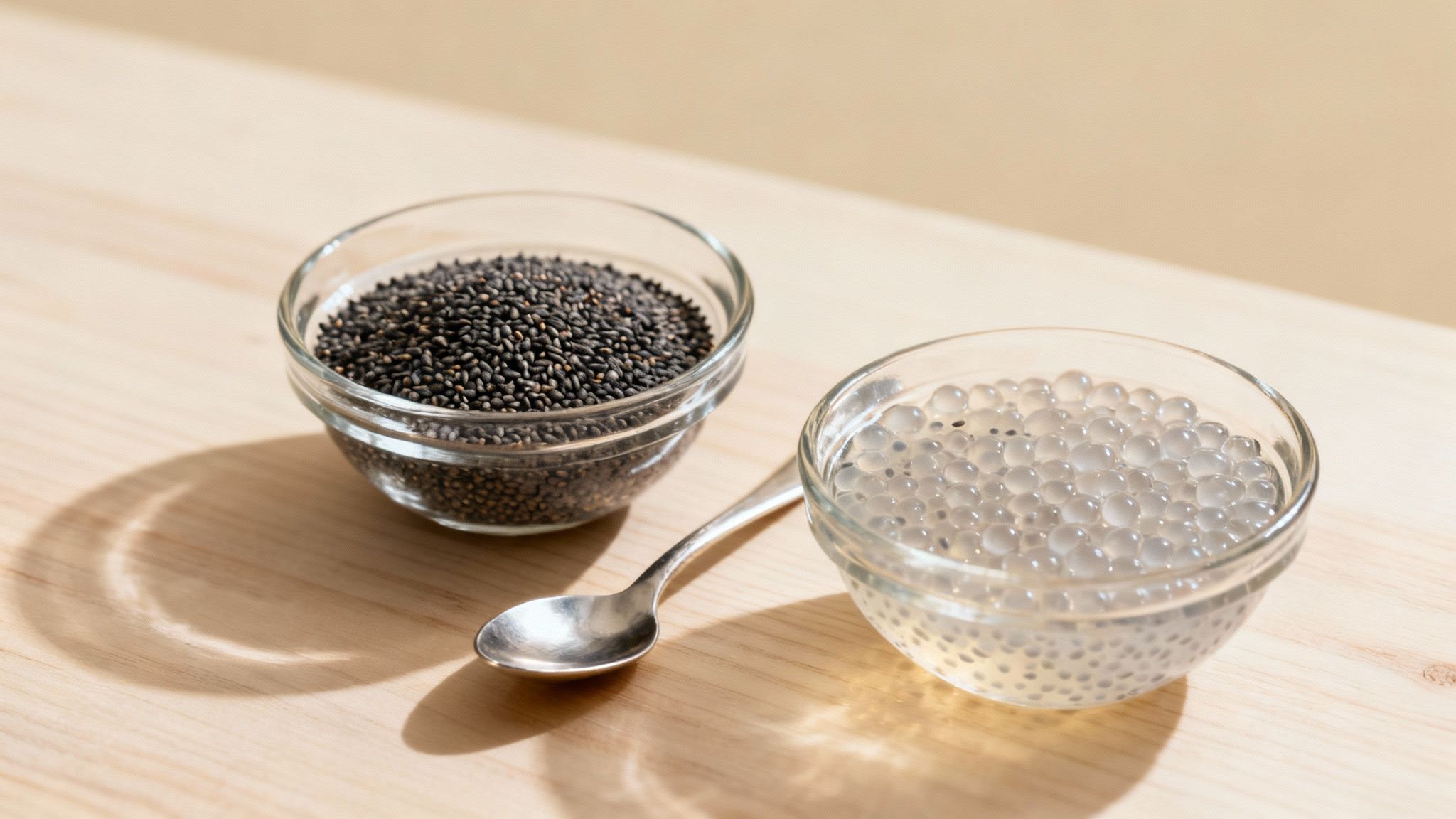
It is important to know how to soak them correctly. Unlike chia seeds, basil seeds hydrate quickly—usually within 10 to 15 minutes. This rapid hydration creates their signature coating, which is crucial for achieving the right texture and ensuring they are easy to digest. This is a fundamental step for any recipe.
Mastering the Perfect Soak
Achieving the ideal plump texture is straightforward. A general guideline is one tablespoon of basil seeds to approximately one cup of liquid. While water is sufficient, you can also use coconut milk, fresh juice, or chilled herbal tea to infuse a subtle flavor from the start.
Stir the seeds into your chosen liquid. It is advisable to stir again after a minute or two to prevent clumping. Then, allow them to absorb the liquid and expand into soft, translucent orbs. For a firmer texture, use slightly less liquid; for a softer gel, add more.
The soaking process activates the seeds. This simple step not only creates their delightful texture but also enhances the bioavailability of their nutrients, preparing them to elevate any dish.
Once soaked, they are ready to add a nutritional and textural element to a wide range of dishes.
Inspiring and Delicious Recipes
Because basil seeds have a neutral flavor, they are incredibly adaptable. They act as a textural sponge, absorbing the character of other ingredients while contributing their own pleasing quality.
Here are a few ideas to get you started:
- Refreshing Basil Seed Lemonade: Add two tablespoons of pre-soaked basil seeds to a tall glass of freshly squeezed lemonade. Garnish with a sprig of mint and a lemon wheel for a visually appealing and refreshing beverage.
- Creamy Coconut Mango Pudding: For an elegant dessert, blend ripe mango with full-fat coconut milk and a hint of maple syrup until smooth. Stir in three to four tablespoons of soaked basil seeds and chill for at least an hour. The seeds will thicken the mixture into a luscious pudding.
- Vibrant Salad Dressing: Add a textural element to your dressings by whisking a tablespoon of soaked basil seeds into a lemon-tahini or raspberry vinaigrette. The seeds add body and visual appeal, clinging well to greens and vegetables.
These recipes illustrate how easily basil seeds can upgrade familiar dishes with improved texture and added fiber.
Basil Seeds vs. Chia Seeds: A Head-to-Head Comparison
Basil seeds and chia seeds are often compared, but they have distinct culinary properties. Understanding their key differences will help you select the appropriate seed for your needs.
While both are nutritionally dense, a closer look reveals their unique strengths.
| Nutrient | Basil Seeds (per tbsp) | Chia Seeds (per tbsp) |
|---|---|---|
| Calories | ~60 kcal | ~60 kcal |
| Fiber | ~7 grams | ~5 grams |
| Iron | ~15% DV | ~5% DV |
| Omega-3s (ALA) | ~1240 mg | ~2500 mg |
| Soaking Time | Fast (10-15 mins) | Slower (30+ mins) |
| Texture | Soft gel, crunchy center | Thicker, uniform gel |
The primary takeaway is that if you require a quick textural addition or a significant source of iron, basil seeds are the superior choice. Their rapid hydration makes them ideal for beverages and quick-set puddings. Chia seeds, conversely, are notable for their higher omega-3 content and stronger gelling power, making them suitable for overnight puddings or as an egg substitute in baking.
Ultimately, both seeds can have a place in a well-stocked pantry, as each offers unique culinary advantages.
How to Source and Store Basil Seeds
Sourcing high-quality basil seeds is the first and most critical step. Look for seeds that are a deep, uniform black color. Avoid any that appear discolored, dusty, or clumped, as these are indicators of age or moisture exposure.
The best sources are typically well-stocked health food stores, international markets (particularly those specializing in South Asian or Middle Eastern ingredients), or reputable online retailers. When purchasing online, select purveyors who provide transparent information about the origin and packing date of their seeds, as this usually indicates a higher quality product.
Proper Storage for Lasting Potency
Once acquired, proper storage is key to maintaining the freshness and potency of the seeds. Their primary adversaries are light, heat, and moisture, which can degrade their quality.
To preserve them, transfer them to an airtight container, such as a glass jar with a secure seal. Store the container in a cool, dark, and dry location like a pantry, away from heat sources or direct sunlight. Stored correctly, basil seeds can remain viable for up to a year.
It is not surprising that ingredients like these are gaining market traction. In the U.S. alone, the market for basil extract is projected to grow from USD 22.3 million to nearly USD 30.3 million by 2035. This trend reflects a broader shift toward functional, plant-based foods in both the culinary and wellness industries. You can explore these market shifts further at Future Market Insights.
Important Safety Considerations
Basil seeds are a healthy addition to most diets, but there are important safety considerations to keep in mind. Following these guidelines ensures you can enjoy their benefits without risk.
The single most important rule is to always soak basil seeds thoroughly before consumption. Never eat them dry. They swell rapidly in liquid and can pose a serious choking hazard.
This is especially critical for young children or individuals with swallowing difficulties. Beyond safety, soaking is what develops their unique gelatinous texture and makes their nutrients more easily absorbable.
Here are a few key points:
- Soak Completely: Allow the seeds at least 15-20 minutes in ample liquid to ensure they expand fully before being added to any food or beverage.
- Start Slowly: If you are new to basil seeds, introduce them into your diet gradually. The high fiber content is beneficial, but starting with a small amount, such as one teaspoon, allows your digestive system to adjust.
- Stay Hydrated: When increasing your fiber intake with foods like sabja seeds, it is important to drink plenty of water throughout the day to support proper digestion.
With these sourcing, storage, and safety guidelines, you can confidently make basil seeds a regular part of your wellness routine.
A Few Final Questions About Basil Seeds
As you begin to explore the uses of basil seeds, a few questions may arise. This section aims to address common inquiries to ensure you can use this ingredient with confidence.
We will cover some practical points that build upon the information already discussed.
Do I Really Need to Soak Basil Seeds First?
Yes, it is imperative. Always soak basil seeds before eating them. This is a crucial safety measure, not a mere suggestion. If consumed dry, they can expand instantly upon contact with moisture, posing a significant choking risk. This rapid expansion is desirable in a glass of water, but not in one's throat.
Allowing them at least 15 minutes in liquid is non-negotiable. This preparation allows them to plump up, develop their signature gelatinous coating, and become safe to ingest. Soaking also facilitates digestion and unlocks their full nutritional value.
What's the Real Difference Between Basil Seeds and Chia Seeds?
Although they may appear similar in certain preparations, basil seeds and chia seeds have distinct characteristics. The primary differences relate to their texture, nutritional composition, and origin. Basil seeds are uniformly black, swell almost instantly, and are a noteworthy source of iron.
The choice often depends on your objective. If you seek a quick textural enhancement and higher iron content, select basil seeds. If you require a greater omega-3 concentration and stronger gelling properties for a recipe, chia seeds are the appropriate choice.
Chia seeds, in contrast, are a mixture of black, white, and gray hues. They absorb liquid more slowly and are renowned for their high omega-3 fatty acid content. Both seeds are valuable, but the selection depends on the desired texture or specific nutritional focus.
How Many Basil Seeds Should I Eat Per Day?
For most adults, a starting recommendation is one to two tablespoons of dry seeds per day (which will expand significantly once soaked). If you are unaccustomed to a high-fiber diet, it is wise to begin with a smaller amount, such as one teaspoon, and observe your body's response.
This gradual approach helps prevent potential bloating as your digestive system adapts to the increased fiber. Most importantly, consume adequate water throughout the day. Hydration is key when eating fiber-rich foods like basil seeds, as it helps the fiber function effectively and supports digestive regularity.
At Social Life Magazine, we celebrate ingredients that blend wellness with refinement. For more insights into a life well-lived, from the Hamptons to the city, explore our latest features at https://www.sociallifemagazine.com.
Author

Written by
Recent Posts

Unlocking the Berkshires
Dalia Forman Design

Alberto Luzzi
How to Pick a Homecoming Dress for Your Body Type and Feel Amazing in It
How to Prepare a Home for Sale When Major Repairs Are Not Affordable
Categories
- Art
- Articles
- Business of Luxury
- Celebrities
- Culture
- Entertainment
- Events
- Faces of Summer 2026
- Fashion
- Fashion & Style
- Featured
- Finance
- Food, Spirits, Wine
- Hamptons
- Hamptons Celebrities
- Health
- Health & Beauty
- Lifestyle
- Luxury Lifestyle
- Press
- Profiles
- Real Estate
- Technology
- The Chronicles
- Travel
- Uncategorized
- Weddings