


The call came at 6 PM on a Friday. A hedge fund manager wanted to see a property on Meadow Lane before his 8 AM flight to London. By midnight, he had made an offer. By Monday, the deal was done. That’s how Hamptons real estate moves at the top. Hesitation costs properties. Preparation wins them.
The market has fundamentally changed since COVID sent Manhattan’s wealthy scrambling east. Median prices have reset above $2 million. Inventory remains historically tight. Yet opportunity exists for buyers who understand how Hamptons real estate actually works. This guide covers current market conditions, neighborhood pricing, the buying process, and the insider knowledge that separates successful buyers from those still searching next season.
For those still exploring the region, our guide to where are the Hamptons explains the geography that drives these price differences.
Hamptons Real Estate Market Overview
The first quarter of 2025 established new records. According to Douglas Elliman market analysis, median home sales prices reached $2.04 million, a 13.3% increase from the same period a year ago. The Hamptons saw 423 homes sold in Q1 2025, up 85.5% from 228 the previous year.
Before COVID, the Hamptons typically had around 5,000 properties on the market at any time. During the pandemic buying frenzy, that number dropped to approximately 1,000. As of late 2025, inventory has recovered to roughly 1,900 properties, but that figure remains well below historical norms. This structural shortage keeps prices elevated even as broader market conditions fluctuate.
What’s Driving Current Prices
Three factors explain why Hamptons real estate continues commanding premium prices despite economic uncertainty. First, cash buyers dominate the luxury segment. Interest rates matter less when buyers write checks for $5 million properties without financing. Second, limited vacant land means new construction can’t flood the market with inventory. Most developable parcels were built out years ago. Third, the pandemic permanently expanded the buyer pool. Remote work made Hamptons living viable for professionals who previously needed Manhattan offices.
The market has shifted from seasonal vacation buying to year-round livability. Today’s buyers seek home offices, wellness spaces, and infrastructure supporting extended stays. Properties built for weekend entertaining now compete against those designed for full-time residence.
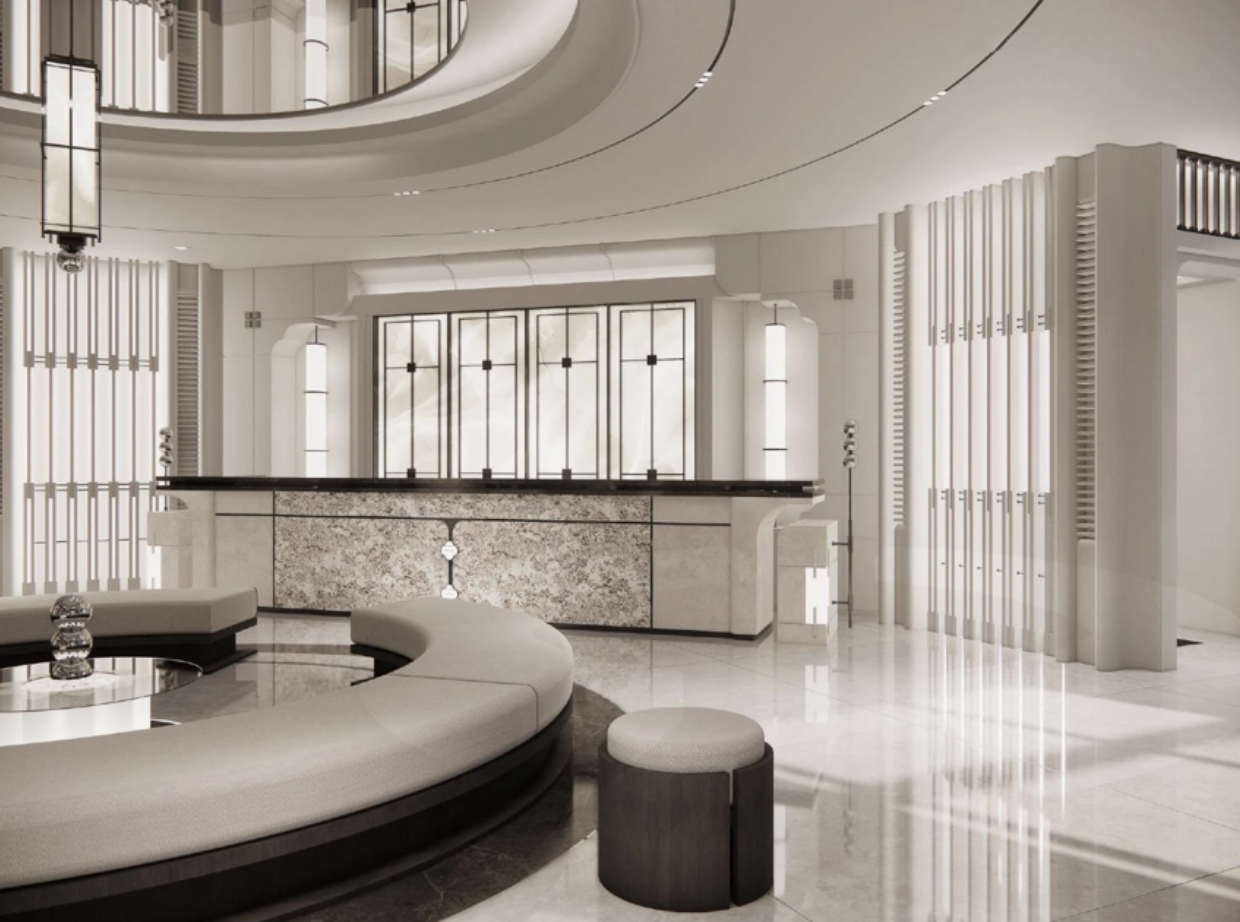
Design trends increasingly favor the quiet luxury aesthetic: understated architecture that whispers wealth rather than shouting it.
Hamptons Real Estate by Neighborhood
Price varies dramatically by location. Understanding neighborhood dynamics helps buyers allocate budgets effectively and set realistic expectations.

Southampton Village
Southampton represents old money and oceanfront grandeur. Median prices for quality properties start around $3 million and escalate rapidly for anything south of the highway. The legendary streets of Gin Lane, Meadow Lane, and First Neck Lane command prices from $20 million to over $100 million for exceptional oceanfront estates.
In 2024, the two most expensive sales both occurred on Gin Lane. La Dune, an oceanfront estate, sold at auction for $88.48 million (split between 376 and 366 Gin Lane). These prices represent the absolute ceiling of Hamptons real estate, but they establish Southampton’s position at the market’s apex.
Southampton Village offers walkability to shops and restaurants, proximity to nationally-ranked Coopers Beach, and social infrastructure through clubs like Meadow Club and Shinnecock Hills Golf Club. Properties here suit buyers seeking established prestige over emerging neighborhoods.
Private clubs like The Bathing Corporation of Southampton and Meadow Club define the social hierarchy. See our complete guide to Hamptons beach clubs and their connection to property values.
East Hampton Village
East Hampton feels slightly more “old money” than Southampton, with stricter regulations and deep cultural roots. Jackie Kennedy Onassis summered here. The Maidstone Club anchors the social scene. Main Street offers high-end designer boutiques alongside local establishments.
Average sales prices for East Hampton single-family homes run approximately $3 million, though the range extends from $1.5 million for modest properties to $30 million or more for exceptional estates. Further Lane, the village’s premier address, has seen individual sales exceed $28 million.
The village appeals to buyers wanting walkability, cultural amenities, and celebrity-adjacent status. Properties near the pond with swans at the village entrance consistently attract premium offers.
Sagaponack and Water Mill
Sagaponack consistently ranks among America’s most expensive zip codes. Median sales prices exceed $7 million for single-family homes. Parsonage Lane and Daniels Lane represent the neighborhood’s most prestigious addresses, with estates on these roads commanding $15 million to $25 million.
Water Mill offers similar agricultural character with slightly lower entry points. The hamlet has seen significant price appreciation, with median sales reaching approximately $4.6 million. The Parrish Art Museum provides cultural anchor. Both neighborhoods appeal to buyers seeking space, privacy, and estate-scale properties rather than village walkability.
Bridgehampton
Bridgehampton occupies the psychological midpoint of the Hamptons, balancing Southampton’s old money with East Hampton’s celebrity energy. The village maintains more accessible character while still offering high-end properties.
Median prices run lower than Southampton or East Hampton Village, creating opportunity for buyers seeking value. Ocean Road in Bridgehampton ranks among the Hamptons’ most expensive streets, with median sales around $8.6 million. However, properties north of the highway offer entry points around $2 million to $3 million.
Sag Harbor
This former whaling village has emerged as the hot market within the Hamptons. Sag Harbor Village excelled in Q2 2025 with significant increases in sales volume, transaction count, and median prices. The walkable downtown, marina setting, and year-round population create genuine community character.
Prices have risen dramatically as younger buyers and creative professionals discover Sag Harbor’s appeal. Expect entry points around $1.5 million for modest properties, with quality homes ranging from $3 million to $8 million. Waterfront properties command substantial premiums.
Amagansett
Amagansett provides a quieter Hamptons experience with exceptional beach access. Celebrity residents include Paul McCartney, Scarlett Johansson, Sarah Jessica Parker, and Matthew Broderick. The hamlet’s recent performance surprised many observers.
As one local broker noted: “Don’t ever sleep on Amagansett. You’ll wake up with an expensive hangover.” Recent sales on St. Mary’s Lane reached $23 million, and 15-year-old houses have traded above $12 million. The combination of privacy, beach proximity, and celebrity validation drives premium pricing.
Montauk
Montauk operates by different rules than the rest of the Hamptons. The surfing culture, fishing heritage, and younger demographic create distinct energy. Prices run lower than traditional Hamptons villages while offering spectacular ocean access.
Median prices range from $1.5 million to $2.5 million for quality properties. The trade-off involves distance from Manhattan (add 45 minutes to your commute) and fewer village amenities. Montauk suits buyers prioritizing beach lifestyle over social infrastructure.
Hampton Bays and East Quogue
These neighborhoods west of the canal represent the most affordable entry points to Hamptons real estate. Median prices in Hampton Bays hover around $850,000 to $945,000. East Quogue offers similar value at approximately $874,000 to $897,500 median.
Properties here provide Hamptons lifestyle at accessible price points. The trade-off involves perception. Some long-time Hamptons residents consider these areas “west of the canal” rather than true Hamptons. For buyers prioritizing value over status, these neighborhoods merit serious consideration.
The Most Expensive Streets in the Hamptons
Understanding the premium addresses helps calibrate expectations and identify value opportunities nearby.
For details on who lives where, see our guide to celebrity Hamptons homes and their price histories.
Meadow Lane, Southampton: Median sale prices approach $18 million. This five-mile oceanfront strip earned the nickname “Billionaires Row.” Residents have included Ken Griffin (Citadel), Leon Black (Apollo), and the late David Koch. Properties range from $30 million to over $175 million for exceptional estates.
Gin Lane, Southampton: Perhaps the most prestigious address in the Hamptons. The 2024 auction of La Dune at $88.48 million demonstrated the street’s continued appeal to ultra-high-net-worth buyers.
Further Lane, East Hampton: Median sales around $7.3 million. Jackie Kennedy Onassis lived here. Properties regularly trade above $25 million for oceanfront estates.
Parsonage Lane, Sagaponack: Median sales reaching $15 million. The agricultural setting combined with proximity to ocean creates unique appeal.
First Neck Lane, Southampton: Multiple 2024 sales exceeded $20 million. The street connects Lake Agawam to the ocean, providing dual water access.
How to Buy Hamptons Real Estate
The buying process follows standard New York protocols with Hamptons-specific considerations. Understanding each step prevents costly mistakes.

Step 1: Determine Your Budget
Hamptons purchases require clear financial parameters. Beyond the purchase price, factor in 2-5% closing costs, Community Preservation Fund taxes (2% on purchases over $250,000 of improved land), annual property taxes, and ongoing maintenance. Properties here require year-round care even when unoccupied.
Cash purchases dominate the luxury segment. For financed purchases, obtain pre-qualification before beginning your search. Sellers take cash offers more seriously, and the ability to close quickly can win competitive situations.
Step 2: Choose Your Agent
Working with a local Hamptons-based agent provides access to off-market listings, neighborhood expertise, and relationships that facilitate deals. Major brokerages active in the market include Douglas Elliman, Corcoran Group, Sotheby’s International Realty, Compass, and Town & Country Real Estate.
Interview multiple agents before committing. Ask about their recent transactions in your target neighborhoods and price range. The best agents have been through the building and renovation process themselves and can evaluate properties’ development potential.
Step 3: Understand What You Want
Hamptons properties vary dramatically in style, condition, and location. Clarify your priorities before viewing properties. Move-in-ready homes command premiums but eliminate renovation headaches. Older properties with “good bones” offer customization opportunity but require patience and additional investment.
The current market shows strongest activity in two segments: the $1 million to $5 million “sweet spot” and the ultra-luxury market above $10 million. Properties between $5 million and $10 million face more selective buyers and longer marketing periods.
Step 4: Property Viewings
Start your search in spring when properties show best. Winter viewings make it difficult to assess a property’s summer potential. Expect the process to take months. Rushing leads to buyer’s remorse in a market where mistakes cost millions.
When you find the right property, act decisively. Quality inventory moves quickly. Properties listed at competitive prices often receive multiple offers within days.
Step 5: Making an Offer
Your agent submits offers on your behalf. In competitive situations, terms matter as much as price. Cash offers, flexible closing dates, and minimal contingencies strengthen bids. The highest offer doesn’t always win when competing against better-structured deals.
Step 6: Due Diligence and Contract
Upon accepted offer, hire a local attorney to handle the contract. Schedule home inspection, water quality tests, and termite inspection. The contract typically requires 10% down payment held in escrow, with specific contingencies, closing timeline, and property descriptions.
Step 7: Closing
Your attorney attends closing to handle title transfer and fund disbursement. Expect 2-5% in closing costs including taxes, legal fees, title insurance, and inspections. The seller typically pays broker commissions.
Current Market Conditions
The 2025-2026 market shows encouraging signs after two challenging years. Brokers report increased open house attendance, more appointments, and deals closing closer to asking prices.
Buyers have become more selective and value-driven. Move-in-ready properties in prime locations sell quickly, often with multiple interested parties. Properties needing renovation sit longer and require price adjustments.
The ultra-luxury segment (above $10 million) shows particular strength. Wealthy buyers view Hamptons real estate as both lifestyle asset and store of value. Limited supply at this level keeps prices firm despite broader economic concerns.
Sustainability has emerged as a meaningful differentiator. Buyers increasingly prioritize energy efficiency, solar panels, geothermal systems, and eco-conscious construction. New developments emphasizing sustainability without compromising luxury attract premium interest.
Investment Considerations
Hamptons real estate offers both lifestyle and financial benefits, but investors should understand the market’s characteristics.
Rental Income Potential: Many buyers offset carrying costs through seasonal rentals. Quality properties can generate $100,000 to $300,000 or more during summer months. However, the rental market has softened, and income projections require realistic assessment.
Appreciation History: Long-term appreciation has been strong but inconsistent. COVID drove unprecedented price increases that have partially normalized. Current buyers should plan for moderate appreciation rather than pandemic-era gains.
Carrying Costs: Property taxes, insurance, maintenance, and utilities add significantly to ownership costs. Budget $30,000 to $100,000 or more annually depending on property size and amenities.
Liquidity: Hamptons properties are less liquid than many investments. Average time on market has increased to 170 days in some areas. Selling quickly often requires price concessions.
Many buyers offset carrying costs through seasonal rentals. See our Hamptons summer rentals guide for market context.
The Bottom Line on Hamptons Real Estate
The Hamptons remain the premier East Coast real estate market for good reason. Natural beauty, social infrastructure, and proximity to Manhattan create enduring appeal. Current conditions favor prepared buyers who understand neighborhood dynamics, price realistically, and act decisively when opportunity appears.
Success requires local expertise. Work with experienced Hamptons agents and attorneys who navigate these transactions regularly. Start your search early, define your priorities clearly, and be ready to move when the right property emerges.
The market rewards patience and preparation. Properties that seemed overpriced last year have appreciated further. Those waiting for prices to drop have watched values climb. In Hamptons real estate, the best time to buy was yesterday. The second best time is now.
For more on Hamptons lifestyle and history of the Hamptons read The Untold History of The Hamptons. See our guides to Hamptons summer rentals and Celebrity Homes in the Hamptons.
Connect With Hamptons Real Estate Experts
Real Estate Advertising & Partnership Inquiries: Contact Social Life Magazine
Polo Hamptons VIP Networking: Visit Polo Hamptons
Join Our Hamptons Insider Email List: Subscribe Here
Social Life Magazine Print Subscription: Subscribe Today
Support Hamptons Lifestyle Coverage: Donate $5 to Social Life Magazine
Related Articles
Explore The Archive for more Hamptons real estate and lifestyle coverage.
Author

Written by
Recent Posts

How to Choose Useful Tech Gifts for Employees and Clients in 2026
The Garage Question: Which Car Goes South for the Season?
VandS Clinic Review Treatment: How Seoul Injectable and Laser Options Compare for US Patients
Before Buying a View Home: What a Sloped Lot Means for the Purchase

Powerful Strategies to Stay Ahead in a Fast-Moving Real Estate Market
Categories
- Art
- Articles
- Business of Luxury
- Celebrities
- Culture
- Entertainment
- Events
- Faces of Summer 2026
- Fashion
- Fashion & Style
- Featured
- Finance
- Food, Spirits, Wine
- Hamptons
- Hamptons Celebrities
- Health
- Health & Beauty
- Lifestyle
- Luxury Lifestyle
- Press
- Profiles
- Real Estate
- Technology
- The Chronicles
- Travel
- Uncategorized
- Weddings