
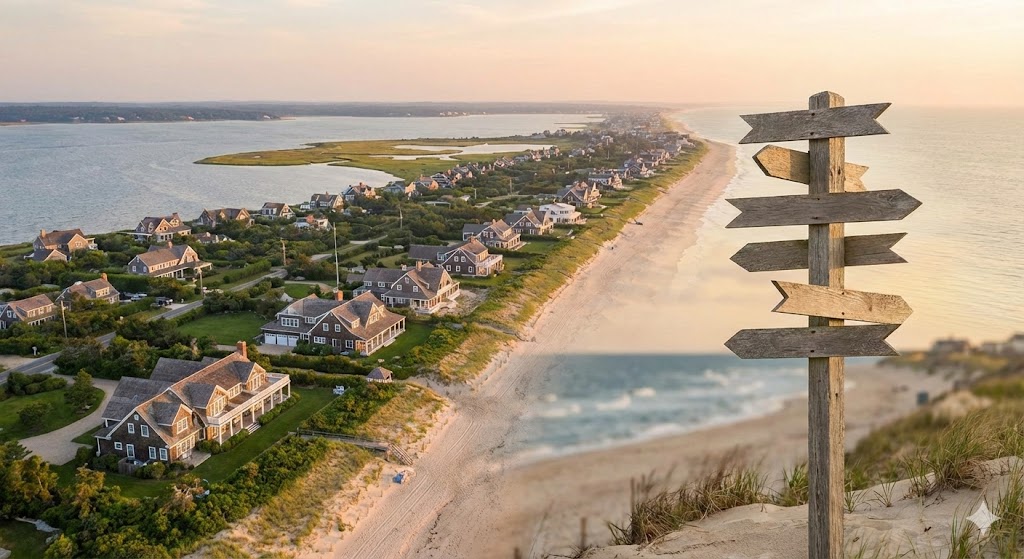
Where are the Hamptons? The question comes up constantly, usually from someone who just received an invitation or a job offer that mentions summering out east. The short answer: a collection of seaside communities on Long Island’s South Fork, approximately 80 miles east of Manhattan. The longer answer involves geography, social dynamics, and transportation logistics that have shaped one of America’s most exclusive resort communities.
This guide covers everything from the basic map to the village-by-village breakdown, plus the transportation options that determine whether your journey takes two hours or six. Understanding the Hamptons starts with understanding where they actually are.
The Geography: South Fork, Long Island
Long Island extends east from New York City for approximately 118 miles. At its eastern end, the land splits into two peninsulas: the North Fork and the South Fork. The Hamptons occupy the majority of the South Fork, a narrow strip of land bordered by the Atlantic Ocean to the south and Peconic Bay to the north.
This geography creates the Hamptons’ defining characteristic. The peninsula is never more than ten miles wide and in some places narrows to less than a mile. Ocean beaches line the southern shore while calmer bay waters provide harbors and marinas to the north. This dual-water positioning offers both dramatic oceanfront settings and protected anchorages within close proximity.
The region stretches approximately 30 miles from Westhampton in the west to Montauk Point at the eastern tip. Montauk Point Lighthouse, commissioned by George Washington in 1796, marks the easternmost point of New York State. From Manhattan, the drive ranges from 80 miles to Westhampton to nearly 130 miles to reach Montauk.
The Two Townships
Officially, the Hamptons comprise just two townships: the Town of Southampton and the Town of East Hampton. Each township contains multiple villages and hamlets with their own zip codes, governments, and personalities. Suffolk County provides the larger administrative framework, but local village governance determines most of what matters to residents and visitors.
The Town of Southampton encompasses the western portion, including the villages of Southampton, Westhampton Beach, Quogue, and the hamlets of Hampton Bays, Water Mill, and Bridgehampton. The Town of East Hampton covers the eastern section, including East Hampton Village, Sag Harbor (shared with Southampton), Amagansett, Springs, and Montauk.
The Villages and Hamlets: West to East
Understanding where the Hamptons are requires understanding the distinct communities that compose them. Each village has developed its own character, price point, and social dynamics over more than a century of development as a resort community.
Westhampton and Westhampton Beach
Westhampton marks the western boundary of what most people consider the Hamptons. Located 80 miles from Manhattan, it represents the closest and most accessible entry point. The community offers a more casual atmosphere and relatively lower price points compared to villages further east. Westhampton Beach provides the main commercial center with shops and restaurants along Main Street.
Quogue and Hampton Bays
Quogue maintains an understated, old-money character that longtime residents prefer to the busier villages. Hampton Bays offers more affordable options and a year-round working population that gives the area a different energy than purely seasonal communities.
Southampton Village
Southampton was the first English settlement in what is now New York State, founded in 1640 by Puritans from Massachusetts. The historic village retains its colonial architecture while serving as the financial capital of the Hamptons. Job’s Lane and Main Street feature high-end retail and dining. Cooper’s Beach, frequently ranked among America’s best beaches, anchors the oceanfront.
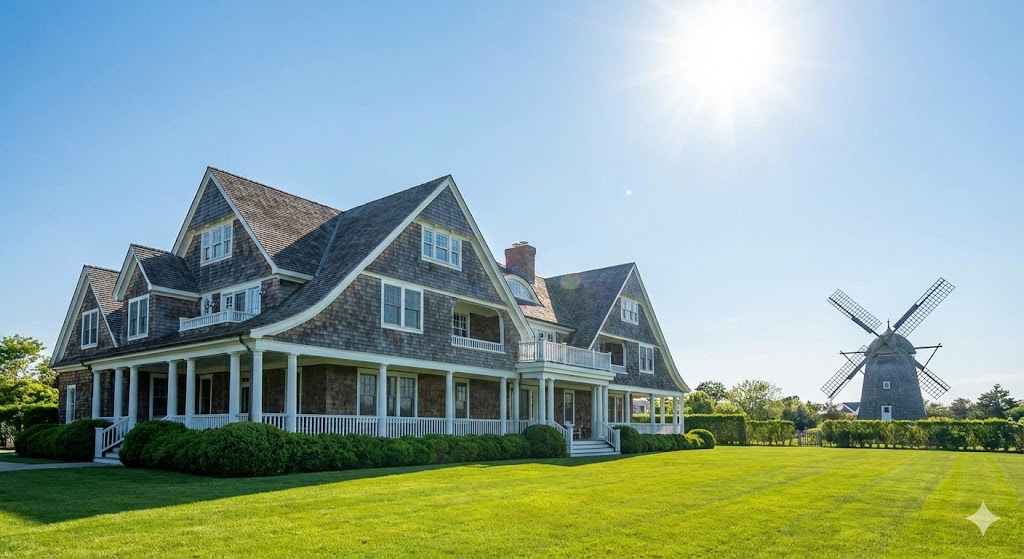
The neighborhood hierarchy here runs from village estates through Meadow Lane’s billionaire row to Gin Lane’s historic compounds. Southampton trends older and wealthier than East Hampton, with dining and social preferences that favor classic preparations over culinary experimentation.
Water Mill and Bridgehampton
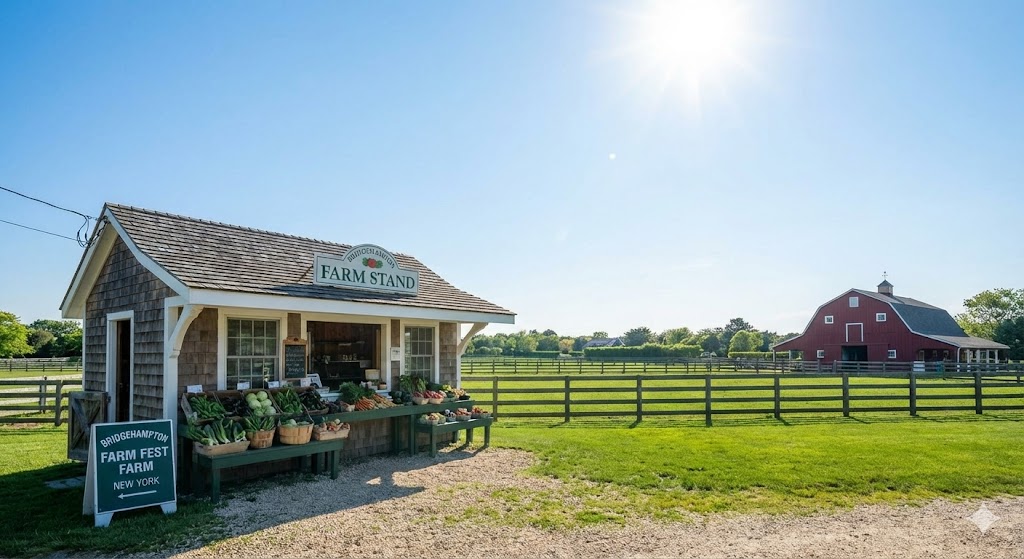
Water Mill provides a quiet residential character and serves as the home of the Parrish Art Museum. Bridgehampton combines working farms with substantial estates, creating the agricultural-luxury blend that defines much of the Hamptons. The village hosts the annual Hampton Classic horse show and maintains several working vineyards.
Sagaponack
One of the smallest and wealthiest communities in the Hamptons, Sagaponack consistently ranks among the most expensive zip codes in America. The agricultural preservation rules that limit development have created permanent scarcity. Ira Rennert’s 110,000-square-foot Fair Field estate sits here, the largest private residence in America.
Sag Harbor
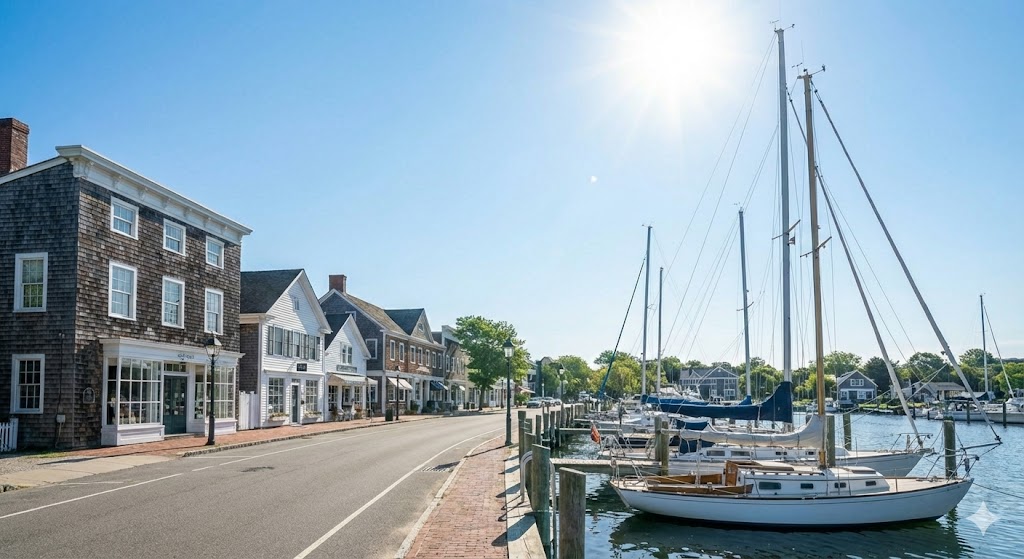
A former whaling port, Sag Harbor developed a distinct identity as a year-round community with a creative class population of writers, artists, and professionals who prioritize village character over pure seasonal spectacle. Main Street retail maintains local flavor while attracting destination dining. The harbor itself provides the social center, with marinas and waterfront restaurants.
East Hampton Village
East Hampton represents the social and celebrity center of the Hamptons. Main Street shopping, Guild Hall cultural programming, and the concentration of celebrity residents create the highest-profile environment on the East End. The village was founded in 1648 as Maidstone before renaming itself East Hampton in 1662.
Further Lane and Georgica Pond neighborhoods host the entertainment industry concentration that drives tabloid coverage. Residents have included everyone from Jackson Pollock to Jerry Seinfeld, creating layers of cultural history that newer money cannot replicate.
Amagansett and Springs
Amagansett maintains a slightly more relaxed atmosphere than East Hampton Village despite being just a few miles east. Springs, located on the northern side of the South Fork, developed as an artists’ community in the mid-20th century when Abstract Expressionists including Pollock and Lee Krasner made it their home.
Montauk
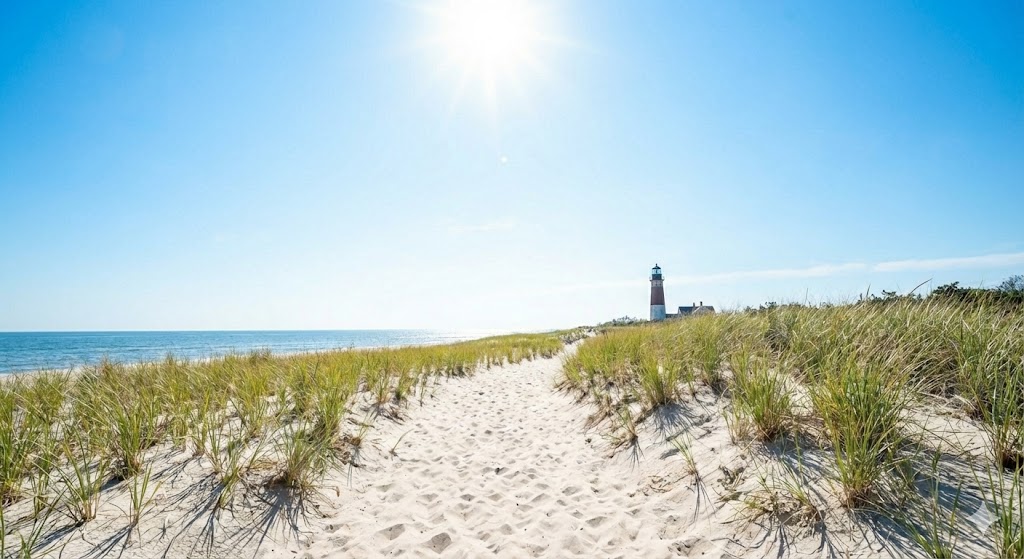
The end of the line, literally. Montauk sits at the eastern tip of the South Fork, offering a more casual surf culture atmosphere that distinguishes it from the villages to the west. The working fishing harbor, state park, and lighthouse create a different vibe than the manicured estates of Southampton or East Hampton. Montauk has attracted younger visitors and a more diverse crowd in recent years.
How to Get to the Hamptons from NYC
The journey itself has become part of the Hamptons experience. Transportation choices signal status, values, and intentions as clearly as the destination you choose. Understanding the options helps you plan realistic timing and manage expectations.
By Car
Driving remains the most popular option because having a car in the Hamptons provides essential flexibility for reaching beaches, restaurants, and farm stands. The primary route from Manhattan follows the Long Island Expressway (I-495) east to exit 70, then Route 27 (Sunrise Highway) toward your destination.
Under optimal conditions with no traffic, the drive to Southampton takes approximately two hours. To Montauk, add another 45 minutes to an hour. However, optimal conditions rarely exist during summer. Friday afternoon departures can stretch to four, five, or even six hours as weekend traffic congests the Long Island Expressway.
Strategic timing matters enormously. Leaving Manhattan before 11 AM or after 8 PM on Fridays avoids the worst congestion. Sunday returns face similar challenges, with eastbound traffic building from mid-afternoon.
By Train: The Long Island Rail Road
The LIRR’s Montauk Branch connects Penn Station (and now Grand Central Madison) to all major Hamptons stations including Westhampton, Southampton, Bridgehampton, East Hampton, Amagansett, and Montauk. The journey takes 2.5 to 3.5 hours depending on destination and service type.
The “Cannonball” deserves special mention. This express train runs once on Friday afternoons during summer, departing Penn Station at 4:06 PM and making limited stops before reaching Montauk. The Cannonball shaves significant time off the journey but fills up quickly. Summer weekend trains can be standing room only.
One-way fares run $25-35 depending on peak versus off-peak timing. The LIRR TrainTime app shows schedules and allows mobile ticketing. Note that summer weekends may restrict bicycle transport.
By Bus: Hampton Jitney and Hampton Luxury Liner
The Hampton Jitney has become synonymous with Hamptons travel for New Yorkers who prefer comfort over driving stress. Buses depart from multiple Manhattan locations between 37th and 96th Streets on the East Side, with newer Brooklyn pickup options available.
The journey takes 2.5 to 4 hours depending on traffic and stops. Buses serve Southampton, Bridgehampton, East Hampton, Sag Harbor, Amagansett, and Montauk. Fares run $30-45 one way. Amenities include WiFi, restrooms, and snacks.
Hampton Luxury Liner offers a more upscale version with additional space, complimentary drinks, and slightly higher prices. The Ambassador Jitney represents the premium tier of the Hampton Jitney service.
By Helicopter: BLADE
For those who consider traffic something that happens to other people, BLADE offers helicopter service from Manhattan heliports to East Hampton and other Hamptons destinations. Flight time runs 30-35 minutes, eliminating the multi-hour ground journey entirely.
Pricing starts around $695 per seat for shared flights, with private charters running significantly higher. BLADE lounges in Manhattan offer pre-flight amenities. This is the choice for time-sensitive travelers, those making day trips, or anyone who wants to make an entrance.
By Seaplane
Fly the Whale and Tailwind Air offer seaplane service from Manhattan to the Hamptons, with water landings adding scenic drama to the 35-40 minute flight. Pricing runs similar to helicopter service. The experience combines transportation with adventure for those who appreciate unique travel moments.
The Social Geography
Understanding where the Hamptons are extends beyond physical coordinates. The region has developed distinct social geography that shapes everything from real estate values to restaurant reservations.
Southampton attracts finance and old money. East Hampton draws entertainment industry and media. Sag Harbor appeals to creative professionals and those seeking year-round community. Montauk skews younger and more casual. These generalizations oversimplify complex dynamics, but they reflect real patterns that have evolved over decades.
The Shinnecock Nation, whose reservation lies within Southampton’s borders, has lived on this land for thousands of years before English settlement. This indigenous presence, frequently overlooked in glossy coverage of Hamptons life, provides important historical context for understanding the region.
Seasonal Dynamics
The Hamptons transform dramatically between seasons. From Memorial Day through Labor Day, population surges, traffic congests, and the social calendar fills with galas, polo matches, and benefit events. This is the Hamptons of popular imagination: celebrities, parties, and conspicuous consumption.
The off-season reveals a different character. Year-round residents number approximately 75,000, creating actual communities with local institutions, schools, and businesses that operate independent of summer visitors. Some prefer this quieter version, finding the authentic Hamptons in the months when tourists have departed.
Planning Your Visit
First-time visitors should consider several factors when planning. Day trips are feasible but require realistic time budgeting, approximately six hours of travel for a summer weekend day trip leaves limited time for actual exploration. Weekend visits make more sense for those traveling from Manhattan.
Without a car, focus on walkable villages like East Hampton, Sag Harbor, or Southampton, where Main Street shopping and dining concentrate within pedestrian range. With a car, the entire region opens for beach-hopping, farm stand visits, and restaurant exploration across multiple villages.
The Hamptons reward return visits. Each village offers distinct experiences, and understanding the geography helps you choose destinations that match your interests. Southampton for old-money elegance, East Hampton for celebrity energy, Sag Harbor for creative community, Montauk for surf culture and working harbor authenticity.
Social Life Magazine has covered Hamptons life for over two decades, documenting the evolution of these communities from seasonal retreat to year-round destination. Our perspective reflects genuine presence in this world, not drive-by tourism.
Experience the Hamptons with Social Life:
- Contact our team for advertising, partnerships, and feature inquiries
- Subscribe to our newsletter for Hamptons coverage and exclusive event invitations
- Join us at Polo Hamptons 2026 for the premier summer social event
- Support independent coverage with a $5 contribution
Related Reading:
Author

Written by
Recent Posts
What Goes Into Planning a Professional Furnace Installation?
Why Sports Card Collecting Is More Than Just a Hobby
From Signature Scents to Scent Wardrobes: The Evolution of Personal Fragrance

Beyond the Booth: How Exhibition Design Is Creating New Brand Experiences
Trading the Hamptons for Hvar: A Summer on Croatia’s Most Glamorous Island
Categories
- Art
- Articles
- Business of Luxury
- Celebrities
- Culture
- Entertainment
- Events
- Faces of Summer 2026
- Fashion
- Fashion & Style
- Featured
- Finance
- Food, Spirits, Wine
- Hamptons
- Hamptons Celebrities
- Health
- Health & Beauty
- Lifestyle
- Luxury Lifestyle
- Press
- Profiles
- Real Estate
- Technology
- The Chronicles
- Travel
- Uncategorized
- Weddings