

The pop-up drew 4,000 people who wrapped around Manhattan blocks for free products in bags deliberately mimicking Sephora’s iconic packaging. Inside, prize wheels spun while shoppers grabbed from 35,000 giveaway items. This wasn’t a luxury brand launch—it was MCoBeauty Hamptons beauty bargain hunters have discovered, an Australian brand valued at over $1 billion that openly copies prestige favorites and sells them for under $15. When TikTok star Mikayla Nogueira explains “this brand basically copies all the viral products,” she’s not criticizing. She’s celebrating.
MCoBeauty launched in 2016 and achieved #1 beauty brand status in Australia, outselling drugstore stalwarts like Maybelline. The brand entered the U.S. in April 2024 through Kroger and expanded to nearly all 2,000 Target stores by early 2025. According to Business of Fashion, revenue exceeded A$400 million ($262 million) for fiscal year 2025 following a A$1 billion ($653.7 million) acquisition by Australian pharmaceutical company DBG Health.
The Billion-Dollar Dupe Economy
“Dupes”—affordable duplicates of expensive products—have evolved from beauty insider secret to mainstream phenomenon. Collectively, hashtags #makeupdupes, #beautydupe, and #highenddupes have garnered over 1.2 billion views on TikTok. MCoBeauty doesn’t just participate in dupe culture—they’ve made it their entire brand identity.
The company offers versions of Sol de Janeiro body mists, Estée Lauder Advanced Night Repair serum, Charlotte Tilbury Hollywood Flawless Filter, Dior Lip Glow Oil, and Drunk Elephant skincare—all recognizable to anyone familiar with Sephora’s shelves. Prices range from $3.50 for accessories to approximately $20 for skincare, compared to $30-150 for originals.
The Legal Tightrope
MCoBeauty faces ongoing legal challenges. Two active lawsuits and two settled ones challenge their extreme approach to product “inspiration.” Yet the brand remains unapologetic. CMO Meridith Rojas argues: “By actually making things accessible to more people in different socioeconomic brackets, we’re providing a form of innovation.”
The legal nuance matters. Charlotte Tilbury trademarked “Hollywood Flawless Filter” but MCoBeauty’s version called “Flawless Glow” uses the word “flawless” alone—fair game according to trademark law. The brand’s lawyer appeared on Australian Broadcasting Corp to explain these distinctions. Furthermore, because consumers know dupes are different products, brands doing the duping can argue there’s no consumer confusion.
MCoBeauty Hamptons: Why Southampton Notices
The Hamptons beauty scene traditionally favors prestige brands from Bluemercury, Sephora, and department stores. MCoBeauty represents something different—the democratization of luxury aesthetics. For Hamptons style observers, this signals broader cultural shift in how consumers relate to premium products.
MCoBeauty’s tagline “Luxury for Everyone” encapsulates the proposition. Glass packaging instead of plastic. LED lights and mirrors attached to lip glosses. Products that photograph indistinguishably from originals. The brand delivers luxury experience at mass-market prices—appealing to consumers questioning whether prestige markups reflect genuine value.
The Target Validation
Target’s embrace of MCoBeauty validates dupe culture at the highest retail level. The brand joins Dossier (fragrance dupes) and e.l.f. (makeup dupes) in Target’s acknowledgment that consumers want accessible alternatives to prestige products. All MCoBeauty products at Target price under $15—aggressive positioning against department store beauty counters.
The retail strategy proved immediately successful. MCoBeauty became a Target bestseller in less than a year. At Kroger, where the brand entered first, MCoBeauty rose to become one of the top five cosmetics brands. Subsequently, this performance attracted DBG Health’s billion-dollar acquisition—the largest beauty deal in Australian history.
The Creator Economy Connection
MCoBeauty has worked with over 8,000 creators since U.S. launch. The brand partners with Bethenny Frankel (appointed “chief value officer”), Campbell “Pookie” Puckett, and The Secret Lives of Mormon Wives cast. According to Rojas, “Borrowing community is the new ad spend. No one’s flipping through magazines or watching TV the same way.”
This approach generated remarkable results. National Dupe Day on April 4, 2025 (4/4)—when every product sold for $4.44—produced MCoBeauty’s highest sales day ever with 10,000% surge and 20% conversion rate against industry average of 2-3%. The brand created its own shopping holiday, executed flawlessly through creator partnerships and social content.
The European Expansion
MCoBeauty launches in the UK through Superdrug in July 2025—800 stores with 240 SKUs. The European play extends the dupe model globally. Britain’s £38 billion beauty sector presents significant opportunity, particularly among millennials and Gen Alpha who prioritize affordability over brand legacy. This cohort now accounts for 40% of beauty spending and increasingly defects from established brands.
The expansion timeline proves aggressive: Australia dominance, U.S. retail breakthrough, European launch—all within years rather than decades. DBG Health’s backing provides capital for continued international growth while parent company’s generic medication business offers operational synergies. What are pharmaceutical generics, after all, if not healthcare dupes?
Quality Considerations
Critics question whether dupes deliver equivalent performance to originals. MCoBeauty argues formulation quality matches prestige products—the premium comes from marketing, packaging, and retail markup rather than ingredients. The brand’s glass packaging and tech features (LED lip gloss mirrors) signal commitment to experience quality beyond formula alone.
Consumer reviews generally support acceptable performance. Products won’t be identical to originals but satisfy users seeking similar effects at fraction of cost. For Hamptons beauty consumers curious about trending products but hesitant about $50+ lipsticks, MCoBeauty provides low-risk experimentation.
The Ethics Debate
Not everyone celebrates dupe culture. Original brands invest millions in R&D, formulation, and marketing that dupers copy without compensation. Charlotte Tilbury launched a January 2025 campaign featuring models alongside her most knocked-off products—implicit criticism of copycats eroding brand equity.
However, data suggests dupes don’t cannibalize prestige sales. A Dupeshop survey found 98% of consumers expanded beauty routines due to dupes rather than substituting them for originals. Dupes introduce products to consumers who later trade up. MCoBeauty buyers might eventually purchase Charlotte Tilbury—having discovered the product category through affordable alternatives.
What MCoBeauty Reveals About Beauty’s Future
MCoBeauty’s billion-dollar success signals permanent change in beauty economics. Social media eliminated information asymmetry—consumers now know exactly what formulations cost to produce. The prestige markup feels increasingly difficult to justify when dupes perform acceptably at 10-20% of the price.
For MCoBeauty Hamptons shoppers, the brand offers permission to question luxury beauty assumptions. Does a $48 lipstick deliver 6x the value of an $8 alternative? Sometimes yes—sometimes no. MCoBeauty provides the comparison opportunity without significant financial risk. Try the dupe, evaluate honestly, decide whether originals justify their premiums. The democratization continues.
Connect With Social Life Magazine
Feature Inquiries & Advertising: Contact our editorial team
Polo Hamptons 2026: Tickets, cabanas, and corporate sponsorships
Never Miss an Issue: Subscribe to exclusive invites and specials
Print Subscription: Receive Social Life Magazine delivered to your door
Support Our Journalism: Contribute $5 to independent Hamptons coverage
Related Articles:
Author

Written by
Recent Posts
What Goes Into Planning a Professional Furnace Installation?
Why Sports Card Collecting Is More Than Just a Hobby
From Signature Scents to Scent Wardrobes: The Evolution of Personal Fragrance

Beyond the Booth: How Exhibition Design Is Creating New Brand Experiences
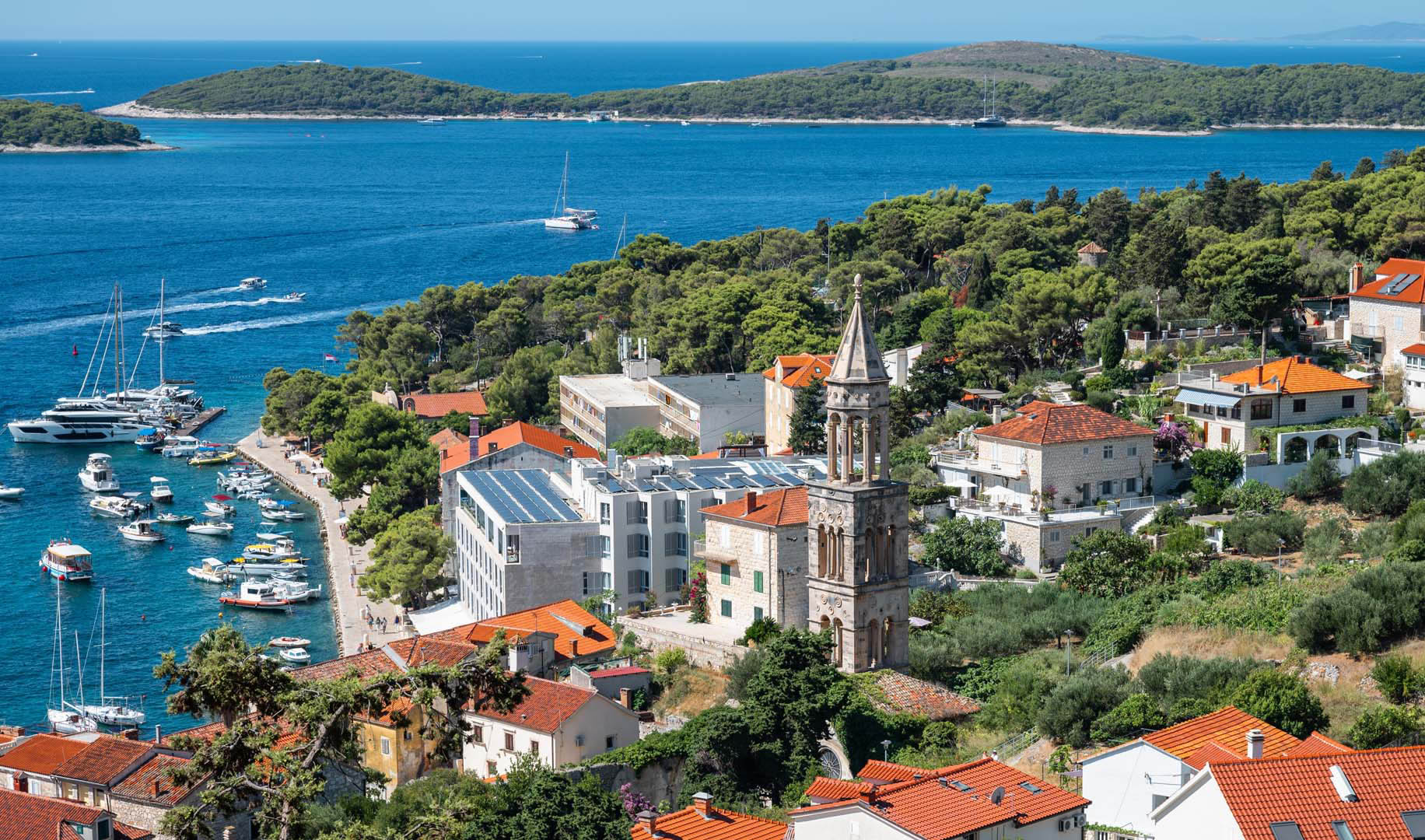
Trading the Hamptons for Hvar: A Summer on Croatia’s Most Glamorous Island
Categories
- Art
- Articles
- Business of Luxury
- Celebrities
- Culture
- Entertainment
- Events
- Faces of Summer 2026
- Fashion
- Fashion & Style
- Featured
- Finance
- Food, Spirits, Wine
- Hamptons
- Hamptons Celebrities
- Health
- Health & Beauty
- Lifestyle
- Luxury Lifestyle
- Press
- Profiles
- Real Estate
- Technology
- The Chronicles
- Travel
- Uncategorized
- Weddings