
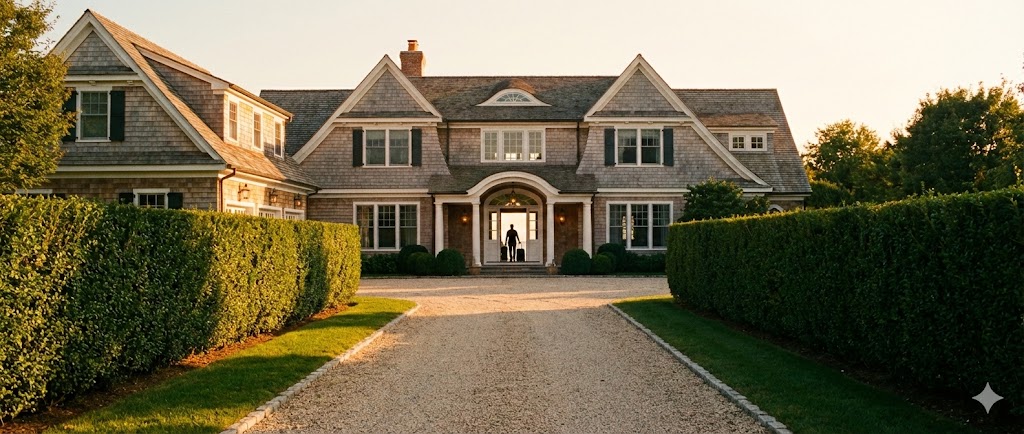
The helicopter descends over potato fields that once fed colonial soldiers. Below, a patchwork of hedgerows conceals estates worth more than some countries’ GDP. The Atlantic glitters on one side. Peconic Bay stretches calm on the other. Somewhere between those two bodies of water lies the answer to a question people have been asking for over a century: what makes the Hamptons different from everywhere else?
This guide answers that question with everything you need to know about Hamptons living. Not the Instagram version. Not the reality television caricature. The real thing: where to stay, where to eat, which beaches matter, how the real estate works, and the unwritten rules that separate insiders from tourists. Consider it the accumulated knowledge you’d gain from twenty summers out East, compressed into a single resource.
The Hamptons operate by different rules than anywhere else in America. Understanding those rules transforms a visit from expensive tourism into genuine experience. What follows is everything the locals know but rarely share.
Understanding Where the Hamptons Actually Are
Where are the Hamptons? The question comes up constantly, usually from someone who just received an invitation or discovered their boss summers out East. The short answer: a collection of seaside communities on Long Island’s South Fork, approximately 80 miles east of Manhattan. The longer answer involves geography, social dynamics, and transportation logistics that have shaped one of America’s most exclusive resort communities.
Long Island extends east from New York City for approximately 118 miles. At its eastern end, the land splits into two peninsulas. The northern finger is the North Fork, known for vineyards and agricultural charm. The southern finger is the South Fork, home to the Hamptons. The distinction matters because visitors often confuse them.
The Hamptons occupy the majority of the South Fork, a narrow strip bordered by the Atlantic Ocean to the south and Peconic Bay to the north. This geography creates the defining characteristic: the peninsula is never more than ten miles wide, and in some places narrows to less than a mile. Ocean beaches line the southern shore while calmer bay waters provide harbors and marinas to the north. The dual-water positioning offers both dramatic oceanfront settings and protected anchorages within close proximity.
The region stretches approximately 30 miles from Westhampton in the west to Montauk Point at the eastern tip. Montauk Point Lighthouse, commissioned by George Washington in 1796, marks the easternmost point of New York State. From Manhattan, the drive ranges from 80 miles to Westhampton to nearly 130 miles to reach Montauk.
Officially, the Hamptons comprise just two townships: the Town of Southampton and the Town of East Hampton. Within those townships, distinct villages and hamlets have developed their own characters over more than a century.
The Villages: A Complete Breakdown
Each Hamptons village attracts a different crowd and offers a different experience. Choosing the right base determines everything about your summer.
Southampton: Old Money and Tradition
Southampton Village is where American society summers, and has since the Gilded Age. The architecture tells the story: shingled mansions on tree-lined streets, white picket fences, and an atmosphere of restrained elegance that values discretion over display.
Jobs Lane provides the commercial center, offering boutique shopping and outdoor dining. Coopers Beach consistently ranks among America’s finest, with powdery white sand and excellent facilities. The Meadow Club and Shinnecock Hills Golf Club represent the pinnacle of private club culture, with waiting lists measured in decades.
Meadow Lane runs along Southampton’s oceanfront, earning its nickname “Billionaires Row” through the concentration of ultra-wealthy residents. La Dune, an oceanfront estate at Gin Lane, sold at auction in January 2024 for a combined $88.48 million. The hedges grow tall enough to hide houses that could fit a hundred guests.
Southampton attracts old money, finance executives, and anyone who values tradition over trendiness. The crowd skews older and more formal than East Hampton.
East Hampton: Celebrity and Culture
East Hampton Village combines cultural prestige with celebrity proximity. Guild Hall provides a legitimate art museum and theater. The town pond and windmill create the quintessential Hamptons photograph. The cemetery contains the remains of Jackson Pollock.
Main Street offers upscale shopping alongside historic architecture. The atmosphere feels slightly more relaxed than Southampton, though equally expensive. Main Beach features an on-site restaurant and tends younger and more energetic than Coopers Beach.
Further Lane contains some of the most valuable residential real estate in America. Barry Rosenstein’s $147 million purchase set records. Jerry Seinfeld’s 12-acre compound includes a 22-car garage for his Porsche collection. Steven Spielberg, Martha Stewart, and Paul McCartney maintain estates here.
Georgica Pond attracts those who prefer water views without beach easements. Jay-Z and Beyoncé’s estate here provides the privacy that oceanfront properties, with their public access requirements, cannot match.
Sag Harbor: Maritime Charm
A former whaling port, Sag Harbor developed a distinct identity as a year-round community with a creative class population. Writers, artists, and professionals who prioritize village character over seasonal spectacle have made it their home for decades.
The whaling-era architecture remains intact. Main Street provides walkable shopping and dining. The working harbor creates atmosphere that newer developments cannot replicate. Christie Brinkley has maintained presence here for decades. Julie Andrews is considered a local.
Le Bilboquet Sag Harbor has become unofficial headquarters for summer deal-making. The horseshoe bar attracts celebrities and CEOs who understand that the Cajun chicken matters less than the conversations happening at adjacent tables. The American Hotel, operating since 1846, offers historic charm with an exceptional wine list.
Bridgehampton: Equestrian and Agricultural
Bridgehampton masterfully blends rustic countryside charm with refined luxury. The village is best known for its deep-rooted equestrian culture, hosting the prestigious Hampton Classic horse show every summer. The landscape features sprawling horse farms, scenic vineyards like the celebrated Wölffer Estate, and quaint farm stands.
Almond restaurant has been quietly feeding Bridgehampton’s creative class for years. The vibe is equal parts bohemian and brasserie, with brick walls, laughter, and wine bottles stacked like trophies. Topping Rose House, an 1842 manor with a Jean-Georges restaurant, offers the village’s most refined hospitality.
Bridgehampton attracts tech wealth, younger finance principals, and buyers who want contemporary estates with modern amenities rather than historic renovation projects.
Sagaponack: Extreme Wealth
One of the smallest and wealthiest communities in the Hamptons, Sagaponack consistently ranks among the most expensive zip codes in America. Agricultural preservation rules limit development, creating permanent scarcity. Ira Rennert’s 110,000-square-foot Fair Field estate sits here, the largest private residence in America.
The potato fields that surround the village aren’t decorative. They’re protected by zoning that ensures Sagaponack retains its agricultural character even as property values reach stratospheric levels.
Amagansett: Creative and Relaxed
Amagansett maintains a slightly more relaxed atmosphere than East Hampton Village despite being just a few miles east. The hamlet attracts creative professionals who want proximity to the scene without being in the center of it.
Sarah Jessica Parker and Matthew Broderick own a charming cottage here. Scarlett Johansson shops at the local farm stands. Indian Wells Tavern draws Jimmy Fallon, Kelly Ripa, and Ethan Hawke for family-friendly dining.
The Lobster Roll restaurant, known locally as “LUNCH,” represents Hamptons tradition in its purest form. The neon sign has been photographed more than most celebrities.
Springs: Artist Colony Legacy
Located on the northern side of the South Fork, Springs developed as an artists’ community in the mid-20th century when Abstract Expressionists including Jackson Pollock and Lee Krasner made it their home. The creative concentration created a different atmosphere than the more manicured villages.
Real estate professionals predict Springs will be one of the “it” destinations over the next five years. The neighborhood maintains Accabonac Harbor access and authentic maritime character while remaining affordable relative to East Hampton proper. Cindy Sherman and architect Annabelle Selldorf have moved in recently.
Montauk: Surf Culture and End of the Line
The end of the line, literally. Montauk sits at Long Island’s easternmost point, offering a more casual surf culture atmosphere that distinguishes it from the villages to the west. The working fishing harbor, state park, and lighthouse create a different vibe than the manicured estates of Southampton or East Hampton.
Ditch Plains is known for exceptional surfing conditions, attracting athletes and adventurers rather than passive sunbathers. Robert De Niro owns oceanfront property here, inherited from his father. The Surf Lodge draws Wall Street types who want to feel like they’re in a surf magazine without actually surfing.
Montauk has attracted younger visitors and a more diverse crowd in recent years. The area is undergoing a real estate boom while maintaining enough edge to attract buyers who find East Hampton too pretentious.
Hampton Bays: Value and Authenticity
Hampton Bays offers the most budget-friendly entry to the Hamptons proper. In Q1 2025, the area saw a 65% jump in homes sold year-over-year and a 130% increase in sub-$500K transactions. East Quogue’s median sits at $874,000, the lowest in the region.
Geography creates opportunity. Hampton Bays touches three major bodies of water: Peconic Bay, Shinnecock Bay, and Tiana Bay. This positioning grants residents unparalleled boating access. The area attracts boat lovers and offers legitimate Hamptons addresses for commuters who can tolerate the drive.
Cowfish offers canal views from its expansive patio and dock, making it one of the few Southampton-area restaurants accessible by boat. The year-round community creates rental income opportunities beyond seasonal markets.
The Restaurant Scene: Where to Eat
The Hamptons restaurant scene operates as both dining and social infrastructure. The right reservation signals that you belong. The wrong choice reveals you don’t. Understanding the hierarchy matters as much as understanding the menus.
The Power Restaurants
Nick & Toni’s holds the consensus title for East Hampton fine dining, having defined the category since 1988. The wood-fired Mediterranean cuisine draws celebrities ranging from Jack Nicholson to Paul McCartney. The patio seating offers the scene while maintaining culinary excellence. Reservations are essential and difficult to secure during peak season.
Le Bilboquet Sag Harbor operates under a deceptively simple premise: transport the Upper East Side’s most coveted dining room to a marina overlooking bobbing sailboats. What began as a 35-seat Manhattan institution in 1986 has evolved into a global phenomenon, yet the Sag Harbor outpost retains something the others cannot replicate: waterfront magic that makes St. Tropez feel like a reasonable comparison.
75 Main in Southampton delivers the table that doubles as a social statement. Owner Zach Erdem has built what is arguably Southampton’s most photographed dining room, where the celebrity sightings are as reliable as the cacio e pepe. Leonardo DiCaprio, the Kardashians, Paris Hilton, and Jon Bon Jovi have all walked through its French doors.
Sant Ambroeus Southampton remains the gold standard for those who equate elegance with ease. The espresso is ceremonial, the gelato divine, the seafood precise. The Milanese institution’s Hamptons outpost serves power breakfast meetings and afternoon aperitivo with equal polish.
Legacy Restaurants
The American Hotel in Sag Harbor has been serving since 1846. The building dates to 1792. The wine list routinely ranks among America’s finest. This is the restaurant that existed before the money came and somehow kept existing after, offering historic charm without performance.
The Lobster Roll restaurant in Amagansett represents Hamptons tradition in its purest form. The neon “LUNCH” sign has drawn everyone from Sarah Jessica Parker to construction workers on break. The classic lobster rolls served in casual roadside settings have anchored summer memories for decades.
The Maidstone reopened in 2024 under LDV Hospitality, bringing Scarpetta’s legendary spaghetti to a 150-year-old inn on East Hampton’s Main Street. The transformation brought “La Dolce Vita” to the East End, combining historic charm with contemporary Italian excellence.
Waterfront Dining
Duryea’s Montauk owns the waterfront category with enviable positioning right on the water. The lobster bakes and shellfish platters taste better when Atlantic waves provide the soundtrack. The sunset views transform ordinary dinners into memorable experiences.
Navy Beach delivers on the promise of chill vibes and beachy cocktails. The sunset tables rank among the best in the entire Hamptons. Strategic diners book early, understanding that positioning matters as much as the menu.
Scarpetta Beach at Gurney’s Montauk Resort combines Italian elegance with oceanfront drama. The lobster tagliolini nero showcases fresh lobster in spicy tomato sauce while the chic interior complements coastal settings perfectly.
The Casual Essentials
Bostwick’s Chowder House exemplifies casual done right. Bobby Flay, Alec Baldwin, and Neil Patrick Harris come for fried clams in a no-frills beach setting. The lack of pretension creates genuine interactions impossible at stuffier venues.
Round Swamp Farm in East Hampton provides prepared foods and baked goods that draw everyone from locals to boldface names. Kelly Ripa sightings are practically guaranteed during peak season.
New Arrivals 2025-2026
Swifty’s at The Hedges Inn has captured the social scene as 2025’s most talked-about opening. Lucky’s Steakhouse replaced the beloved Cove Hollow Tavern, bringing Montecito’s California energy to East Hampton. Camp Rubirosa brings their famous Tie-Dye Pizza from Nolita for the summer season.
Hotels and Accommodations
The best Hamptons hotels aren’t just places to sleep. They’re social infrastructure where connections form over breakfast and deals close by the pool.
The Landmark Properties
Gurney’s Montauk commands the cliffside with oceanfront drama. The seawater spa provides genuine wellness programming. The pool scene attracts a sophisticated crowd that understands quality over flash. The resort functions as unofficial headquarters for deal-makers who prefer Montauk’s edge to Southampton’s formality.
Topping Rose House in Bridgehampton towers as an 1842 manor with Michelin-adjacent dining. Jean-Georges Vongerichten’s kitchen attracts serious food lovers. The verandas provide the setting for conversations that move markets.
The 1770 House in East Hampton offers the most refined boutique experience in a historic setting. Feather beds, fireplaces, and a restaurant that draws literary types for lunch. The intimate scale creates privacy that larger resorts cannot match.
The Boutique Scene
Hedges Inn in East Hampton whispers welcome from a 19th-century colonial now cradled by stewards who know discretion’s art. Post-revamp, this property attracts elites who return not for the pool but for the paths where paths cross fatefully.
Baron’s Cove in Sag Harbor balances nautical nods with harbor views. The flexibility of day passes lets visitors test the atmosphere before committing. The harborside happy hours attract a creative crowd.
Southampton Inn stands as proof that history can be hosted. Tudor towers on five lush acres provide walkability to Jobs Lane’s bistros and Coopers Beach.
Montauk Yacht Club revives classics with sixteen acres of island idyll. The 107-room property post-2023 glow offers spa, pools, and private beach. Yacht owners dock here for fortified familiarity without fanfare.
The Budget Considerations
Hamptons accommodations run expensive during peak season. Memorial Day through Labor Day commands premium rates everywhere. The strategic alternatives include shoulder season visits, weeknight stays, and looking west toward Hampton Bays where rates drop significantly.
Canoe Place Inn in Hampton Bays offers waterfront wings at more accessible price points. The eclectic edges and marina views provide genuine Hamptons atmosphere without Southampton pricing.
The Beaches: A Strategic Guide
The Hamptons beaches stretch for miles, but access and atmosphere vary dramatically. Choosing the right beach signals as much about you as your address.
The Prestige Beaches
Coopers Beach in Southampton consistently ranks among America’s finest beaches. The powdery white sand, excellent facilities, and lifeguard coverage make it the default choice for families and anyone who values amenities. Parking costs $50 for non-residents during peak season, which functions as a soft filter on the crowd.
Main Beach in East Hampton offers different advantages. The on-site restaurant and bar mean you can transition from sun to socializing without leaving the beach. The central location makes Main Beach accessible for those staying in East Hampton Village. The scene here tilts younger and more energetic than Coopers.
The Surf Beaches
Ditch Plains in Montauk represents the Hamptons for surf culture enthusiasts. Known for exceptional surfing conditions, this beach attracts athletes and adventurers rather than passive sunbathers. Choosing Ditch Plains over Southampton beaches signals you prioritize authenticity over traditional luxury markers.
The Private Options
The Hamptons beach clubs increasingly capture the summer scene. Dune Deck requires a $2 million buy-in for access to 33 suites, water sports, and beachfront dining. The membership model creates exclusivity that public beaches cannot match.
Atlantic Beach Club in Amagansett and Maidstone Club in East Hampton offer beach access to members, with waiting lists that stretch years. The clubs provide the infrastructure for relationships that extend beyond summer.
Real Estate: Understanding the Market
The Hamptons real estate market operates by different principles than typical housing markets. Understanding those principles matters whether you’re buying, renting, or simply trying to comprehend why your neighbor paid $50 million for a house.
The Price Hierarchy
Location determines everything. Being “south of the highway” (Route 27) commands premiums over north-of-highway properties. Oceanfront commands premiums over everything else. The specific village creates its own hierarchy: Southampton and East Hampton at the top, Hampton Bays at the entry level.
According to Q3 2025 data, the median sale price settled at $2.05 million. While that represents a slight decrease from the previous year’s peak, it remains nearly double pre-pandemic levels. The real story, however, is at the top of the market. Sales between $10 million and $20 million increased by 43% year-over-year, and deals above $20 million surged by 33%.
Why Prices Stay High
The high valuations aren’t arbitrary. Finite land creates structural scarcity. Strict zoning laws and vast swaths of land protected as agricultural reserves prevent new development. This built-in scarcity forms the bedrock of property values, ensuring they hold firm and appreciate over time.
The scarcity meets unrelenting demand from a global pool of ultra-high-net-worth individuals. For them, a Hamptons home is more than a summer getaway. It’s a tangible asset, a powerful status symbol, and a key that unlocks one of the world’s most exclusive social circles.
The Rental Alternative
The rental market has fundamentally shifted since COVID. According to CNBC reporting, summer rentals are down 30% from previous years, with ultra-high-end properties seeing drops between 50% and 75%. Thousands purchased Hamptons homes during COVID’s low-rate window, and 75% of pandemic-era buyers now rent their properties rather than sell.
This creates opportunity for renters. Prices are down 15-25% from peak pandemic levels. Inventory has surged to over 3,500 listings. Negotiations that would have been laughed off in 2021 are now closing deals.
What things actually cost depends heavily on location and expectations. A “modest” Hamptons summer for a family of four renting in Hampton Bays with minimal staff runs $80,000-$120,000 all-in. A proper Southampton Village experience with private chef, club memberships, and appropriate maintenance easily exceeds $500,000 for the season.
Celebrity Properties
Celebrity Hamptons homes reveal more about American wealth than any Forbes list. Entertainment celebrities grab headlines, but finance titans quietly control the most valuable addresses.
Howard Stern lives in Southampton year-round. Sylvester Stallone paid full asking price for a $25 million estate at 9 Hither Lane in East Hampton Village. Jerry Seinfeld purchased Billy Joel’s 12-acre East Hampton estate in 2000 for $32 million, then a record.
The Social Calendar
The Hamptons social calendar runs nonstop from Memorial Day through Labor Day, with benefits, galas, and fundraisers that define the season. Understanding which events matter separates tourists from participants.
The Signature Events
Polo Hamptons returns July 18 and July 25, 2026, to Bridgehampton. The East End’s premier sporting and social event combines world-class polo with networking infrastructure. Events run 4 PM to 7 PM with open bar, hors d’oeuvres, and preferred seating. Only 900 tickets are available per match, and tickets are not sold at the event.
The Hampton Classic horse show celebrates its 50th anniversary August 24-31, 2025, at Bridgehampton. This world-class equestrian competition draws riders from across the globe, from young children in leadline classes to Olympic medalists in elite show jumping. The show features more than 200 classes across six rings, with over $1 million in prize money.
The Parrish Art Museum Midsummer Party highlights the cultural calendar, attracting art enthusiasts, collectors, and philanthropists. Held at the museum’s Herzog & de Meuron space in Water Mill, the evening includes seated dinner, live music, and dancing.
The Hamptons International Film Festival runs in October, named one of MovieMaker Magazine’s 25 Coolest Film Festivals in the World. The event presents 85 features and 57 shorts spanning global cinema.
The Charity Circuit
Southampton Hospital Foundation, Watermill Center Benefit, Ellen Hermanson Foundation, Southampton Animal Shelter. The events aren’t just parties. They’re the infrastructure where relationships become opportunities.
Luxury brand activations create additional social infrastructure throughout the season. From waterfront pop-ups to estate dinners, the events provide networking opportunities disguised as entertainment.
The Unwritten Rules
The Hamptons operate by codes that outsiders rarely understand. Following them signals belonging. Violating them signals tourist.
Dress Code
The old money aesthetic values discretion over display. The flashiest cars often belong to summer renters. Long-term residents prefer their wealth invisible. Expensive-casual is the goal: look like you belong at a nice restaurant without appearing overdressed.
Avoid swimwear, athletic gear, and overly casual flip-flops at dinner establishments. But don’t overdress either. Anyone in obvious designer logos immediately marks themselves as trying too hard.
Celebrity Protocol
No paparazzi: Unlike NYC or LA, photographers don’t stake out Hamptons restaurants or beaches. The occasional iPhone snap happens, but aggressive photography is socially unacceptable.
Don’t approach: The local etiquette is clear—acknowledge with a nod if eye contact happens, but don’t interrupt someone’s dinner or family time. This respect for privacy is why celebrities feel comfortable being in public.
Reservation Strategy
During summer season (Memorial Day through Labor Day), reservations are essential at all fine dining establishments. Book 2-4 weeks ahead for popular restaurants. Thursday night has emerged as the new Friday for savvy diners looking to avoid weekend crowds while still catching the social scene.
Traffic Reality
Friday afternoon traffic from Manhattan can extend the 90-mile journey to four or five hours. The experienced leave early (before noon) or late (after 8 PM). Sunday return traffic creates similar delays. The helicopter and seaplane options that seem excessive to outsiders often represent time arbitrage for busy professionals.
Getting There
Transportation options reveal priorities and budgets. Each choice signals something about who you are and why you’re coming.
By Car
Most visitors drive. Take the Long Island Expressway (I-495) to Exit 70, then Route 27 (Sunrise Highway, which becomes Montauk Highway) east. The distance from Manhattan to Southampton is approximately 90 miles. Allow two hours under ideal conditions, four or more on Friday afternoons during peak season.
By Train
The Long Island Rail Road runs from Penn Station to various Hamptons stops. The journey takes roughly three hours. The “Cannonball” express service on summer Fridays reduces travel time. The train attracts a mix of locals and visitors who don’t want to deal with traffic.
By Helicopter or Seaplane
Blade and other services offer helicopter transfers from Manhattan that take approximately 40 minutes. Seaplanes land directly in the water at various Hamptons locations. The cost ($795-$1,500 each way) represents a luxury for most but a time investment for those whose hourly rate justifies the expense.
By Jitney
The Hampton Jitney provides coach bus service from multiple Manhattan locations. The journey takes 2-3 hours depending on traffic and stop configuration. The WiFi-equipped buses attract professionals who want to work during transit.
The Hamptons Year-Round
While summer dominates the Hamptons narrative, the off-season offers a completely different experience. Locals dominate, wait times disappear, and chefs often experiment with seasonal specials.
Many seasonal restaurants close between October and May, but year-round establishments like The American Hotel, 75 Main, Sant Ambroeus, and Nick & Toni’s maintain full operations. Winter dining offers easier reservations, prix fixe specials, and a more intimate atmosphere.
Real estate activity continues year-round, often at better valuations. The off-season presents opportunities as inventory increases and sellers become more willing to negotiate.
Your Hamptons Strategy
The Hamptons reward preparation. The visitors who arrive understanding the villages, the restaurants, the beaches, and the unwritten rules have experiences that transform tourism into belonging. Those who arrive expecting Instagram to have told them everything they need to know get exactly the surface-level experience they’ve prepared for.
The hedges hide extraordinary lives. The restaurants serve people who built empires from nothing. The beaches stretch toward a horizon that looks exactly like earned success feels. The question isn’t whether the Hamptons are worth understanding. The question is whether you’re ready to understand them.
This guide provides the foundation. The application is up to you.
Connect With Social Life Magazine
Get Featured: Contact Social Life Magazine for advertising, features, and brand partnership opportunities.
Polo Hamptons 2026: Experience the season’s premier sporting and social event at Polo Hamptons. Tickets, cabanas, and sponsorship opportunities available.
Stay Connected: Subscribe to our email list for exclusive event invitations and insider access.
Print Subscription: Get Social Life Magazine delivered—the Hamptons’ luxury lifestyle authority since 2000.
Support Independent Journalism: Donate $5 to support our coverage.
Related Reading
Celebrities in the Hamptons 2025: Who’s Here and Where to Spot Them
Self-Made Millionaires: The Origin Stories Behind America’s Greatest Fortunes
Author

Written by
Recent Posts
What Goes Into Planning a Professional Furnace Installation?
Why Sports Card Collecting Is More Than Just a Hobby
From Signature Scents to Scent Wardrobes: The Evolution of Personal Fragrance

Beyond the Booth: How Exhibition Design Is Creating New Brand Experiences
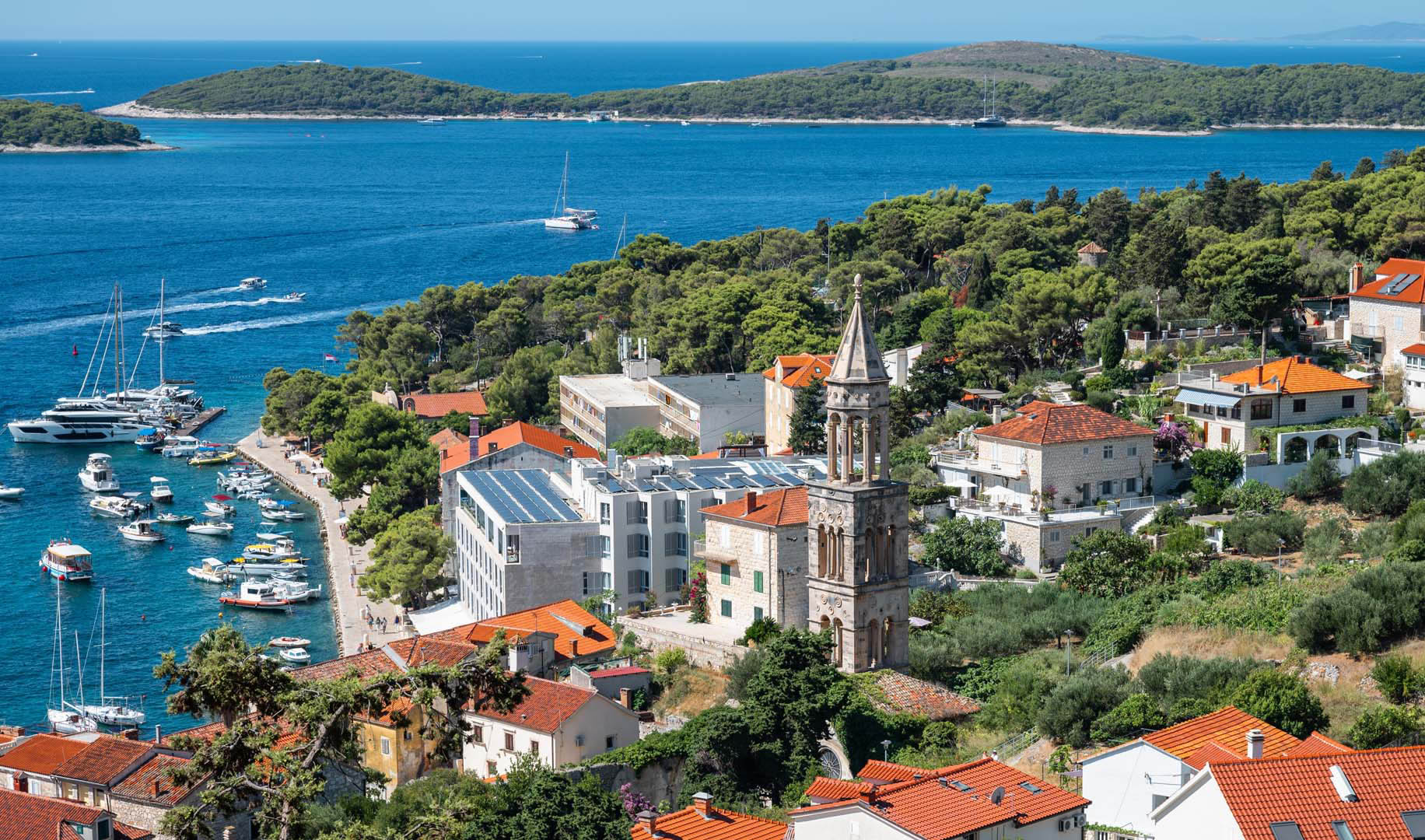
Trading the Hamptons for Hvar: A Summer on Croatia’s Most Glamorous Island
Categories
- Art
- Articles
- Business of Luxury
- Celebrities
- Culture
- Entertainment
- Events
- Faces of Summer 2026
- Fashion
- Fashion & Style
- Featured
- Finance
- Food, Spirits, Wine
- Hamptons
- Hamptons Celebrities
- Health
- Health & Beauty
- Lifestyle
- Luxury Lifestyle
- Press
- Profiles
- Real Estate
- Technology
- The Chronicles
- Travel
- Uncategorized
- Weddings