
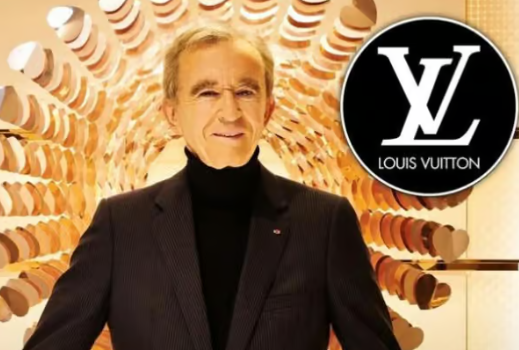
In 1984, a young French engineer heard the government was looking for someone to rescue a bankrupt textile company. He bought it for one franc. Then he fired 9,000 people in two years. They called him “The Terminator.”
Four decades later, Bernard Arnault’s net worth hovers around $190 billion. He owns Louis Vuitton, Dior, Tiffany, Moët, and 70 other luxury brands. And in April 2023, he paid $22 million for a single retail building in East Hampton, setting the highest price-per-square-foot record in Hamptons commercial real estate history.
Estimated Net Worth: $190 billion (Forbes, December 2025)
Source of Wealth: 48% stake in LVMH, real estate, wine, yachts, hotels
Company: LVMH Moët Hennessy Louis Vuitton (market cap ~$328 billion)
2024 Revenue: €84.7 billion ($91.6 billion)
Arnault overtook Elon Musk as the world’s richest person in December 2022 and has repeatedly traded the top spot since. At various points in 2023 and 2024, his net worth exceeded $230 billion. The majority of his fortune derives from his 48% stake in LVMH, held primarily through his 97.5% ownership of publicly traded Christian Dior.
The Wound: Catholic Discipline and Engineering Excellence
Bernard Jean Étienne Arnault was born on March 5, 1949, in Roubaix, an industrial town in northern France. His father, Jean Léon Arnault, owned a civil engineering company. His mother, Marie-Josèphe Savinel, was a pianist with a “fascination for Dior,” a detail that reads like destiny.
Raised in “strict Catholic-Auvergne style” by his devoutly Catholic grandmother, young Bernard took classical piano lessons and attended elite Catholic boarding schools. The environment demanded discipline, achievement, and excellence. Unlike the deprivation other fashion moguls faced, Arnault’s childhood was marked by relentless pressure to optimize, to improve, to win.
The Engineer’s Mind
Arnault graduated from École Polytechnique, France’s most prestigious engineering school, in 1971. This analytical training would become his signature: he approaches fashion not emotionally but strategically, viewing luxury brands as undervalued assets awaiting optimization. While other designers create, Arnault calculates.
The Chip: From One Franc to One Trillion
After convincing his father to pivot from construction to real estate, Arnault learned the formula for his future: acquire distressed assets, restructure ruthlessly, and amplify the brand. In 1984, he put this into practice by acquiring Boussac Saint-Frères, a bankrupt textile conglomerate that owned Christian Dior.
With $15 million of his own money and backing from Lazard Frères, Arnault bought Boussac for a ceremonial one franc. He sold nearly all assets, kept only Dior and Le Bon Marché, and earned nicknames like “The Terminator” and “The Wolf in Cashmere” for his willingness to cut deep.
The LVMH Takeover
In 1987, Arnault was invited to invest in LVMH, the newly merged conglomerate of Louis Vuitton and Moët Hennessy. Through a joint venture with Guinness, aggressive stock purchases, and corporate maneuvering, he gained control by 1989. Over the following decades, he acquired Céline, Berluti, Kenzo, Givenchy, Fendi, TAG Heuer, Bulgari, and Tiffany & Co., building a portfolio of over 75 brands.
The Rise: The Pope of Fashion
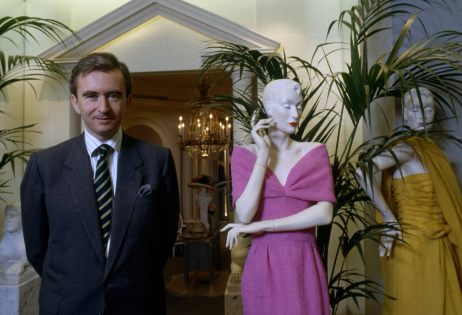
Arnault’s genius wasn’t just financial. He recognized creative talent, appointed John Galliano to Givenchy, then moved him to Dior and hired Alexander McQueen. He then brought Marc Jacobs to Louis Vuitton. These weren’t safe choices; they were calculated risks that revitalized heritage houses with controversial creative vision.
Women’s Wear Daily dubbed him the “Pope of Fashion.” LVMH’s 2021 acquisition of Tiffany & Co. for $15.8 billion remains the largest luxury brand acquisition in history. Today, LVMH employs over 200,000 people across fashion, jewelry, watches, wine, and hospitality.
The Location: $22 Million for Main Street
In April 2023, Arnault paid $22 million for 1 Main Street in East Hampton, a 5,000-square-foot retail property at the corner of Main Street and Newtown Lane. The price represented $4,400 per square foot, the highest ever recorded in Hamptons commercial real estate.
The seller was Elie Tahari and his son Jeremy, who had owned the building since 2006. Within months, Arnault opened a Louis Vuitton boutique on the site, joining Chanel, Prada, and Valentino on what has become fashion’s most expensive retail corridor east of Fifth Avenue.
The Strategic Play
Unlike Tom Ford’s residential purchase, Arnault’s acquisition is commercial. The world’s richest man didn’t buy a house in the Hamptons; he bought a storefront. It’s not about personal retreat but about brand positioning. Jordan Sutton of Cushman & Wakefield noted: “Luxury brands such as LVMH have embraced the East End of Long Island, not just on a seasonal basis but a full-time lifestyle.”
The Dynasty: Five Children, Five Brands
Arnault has been married twice: to Anne Dewavrin (1973-1990) and to Hélène Mercier (1991-present). His five children all hold executive positions within LVMH: Delphine serves as CEO of Christian Dior Couture; Antoine oversees communications and image; Alexandre was appointed deputy CEO of the wine and spirits division in 2025; Frédéric leads TAG Heuer; Jean works in the watchmaking division.

The engineer’s son from Roubaix has built a family empire that rivals European royal houses.
Fashion Mogul Net Worth Series
Bernard Arnault leads a new generation of fashion billionaires transforming the Hamptons. Explore the complete series:
- Tom Ford Net Worth 2025: From Texas Outsider to $2 Billion Empire
- Elie Tahari Net Worth 2025: From Israeli Orphanage to Oceanfront Empire
- Michael Kors Net Worth 2025: The Long Island Boy Who Renamed Himself
- Ralph Lauren: The Bronx Kid Who Sold America Its Dream
- Giorgio Armani Net Worth: The $12 Billion Designer Who Never Sold Out
- Valentino Garavani Net Worth: The $1.5 Billion Master of Red Carpet Fashion
- Donatella Versace New Worth 2025: The Replacement Child That Built an Empire
For more insider perspectives on the personalities shaping Hamptons luxury, visit Social Life Magazine.
Experience luxury lifestyle at Polo Hamptons.
Contact us for features and partnership opportunities.
Author

Written by
Recent Posts

Why the Supplement Market Is Shifting From More Products to Smarter Choices
5 Ways Engraved Custom Trophies Boost Employee Engagement
Creating Beautiful Mix-and-Match Tablescapes for Any Occasion
Is It Cheaper to Drive or Ship Your Car? We Ran the Numbers
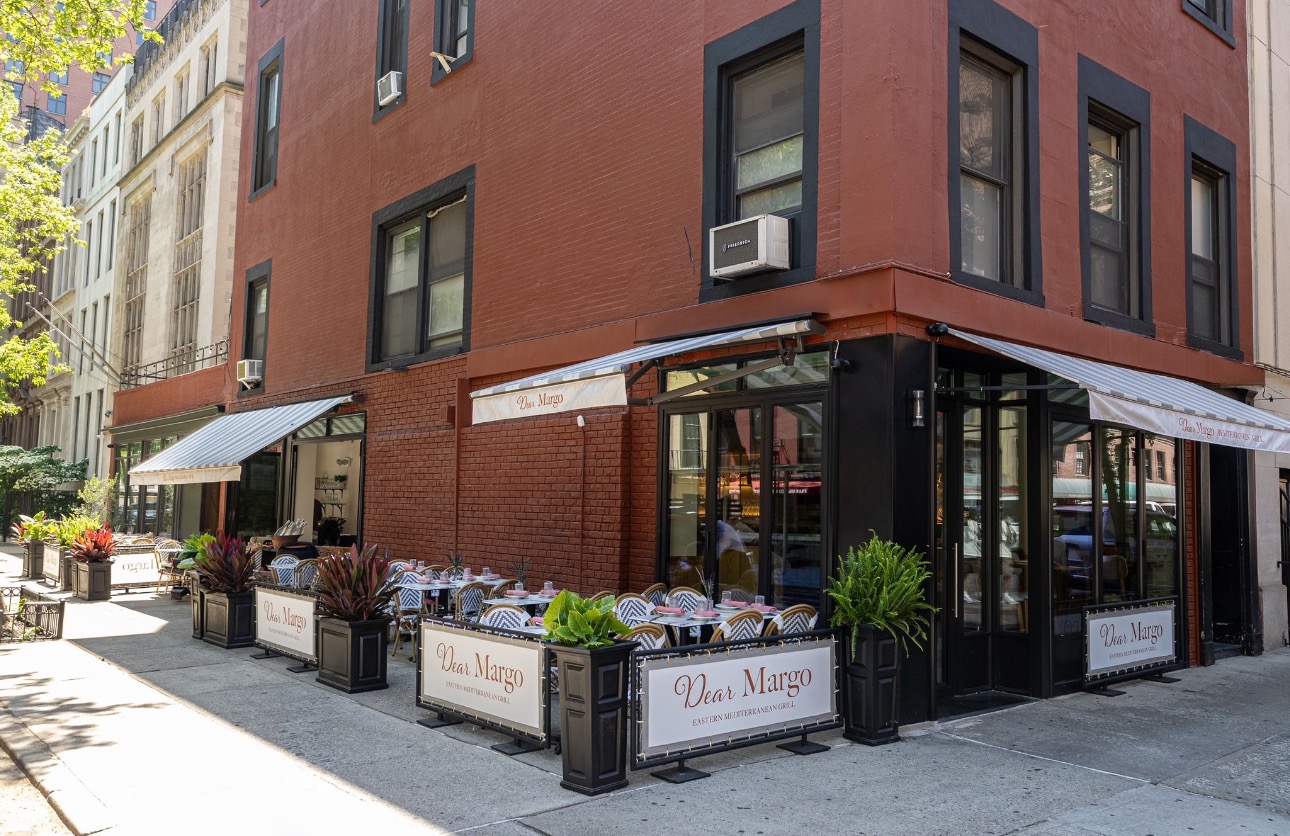
Dear Margo: Restaurateur Dean Pashilis’ Tribute to Family, Food and Hospitality
Categories
- Art
- Articles
- Business of Luxury
- Celebrities
- Culture
- Entertainment
- Events
- Faces of Summer 2026
- Fashion
- Fashion & Style
- Featured
- Finance
- Food, Spirits, Wine
- Hamptons
- Hamptons Celebrities
- Health
- Health & Beauty
- Lifestyle
- Luxury Lifestyle
- Press
- Profiles
- Real Estate
- Technology
- The Chronicles
- Travel
- Uncategorized
- Weddings