
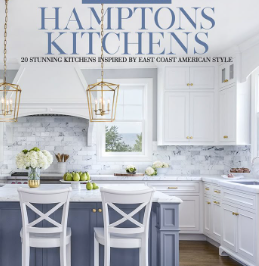
A restaurateur with three James Beard nominations asked to see my friend’s kitchen during a dinner party. He expected staff. He found a Cosori air fryer, an AeroPress, and a single well-worn Zwilling knife. “You understand something most home cooks don’t,” he said. “It’s never about how much equipment you have. It’s about whether what you have actually works.”
That observation distills everything wrong with how most people approach kitchen outfitting. The Williams Sonoma wedding registry model encourages accumulation: gadgets for every conceivable task, specialty tools used once then banished to drawers. Meanwhile, professionals and serious home cooks converge on remarkably similar essentials that handle 90% of cooking needs without demanding cabinet real estate or mastery time.
This guide covers three categories that define the Hamptons kitchen: the knife that does everything, the coffee method that signals understanding, and the appliance that multiplies hosting capacity. These aren’t the only tools that matter. They’re the foundation everything else builds upon. Get these right, and the rest becomes refinement rather than rescue.
The Philosophy: Investment Over Accumulation
Serious cooks share a counterintuitive approach to equipment: they own less but choose better. A professional chef’s personal kit often fits in a single bag. The essential tools earn their place through daily use; everything else represents distraction.
This minimalism isn’t asceticism. It reflects understanding that quality tools used skillfully outperform mediocre tools regardless of quantity. Furthermore, limited equipment forces technique development that no gadget can replace. The cook who masters one excellent knife develops capabilities that the cook rotating through a 20-piece set never acquires.
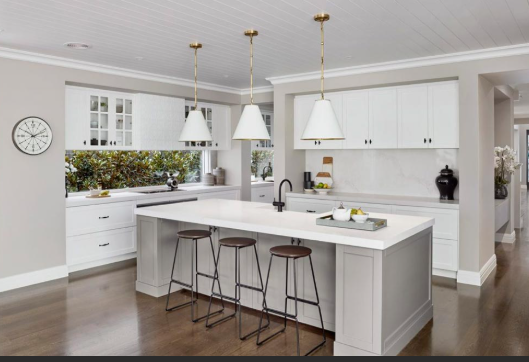
The 80/20 Kitchen Principle
Tim Ferriss popularized the observation that 80% of results typically come from 20% of inputs. Kitchens embody this principle dramatically. Most cooking requires a cutting surface, heat source, mixing vessel, and basic utensils. Everything beyond this core improves specific tasks without changing fundamental capability.
The three categories explored below represent that essential 20%: prep (knife), ritual (coffee), and execution (smart appliance). Master these, and elaborate recipes become achievable. Neglect them for gadget accumulation, and ambitious cooking remains perpetually frustrating. The investment math favors excellence in fundamentals over adequacy across categories.
Why Heritage and Innovation Both Matter
Equipment selection involves navigating two competing values: proven heritage and contemporary innovation. Pure traditionalists miss genuine technological improvements. Pure innovators ignore accumulated wisdom about what actually matters. The sophisticated approach honors both.
A 300-year-old knife company earned that longevity through consistent quality, not marketing. An engineer-founded appliance startup might solve problems that established players overlooked. Consequently, the best kitchen combines heritage where experience matters (blade forging) with innovation where technology genuinely advances capability (smart temperature control). Neither allegiance should become ideology.
Foundation One: The Knife That Does Everything
Every serious kitchen needs exactly one exceptional chef’s knife. Not a set. Not a collection. One knife that handles 90% of cutting tasks while other specialized tools handle occasional edge cases. This singular focus enables quality investment rather than compromised distribution across multiple mediocre blades.
Zwilling has forged knives in Solingen, Germany since 1731—older than American independence by 45 years. That heritage matters because blade-making rewards accumulated knowledge. The company’s FRIODUR ice-hardening process, 40-step forging sequence, and balance engineering reflect centuries of refinement that newcomers cannot replicate through mere investment.
What Heritage Buys You
Knife marketing emphasizes steel composition and hardness ratings. These matter less than casual consumers assume. What actually determines cutting performance involves factors that only experience teaches: balance point positioning, handle ergonomics during extended use, edge geometry optimized for specific tasks.
Zwilling’s Pro series embodies this accumulated wisdom. The blade weight distributes slightly forward of the bolster, enabling rocking cuts without wrist fatigue. The handle fills the palm without demanding grip attention. These details emerge from watching professional cooks for generations, not from lab optimization of isolated variables. As Serious Eats noted in their comprehensive testing, heritage brands consistently outperform newcomers in extended use scenarios.
The Summer Kitchen Demand
Hamptons cooking imposes specific knife demands. Fish arrives whole from Montauk and requires confident butchering. Farm stand vegetables come in volume that tests stamina. Multiple dinner parties per week accumulate prep time that would exhaust inferior equipment.
The investment calculus favors quality here particularly. A properly maintained Zwilling handles 20-30 years of this demanding use. Budget alternatives dull within months and require replacement cycles that ultimately cost more while delivering less throughout. Additionally, the second home context means equipment sits dormant for months—lesser blades might corrode or degrade while Zwilling’s steel maintains edge through storage.
Foundation Two: The Coffee Ritual That Signals Understanding
Morning coffee separates into two categories: fuel delivery and intentional ritual. The former demands only caffeine and speed. The latter creates a meditative transition between sleep and activity that centers the day ahead. Equipment choice signals which category the owner occupies.
The AeroPress emerged from a Stanford engineer’s garage, invented by Alan Adler after he’d already made a fortune designing the Aerobie flying disc. His methodology applied aerodynamics principles to coffee extraction: total immersion brewing, pressure-assisted filtration, and paper filters that capture oils while passing clean flavor compounds. The result costs $40 and outperforms machines priced 100 times higher.
What the $40 Plastic Tube Reveals
James Freeman built Blue Bottle into a $700 million coffee empire before Nestlé acquired it. His cafes house gleaming espresso machines worth more than cars. At home, he uses an AeroPress—the same device that wins the annual World AeroPress Championship where professional baristas compete.
This pattern recurs throughout the specialty coffee world. People who understand extraction science converge on the AeroPress not despite its modest appearance but because its design actually optimizes what matters. The 90-second brewing process enables consistency that technique-dependent methods like pour-over cannot match for casual users. Furthermore, the device travels anywhere, requires no electricity, and produces exceptional results regardless of location.
The Portable Excellence Factor
Hamptons living involves constant location-shifting: city apartment to beach house to rental property to friends’ kitchens. Maintaining coffee quality across these contexts typically requires duplicate expensive equipment or tolerance for inferior brewing.
AeroPress solves this elegantly. The entire kit weighs under a pound and nests into itself for travel. Hotel rooms, rental houses, and borrowed kitchens all become capable of excellent coffee with only a kettle for hot water. This portability makes the device particularly valuable for anyone who refuses accepting that location should determine morning ritual quality.
Foundation Three: The Appliance That Multiplies Hosting Capacity
Entertaining fails when cooking demands prevent hosting. The ambitious dinner party requires presence in two places: kitchen for execution, living room for conversation. Without help—human or technological—one function inevitably suffers.
Cosori emerged from California in 2016 with a thesis about bridging professional and home cooking capability. Their engineers recognized that commercial kitchen precision—exact temperature control, optimized airflow, programmable timing—could fit countertop footprints at consumer prices. The resulting appliances enable hosts to cook multiple courses simultaneously without monitoring any of them.
The Liberation From Hovering
Traditional cooking demands attention: sauces need stirring, proteins need flipping, timing needs watching. This monitoring burden explains why home cooks often simplify menus below their actual capability—the logistics of simultaneous dish completion exceed what single attention streams can manage.
Cosori’s smart appliances operate independently once programmed. Set temperature, set time, and the device manages itself while the host manages guests. The smartphone app enables remote monitoring without kitchen trips. Automatic shutoff prevents overcooking when conversation runs longer than anticipated. Consequently, ambitious menus become achievable because technology handles the logistics that previously required presence.
The Health-Conscious Crowd-Pleaser
Summer entertaining creates tension between guest satisfaction and host health consciousness. Fried foods remain universally popular. Serving them frequently conflicts with wellness-oriented households. This tension typically resolves through either menu compromise or nutritional concession.
Air frying technology dissolves this false choice. Cosori’s TurboBlaze system circulates superheated air to achieve crispy textures using 85% less oil than traditional frying. The results satisfy guests who want indulgence while meeting host standards for responsible feeding. Additionally, the separate cooking chamber accommodates dietary restrictions without cross-contamination concerns that complicate alternative preparation using shared equipment.
The Integration: How These Tools Work Together
Individual tool excellence matters less than systemic integration. The best kitchen operates as a coordinated system where each element supports the others. These three foundations complement rather than overlap: prep, ritual, execution covering distinct phases of cooking and hosting.
The morning begins with AeroPress ritual, centering the day through intentional coffee preparation. Menu planning follows, informed by what the Zwilling can handle (essentially everything). Execution divides between main oven for entrées and Cosori for appetizers and sides, parallelizing production that would otherwise serialize. The host remains present with guests because technology and equipment handle what previously required constant supervision.
The Guest Experience Impact
Guests perceive results without understanding process. The dinner party that flows smoothly, the appetizers that emerge perfectly timed, the host who seems relaxed rather than frantic—these experiences result from invisible kitchen infrastructure that enables visible graciousness.
Investment in foundation equipment generates returns through every gathering. The alternative—struggling with inadequate tools while attempting ambitious hospitality—accumulates stress that eventually shows. Similar to how thoughtful entertaining design shapes guest experience, kitchen equipment choice determines whether hosting feels achievable or exhausting.
The Compounding Quality Effect
Quality tools encourage skill development that budget alternatives discourage. A sharp knife invites vegetable prep that dull blades make tedious. Excellent coffee equipment motivates learning extraction variables. Smart appliances enable recipe experimentation that monitoring-dependent cooking discourages.
Over time, this encouragement compounds. The host who started with solid foundations develops capabilities that expand entertaining ambition. More complex menus become achievable. Guest impressed reactions reinforce further development. The initial equipment investment generates returns through capability growth that continues indefinitely.
The Investment Calculation
These three foundations total approximately $350-400 at quality levels: Zwilling Pro chef’s knife ($150), AeroPress complete kit ($40), Cosori TurboBlaze air fryer ($150-200). This investment covers perhaps 80% of cooking needs at professional-grade quality levels.
Compare this to the typical kitchen accumulation: drawer full of specialty gadgets ($200), mediocre knife set ($100), single-serve coffee machine with ongoing pod costs ($150 plus $500 annually), various appliances that see occasional use ($300+). This scattered spending totals more while delivering less. Furthermore, the foundation approach improves with use while the accumulation approach clutters with age.
The Cost-Per-Use Reality
Quality kitchen equipment costs more upfront and less over time. A Zwilling lasting 25 years at daily use costs roughly two cents per meal for prep tool excellence. The budget knife replaced every three years costs more over the same period while performing worse throughout.
This math recurs across categories. AeroPress consumables (paper filters) cost perhaps $5 annually versus $500+ for single-serve pods. Cosori’s durability and efficiency reduce replacement costs and energy consumption compared to cheaper alternatives that fail sooner and operate less efficiently. The sophisticated buyer calculates total cost of ownership rather than purchase price alone.
What You’re Really Buying
Beyond functional capability, foundation equipment purchases identity confirmation. The kitchen equipped with heritage blades, connoisseur coffee gear, and smart technology signals someone who thinks carefully about the art of living. Guests notice this curation even when they can’t articulate what they’re noticing.
This signaling matters in environments where hosting quality reflects on professional and social standing. The Hamptons dinner party functions partly as capability demonstration. Equipment that enables excellent results while appearing effortless serves multiple purposes: practical, social, and personal. The investment returns through all these channels rather than merely through cooking performance.
Building Beyond the Foundation
These three categories establish baseline capability that everything else builds upon. Once the knife, the coffee ritual, and the smart appliance work excellently, additional tools become genuine enhancements rather than compensations for core inadequacy.
The next tier might include: a serrated bread knife for crusty loaves, an immersion blender for soups and sauces, a quality cutting board that protects the Zwilling edge. These additions refine capability without fundamentally changing what’s achievable. They’re worth considering only after the foundations perform optimally.
The Minimalist Maximum
Paradoxically, the well-equipped kitchen often contains less equipment than the poorly-equipped one. Quality enables efficiency. Excellence in fundamentals eliminates the gadget acquisition that attempts compensating for inadequate basics.
This minimalism appears throughout serious cooking culture. Professional kitchens maintain tight equipment inventories. Accomplished home cooks describe “edited” tool collections. The pattern suggests that competence produces restraint while insecurity produces accumulation. The kitchen that impresses contains carefully chosen excellence rather than anxiously accumulated adequacy.
The Hamptons Standard
Local entertaining expectations run high. Guests arrive with sophisticated palates and experience with professional hospitality. Meeting these expectations requires capability that matches ambition—equipment that enables rather than constrains what hosts can attempt.
The foundation equipment detailed here establishes that capability floor. A Zwilling handles any prep task the most ambitious recipe demands. An AeroPress produces morning coffee that exceeds what most cafes serve. A Cosori enables multi-course entertaining without kitchen imprisonment. Together, they transform the home cook from capable to confident, the dinner party from stressful to sustainable.
The Verdict: Excellence in What Matters
Kitchen equipment advice typically errs toward comprehensiveness: everything you might need for every conceivable task. This approach serves retailers more than cooks. The alternative—strategic excellence in fundamental categories—serves actual cooking better while costing less and occupying less space.
Three foundations cover 80% of kitchen needs at quality levels that professionals respect: heritage blade craft in Zwilling, engineering elegance in AeroPress, smart technology in Cosori. These tools don’t require mastery to operate but reward skill development indefinitely. They function reliably for decades rather than years. They signal understanding rather than mere spending.
That restaurateur recognized my friend’s kitchen as serious not through equipment quantity but quality selection. The same recognition awaits anyone who invests similarly: fewer tools, better tools, actually used tools. In kitchens as elsewhere, what you choose reveals who you are. Choose foundations that reflect the host you intend to become.
Essential Reading
- Zwilling Knives: A 300-Year Heritage Brand Every Hamptons Kitchen Needs
- AeroPress Coffee: The Artisanal Brewing Method for Serious Coffee Lovers
- Cosori: The Luxury Kitchen Appliances Transforming How Hamptons Hosts Entertain
Related Articles
- The Hamptons Dinner Party Guide: Effortless Entertaining for Every Occasion
- North Fork Farm-to-Table: A Guide to Local Sourcing for Hamptons Hosts
- Smart Home Technology: What’s Transforming Hamptons Living
For features on lifestyle, entertaining, and the art of Hamptons living, contact us at sociallifemagazine.com/contact. Join us at Polo Hamptons for the season’s most anticipated gatherings. Subscribe to our print edition or join our email list for insider access to Hamptons culture.
Author

Written by
Recent Posts

Planning an Arizona Road Trip? Practical Details to Handle Before You Leave
Short Homecoming Dresses That Feel Polished, Not Overdone
Men’s Health After 40: Important Changes to Pay Attention To
What You Need to Know About Spray Tanning

Simple Ways to Upgrade Your Summer Drink Routine
Categories
- Art
- Articles
- Business of Luxury
- Celebrities
- Culture
- Entertainment
- Events
- Faces of Summer 2026
- Fashion
- Fashion & Style
- Featured
- Finance
- Food, Spirits, Wine
- Hamptons
- Hamptons Celebrities
- Health
- Health & Beauty
- Lifestyle
- Luxury Lifestyle
- Press
- Profiles
- Real Estate
- Technology
- The Chronicles
- Travel
- Uncategorized
- Weddings