
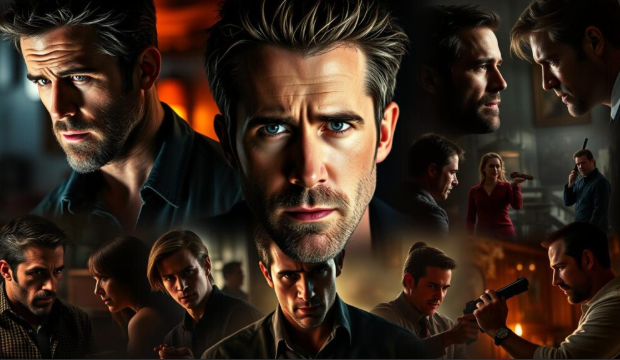
They share something beyond the Forbes lists and the franchise deals. Ryan Reynolds, Dwayne Johnson, Mark Wahlberg, and Sylvester Stallone each built fortunes exceeding $350 million. However, the money is just the scoreboard. The real story is what they were running from when they started running. An anxious kid in Vancouver learning that humor could defuse his father’s rage. A teenager in Honolulu is standing outside his padlocked apartment. A Boston street kid facing felony charges before his eighteenth birthday. A baby in Hell’s Kitchen whose face was damaged by forceps before he took his first breath. These four men didn’t become moguls despite their wounds. They became moguls because of them.
The Pattern Behind the Portfolios
Study the trajectories, and a formula emerges. Each man experienced childhood trauma that created an insatiable drive, channeled it into physical transformation and performance, and eventually recognized that acting was just one revenue stream. Furthermore, each built a business empire that would generate wealth independent of their screen careers. The combined net worth of these four men exceeds $1.95 billion. Moreover, their collective influence on how celebrities monetize fame has reshaped the entertainment industry itself.
From Wound to Wealth
The psychological architecture is remarkably consistent. Childhood instability creates hypervigilance. Hypervigilance creates an obsessive attention to detail. That obsession, channeled into business, produces returns that pure talent never could. According to Harvard Business Review, entrepreneurs who experienced early adversity often display heightened risk tolerance and resilience. These four men exemplify that pattern at scale.
What separates them from thousands of other traumatized kids is the alchemy of converting pain into product. Reynolds turned anxiety into comedic timing, then turned comedic timing into marketing genius. Johnson turned the shame of eviction into work ethic that borders on pathological. Wahlberg turned street violence into physical discipline, then discipline into a business empire. Stallone turned facial paralysis and rejection into the most iconic underdog story ever filmed. Subsequently, each monetized not just their talent but their trauma itself.
Ryan Reynolds: The Anxiety That Built Mint Mobile
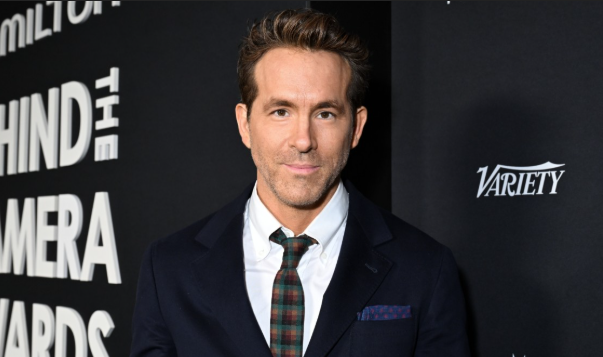
The youngest of four sons under a former cop’s roof, Ryan Reynolds learned early that humor was survival. Make dad laugh and maybe tonight wouldn’t end in screaming. That calculation, repeated thousands of times before adolescence, became the foundation of a $350 million fortune.
The Comedy-to-Capital Pipeline
Reynolds spent nearly two decades in Hollywood purgatory. Famous enough to be recognized, not respected enough to choose his projects. The Green Lantern disaster in 2011 should have ended his leading man aspirations. Instead, he spent eleven years getting Deadpool made, taking pay cuts to preserve the R-rating he knew the character required. The film earned $782 million on a $58 million budget.
However, the real reinvention happened off-screen. Aviation Gin, acquired in 2018 and sold to Diageo for $610 million. Mint Mobile, where his ownership stake netted approximately $300 million when T-Mobile acquired the company. Maximum Effort, his production and marketing company that creates ads people actually want to watch. Furthermore, each venture follows the same pattern. Undervalued assets transformed through creative marketing. The anxious kid who learned to control rooms through jokes now controls boardrooms through brand strategy.
Dwayne Johnson: Seven Dollars to $800 Million
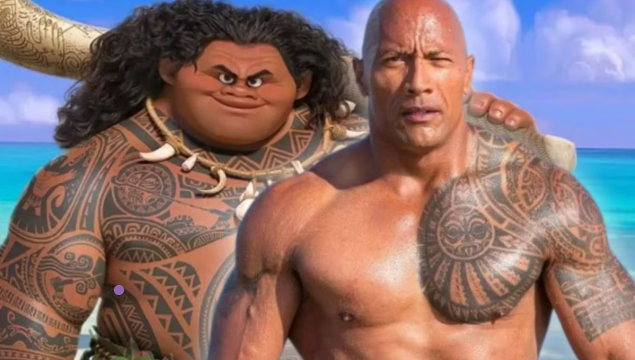
The padlock on the apartment door changed everything. Fourteen-year-old Dwayne Johnson came home from school in Honolulu to find his family evicted. He watched his mother cry in the car that night with everything they owned in trash bags. That image, seared into memory, would fuel an $800 million empire built on the promise that he would never be powerless again.
The Reinvention Machine
Football was supposed to be the escape. Full scholarship to Miami. Dreams of NFL glory. Then injuries derailed everything. The Calgary Stampeders cut him with seven dollars in his pocket. Most men would have accepted defeat. Instead, Johnson asked his father, professional wrestler Rocky Johnson, to train him for the ring.
The WWE debut as Rocky Maivia flopped. Crowds chanted “Rocky Sucks” with genuine venom. Rather than crumble, Johnson listened and reinvented himself as The Rock, channeling childhood anger into catchphrases that became cultural touchstones. Subsequently, the pattern repeated in Hollywood. Early films flopped. He studied the business. He became the highest-paid actor in the world. Seven Bucks Productions, Teremana Tequila, ZOA Energy, Project Rock. Each venture extends the empire beyond any single revenue stream. The evicted kid now owns properties across the country, ensuring his family will never face another padlock.
Mark Wahlberg: From Felony Charges to 4 AM Prayers
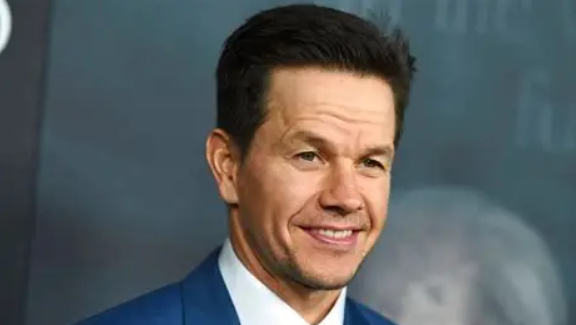
The story of Mark Wahlberg resists easy redemption narratives. At sixteen, he committed violent hate crimes that left one victim partially blind. He served 45 days of a two-year sentence. The youngest of nine children in Dorchester, he’d been dealing drugs by fourteen and facing felony charges before he could vote. That kid, lost and violent on Boston streets, would build a $400 million fortune. The distance between those two versions of the same person is where the complexity lives.
The Penance Economy
His brother Donnie’s success with New Kids on the Block created an opening. Marky Mark and the Funky Bunch produced a number-one hit. The Calvin Klein ads turned him into a sex symbol. However, music wasn’t sustainable. Hollywood initially wanted nothing to do with a rapper with a criminal record. Subsequently, Wahlberg had to prove himself through roles that demanded vulnerability. The Basketball Diaries. Boogie Nights. The Departed. The Fighter.
The business empire reflects Dorchester values. Wahlburgers, the family restaurant chain with over 90 locations. Mark Wahlberg Chevrolet dealerships across the Midwest. Municipal Bonds performance wear. F45 Training investments. Furthermore, his daily routine of 2:30 AM wake-ups and pre-dawn prayer sessions reads as discipline and penance combined. The move from Los Angeles to Las Vegas in 2022 signaled the final stage of reinvention. A fresh start in a state without income tax, building a life his children can inherit without inheriting his past.
Sylvester Stallone: The Original Rocky
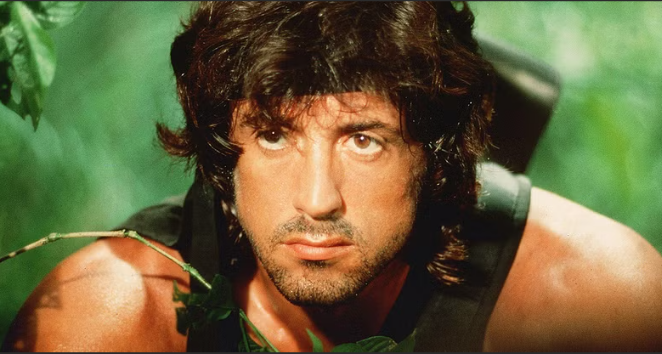
The forceps damaged his face at birth. The severed nerve left Sylvester Stallone with a drooping lip and slurred speech that would become his trademark. Hell’s Kitchen in 1946 wasn’t kind to differences. He learned to fight before he learned to read. Foster homes. Reform schools. Teachers who labeled him slow. The wounds accumulated until they became the raw material for the most iconic underdog in cinema history.
The Script Written in Blood
Hollywood rejected Stallone for fourteen years.
Too ethnic, too unusual, too intense—he cleaned lion cages at the zoo, slept in the Port Authority Bus Terminal, and sold his dog for $25 because he couldn’t afford food. Moreover, he took a role in a softcore film because it paid $200 and offered two nights in a warm bed. That desperation informed everything that followed.
When he wrote Rocky in three days after watching the Ali-Wepner fight, studios wanted the script but not him as the star. They offered $300,000 for the screenplay with a real star attached. Stallone refused. He took $35,000 and the role. The film grossed $225 million and won Best Picture. Subsequently, the Rocky and Rambo franchises would generate over $2.5 billion combined. At 78, Stallone lives in a $35 million Palm Beach estate surrounded by a museum-quality art collection. The kid whose face didn’t fit now owns paintings by Hopper, Bacon, and Basquiat. Furthermore, he creates his own expressionist work, revealing depths the action hero persona deliberately obscured.
The Reinvention Playbook
These four careers reveal a template that extends beyond celebrity. The principles apply to anyone building something from nothing.
Principle One: Convert Pain Into Product
Each man found a way to monetize the specific wound that marked his childhood. Reynolds’ anxiety became his comedic timing and eventually his marketing instinct. Johnson’s eviction trauma became his work ethic and brand positioning around relentless effort. Wahlberg’s street violence became physical discipline and blue-collar authenticity. Stallone’s facial paralysis and rejection became Rocky Balboa himself. According to McKinsey, leaders who demonstrate vulnerability often build stronger organizational loyalty. These men turned vulnerability into competitive advantage.
Principle Two: Equity Over Salary
All four men transitioned from taking paychecks to taking ownership stakes. Reynolds doesn’t endorse products; he acquires equity in companies and transforms them through marketing. Johnson’s Seven Bucks Productions gives him backend participation that pure acting salaries never could. Wahlberg owns his restaurants and dealerships rather than lending his name for fees. Stallone negotiated backend deals on Rocky and Rambo that compounded for decades. Furthermore, this shift from labor to capital is the fundamental transition that separates wealthy celebrities from rich ones.
Principle Three: Multiple Revenue Streams
None of these men depend solely on acting income. Reynolds has marketing, spirits, and telecom. Johnson has production, tequila, energy drinks, and athletic wear. Wahlberg has restaurants, automotive, fitness, and real estate. Stallone has franchises, art, and Florida property. Subsequently, economic downturns in any single sector can’t destroy their wealth. The diversification reflects the same survival instinct that got them through childhood.
Principle Four: Control the Narrative
Each man shapes his public image with precision that borders on obsessive. Reynolds’ social media feels spontaneous but every post advances his brands. Johnson’s inspirational content builds the mythos that sells tickets and tequila. Wahlberg’s faith and fitness content positions him as reformed rather than escaped. Stallone’s underdog story has become inseparable from his characters. According to Forbes, personal branding is now essential for business success. These men understood that before the term existed.
What the Money Can’t Buy
The combined $1.95 billion tells only part of the story. Watch any interview with these men and you’ll see the wounds still visible beneath the success. Reynolds’ rapid-fire jokes that deflect before anyone can criticize. Johnson’s 4 AM workouts that suggest someone still running from something. Wahlberg’s pre-dawn prayers that read as penance for harm that can’t be undone. Stallone’s continued work at 78, still proving the casting directors wrong.
The Paradox of Reinvention
These men didn’t overcome their childhoods. They monetized them. The same trauma that could have destroyed them instead became the engine of their success. However, engines require fuel, and the fuel here is psychological. The anxiety that made Reynolds funny still keeps him performing. The eviction that drove Johnson to build still won’t let him rest. The violence in Wahlberg’s past can’t be erased by success. The rejection Stallone faced still echoes in his need to work.
Furthermore, this is the truth beneath the Forbes lists and the real estate portfolios. Success doesn’t erase childhood. Money doesn’t heal wounds. These empires are magnificent and they’re also bandages. The Reinvention Squad didn’t transcend their origins. They’re still those kids, just with better addresses and larger bank accounts. Subsequently, that tension between who they were and who they’ve become is what makes their stories resonate with anyone who’s ever tried to outrun their own history.
The Reinvention Continues
At 48, 52, 53, and 78 respectively, these men haven’t stopped building. Reynolds continues acquiring companies. Johnson keeps launching brands. Wahlberg expands into new markets. Stallone takes television roles that introduce him to new generations. The drive that began in childhood shows no signs of diminishing.
Their collective influence extends beyond their own balance sheets. They’ve created a playbook for celebrity entrepreneurship that younger stars now follow. Furthermore, they’ve demonstrated that the entertainment industry’s traditional career arc, rising stardom followed by inevitable decline, isn’t the only option. You can reinvent, build, and convert the pain into profit and the profit into legacy. Whether that’s inspiring or exhausting depends on which part of their stories you choose to see.
Explore the Full Stories
- Ryan Reynolds Net Worth 2025: The Anxious Kid Who Built a $350 Million Empire One Joke at a Time
- Dwayne Johnson Net Worth 2025: The Evicted Kid Who Became Hollywood’s $800 Million Machine
- Mark Wahlberg Net Worth 2025: From Dorchester Streets to $400 Million Empire
- Sylvester Stallone Net Worth 2025: The Rocky Origin That Built a $400 Million Fortune
Want to be featured in Social Life Magazine? Contact our editorial team to discuss partnerships, features, and advertising opportunities. For exclusive Hamptons events, visit Polo Hamptons. Subscribe to our print edition or join our email list for insider access to the people and places shaping luxury lifestyle.
Author

Written by
Recent Posts

4th Annual Catwalk Furbaby
Thomas J. Henry and Dr. Elena Alvarez-Henry Join Forces for Cancer Care
How an Emergency 24/7 Plumber Resolves Sudden Drain Backups Fast
Best Free Location Tracking Apps for Everyday Family Safety: iSharing and HeyPolo Compared
How Disney Channel Stars Become Pop Powerhouses: The Sabrina Carpenter Blueprint
Categories
- Art
- Articles
- Business of Luxury
- Celebrities
- Culture
- Entertainment
- Events
- Faces of Summer 2026
- Fashion
- Fashion & Style
- Featured
- Finance
- Food, Spirits, Wine
- Hamptons
- Hamptons Celebrities
- Health
- Health & Beauty
- Lifestyle
- Luxury Lifestyle
- Press
- Profiles
- Real Estate
- Technology
- The Chronicles
- Travel
- Uncategorized
- Weddings