
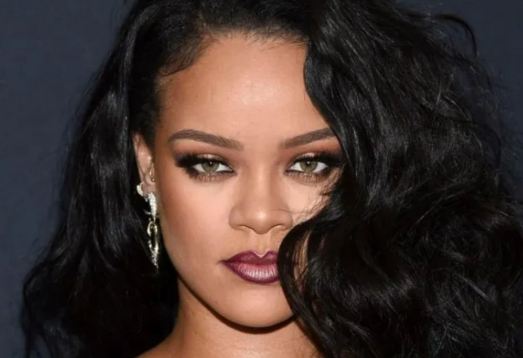
She stopped recording albums in 2016. Her net worth quadrupled. When Forbes declared Rihanna a billionaire in 2021, music industry observers struggled to reconcile the numbers. Album sales and touring didn’t explain a ten-figure fortune. The explanation required understanding something most entertainment coverage entirely missed: Rihanna hadn’t been building a music career for nearly a decade. She’d been building an empire.
The Fenty Beauty stake alone accounts for $1.4 billion of her wealth. That single asset, acquired through strategic negotiation rather than creative output, transformed a global pop star into one of the wealthiest self-made women in America. Understanding how she engineered this outcome reveals a playbook that extends far beyond celebrity.
The Wound: Barbados to Boardroom
Robyn Rihanna Fenty grew up in Bridgetown, Barbados, in circumstances that most wealth profiles sanitize into “humble beginnings.” Reality was harsher. Her father battled crack cocaine addiction throughout her childhood. Violence punctuated her home life. Financial chaos was the norm rather than the exception.
Her mother worked as an accountant, a detail that matters more than it initially appears. Watching her mother track numbers while her father destroyed them created something specific in young Robyn. The hunger wasn’t just for money. The hunger was for ownership. For control. For assets that couldn’t be destroyed by someone else’s decisions.
When a music producer discovered her at 15 and she signed with Def Jam at 17, she wasn’t naive about the industry she was entering. Every early interview reveals a calculation behind the Caribbean charm. She was studying. Every endorsement deal she accepted in her twenties served as education rather than mere income.
MAC Cosmetics taught her beauty industry margins. Puma revealed athletic licensing structures. River Island demonstrated fast-fashion economics. Armani showed her luxury positioning. Each deal was market research. Each fee was tuition for an education in ownership that would pay returns most MBA programs never deliver.
The Financial Wound’s Long Shadow
Financial instability in childhood creates one of two outcomes. Some people spend compulsively once money arrives, attempting to fill the void that scarcity created. Others become obsessive about ownership and control, building structures designed to survive chaos they’ve already witnessed.
Rihanna fell into the second category. Her early spending on mansions and fashion drew tabloid attention. What reporters missed was the simultaneous quiet accumulation of business education. By her late twenties, she understood deal structures that most executives learn only in corner offices.
The Chip: The 50% Play
Most celebrity beauty partnerships follow a predictable structure. The celebrity provides their face and name. The company provides manufacturing, distribution, and capital. The celebrity receives 3-8% of revenues as a royalty. Everyone seems satisfied until the company sells for hundreds of millions and the celebrity realizes they owned almost nothing.
Rihanna rejected this model entirely. When LVMH approached her about launching a beauty line, she already knew her leverage better than they did. She demanded 50% ownership. Not royalties. Ownership.
Why did the world’s largest luxury conglomerate agree? Rihanna brought something no other potential partner could match. Global credibility across music, fashion, and beauty that translated to every market simultaneously. Beyoncé had music credibility. Gisele had fashion credibility. Kim Kardashian had social media reach. Rihanna had all three, plus something else: a reputation for authenticity that made consumers trust products bearing her name.
The negotiation reportedly took months. She walked away from multiple offers that wanted her face without her stake. When LVMH finally agreed to the 50% split, both parties understood the calculation. LVMH was betting on Rihanna’s ability to launch a new category in inclusive beauty. Rihanna was betting on herself.
The Ownership Versus Endorsement Decision
Understanding what Rihanna rejected illuminates what she accepted. A standard 5% royalty deal on Fenty Beauty’s current revenues would generate approximately $75 million annually. Substantial by any measure. Life-changing money for anyone without a frame of reference.
Her 50% ownership stake instead represents $1.4 billion in current value. The difference isn’t merely larger. The difference is categorical. Royalties are income. Ownership is wealth. Income requires the business to continue operating. Wealth exists independently and can be monetized through sale, leveraged for additional investments, or held to compound further.
The Rise: Building the Fenty Fortune
Fenty Beauty launched in September 2017 with a proposition that seemed obvious in retrospect but revolutionary at the time. The initial foundation line included 40 shades, dramatically expanding the range available to consumers with darker skin tones. Beauty industry incumbents had ignored this market for decades. Rihanna targeted it directly.
First month results validated the strategy beyond anyone’s projections. The brand generated $100 million in revenue during its first 40 days. By comparison, Kylie Cosmetics took three years to reach similar numbers. Fenty Beauty demonstrated that inclusive beauty wasn’t a niche category. It was an underserved market waiting for a credible entrant.
The Fenty Beauty Architecture
| Metric | Value | Significance |
|---|---|---|
| Launch Year | 2017 | Timing aligned with inclusive beauty movement |
| Initial Foundation Shades | 40 | Industry standard was 12-20 shades |
| First 40 Days Revenue | $100M | Fastest beauty brand launch in history |
| Rihanna’s Ownership | 50% | LVMH holds remaining stake |
| 2025 Valuation | $2.8B | Rihanna’s stake: $1.4B |
Savage X Fenty: The Second Empire
Success with Fenty Beauty established the template for expansion. In 2018, Rihanna launched Savage X Fenty, a lingerie line designed with the same inclusive philosophy. The partnership with TechStyle Fashion Group provided infrastructure while Rihanna maintained significant ownership, estimated at 30%.
The brand reached $1 billion valuation by 2021. Annual fashion shows became cultural events that rivaled Victoria’s Secret at its peak, featuring diverse body types, gender expressions, and abilities. Her ownership stake represents approximately $300 million in additional wealth, bringing her Fenty-related holdings to $1.7 billion before accounting for any other assets.
The Fenty Maison Lesson
Not every venture succeeded. In 2019, LVMH made Rihanna the first Black woman to lead a luxury fashion house with the launch of Fenty Maison. The ready-to-wear line struggled to find its market. By 2021, both parties agreed to pause the fashion house and refocus resources on beauty and lingerie.
The failure taught an important lesson that Rihanna clearly absorbed. Even emperors must focus resources. Spreading attention across too many ventures dilutes the attention that makes any single venture successful. The decision to close Fenty Maison wasn’t defeat. It was strategic resource allocation.
The Complete Net Worth Architecture
| Asset Category | Estimated Value | Percentage of Net Worth |
|---|---|---|
| Fenty Beauty (50% stake) | $1.4B | 74% |
| Savage X Fenty (~30% stake) | $300M | 16% |
| Music Catalog and Royalties | $100M | 5% |
| Real Estate and Other Assets | $100M | 5% |
| Total Estimated Net Worth | $1.9B | 100% |
Conservative estimates place her net worth at $1.4 billion, using only confirmed valuations and ownership stakes. Liberal estimates approach $2 billion when accounting for potential appreciation in private holdings and additional undisclosed investments. Either figure represents a transformation from entertainer to business titan that few observers predicted when she was winning Grammy awards.
The Tell: The Super Bowl Math
When Rihanna performed at Super Bowl LVII in February 2023, she did something no previous halftime performer had done. She revealed her pregnancy during the performance. The moment generated headlines worldwide. It also generated something more valuable: over $100 million in equivalent advertising value for Fenty brands.
The NFL doesn’t pay halftime performers. Previous artists accepted this arrangement because the exposure drove album sales and tour ticket purchases. Rihanna didn’t need album sales. She needed brand awareness. Every press hit, social media post, and meme drove traffic to products she owned.
The calculation reveals how thoroughly she had transformed her relationship with fame. Earlier in her career, a Super Bowl performance would have promoted music that earned her pennies per stream. In 2023, the same performance promoted businesses that earned her billions in ownership value.
The Cultural Moment as Business Asset
Understanding the Super Bowl performance requires understanding how Rihanna now values her time and visibility. Every public appearance represents opportunity cost. Minutes spent on a stage or in front of cameras could be spent on business decisions that compound for decades.
The Super Bowl made sense because the audience was massive, the cultural relevance was undeniable, and the beneficiary was her ownership stake rather than a record label’s streaming revenue. She stopped selling her time years ago. Now she sells only her moments, and only when the return justifies the investment.
The Connection: What Sophisticated Readers Recognize
Rihanna’s trajectory offers lessons that extend beyond celebrity into any context where personal brand intersects with business value. The playbook she executed translates directly.
First, use endorsements as research and development. Every deal she accepted before Fenty taught her something about the industry she would later dominate. Most people treat endorsements as income. She treated them as education. The fees were tuition. The lessons were priceless.
Second, negotiate ownership rather than fees. Fifty percent of something beats 100% of a paycheck, especially when that something can compound independently of your continued labor. The celebrity who takes the higher endorsement fee usually regrets it when the company sells.
Third, global credibility commands premium terms. Rihanna could demand 50% because she brought audiences that LVMH couldn’t reach any other way. Building credibility across multiple domains creates leverage that single-domain expertise cannot match.
Fourth, focus beats diversification. She killed Fenty Maison to double down on beauty and lingerie. The decision seemed like retreat until the surviving businesses reached valuations that made the closed venture irrelevant.
Fifth, cultural moments are marketing assets when you own what they promote. The Super Bowl performance would have been valuable for any performer. It was transformationally valuable for someone who owned the brands it promoted.
The music career made her famous. The business decisions made her wealthy. Understanding the difference reveals why most celebrities never approach her financial stratosphere despite comparable talent and fame.
Related Reading
- From Runway to Rolex: How Celebrity Brand Empires Hit $2B
- Gisele Bündchen Net Worth 2025: The $400M Post-Tom Triumph
- Kylie Jenner Net Worth 2025: The Cosmetics Calculation
- How Licensing Deals Create Long-Term Wealth
Connect With Social Life Magazine
For features, advertising opportunities, and brand partnerships, visit sociallifemagazine.com/contact. Experience the Hamptons’ premier luxury events at Polo Hamptons. Subscribe to our print edition for exclusive content delivered to your door, or join our email list for weekly insights on wealth, culture, and the mechanics of modern fortunes.
Author

Written by
Recent Posts
Budget Beauty: Tips for Building an Affordable Skincare Routine
Healthy Habits That Can Help You Feel Better Every Day
Key Basics Every New WIC Applicant Should Understand
Why Spine Health Specialists Are Essential for Treating Sports-Related Spine Injuries
Lace Wedding Dresses Were Never Meant to Be Comfortable — One California Atelier Said Otherwise
Categories
- 2025 Social Life Events
- Access to Digital + Physical Magazine
- Art
- Articles
- Beauty & Skincare
- Beauty & Wellness
- Business Strategy
- Celebrities
- Chronicles
- Design History
- Design History|Design Trends
- Design History|Hamptons
- Design Process
- Design Process|Luxury Living
- Design Trends
- Design Trends|Hamptons
- Event Photos
- Events
- Family
- Fashion
- Fashion & Style
- Featured
- Food & Beverage
- Food, Spirits, Wine
- Hamptons
- Hamptons Celebrities
- Hamptons Design
- Hamptons Design|Design Process
- Hamptons Design|Luxury Living
- Hamptons|Luxury Living
- Health
- Health & Beauty
- Home & Design
- Home & Living
- Lifestyle
- Luxury Home Design|Design Process
- Luxury Home Design|Design Trends
- Luxury Home Design|Hamptons Design
- Luxury Home Design|Interior Design
- Luxury Lifestyle
- Luxury Living
- Luxury Living|Design Process
- Luxury Living|Hamptons
- Luxury Living|Hamptons Design
- Press
- Profiles
- Real Estate
- Technology
- The Chronicles
- Travel
- Trending
- Uncategorized
- Weddings
- Wellness