
Don Draper stands in a dark conference room, projector humming. The Kodak executives expect a pitch for their new slide projector—features, benefits, competitive positioning. Instead, Draper shows them photographs of his own family. His children. His wife. Moments already passed. “This device isn’t a spaceship,” he tells them. “It’s a time machine. It goes backwards, forwards. It takes us to a place where we ache to go again.”
He calls it the Carousel. Not because it goes around, but because it lets us travel—to the moment before complexity, before we understood how things actually worked, before the architecture became visible. The ache isn’t for the past itself. It’s for a time when we didn’t need to see the machinery to believe in the magic.
Celebrity wealth triggers the same ache. There was a time when fame converted to fortune through mechanisms simple enough to understand. Movie stars earned movie star salaries. Recording artists received royalties proportional to record sales. Endorsement deals paid flat fees for smiling next to products. The relationship between visibility and value felt direct, traceable, almost fair.
That world still exists in press releases and morning show interviews. But the actual architecture has shifted so completely that the old map no longer describes the territory. The celebrity you see holding a product is rarely the principal behind the business. The “billion-dollar brand” valuation often bears no relationship to liquidation value. The announcement you read is the output of structures negotiated months earlier in rooms where autographs hold no currency.
You’ve always suspected there was more to it. Here’s the machinery behind the magic—not to diminish the magic, but to let you see clearly. To bring you home to understanding.
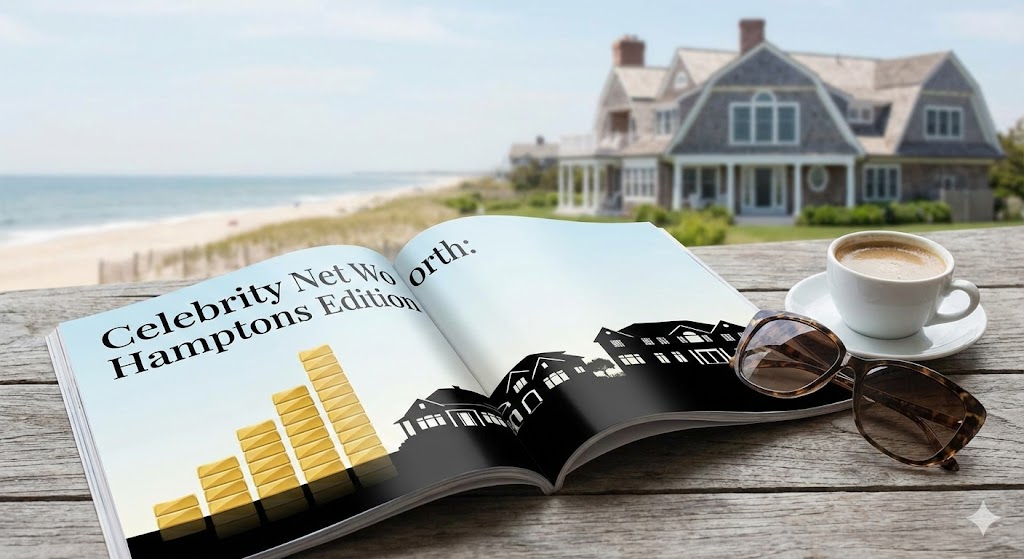
The View From the Money
Bobby Axelrod watches a celebrity announce a tequila brand on morning television. The host asks about agave sourcing and flavor profiles. Axelrod sees something else entirely.
He sees a convertible note structure with escalating royalty rates tied to case shipments. The private equity firm that provided $15 million in Series A capital is visible to him in the production values of the segment itself. Behind the celebrity’s smile, he reads the distribution agreement that’s really an equity swap disguised as a licensing deal. The promotional commitment clause requiring 12 Instagram posts per quarter. The liquidation preference that ensures investors get paid before the famous face sees a dime of exit proceeds.
By the time the host asks about favorite cocktail recipes, Axelrod has already calculated the implied multiple and identified three comparable transactions. He’s not watching an interview. He’s reading a term sheet performed for cameras.
This is what information asymmetry looks like in practice. Everyone sees the announcement. Almost no one sees the structure. The gap between those two views—between what the public consumes and what the principals understand—is where the real economics of celebrity wealth operate.
McKinsey’s research on consumer brand economics quantifies the gap. Celebrity-affiliated brands trade at valuations 40-60% higher than comparable non-celebrity brands at similar revenue scales. But exit outcomes—the transactions where wealth actually crystallizes—show no systematic premium for celebrity involvement once operational factors are controlled. The celebrity creates attention. The structure determines who captures value from that attention.
Architectures, Three Outcomes
Every celebrity brand announcement you’ve ever seen fits one of three structural models. Each creates fundamentally different economics for everyone involved.
The Licensing Model is a rental agreement. The celebrity contributes name, likeness, and promotional presence. A corporate partner contributes everything else: capital, manufacturing, distribution, marketing, operational expertise. The celebrity collects royalties—typically 3-8% of net sales—regardless of profitability. Risk approaches zero. So does upside beyond the royalty check.
Most celebrity fragrances, fashion collaborations, and endorsement extensions follow this structure. The celebrity shows up for the photo shoot. Coty or L’Oréal or Interparfums builds the actual business. When interviews focus on “inspiration” and “creative vision” but never mention margins or distribution challenges, you’re looking at a licensing deal. It’s not their business. They’re renting their face.
The Equity Partnership positions the celebrity as minority owner with strategic investors providing capital and operations. Typical structures allocate 20-40% to the celebrity, vesting over three to five years, with governance rights that vary dramatically deal to deal.
Ryan Reynolds’ Aviation Gin illustrates the model’s potential. When Diageo acquired the brand in 2020, Reynolds’ estimated 25% stake translated to approximately $610 million. Had he merely licensed his name for a 5% royalty, the same sales volume would have generated a fraction of that figure. The equity position—not the promotional commitment—created the wealth. Harvard Business Review analysis shows that equity partnerships outperform licensing arrangements by 8-12x in total celebrity compensation when brands reach successful exits.
The Founder Operator Model
The Founder-Operator Model puts the celebrity in the controlling seat with majority ownership and real operational involvement. Rihanna’s Fenty Beauty represents the template. Her 50% stake with LVMH as strategic partner created reported wealth exceeding $1.4 billion from the beauty venture alone. More importantly, she retained governance rights. When she has opinions about product development, those opinions don’t require permission.
The tell for founder-operators is competence. They know their margins. They’ve met the CFO. They discuss supply chain disruptions with the fluency of operators, not the vagueness of spokespersons. When Kylie Jenner explains Kylie Cosmetics’ direct-to-consumer strategy or Jessica Alba discusses Honest Company’s path to IPO, you’re hearing founder knowledge—not marketing scripts.
What the Headlines Don’t Show
Every information asymmetry creates advantage for those who close it. The gap between celebrity wealth announcements and celebrity wealth reality offers multiple such opportunities.
Valuation versus liquidation. “Billion-dollar brand” almost always refers to last-round valuation—the price implied by the most recent equity transaction among willing participants in an optimistic market. Liquidation value—what the brand would actually fetch in a sale—routinely diverges by 40-70%. Bain’s 2024 private equity report documents this spread across consumer brand categories, with celebrity-affiliated brands showing higher variance than non-celebrity comparables.
Revenue versus profit. Consumer brands are capital-intensive. The celebrity spirits company generating $50 million in revenue might burn $15 million annually on marketing, distribution, and inventory. Top-line growth dazzles morning show audiences. EBITDA margins determine what strategic acquirers actually pay.
Ownership versus control. A 30% equity stake means nothing without governance context. If the operating agreement gives investors control over exit timing, dividend policy, and capital calls, the celebrity’s ownership percentage becomes largely decorative. They’ll participate in upside if upside occurs on someone else’s timeline. They cannot create liquidity independently.
Announcement versus economics. The press release describes what the parties want public. The term sheet describes what the parties actually agreed. These documents diverge more often than they align. Promotional commitments, non-compete provisions, liquidation preferences, and anti-dilution protections—the provisions that actually determine economic outcomes—never appear in the announcement.
The Principals Behind the Fame
Celebrity wealth in 2025 is increasingly intermediated wealth. The famous person you see on the product is rarely the principal behind the business.
The operating playbook has become standardized across consumer-focused private equity. Identify a platform—a product category with margin potential and distribution complexity that favors scale. Inject celebrity—not as an operator, but as a customer acquisition channel with an owned audience. Scale distribution through infrastructure and relationships the celebrity couldn’t access independently. Exit to a strategic acquirer who values brand equity more than standalone economics justify.
This playbook requires principals who can execute each phase. Celebrities rarely possess those capabilities. The family offices and PE firms that fund celebrity brands evaluate opportunities through a lens that barely includes the celebrity’s social following. What matters: authentic audience connection that drives purchase behavior, category credibility that doesn’t require explanation, deal sophistication that recognizes the celebrity’s actual role, and long-term commitment structured through vesting and milestones rather than promises.
The investors actively avoid certain patterns. Celebrities who believe their fame qualifies them as entrepreneurs create governance problems. Agents who negotiate as if capital structure were an afterthought waste everyone’s time. Categories with compressed margins—where even perfect execution yields modest returns—don’t attract institutional capital regardless of the celebrity attached.
Forbes analysis of private equity deal sourcing shows that relationship-originated celebrity brand deals outperform intermediated deals on both entry valuation and exit multiple. The principals who build relationships with the right celebrities before their agents start shopping deals capture the best opportunities. Those relationships develop in specific environments, over time, among people who speak the same language of structure and governance.
The Residual Architecture
Beyond brand equity, a second architecture compounds celebrity wealth independently of current activity: the residual economy.
George Lucas kept the merchandising rights to Star Wars when Twentieth Century Fox dismissed them as worthless. That single contractual provision has generated over $20 billion in revenue. Taylor Swift re-recorded her entire early catalog to own masters that were sold without her participation. Michael Jackson’s estate has generated over $2 billion since 2009—more than most performers earn in active careers spanning decades.
The pattern is consistent. Active income—performance fees, appearance payments, production deals—requires presence and degrades with age, injury, scandal, or shifting taste. Residual income—licensing agreements, royalty streams, IP ownership—generates returns independent of current activity and compounds over time.
The celebrities who build generational wealth optimize for residual structures. They negotiate ownership rather than payment. Licensing portfolios get built across uncorrelated categories. Active income converts into owned assets systematically, with each project becoming a node in a network of passive income streams rather than a terminal transaction.
Music catalog acquisitions reveal how markets price these structures. Catalogs generating $10 million annually in royalties have recently traded at 15-25x that annual figure. The buyer acquires a royalty stream persisting for decades across uses that don’t yet exist. The seller converts future uncertainty into present liquidity. Both parties benefit from architecture that doesn’t require the artist’s continued involvement.
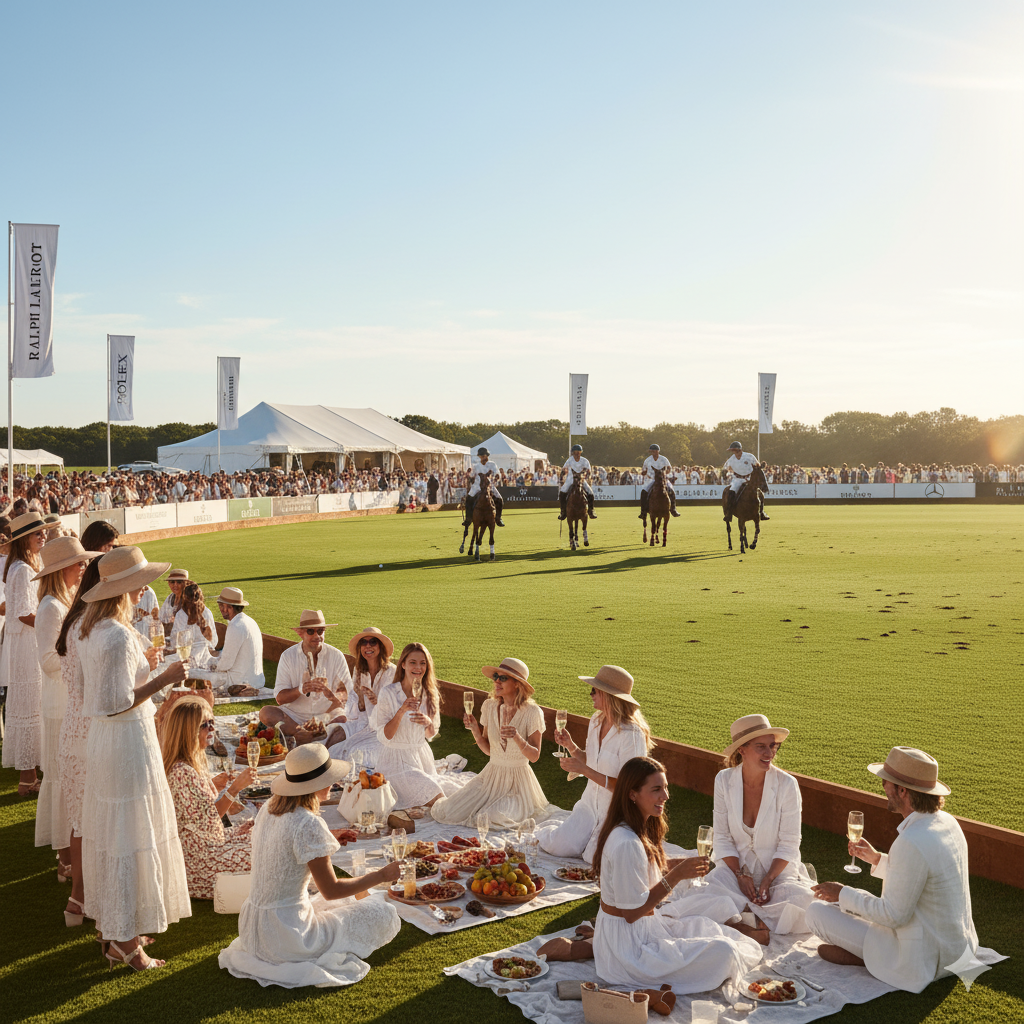
Where the Conversations Happen
The structures described here don’t emerge from press releases or agency negotiations alone. They develop through relationships between principals—the PE operators who build celebrity brands, the family offices who fund them, the strategic acquirers who exit them. Those relationships require environments.
The Hamptons ecosystem concentrates this relationship architecture more densely than almost anywhere else during summer months. The principals who structure celebrity deals summer in the same ZIP codes. They encounter each other at farmers’ markets and restaurants and sporting events. Conversations that would require scheduled meetings in Manhattan happen organically over weekends. August relationship-building seeds January term sheets.
Physical presence in certain environments signals seriousness. McKinsey research on relationship economics shows that high-trust, high-stakes negotiations benefit measurably from in-person interaction. The principals evaluating celebrity brand opportunities don’t need LinkedIn connections. They need repeated exposure in contexts that allow for unguarded conversation.
The best deals are never marketed. By the time an opportunity appears in a pitch deck circulated to institutional investors, the most favorable terms have already been allocated to relationship-based investors who learned about the deal through informal channels. Proprietary deal flow doesn’t come from better screening. It comes from relationship density that surfaces opportunities before they’re marketed at all.
The Architecture You’ve Always Sensed
Don Draper’s Carousel didn’t show Kodak executives how the projector worked. It showed them what the projector meant—the ache to return to moments when the machinery was invisible, when the magic didn’t require explanation.
Celebrity wealth triggers a similar ache. There was a time when the relationship between fame and fortune felt simple enough to trust without understanding. That time has passed. But seeing the machinery clearly isn’t a loss. It’s a homecoming to a different kind of understanding—one where the architecture is visible, the mechanics are legible, and the patterns are portable to your own wealth-building.
You’ve always suspected there was more to the celebrity brand story than the announcement suggested. Now you see the structure. The three models that separate billion-dollar exits from failed launches. The information gaps that create systematic advantages for those who close them. The principals who actually build the businesses while famous faces provide promotional fuel. The residual architectures that compound wealth while the celebrity sleeps.
Patterns Are Portable
Not cynically revealed. Clearly understood. Because the patterns aren’t interesting only for what they explain about celebrity. They’re interesting because they’re portable—to any business owner evaluating structure, any investor assessing opportunity, any wealth builder thinking in equity rather than income.
The conversations where these structures get discussed openly happen in rooms built for that depth. Not press conferences. Not investor days. Private environments where the principals who scale celebrity IP sit across from the family offices who fund them, where governance provisions can be examined without performance, where the question isn’t “whose face is on the bottle?” but “what does the cap table look like?”
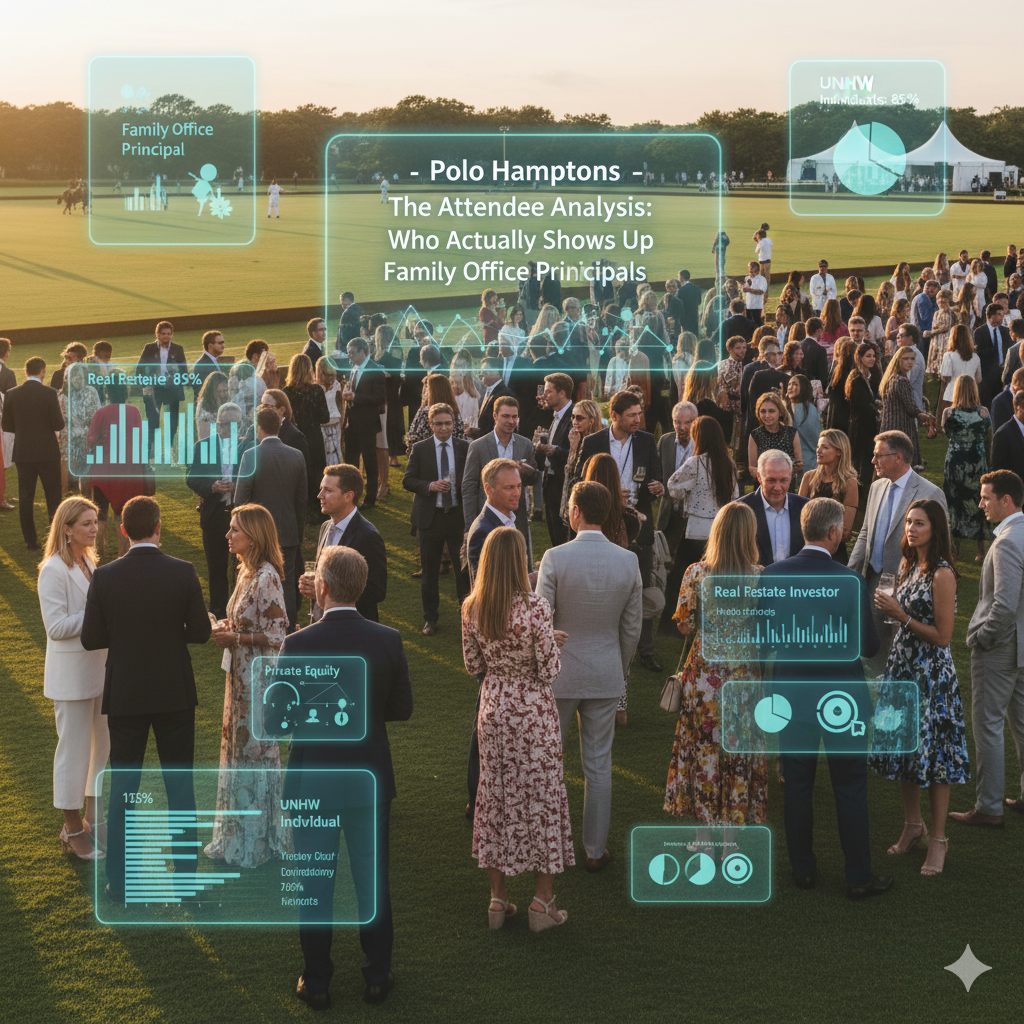
Polo Hamptons was designed for exactly that caliber of conversation. The summer calendar is published. The field is private. The view from the tent isn’t of the match. It’s of the principals who attend because they understand what events like this are actually for.
Go Deeper:
- The Capital Structure Behind Celebrity Empires—and What It Reveals About Modern Wealth
- Why the Investors Behind Celebrity Brands Prefer Rooms Like This
- Licensing, Royalties, and Long-Tail Wealth: How Celebrity Portfolios Actually Work
Continue the Conversation:
For editorial features, brand partnerships, or event collaboration: sociallifemagazine.com/contact
For Polo Hamptons tickets and sponsorship: polohamptons.com
Subscribe to the print edition | Join the email list | Support our journalism ($5)
Author

Written by
Recent Posts

How Polo Hamptons Became a Meeting Point for Capital, Culture, and Luxury Brands

Licensing, Royalties, and Long-Tail Wealth: How Celebrity Portfolios Actually Work
Why the Investors Behind Celebrity Brands Prefer Rooms Like This
The Capital Structure Behind Celebrity Empires—and What It Reveals About Modern Wealth
How Fame Becomes Fortune: The Capital Mechanics Behind Celebrity Wealth
Categories
- 2025 Social Life Events
- Access to Digital + Physical Magazine
- Art
- Articles
- Beauty & Skincare
- Beauty & Wellness
- Celebrities
- Chronicles
- Event Photos
- Events
- Family
- Fashion
- Fashion & Style
- Featured
- Food & Beverage
- Food, Spirits, Wine
- Hamptons Celebrities
- Health
- Health & Beauty
- Home & Design
- Home & Living
- Lifestyle
- Luxury Lifestyle
- Press
- Profiles
- Real Estate
- Technology
- The Chronicles
- Travel
- Trending
- Uncategorized
- Weddings
- Wellness