
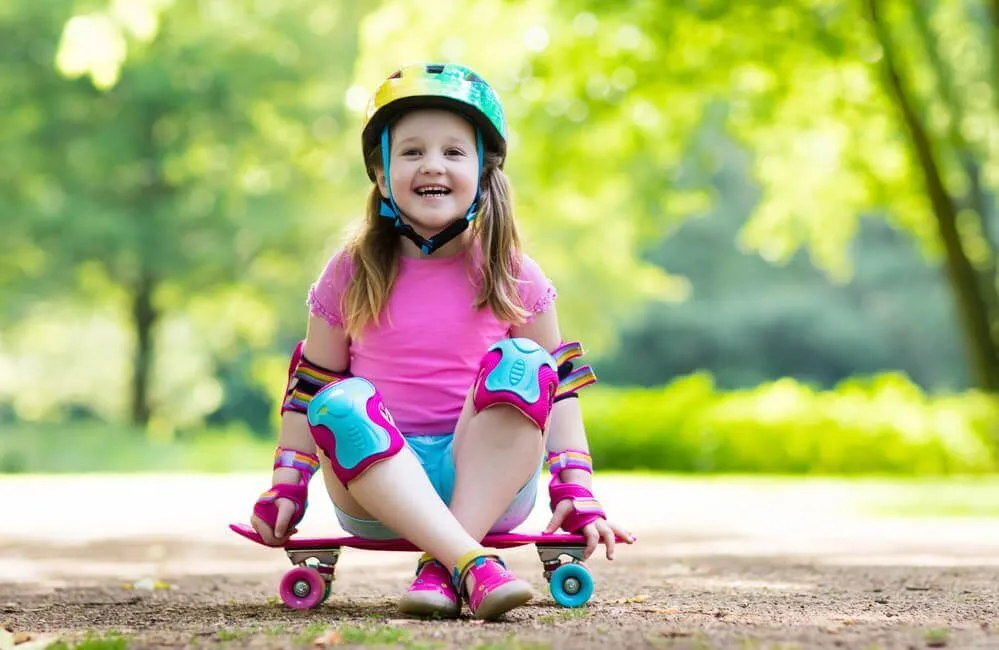
Weekends look very different for families today than they did a decade ago. Instead of long hours of passive entertainment, many parents are gravitating toward activities that teach their kids useful skills while also keeping them active, social, and balanced. These new weekend routines are shaping a cultural shift in how families spend their time — one rooted in practicality, enrichment, and intentional development.
Skill-building sports, in particular, have surged in popularity. Rather than simply offering exercise, these activities nurture coordination, problem-solving, persistence, and confidence — qualities many parents see as essential for the next generation.
Fro “Entertainment” to “Enrichment”: A Cultural Shift
For many years, weekend activities for kids revolved around entertainment: movies, video games, casual playdates, and indoor attractions. But today’s families have entered what parenting experts call the enrichment era, where activities must justify both time and financial investment.
This shift didn’t happen overnight. Parents report feeling more selective about how their children spend their free hours, especially with the rising influence of digital distractions. Tablets, smartphones, and endless streaming can easily consume an entire weekend. Skill-building sports offer a counterbalance — one that combines learning with fun, structure with creativity, and physical movement with mental engagement.
Where some activities are passive, sports demand participation. They ask kids to practice, make decisions, assess risk, and improve gradually. These are the traits parents increasingly believe pay off in the real world.
Sports as a Foundation for Essential Life Skills
One of the biggest drivers behind the rise of weekend sports programs is the clear connection to life skills. While general fitness is important, parents are now more focused on how sports translate into personal development.
Different sports develop different competencies:
- Balance & Coordination — crucial for motor skills and injury prevention
- Spatial Awareness — used in daily navigation and physical confidence
- Focus & Patience — essential for learning and academic success
- Emotional Resilience — learning to lose, retry, and improve
- Decision-Making — understanding risk, timing, and strategy
- Social Skills — communication, teamwork, and negotiation
The best skill-building sports don’t rely on raw talent or height; they reward technique and consistency. Parents appreciate this accessibility, as it means nearly any child can participate and improve without needing to “stand out” to feel successful.
The Empowerment Factor: Small Wins, Big Confidence
Confidence is one of the most underrated outcomes of weekend sports. Research shows that kids gain lasting self-image benefits when they identify measurable progress — mastering a stroke in the pool, landing a new skateboard trick, or improving their form over time. These “small wins” are powerful because they are earned.
Unlike achievements in school, which are often graded, ranked, or compared, progress in skill-based sports feels personal and internal. A child knows when they’re better — they feel it in their body. Parents often report that after a few structured weekends, kids carry themselves differently. They walk taller, self-correct more often, and show initiative. It’s the beginning of autonomy — a trait increasingly rare in a digital-first generation.
Parents Love the Hybrid Learning Model
Skill-building sports also blend physicality with education, which appeals to parents who value multi-dimension activities. A trip to the pool isn’t just exercise — it’s water safety and stroke mechanics. A morning at the skate park is not just recreation — it’s balance training, risk assessment, and creative movement.
This layered value explains why certain sports are booming. For example, many parents enroll children in swim lessons not merely for sport but for essential life competency and long-term safety. Water confidence is something kids carry into adulthood, vacations, school trips, and group activities.
Similarly, outdoor sports with technique-based learning are rising in reputation. Skateboarding, once seen as purely recreational, has transitioned into a respected discipline. Parents appreciate how skateboard lessons develop coordination, body control, and persistence in a way that feels modern and culturally relevant.
Weekends as a Family Bonding Tool
Skill-based sports also transform weekends into family time. Unlike indoor-only activities, these sports take place at parks, pools, community centers, and open spaces. They get families outside and interacting with others rather than isolating in separate rooms.
Even parents who don’t actively participate often form micro-communities around these activities — chatting with other families, sharing tips, and supporting kids from the sidelines. It brings back a sense of neighborhood connection that was missing in the digital era.
Less Pressure, More Enjoyment
One notable advantage of weekend skill sports is that they are less competitive than traditional youth leagues. Many parents are burned out by hyper-competitive childhood athletics that emphasize winning, ranking, and scholarships. Skill-building sports, on the other hand, are about personal growth, not organized trophies.
This lowers stress for both kids and parents, allowing weekends to feel enriching rather than demanding. The flexibility of scheduling also helps — weekend classes generally don’t interfere with schoolwork, making them a sustainable long-term routine.
What the Future Holds
Everything suggests that this trend is not temporary. As technology accelerates and sedentary lifestyles become more common, parents will continue seeking physical, skill-based outlets that balance development with enjoyment. Cities are already adapting: more skate plazas, expanded aquatic programs, and specialized youth coaching options are emerging in communities across the country.
Brands and instructors are also leaning into creativity, designing programs that blend athletic technique with expression, problem-solving, and self-confidence. This aligns with what modern parents want — activities that prepare kids not just for sport, but for life.
Author

Written by
Recent Posts
What Goes Into Planning a Professional Furnace Installation?
Why Sports Card Collecting Is More Than Just a Hobby
From Signature Scents to Scent Wardrobes: The Evolution of Personal Fragrance

Beyond the Booth: How Exhibition Design Is Creating New Brand Experiences

Trading the Hamptons for Hvar: A Summer on Croatia’s Most Glamorous Island
Categories
- Art
- Articles
- Business of Luxury
- Celebrities
- Culture
- Entertainment
- Events
- Faces of Summer 2026
- Fashion
- Fashion & Style
- Featured
- Finance
- Food, Spirits, Wine
- Hamptons
- Hamptons Celebrities
- Health
- Health & Beauty
- Lifestyle
- Luxury Lifestyle
- Press
- Profiles
- Real Estate
- Technology
- The Chronicles
- Travel
- Uncategorized
- Weddings