

Even with health insurance, many Americans continue to struggle with the cost of prescription drugs. This issue is particularly familiar to residents of New York, including those living in the Bronx, where medication expenses can strain monthly budgets.
According to KFF, a nonprofit health research organization, nearly 20 percent of U.S. adults skip filling at least one prescription each year due to cost. About one in three people attempt to lower expenses by actions such as splitting pills when it is not medically necessary or replacing prescribed medications with over-the-counter alternatives.
As pharmacy researchers who study prescription drug access, especially in urban areas like New York City, we believe patients should know that affordable options often exist if they understand their choices before visiting a pharmacy.
Prescription Copays Can Vary Significantly
When you use health insurance to fill a prescription, you are usually required to pay a copay. This is the amount you owe after your insurance covers its portion of the cost.

People enrolled in Medicaid, which serves many low-income individuals in New York and the Bronx, often pay nothing for prescription medications. When a copay does apply, it is typically minimal and often under five dollars.
Those covered by Medicare or private insurance plans may see greater variation in what they pay. Knowing your plan’s details can help prevent unexpected costs at local pharmacies throughout New York City.
Private insurance plans commonly require copays ranging from five dollars to fifty dollars, depending on the medication tier. Brand-name and specialty drugs generally carry higher costs, while older generic medications are usually more affordable.
Some generic drugs and vaccines may not require any copay at all. However, costs can change during the year depending on whether you have met your deductible. A deductible is the amount you must pay out of pocket before insurance begins covering prescription costs. Until that threshold is reached, patients may be responsible for the full price of their medications. Afterward, only the copay applies.
As more high-cost medications enter the market, many insurers have shifted toward coinsurance. With coinsurance, patients pay a percentage of the medication’s price, which often leads to higher out-of-pocket expenses than fixed copays.
New Medicare Programs May Ease Costs
Two federal initiatives aim to make prescription drugs more affordable for older adults, including many seniors living in the Bronx and across New York State.
Beginning in 2026, Medicare beneficiaries will face an annual out-of-pocket limit of $2,100 for prescription drugs. In some cases, the actual cap may be lower due to Medicare’s coverage rules. Once this limit is reached, additional prescriptions filled during the year will cost nothing.
In 2025, Medicare also launched the Prescription Payment Plan, allowing people over 65 to spread prescription drug costs evenly throughout the year to improve budgeting and predictability.
Despite these benefits, enrollment in the program remains low, and comparable options are not available to individuals with private insurance.
What to do if You Cannot Afford Your Copay
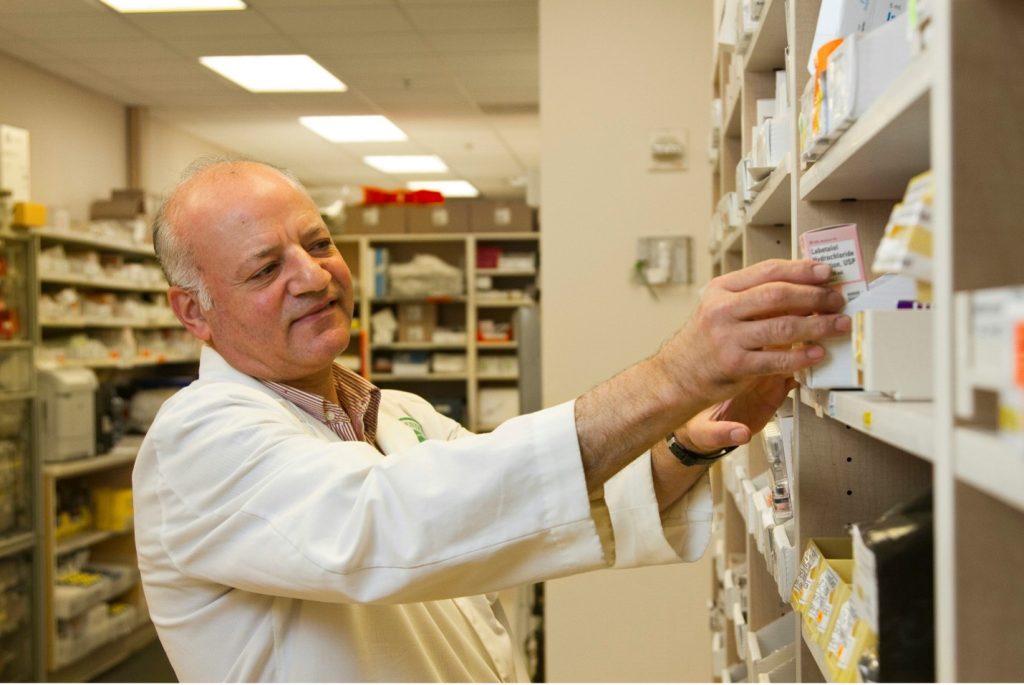
If a prescription is unaffordable, patients should not assume there are no alternatives. Pharmacists are often the most accessible healthcare professionals for discussing lower-cost options, especially when working with a pharmacy in the Bronx that understands local patient needs. Individuals who rely on a neighborhood pharmacy serving Bronx residents in New York often receive personalized guidance on medication alternatives, cost-saving programs, and specialized services such as compounding or prescription delivery. Mediserv Pharmacy is one example of a local provider offering individualized support to help patients manage prescription expenses more effectively.

Free online resources such as RxAssist or discount cards from companies like GoodRx may also help reduce costs. GoodRx cards are free and allow users to compare prices at nearby pharmacies while accessing coupons that lower medication costs.
In some situations, paying the cash price with a discount card may be cheaper than using insurance. Pharmacists can help patients understand these pricing differences.
Before using GoodRx, consider the following:
- The company collects personal data, which raises privacy concerns.
- Not all pharmacies accept GoodRx discounts.
- Discount cards may not provide savings for insured patients, and payments may not count toward insurance deductibles.
Patients should evaluate these factors based on their individual circumstances.
Prescription Assistance Programs
Prescription assistance programs provide another option for lowering medication costs.
These programs are funded by pharmaceutical companies, nonprofit organizations, and government agencies. They help uninsured or underinsured patients, including some Medicare recipients, obtain medications at reduced prices or at no cost.

Programs include manufacturer-sponsored assistance and charitable pharmacies such as Dispensary of Hope, NOVA Scripts Central, and the Patient Advocate Foundation. Eligibility often depends on income level and residency status.
Organizations like the Patient Access Network Foundation and RxAssist also help patients identify assistance programs that may be appropriate for their situation.
These programs can significantly reduce copays or eliminate prescription costs altogether.
In November 2025, the Trump administration announced a new federal prescription drug pricing initiative called TrumpRx. The program is expected to connect consumers with companies offering select medications at discounted prices and is scheduled to roll out in 2026. Experts believe it will mainly benefit people without health insurance.
Direct-to-Consumer Drug Sales
Beyond coupons and assistance programs, some pharmaceutical companies are testing direct-to-consumer medication sales.
In 2025, several manufacturers began selling medications directly to patients online for cash payments. One example is Eli Lilly, which now offers its weight-loss medication Zepbound through its website.
These options often cost more than $300 per month, placing them beyond the reach of many residents in the Bronx and across New York. Insurance companies have so far declined to cover these purchases.
While these systems are still developing, additional efforts will be needed to ensure prescription medications become affordable and accessible for millions of Americans.
Author

Written by
Recent Posts
What Goes Into Planning a Professional Furnace Installation?
Why Sports Card Collecting Is More Than Just a Hobby
From Signature Scents to Scent Wardrobes: The Evolution of Personal Fragrance

Beyond the Booth: How Exhibition Design Is Creating New Brand Experiences

Trading the Hamptons for Hvar: A Summer on Croatia’s Most Glamorous Island
Categories
- Art
- Articles
- Business of Luxury
- Celebrities
- Culture
- Entertainment
- Events
- Faces of Summer 2026
- Fashion
- Fashion & Style
- Featured
- Finance
- Food, Spirits, Wine
- Hamptons
- Hamptons Celebrities
- Health
- Health & Beauty
- Lifestyle
- Luxury Lifestyle
- Press
- Profiles
- Real Estate
- Technology
- The Chronicles
- Travel
- Uncategorized
- Weddings