
Iceland has captured the hearts of travelers worldwide with its dramatic landscapes, geothermal wonders, and dancing northern lights. However, this Nordic island nation has also earned a reputation as one of Europe’s priciest destinations. The good news is that with smart planning and insider knowledge, you can experience Iceland’s magic without draining your bank account.
Choose Your Travel Season Wisely
Timing can make or break your Iceland budget. Summer months from June to August bring endless daylight and accessible highland roads, but they also come with peak prices for flights and accommodations. Consider visiting during shoulder seasons in May or September when you’ll find significantly lower prices while still enjoying decent weather and accessible attractions.
Winter travel from November to March offers the cheapest rates overall, plus the chance to see the northern lights. Just be prepared for limited daylight hours and potential road closures in remote areas. April and October sit in a sweet spot where prices drop but weather remains relatively manageable for most activities.
Book Accommodations Strategically
Hotels in Reykjavik and popular tourist areas can easily cost $200-300 per night. Instead, look into guesthouses, hostels, or farm stays that offer clean, comfortable rooms at half the price. Many include breakfast, saving you additional money on meals.
Consider staying slightly outside main tourist zones and driving in for activities. Towns like Hafnarfjordur or Kopavogur sit just minutes from Reykjavik but often feature lower accommodation costs. If you’re traveling with others, renting an apartment or cottage through vacation rental sites can provide excellent value with kitchen facilities to prepare your own meals.
Master the Art of Eating Affordable
Restaurant meals in Iceland can shock even seasoned travelers, with casual dinners easily reaching $30-50 per person. Combat this by shopping at budget supermarkets like Bonus or Kronan, where you’ll find groceries at reasonable prices. Stock up on bread, cheese, sandwich ingredients, and snacks for lunches on the road.
When you do eat out, take advantage of lunch specials and soup-and-bread deals that cost significantly less than dinner menus. Gas stations surprisingly offer decent hot dogs and prepared foods at lower prices than restaurants. Save your dining budget for one or two special meals to try traditional Icelandic cuisine without overspending.
Transportation Options that Save Money
Renting a car gives you freedom to explore at your own pace and can be cost-effective for groups, but it’s not the only option. If you’re traveling solo or prefer not to drive, small group tours to Iceland offer excellent value by bundling transportation, guides, and sometimes activities into one package. These tours eliminate the stress of navigation while connecting you with fellow travelers.
For the truly budget-conscious, public buses connect major attractions along the Ring Road during summer months. While less flexible than driving, this option cuts costs dramatically. Whatever you choose, book transportation well in advance for better rates.
Focus on Free Natural Attractions
Iceland’s greatest treasures don’t require entrance fees. Countless waterfalls, black sand beaches, geothermal areas, and scenic viewpoints are completely free to visit. Plan your itinerary around these natural wonders rather than expensive attractions and activities.
Popular free sites include Seljalandsfoss and Skogafoss waterfalls, Reynisfjara black sand beach, and numerous hiking trails throughout the country. Even in Reykjavik, you can enjoy harbor walks, street art, and the beautiful Hallgrimskirkja church without spending money.
Be Selective with Paid Activities
While you shouldn’t skip everything that costs money, choose paid activities carefully. Research which experiences matter most to you rather than trying to do everything. A glacier hike or whale watching tour might be worth the splurge, but you don’t need to book every activity marketed to tourists.
Look for combination deals that package multiple experiences together at reduced rates. Book directly with tour operators rather than through hotel concierges or third-party sites that add commissions. Many companies offer early booking discounts or last-minute deals if you’re flexible.
Conclusion
Planning an affordable Iceland trip requires research and strategic choices, but it’s absolutely achievable. By traveling during shoulder seasons, choosing budget-friendly accommodations, preparing your own meals when possible, and focusing on Iceland’s abundant free natural attractions, you can experience this incredible country without financial stress. The memories you’ll create among glaciers, volcanoes, and waterfalls will prove that the best things in Iceland don’t always come with the highest price tags.
Author

Written by
Recent Posts
What Goes Into Planning a Professional Furnace Installation?
Why Sports Card Collecting Is More Than Just a Hobby
From Signature Scents to Scent Wardrobes: The Evolution of Personal Fragrance

Beyond the Booth: How Exhibition Design Is Creating New Brand Experiences
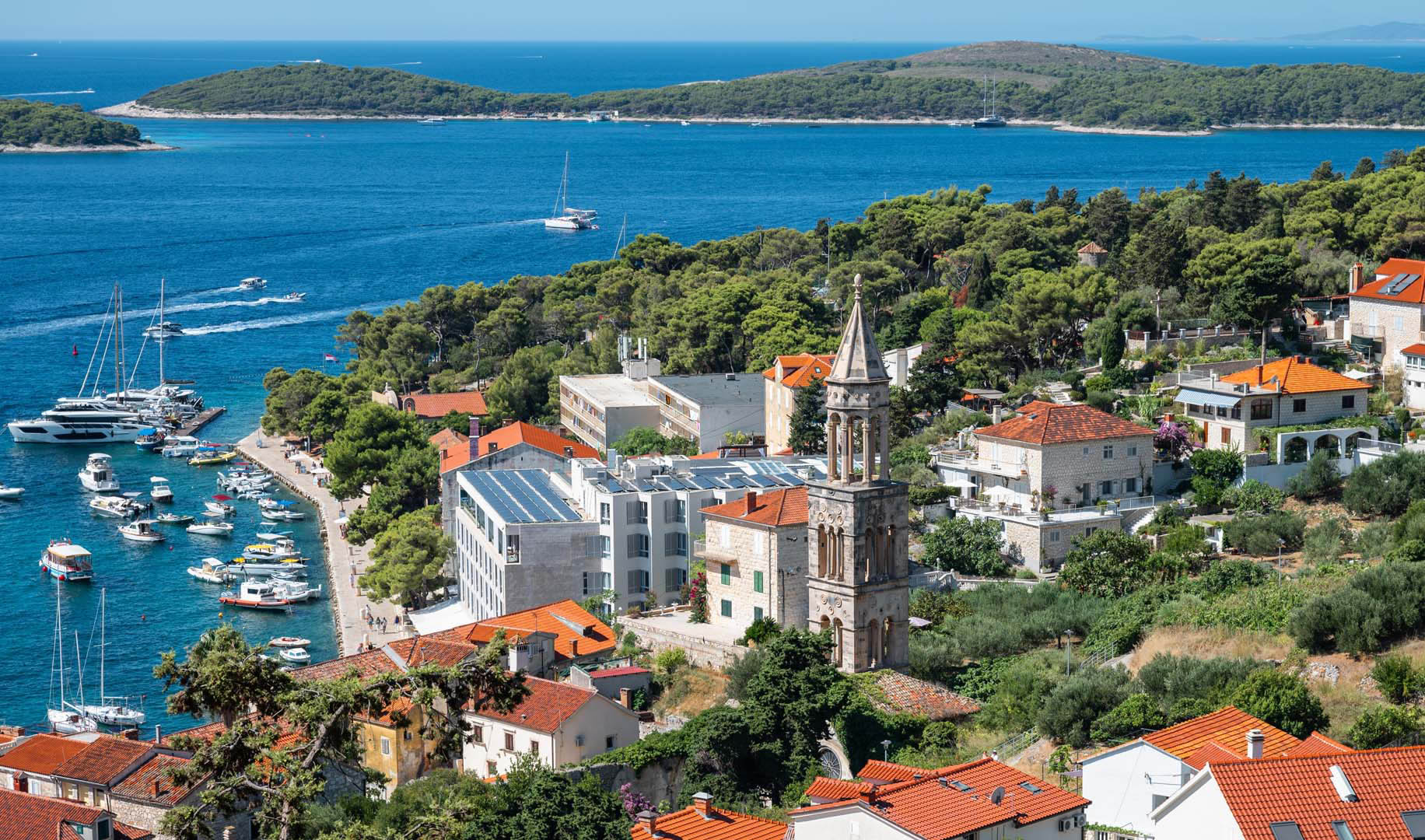
Trading the Hamptons for Hvar: A Summer on Croatia’s Most Glamorous Island
Categories
- Art
- Articles
- Business of Luxury
- Celebrities
- Culture
- Entertainment
- Events
- Faces of Summer 2026
- Fashion
- Fashion & Style
- Featured
- Finance
- Food, Spirits, Wine
- Hamptons
- Hamptons Celebrities
- Health
- Health & Beauty
- Lifestyle
- Luxury Lifestyle
- Press
- Profiles
- Real Estate
- Technology
- The Chronicles
- Travel
- Uncategorized
- Weddings