
Building a backyard deck should feel exciting, not stressful. With a bit of planning and some smart checks, you can avoid the errors that lead to wobbly railings, spongy boards, or surprise repairs later. Use these tips to guide your design, materials, and build quality from day one.

Skipping Permits And Code Requirements
Permits can feel like a hassle, but they protect your investment and your safety. Codes set minimum standards for structure, spans, and guardrails, and they help prevent the kinds of failures that show up years later when fasteners rust or footings heave.
Local officials take deck safety seriously. A county report noted that collapses and failures of decks, porches, and balconies add up to thousands of injuries each year, which is a clear signal that compliance matters from the start.
Plan your deck with the permit requirements in mind, schedule inspections early, and keep every signed document in a project folder for future reference.
Attaching The Ledger Incorrectly
The ledger board is the backbone connection between your house and the deck. If it is undersized, fastened with the wrong hardware, or installed without proper spacing from cladding, the deck can pull away from the home and fail.
This is where professional craft really shows. Homeowners often compare DIY plans to custom deck building, then realize how much detail goes into anchoring, fastening patterns, and lateral-load hardware. Before any boards go down, dry-fit the ledger, confirm bolt patterns and spacing, and verify that the rim joist you are fastening into is sound, straight, and accessible.
Quick checks for a safe ledger connection:
- Use approved structural fasteners, not drywall or generic screws.
- Follow the manufacturer’s spacing for bolts or screws across the full ledger.
- Add tension ties or lateral-load devices where required.
- Leave the necessary gap from the siding and integrate flashing correctly.
- Record photos of the attachment before you close anything up.
Poor Flashing And Waterproofing
Water is the silent deck killer. Without proper flashing, water rides behind siding, saturates sheathing, and rots the connection that holds the deck to the house. Rot develops out of sight, and by the time staining appears, the damage is often widespread.
Industry guidance for the 2024 residential code highlights a simple but critical detail: the water-resistive barrier should run continuously behind the ledger and lap over the vertical leg of the ledger flashing to shed water correctly.
That layered approach keeps bulk water out and pushes incidental water away from fasteners and wood. Combine continuous flashing with end-grain sealing on cuts, cap flashing over joists where needed, and well-sealed penetrations for a durable, dry assembly.
Underbuilding Footings And Posts
Footings carry everything. If they are too shallow, too small in diameter, or set in disturbed soil, seasonal movement can rack the frame and open gaps that grow.
Posts that lack proper uplift protection or are not centered on the footing can shift, stressing beams and railings.
Plan footings with soil conditions in mind and respect frost depth. Dig to undisturbed soil, bell out the base if required, and think about using forms that create a smooth, above-grade reveal to keep wood away from splash-back.
Set posts on approved hardware above concrete, never buried directly in soil or encased in concrete, and verify plumb in two directions before locking in beams.
Using The Wrong Fasteners
Not all metal is equal around treated lumber and outdoor water. Standard interior screws corrode quickly outside, and mixed-metal systems can set up galvanic reactions that stain and weaken the connection.
Hidden fasteners have specific requirements that vary by brand and board type. A city safety handout warns that inexperienced builders often choose the wrong materials, fasteners, or footings, which can lead to structural problems, hazards, and even collapses.
Match fasteners to the decking and framing species, use hot-dipped galvanized or stainless steel where required, and keep manufacturer guides on hand for any proprietary clips.
When in doubt, buy the fastener recommended by the decking brand and confirm compatibility with pressure-treated framing.
Ignoring Drainage And Board Spacing
Decks live outdoors, so drainage is designed, not an afterthought. Tight board spacing traps water and debris, leading to puddles, mildew, and freeze-thaw damage. Boards cup or rot, and the frame stays damp longer than it should.
Lay out your joists with a slight crown and orient crowns consistently to reduce ponding. Respect the deck board manufacturer’s gap recommendations at installation, remembering that wood moves with humidity and temperature.
Add a slight pitch away from the house, keep downspout terminations from dumping on the deck, and leave maintenance paths so you can sweep and rinse easily.
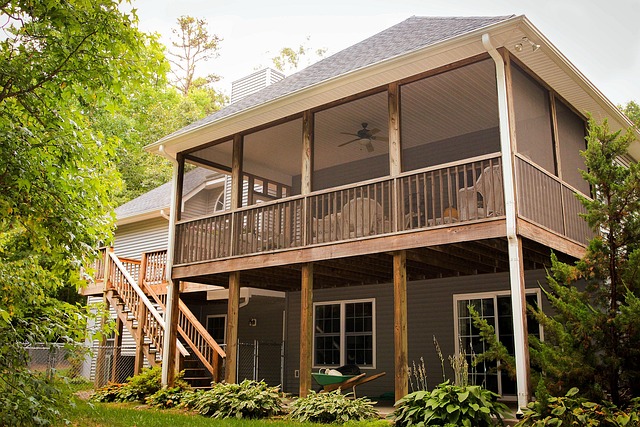
Overlooking Railings, Stairs, And Long-Term Maintenance
Rails and stairs are high-touch, high-stress components of the structure. Loose posts, wobbly handrails, and inconsistent riser heights create safety risks and fail inspections. Even small errors in post blocking or stair stringer layout can compound quickly.
Plan solid blocking where rail posts land, use through-bolts with approved washers and hardware, and pre-drill rails to avoid splitting. For stairs, keep treads consistent and install solid landings on stable bases.
A county article on deck safety underlines why these details matter: small mistakes accumulate into real hazards over time. Build in a maintenance plan from day one so you re-tighten connectors, clean surfaces, and reseal or refinish on a set schedule.
A great deck starts with sound choices that you cannot see when it is finished. Take the time to plan for water control, solid connections, and code compliance so the structure stays quiet, dry, and strong.
With the basics dialed in, the fun parts like lighting and furniture will last longer and feel better every day.
Author

Written by
Recent Posts
What Goes Into Planning a Professional Furnace Installation?
Why Sports Card Collecting Is More Than Just a Hobby
From Signature Scents to Scent Wardrobes: The Evolution of Personal Fragrance

Beyond the Booth: How Exhibition Design Is Creating New Brand Experiences

Trading the Hamptons for Hvar: A Summer on Croatia’s Most Glamorous Island
Categories
- Art
- Articles
- Business of Luxury
- Celebrities
- Culture
- Entertainment
- Events
- Faces of Summer 2026
- Fashion
- Fashion & Style
- Featured
- Finance
- Food, Spirits, Wine
- Hamptons
- Hamptons Celebrities
- Health
- Health & Beauty
- Lifestyle
- Luxury Lifestyle
- Press
- Profiles
- Real Estate
- Technology
- The Chronicles
- Travel
- Uncategorized
- Weddings