
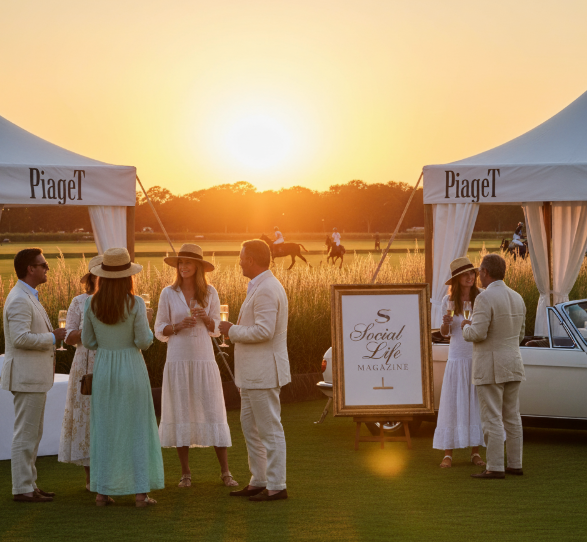
Men’s polo dress code operates in narrower lanes than women’s, which actually simplifies decisions. The rules are clearer. The acceptable range is smaller. Getting it right requires understanding the parameters rather than navigating infinite options.
This guide covers what actually works for men at Polo Hamptons 2026—the July 18 and 25 matches at 900 Lumber Lane, Bridgehampton. You’ll know exactly what to wear, what to avoid, and why the rules exist.
Tickets are available now. Sort the wardrobe before the calendar fills.
The Men’s Polo Aesthetic
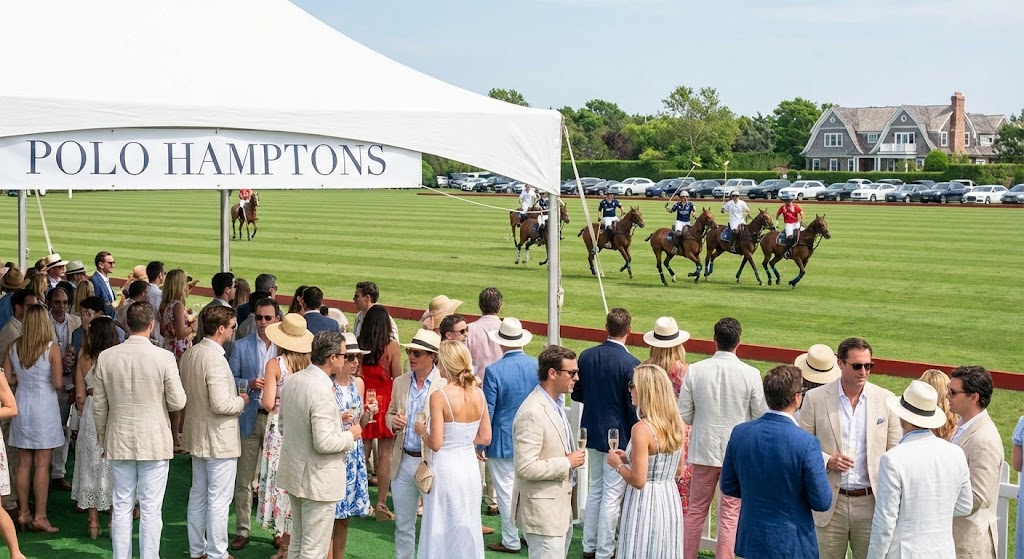
Men’s polo style exists on a spectrum from “sport coat with no tie” to “quality polo shirt with tailored trousers.” Both ends work. Everything in between works. Outside that spectrum creates problems.
Ralph Lauren ($7 billion) essentially invented this visual vocabulary. His brand and polo are inseparable in cultural consciousness. The aesthetic he codified—American sportswear elevated to sophistication—provides the template.
The goal: looking intentional without appearing overdressed. You want to seem like you understand the occasion, not like you’re trying too hard or not trying at all.
The Linen Suit: The Power Move
A well-fitted linen suit handles the polo assignment better than almost any alternative. You get structure, elegance, and summer appropriateness in one decision.
Why Linen Works
Linen breathes in July heat when other fabrics trap warmth. The natural fiber allows air circulation that synthetic alternatives can’t match. Yes, linen wrinkles—but quality linen wrinkles elegantly, and the wrinkles read as character rather than sloppiness when the suit fits properly.
The suit structure provides polish that separates you from the sport-coat-optional crowd. You’re clearly dressed for an occasion, not dressed for a casual afternoon that happens to include polo.
Color Options
Navy: The safest choice. Navy linen photographs well, works across multiple summer events, and reads as intentional without being flashy.
Khaki/Tan: Classic Hamptons aesthetic. The risk: khaki can blend into surroundings in photographs. Ensure enough contrast with your shirt to maintain visual distinction.
Cream/Off-White: Bold, beautiful, high-maintenance. White and cream show every mark immediately. If you’re comfortable with that vigilance, the look photographs stunningly.
Light Blue: Distinctive without being aggressive. Light blue linen stands out from the navy-and-khaki crowd while remaining entirely appropriate.
Fit Requirements
Fit determines whether linen reads sophisticated or sloppy. Linen’s natural drape requires proper tailoring to look intentional rather than shapeless.
Jacket: Shoulders should end at your shoulders—no extended or dropped shoulder that creates schlubby silhouette. The body should follow your shape without pulling or gapping. Sleeves should show approximately half-inch of shirt cuff.
Trousers: Modern fit without extreme skinny or relaxed cuts. The break should be minimal—no pooling of fabric at the shoe. Linen trousers that puddle look significantly worse than properly hemmed alternatives.
Unstructured vs. Structured: Unstructured jackets (minimal shoulder padding, soft construction) work better for summer and outdoor settings. Heavily structured jackets feel too formal for afternoon polo.
How to Wear It
No tie. This rule admits no exceptions at summer polo. Open collar—either a dress shirt unbuttoned at the neck or a quality polo shirt underneath the jacket.
Shirt options: Light-colored dress shirt (white, light blue, subtle pattern) with top button or two open. Quality polo shirt in complementary color. Either works; choose based on how formal you want to read.
Sport Coat Alternative
If a full suit feels like too much, a sport coat with separate trousers achieves similar effect with more flexibility.
Jacket Selection
Unstructured Blazers: Soft shoulder, minimal padding, lighter construction. These read as intentional rather than borrowed from your office wardrobe.
Linen or Cotton Jackets: Summer fabrics in navy, blue, khaki, or muted patterns. The fabric should breathe; the cut should be relaxed but not sloppy.
Avoid: Heavy wool blazers meant for office or winter. Dark, formal suit jackets that clearly came from a business suit. Anything that reads as “I wore the jacket from my interview suit.”
Trouser Pairing
Coordinate without matching. Navy jacket with khaki trousers. Tan jacket with white or cream trousers. Blue jacket with light gray pants.
Chinos: Tailored chinos in appropriate colors work perfectly. Ensure they’re fitted properly—baggy chinos undermine the sport coat’s polish.
Linen Trousers: Pair with cotton or linen-blend jackets for cohesive summer aesthetic.
White Jeans: Quality white jeans (not distressed, not tight) can work with the right jacket. This reads more casual than chinos but remains within acceptable bounds.
The Polo Shirt Route
At the casual end of acceptable, a quality polo shirt with tailored trousers handles polo appropriately. This approach requires execution precision—the margin for error is smaller than with a jacket.
Polo Shirt Requirements
Quality: This isn’t the moment for your golf course beater polo. Quality piqué cotton, proper fit, no logos larger than subtle breast placement. Think Ralph Lauren Purple Label aesthetic, not big-box store three-pack.
Fit: The polo should fit your body—not hanging loosely, not skin-tight. Sleeves should hit mid-bicep. Length should allow tucking or untucking depending on trouser style.
Color: Solid colors work most reliably. Navy, white, light blue, and muted tones photograph well. Bold colors can work if you want to stand out. Avoid busy patterns or aggressive graphics.
Completing the Look
Without a jacket, the rest of the outfit carries more weight.
Trousers: Tailored chinos or linen pants are mandatory. The trousers must be properly fitted—baggy pants with a polo shirt reads as “didn’t try” rather than “casual elegance.”
Belt: Quality leather belt that matches or coordinates with shoes. The belt is visible and matters.
Shoes: Loafers or quality minimal sneakers. Without a jacket, shoe choice affects overall formality significantly.
Footwear: What Works on Grass
You’ll stand, walk on grass, and navigate potentially uneven surfaces. Footwear must be practical and aesthetically appropriate.
Loafers: The Default Choice
Loafers work across the entire acceptability spectrum from full suit to polo shirt.
Penny Loafers: Classic American style. Brown leather, burgundy, or tan. Works with everything from linen suits to chinos.
Horsebit Loafers: Gucci-style horsebit detail adds visual interest. Slightly dressier than penny loafers but still appropriate.
Suede Loafers: Summer-appropriate texture. Tan, navy, or brown suede reads seasonally. Avoid getting them wet.
Belgian Loafers: Small bow detail, often unlined. These read as knowing—someone who understands this level of detail understands the occasion.
Sockless or No-Show
The loafer-with-no-visible-sock look defines summer. Either go truly sockless or use no-show socks that remain invisible. Visible socks with loafers reads as missing the point.
Clean White Sneakers
At the casual end of acceptable, quality minimal white sneakers can work. The operative words: quality, minimal, white, clean.
What Works: Common Projects, Koio, or similar minimal leather sneakers. Clean, unscuffed, clearly intentional rather than athletic.
What Doesn’t: Athletic sneakers, running shoes, basketball shoes, distressed sneakers, chunky sneakers, or any shoe you’d actually exercise in.
Other Options
Suede Bucks: Classic summer shoes in tan, dirty buck, or navy. Work well with linen suits and sport coats.
Drivers: Moccasin-style with rubber nub soles. Comfortable, summer-appropriate, slightly more casual than loafers.
What to Avoid
Flip-Flops: No. Not even expensive ones. This is polo, not beach.
Athletic Shoes: No running shoes, no tennis shoes, no basketball shoes. The setting doesn’t accommodate athletic footwear regardless of brand or price.
Heavy Dress Shoes: Oxford brogues and formal dress shoes read as office transplant rather than summer appropriate. Leave them for business settings.
Sandals: Men’s sandals rarely work at this level of occasion. Stick with closed-toe options.
The Tie Question: Definitively Answered
No tie. This instruction requires no elaboration, qualification, or exception. A tie at summer afternoon polo reads as someone who didn’t understand the assignment. Open collar—always, without exception.
Accessories
Sunglasses
Essential, not optional. Three hours of July afternoon sun requires eye protection. Quality sunglasses complete the look while serving practical purpose.
Classic Options: Wayfarers, aviators, or clubmaster styles work universally. Choose frames that suit your face shape.
Investment Level: The Hamptons context and guest demographic mean quality reads. Persol, Ray-Ban, Oliver Peoples, or similar brands fit the environment.
Watch
If you wear a watch, this is the occasion. The 89% luxury watch purchase rate among Polo Hamptons guests means quality pieces fit the context perfectly.
Steel sport watches, dress watches, or quality vintage pieces all work. Avoid overly casual digital watches or fitness trackers as primary wrist pieces.
Belt
If your shirt is tucked, the belt is visible and matters.
Leather: Quality leather in brown or tan to coordinate with shoes. The belt shouldn’t be the focal point but shouldn’t look cheap either.
Width: Standard dress belt width (1.25-1.5 inches). Nothing too wide or too narrow.
Buckle: Simple, classic buckle. No oversized logos, novelty shapes, or attention-grabbing designs.
Pocket Square
Optional addition for sport coat or suit wearers. A white linen pocket square in simple fold adds polish without demanding attention. Avoid overly complex folds or aggressive patterns that compete with the overall look.
Common Mistakes to Avoid
The Tie: Worth repeating. No tie. None.
Over-Formality: Dark suits, formal dress shoes, and business attire read as misunderstanding the occasion. This is summer polo, not a board meeting.
Under-Formality: Shorts, casual t-shirts, athletic wear, or anything you’d wear to a barbecue falls below the threshold.
Poor Fit: Baggy trousers, ill-fitting jackets, or sloppy proportions undermine otherwise appropriate clothing. Fit matters more than brand or price.
Wrong Shoes: Athletic footwear, flip-flops, or heavy formal shoes mark you as not understanding the context.
Visible Effort: The goal is looking like this comes naturally. Trying too hard—too many accessories, too coordinated, too fashion-forward—reads as insecurity rather than sophistication.
Sample Outfits
Classic Polo: Navy linen suit, white dress shirt open at collar, tan suede loafers, no socks, aviator sunglasses, quality watch.
Sport Coat Approach: Unstructured khaki blazer, white linen trousers, light blue polo shirt, brown leather penny loafers, tortoise sunglasses.
Refined Casual: Navy polo shirt, cream chinos, white leather minimal sneakers, brown leather belt, classic wayfarer sunglasses.
Summer Elegance: Light blue linen suit, white polo shirt, tan suede drivers, no socks, sport watch, white linen pocket square.
👔 POLO HAMPTONS 2026
July 18 & 25 | Bridgehampton, NY | 4 PM – 7 PM
Get Tickets at PoloHamptons.com
Dress code: No tie. Ever.
Connect With Polo Hamptons 2026
Tickets and Information:
PoloHamptons.com
Contact: Justin Mitchell | [email protected]
Feature Articles, Advertising, and Brand Partnerships:
Contact Social Life Magazine
Join Our Email List:
Subscribe for Hamptons Insider Updates
Social Life Magazine Print Subscription:
Get Your Subscription
Support Our Coverage:
Donate $5 to Social Life Magazine
Related Articles
What to Wear to Polo Hamptons 2026: The Definitive Style Guide
Polo Hamptons Women’s Style Guide 2026: Dresses, Accessories, and What Works
Polo Hamptons Fashion Mistakes: What Not to Wear in 2026
The Complete Guide to Polo Hamptons 2026: Tickets, Sponsorships, and Insider Access
Author

Written by
Recent Posts
hiTechMODA Season 16
How to Keep Your Personal Number Private When Booking Events, Rentals and Services
Understanding Compensatory Damages in a Personal Injury Case

When Online Family Therapy Makes Sense for Modern Families
Carrier Oils, Essential Oils, and Oil Blends: What Beauty Brands Need to Know
Categories
- Art
- Articles
- Business of Luxury
- Celebrities
- Culture
- Entertainment
- Events
- Faces of Summer 2026
- Fashion
- Fashion & Style
- Featured
- Finance
- Food, Spirits, Wine
- Hamptons
- Hamptons Celebrities
- Health
- Health & Beauty
- Lifestyle
- Luxury Lifestyle
- Press
- Profiles
- Real Estate
- Technology
- The Chronicles
- Travel
- Uncategorized
- Weddings