
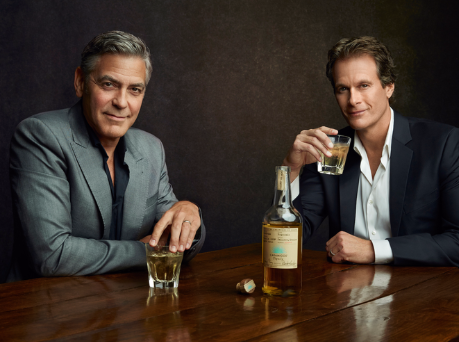
George Clooney earned more from selling tequila than from his entire film career. Casamigos, the brand he co-founded with Rande Gerber, sold to Diageo for $1B in 2017. Clooney’s personal take exceeded $500M after earnouts. Three decades of acting, directing, and producing generated roughly $200M. One spirits exit generated more than double.

The math only makes sense when you understand what Diageo was actually buying. Not tequila. Diageo was buying embedded marketing infrastructure—a famous face that reduced customer acquisition costs by an estimated $50M+ annually. This is the celebrity private equity premium, and it has fundamentally changed how fortunes are built in entertainment. According to Bain & Company’s private equity analysis, celebrity-attached consumer brands now command 2–3x the acquisition multiples of equivalent non-celebrity brands. The same pattern appears across spirits, beauty, fashion, and wellness. Private equity has learned that celebrity attachment creates a moat no amount of paid advertising can replicate.
What follows is a breakdown of why the PE premium exists, who has captured it best, and how it applies at every wealth level—from the emerging creator building metrics PE scouts want to see, to the dynasty architect executing serial exits across a portfolio of brands. Five case studies. Four wealth tiers. One structural shift that separates celebrities who build businesses from celebrities who build empires.
Why Private Equity Pays Premium Multiples for Celebrity Brands
George Clooney: $500M and the Casamigos Blueprint
George Clooney did not set out to build a billion-dollar brand. Casamigos began as what he called “a tequila for the house”—a private-label project for personal consumption. However, the brand’s organic growth attracted Diageo’s attention, and the acquisition math revealed why celebrity private equity deals have become the most lucrative exit strategy in consumer products.
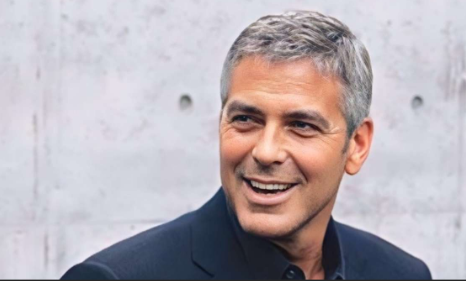
Diageo paid approximately 50x revenue for Casamigos. A comparable non-celebrity tequila brand would command 15–20x at most. The difference—the PE premium—reflects Clooney’s value as permanent marketing infrastructure. Every time Clooney appears on a talk show, attends a premiere, or gets photographed at a restaurant, Casamigos receives earned media worth millions in equivalent paid advertising. According to Harvard Business Review’s analysis of celebrity brand economics, this embedded media value reduces customer acquisition costs by 40–60% compared to brands that must purchase equivalent exposure. Diageo did not buy bottles. Diageo bought a customer acquisition engine that runs on celebrity oxygen.
Ryan Reynolds: $350M Through Serial PE Exits
Ryan Reynolds has turned the celebrity private equity premium into a repeatable playbook. Aviation Gin sold to Diageo for an estimated $610M, with Reynolds’ personal take around $200M. Rather than retire on the proceeds, he applied the same model to Mint Mobile, taking an ownership stake and building the brand through his signature comedic marketing. T-Mobile acquired Mint Mobile for $1.35B in 2023.
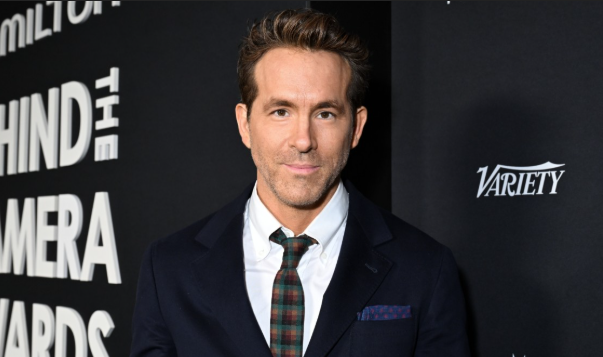
The Reynolds approach demonstrates a critical insight about the PE premium: it is renewable. Unlike a film career where earning power diminishes with age, celebrity attachment to consumer brands can generate multiple exits across different categories. Furthermore, Reynolds’ marketing agency Maximum Effort now packages this capability for other brands, effectively productizing the celebrity private equity premium itself. The agency attracts PE interest not just for its creative output but for its demonstrated ability to manufacture the conditions that command premium acquisition multiples.
Margot Robbie: $80M and the Production Company Play
The celebrity private equity premium extends beyond consumer products. Margot Robbie’s LuckyChap Entertainment represents a different application of the same principle: celebrity attachment as embedded value that commands premium valuation.
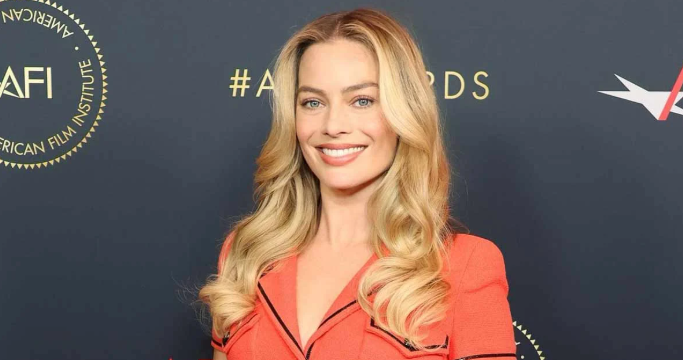
LuckyChap produced I, Tonya, Promising Young Woman, and Barbie—the latter grossing $1.4B worldwide. The production company’s value to potential acquirers or PE investors lies not just in its track record but in Robbie’s ongoing attachment. Her involvement attracts talent, secures distribution deals, and generates press coverage that a production company without celebrity attachment would need to purchase. In other words, the PE premium applies to content production just as it applies to consumer goods. The celebrity face reduces friction at every stage of the value chain, and PE firms price that reduction into their acquisition multiples.
Kendall Jenner: $90M and the 818 Tequila Trajectory
Kendall Jenner’s 818 Tequila illustrates the celebrity private equity premium in formation. The brand launched in 2021 and reached an estimated $400–700M valuation within three years—a trajectory that non-celebrity spirits brands simply cannot match without decades of marketing spend.
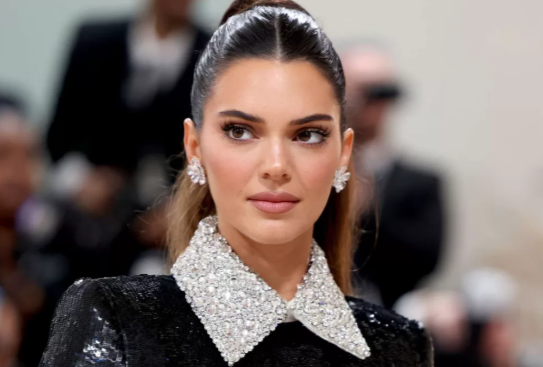
The 818 case study reveals how PE scouts evaluate celebrity brands. First, they assess the authenticity of celebrity attachment: Is the founder genuinely involved, or is this a licensing deal that can be terminated? Jenner’s equity stake and operational involvement signal permanent attachment. Second, they model the customer acquisition cost advantage: Jenner’s 294M Instagram followers represent a distribution channel that would cost competitors $100M+ annually to replicate through paid media. Third, they project exit scenarios: 818’s growth trajectory positions it for a Casamigos-style acquisition within the next 3–5 years. According to McKinsey’s consumer insights, celebrity-founded spirits brands that demonstrate authentic founder involvement achieve exit valuations 2.5x higher than comparable licensed brands.
Jay-Z: Serial Exits and the Dynasty Model
The most sophisticated application of the celebrity private equity premium is serial execution across a diversified portfolio. Jay-Z sold Armand de Brignac champagne to LVMH for an estimated $300M. He sold Tidal to Square for $297M. He maintains Roc Nation, which commands PE-level valuations as a talent management and entertainment infrastructure company. Each exit funds the acquisition or launch of the next brand, compounding the premium across multiple categories.
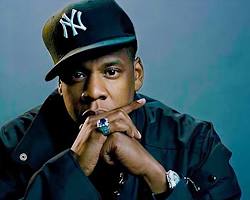
This portfolio approach represents the dynasty-level application of celebrity private equity strategy. Rather than betting on a single brand exit, the serial model creates multiple shots at premium multiples while diversifying risk. Consequently, if one brand underperforms, the portfolio absorbs the loss while other holdings continue appreciating. Jay-Z’s estimated $2.5B net worth is not the result of music royalties or touring revenue. It is the result of systematically capturing the PE premium across spirits, streaming, sports management, cannabis, and real estate—each category benefiting from celebrity attachment that reduces customer acquisition costs and commands premium exit valuations.
How the PE Premium Applies at Every Wealth Level
The celebrity private equity premium is not reserved for billionaires negotiating with LVMH. The same structural dynamics operate at every scale. The difference is which metrics matter at each tier and what type of capital you are positioning to attract. Similarly, the mistake most founders make is building for customers when they should be building for acquirers.
Tier 1: Emerging ($1M–$10M)
Build the metrics PE scouts want to see. At this tier, you are not positioning for a Diageo acquisition. You are positioning for angel syndicates and micro-PE funds that specialize in creator-led brands. The metrics that matter: recurring revenue, subscriber growth rates, engagement rates, and customer acquisition cost efficiency. Specifically, even a micro-brand generating $2M in annual revenue can attract sophisticated capital if the unit economics demonstrate that celebrity attachment is reducing CAC. Document everything. PE diligence will examine your marketing efficiency ratios, and the cleaner your data, the higher your multiple.
Tier 2: Established ($10M–$100M)
Structure deals for PE-attractive exit from day one. Bethenny Frankel sold Skinnygirl to Beam for $100M because she built it as an acquirable asset, not a personal project. The structural decisions that increase PE attractiveness: clean cap tables with minimal investor drag, proven management teams that can operate without founder involvement, and defensible category positions that justify premium multiples. At this tier, furthermore, the goal is not just growth but growth that demonstrates scalability independent of founder time. PE buyers discount brands that cannot function without the celebrity’s daily attention.
Tier 3: Mogul ($100M–$500M)
Attract strategic PE partners pre-exit to accelerate valuation. Kim Kardashian brought Goldman Sachs into Skims at a $4B valuation before the Nike collaboration. The strategic capital served multiple functions: it validated the valuation for future acquirers, provided operational expertise to scale beyond founder capacity, and created competitive tension among potential buyers. At this tier, meanwhile, the celebrity private equity premium compounds through institutional validation. Goldman’s investment in Skims signals to Diageo, LVMH, and other strategic acquirers that the brand has been diligenced by sophisticated capital and passed.
Tier 4: Dynasty ($500M–$5B+)
Create multiple PE-exit opportunities across a diversified portfolio. The Jay-Z model: sell Armand de Brignac to LVMH, sell Tidal to Square, maintain Roc Nation for ongoing cash flow, and redeploy capital into new categories where celebrity attachment can command premium multiples. At this tier, the strategic question shifts from “how do I exit this brand?” to “how do I construct a portfolio that generates serial exit opportunities while maintaining enough retained equity to benefit from long-term appreciation?” The ownership inflection point that started the climb becomes the foundation for intergenerational wealth transfer.
Why the PE Premium Is Expanding in 2026
Three forces are driving premium multiples higher for celebrity-attached brands, creating a window of opportunity that will not remain open indefinitely.
First, customer acquisition costs across digital channels have increased 40–60% since 2020. According to McKinsey’s marketing research, the average cost to acquire a customer through paid social media has nearly doubled in five years. This inflation makes celebrity attachment more valuable, not less. A founder with 10M engaged followers possesses a customer acquisition channel that competitors must spend $50M+ annually to replicate. PE firms are pricing this advantage more aggressively than ever.
Second, the success of Casamigos, Skims, and Fenty Beauty has created a proven playbook that reduces PE investment risk. A decade ago, celebrity brand exits were anomalies that required bespoke deal structures. By 2026, however, they represent a established category with standardized diligence frameworks, comparable transaction data, and predictable integration pathways for strategic acquirers. Reduced risk tolerance for celebrity deals means more capital chasing the same opportunities, which drives multiples higher.
Third, the brand extension ladder is compressing. Celebrities who once needed decades to build licensable brand equity now achieve it in years through social media. This acceleration means more founder-led brands reaching PE-attractive scale simultaneously, but it also means the window for establishing dominant category positions is narrowing. The celebrities who move first into underserved categories will capture the outsized PE premiums. As a result, the ones who wait will compete against established players with lower exit multiples.
What This Means for Your Next Move
Every brand you build is either positioned for PE exit or it is not. There is no neutral ground. The structural decisions you make today—cap table construction, management team composition, metric documentation, category selection—determine whether you capture the celebrity private equity premium or leave it on the table.
Consider the people who operate in the Hamptons ecosystem, who read Social Life Magazine and attend Polo Hamptons. They understand that conversations about brand exits happen at Further Lane dinners and Meadow Lane benefits years before the deals close. In contrast, the founders who wait for inbound PE interest have already ceded negotiating leverage. The founders who build for acquirers from day one command premium multiples because they have constructed exactly what PE scouts want to buy.
Up next in The Chronicles: the resource that makes celebrity wealth possible in the first place. The attention arbitrage insight reveals why screen time is a depreciating asset and how the celebrities who build generational wealth treat every minute of camera exposure as marketing spend for businesses they own, not as revenue itself.
Continue Reading The Chronicles
→ George Clooney Net Worth: How Casamigos Generated More Than His Film Career
→ The Brand Extension Ladder: From Personal Fame to Portfolio Company
The brands featured in Social Life Magazine are positioned alongside the Hamptons’ most influential names. For features, advertising, and strategic collaborations on celebrity private equity positioning: sociallifemagazine.com/contact
Polo Hamptons is where PE conversations begin and where the next celebrity brand exit gets discussed first. Tickets and sponsorships: polohamptons.com
The best deals in the Hamptons happen before they are announced. Our list hears first. Subscribe to the Social Life insider briefing.
25,000 copies per summer issue reach every boutique from Westhampton to Montauk. 15,000 fall/winter editions land in Upper East Side doorman buildings. Print subscription →
Independent media tracking celebrity private equity, brand exits, and the economics of fame. Support The Chronicles — $5 keeps it free for everyone.
Author

Written by
Recent Posts

AI for personal finance: where PennyGuard fits
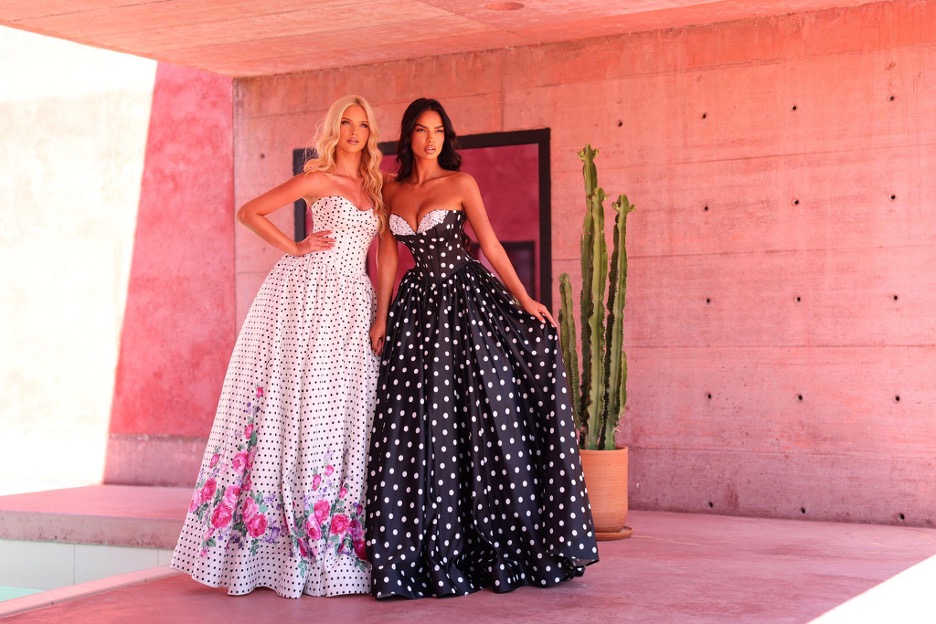
How to Pick a Homecoming Dress for Your Body Type (and Feel Amazing in It)

World Cup Injury Attorney for Vancouver Events
What a 3-Carat Engagement Ring Actually Costs in 2026: The Real Numbers
The Skincare Habits That Make a Real Difference Over Time
Categories
- Art
- Articles
- Business of Luxury
- Celebrities
- Culture
- Entertainment
- Events
- Faces of Summer 2026
- Fashion
- Fashion & Style
- Featured
- Finance
- Food, Spirits, Wine
- Hamptons
- Hamptons Celebrities
- Health
- Health & Beauty
- Lifestyle
- Luxury Lifestyle
- Press
- Profiles
- Real Estate
- Technology
- The Chronicles
- Travel
- Uncategorized
- Weddings