
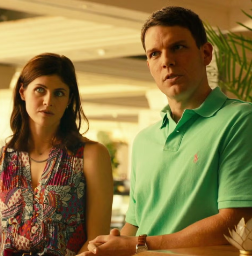
A Field Guide to the People at Your Next Benefit Dinner
The Hook
You’ve met every character in White Lotus Season 1. Not on screen—at the club, the benefit, the sharehouse dinner where someone’s boyfriend won’t stop talking about his fund. Mike White didn’t invent these people. He photographed them in high definition and added a score by Cristobal Tapia de Veer that sounds like your anxiety given a musical education. Here’s your field guide to recognizing them in the wild.
The Mossbachers: The Family That Votes Blue and Invests Red
Nicole Mossbacher (Connie Britton)
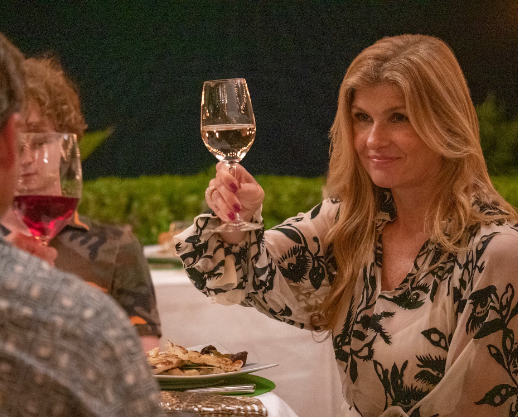
Nicole is the woman at the benefit dinner who mentions her company’s DEI initiatives in the same breath as her equity portfolio. She genuinely believes in equality—right up until it threatens her family’s net worth. You’ve seated her at your table at a Wolffer Estate fundraiser. In fact, she brought the most expensive wine and the most progressive talking points. Neither one is sincere.
Mark Mossbacher (Steve Zahn)
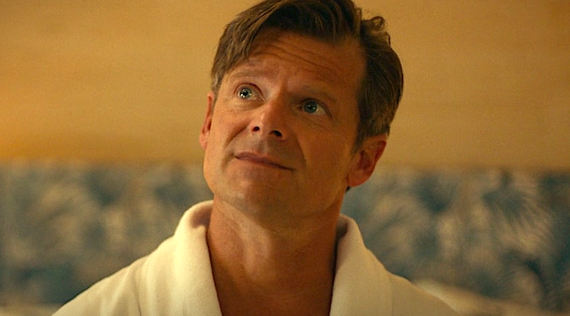
Mark is the husband who peaked in college and has been running on proximity to his wife’s success ever since. His health scare storyline isn’t really about mortality. Instead, it’s about the terror of discovering he’s irrelevant even within his own family. You’ve seen him at the Surf Lodge, two Aperol Spritzes deep, telling a story nobody asked for about the marathon he ran in 2014.
Olivia Mossbacher (Sydney Sweeney)

Olivia is performing intellectualism the way her mother performs progressivism—as a weapon. The Nietzsche and Freud books poolside aren’t for enlightenment. They’re status signals for a generation that treats reading lists like designer labels. Nevertheless, you’ve absolutely met her. She’s the girl at the sharehouse who name-drops her thesis advisor and asks pointed questions about your family’s charitable giving.
Quinn Mossbacher (Fred Hechinger)
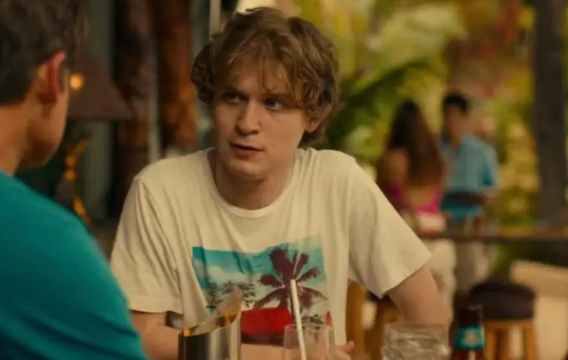
Quinn is the only character who actually grows. Consequently, he’s the one nobody talks about at dinner parties. His arc—from screen-addicted teenager to someone who chooses paddling outrigger canoes with locals over returning to his family’s gilded cage—is the show’s most radical proposition: what if the healthiest response to generational wealth is to simply walk away?
The Pattons: The Wedding Industrial Complex, Personified
Shane Patton (Jake Lacy)
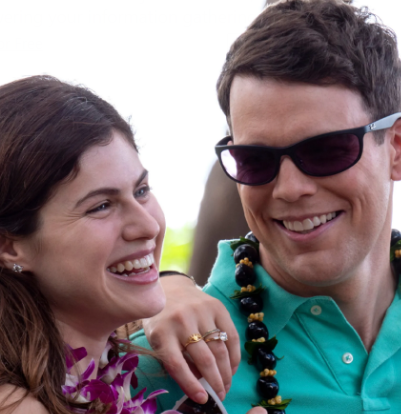
Shane is the most dangerous person at the resort because he believes he’s the most reasonable. His fight over the hotel suite isn’t about the suite. Rather, it’s about a man whose entire identity is built on being right, being served, and being his mother’s golden child. You know exactly who Shane is. He’s the guy at the real estate closing who makes the broker cry and then asks where everyone’s going for dinner.
Rachel (Alexandra Daddario)

Rachel is the cautionary tale nobody at the resort can see because they’re all living it. She traded a journalism career for a wealthy husband and figured out the exchange rate on day one of the honeymoon. Above all, her quiet devastation is the most relatable emotion on the show—the dawning realization that you sold something you can’t buy back. She’s the woman at the charity luncheon who has everything and can’t remember why she wanted any of it.
The Lone Wolves
Tanya McQuoid (Jennifer Coolidge)
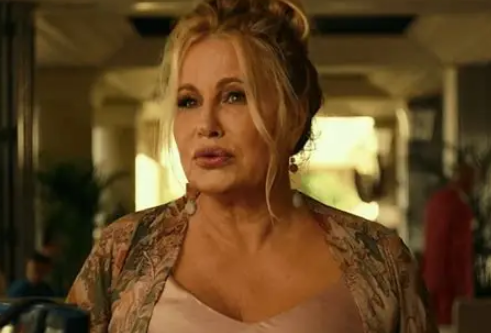
Tanya is the emotional center of the entire series, and she doesn’t even know it. Wealthy beyond need, grieving beyond comfort, desperate for connection beyond purchase. She tips too much, talks too much, and gives too much—not out of generosity but out of the terrified hope that money can manufacture intimacy. You’ve met her at the Parrish Art Museum gala. Specifically, she’s the woman who donated six figures and still spent the after-party alone.
Belinda (Natasha Rothwell)
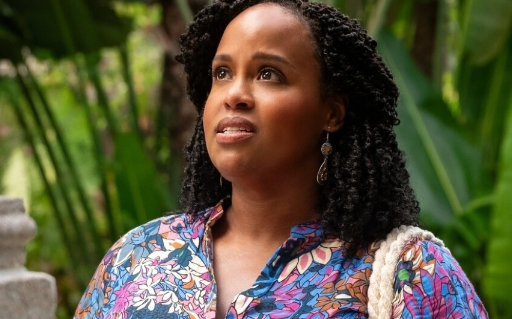
Belinda is the only person at the resort who actually works for a living, and her storyline is the most brutal indictment of the entire system. Her hope—that Tanya’s emotional connection might translate into a real business opportunity—is the hope of every service professional who’s ever been told “we should totally do something together” by a client who disappears the moment the check is paid. Accordingly, her final scene is the most devastating three minutes of television that year.
Armond (Murray Bartlett)
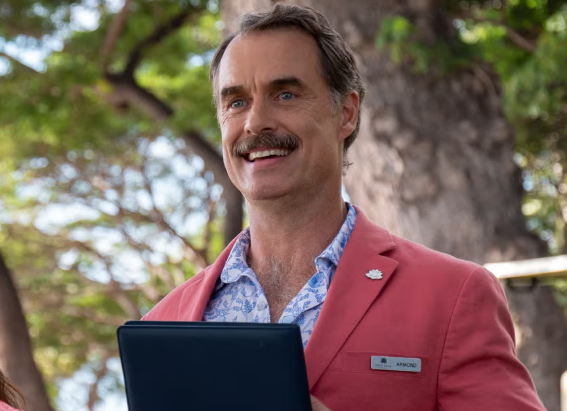
Armond is the smile that keeps the machinery running. His descent into substance abuse isn’t a character flaw—it’s an occupational hazard of performing deference for a living. He’s the general manager at the members-only club who remembers your drink, your name, and your preferred table, all while his own life decomposes behind the service entrance. In essence, his Emmy-winning performance is a tribute to everyone who’s ever smiled through a shift they wanted to scream through.
The Social Life Angle
These aren’t fictional archetypes. They’re composites drawn from every Hamptons summer, every charity gala, every overheard conversation at the American Hotel in Sag Harbor. Mike White’s genius is that he doesn’t judge these people. He simply turns up the resolution until you can see every pixel of their discomfort. For readers of Social Life Magazine, the question isn’t whether you recognize these characters. It’s which one is sitting at your table this weekend.
The Verdict
White Lotus Season 1 gave us a cast of characters so precisely observed that they function as a social diagnostic tool. Share this piece with someone and watch which character they identify with versus which one their friends would assign them. The gap between those two answers is the entire point of the show.
Continue the Series
- Jennifer Coolidge Net Worth 2026: The Resurrection That Rewrote Hollywood’s Rules
- Sydney Sweeney Net Worth 2026: The Empire Behind Euphoria’s Breakout Star
- White Lotus: The Ultimate Insider’s Guide
Polo Hamptons 2026 tickets and sponsorships: polohamptons.com
Subscribe to the print edition or join our email list for insider access to luxury lifestyle content you won’t find anywhere else.
Support independent luxury journalism: Donate $5
Author
Written by
Recent Posts
hiTechMODA Season 16
How to Keep Your Personal Number Private When Booking Events, Rentals and Services
Understanding Compensatory Damages in a Personal Injury Case

When Online Family Therapy Makes Sense for Modern Families

Carrier Oils, Essential Oils, and Oil Blends: What Beauty Brands Need to Know
Categories
- Art
- Articles
- Business of Luxury
- Celebrities
- Culture
- Entertainment
- Events
- Faces of Summer 2026
- Fashion
- Fashion & Style
- Featured
- Finance
- Food, Spirits, Wine
- Hamptons
- Hamptons Celebrities
- Health
- Health & Beauty
- Lifestyle
- Luxury Lifestyle
- Press
- Profiles
- Real Estate
- Technology
- The Chronicles
- Travel
- Uncategorized
- Weddings