
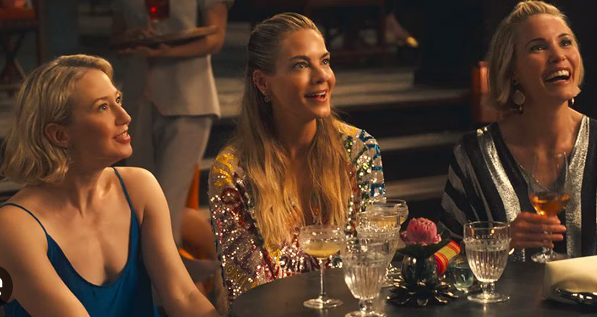
The White Lotus dining scenes tell you everything about power dynamics before a single word lands. Nobody on this show eats like a normal person. Cocktails arrive without being ordered. Wine selections signal character long before dialogue catches up. And every meal operates as a power negotiation disguised as dinner. We tracked every significant food and drink moment across all three seasons. Here’s the complete White Lotus dining guide for people who want to consume like the cast, minus the collateral damage.
Season 1 White Lotus Dining: Hawaiian Cocktail Culture
The Poolside Economy
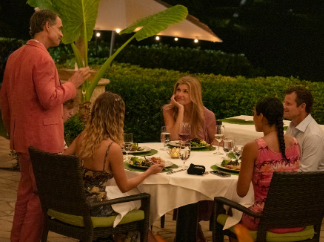
The Four Seasons Maui at Wailea operates a poolside cocktail program that became Season 1’s visual heartbeat. Characters ordered tropical drinks functioning as social props. Shane Patton’s beer selections screamed frat boy cosplaying as adult. Meanwhile, Tanya McQuoid’s elaborate cocktails with umbrellas broadcast a woman substituting presentation for substance.
The hotel’s real bar program leans heavily on Hawaiian ingredients. These include li hing mui, macadamia nut orgeat, and fresh Maui pineapple juice. Importantly, these aren’t tourist drinks with plastic leis attached. Instead, they represent serious cocktail culture that happens to exist in paradise.
Dinner scenes relied on Ferraro’s restaurant, where Italian-influenced Hawaiian cuisine operates at prices communicating one thing: if you need to ask, this vacation exceeds your league. BCG’s research on luxury experiential spending shows high-net-worth consumers now allocate more to food experiences than material goods. The White Lotus captures this shift perfectly.
Season 2 White Lotus Dining: Sicilian Wine as Ammunition
Etna Wines and the Power Pour
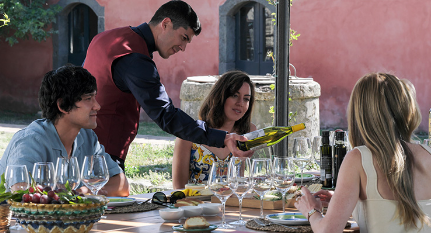
Season 2 relocated to San Domenico Palace in Taormina. Consequently, the wine selections became significantly more pointed. Sicily’s wine renaissance provided the perfect backdrop. Etna Rosso, made from Nerello Mascalese grapes grown in volcanic soil, has become the wine world’s most coveted expression. Characters ordering it signaled awareness of a trend that hadn’t reached mainstream consciousness yet.
The Principe Cerami restaurant holds a Michelin star and serves cuisine rooted in Sicilian tradition. Cameron and Daphne’s wine choices reflected their approach to everything: expensive, performative, and selected primarily for appearances. By contrast, local trattoria scenes offered authentic food culture operating without the hotel’s markup.
The Aperitivo Strategy
Season 2’s aperitivo scenes deserve special attention. The Italian tradition of pre-dinner drinks functions differently than American happy hour. Specifically, it moves slower and carries social codes about timing and invitation. In White Lotus Sicily, aperitivo became the zone where characters dropped their guard. Alliances and betrayals germinated before the main event. Negronis and Aperol Spritzes appeared frequently. Both drinks communicate European fluency while remaining accessible enough to order confidently.
Season 3 White Lotus Dining: Thai Cuisine as Spiritual Reckoning
Resort vs. Street Food: The Class Divide on a Plate
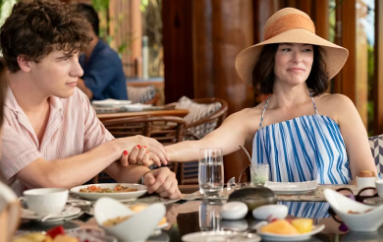
Thailand presented the most complex food landscape of any season. Resort fine dining operated in familiar luxury territory. Beautifully plated Thai-fusion arrived alongside international wine lists with $200 markups. However, the show also ventured into Bangkok street food culture. There, a $3 pad Thai genuinely tastes better than the $45 hotel version. This tension between authentic and curated experience runs through every Season 3 frame.
Rosewood Phuket’s Ta Kai restaurant appeared in the show’s dinner scenes. It serves Southern Thai cuisine that takes the region’s aggressive flavors seriously. McKinsey’s Southeast Asian analysis notes that Thailand’s hospitality sector now translates local culinary traditions into luxury experiences without sacrificing authenticity.
Thai Cocktails Nobody Talks About
Thai cocktail culture draws on ingredients most Western bars can’t access. Lemongrass, galangal, kaffir lime, butterfly pea flower, and infused spirits create a vocabulary operating on a different frequency. The Four Seasons Koh Samui’s bar program incorporates these elements into drinks that look stunning and deliver genuine complexity. For home bartenders, sourcing authentic Thai ingredients has become easier through specialty importers. Nevertheless, the experience of drinking a lemongrass gin cocktail while overlooking the Gulf of Thailand remains stubbornly un-replicable.
How to Drink Like White Lotus at Home: The Dining Guide Essentials
This White Lotus dining guide wouldn’t be complete without practical notes. You can approximate the aesthetic through strategic sourcing. Etna Rosso wines from Benanti, Passopisciaro, and Graci deliver Sicilian volcanic character at $25 to $60 retail. Thai-inspired cocktails built on lemongrass simple syrup translate well at home. Hawaiian tropical drinks also benefit enormously from fresh juice over premixed components.
Ultimately, the real takeaway from White Lotus dining culture isn’t about specific bottles. It’s about intentionality. Characters treat every meal as a chance to communicate something. They fail regularly. But the effort itself reveals how wealthy people use food as social currency. Understanding that language makes you more fluent at any table.
The Hamptons Connection to White Lotus Dining Culture
If this White Lotus dining guide’s dynamics feel familiar, you already understand Hamptons food culture. The same codes apply. North Fork wineries serve the same function as Sicilian volcanic wines: regional credibility signaling insider knowledge. The restaurant reservation hierarchy from Montauk to Bridgehampton mirrors the show’s resort power plays. And the line between genuine appreciation and performative snobbery still separates people who belong from people who try to.
Read our complete White Lotus insider guide for the full cultural breakdown.
Social Life Magazine is the Hamptons’ definitive luxury lifestyle source. Contact us for features, advertising, and brand partnerships. Visit Polo Hamptons for signature events, and join our email list to stay connected. Support our independent journalism with a $5 contribution.
Related Reading:
Author

Written by
Recent Posts
hiTechMODA Season 16
How to Keep Your Personal Number Private When Booking Events, Rentals and Services
Understanding Compensatory Damages in a Personal Injury Case

When Online Family Therapy Makes Sense for Modern Families
Carrier Oils, Essential Oils, and Oil Blends: What Beauty Brands Need to Know
Categories
- Art
- Articles
- Business of Luxury
- Celebrities
- Culture
- Entertainment
- Events
- Faces of Summer 2026
- Fashion
- Fashion & Style
- Featured
- Finance
- Food, Spirits, Wine
- Hamptons
- Hamptons Celebrities
- Health
- Health & Beauty
- Lifestyle
- Luxury Lifestyle
- Press
- Profiles
- Real Estate
- Technology
- The Chronicles
- Travel
- Uncategorized
- Weddings