
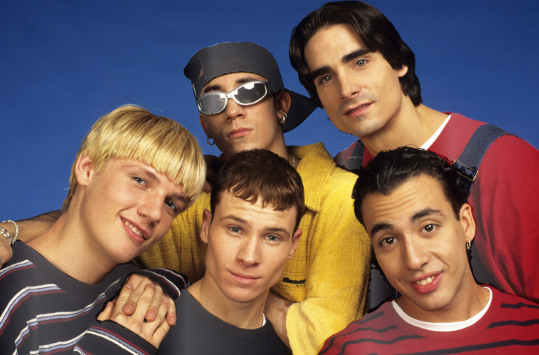
The 90s Pop Royalty Class Built Empires on Three Chords and a Dream
The 90s manufactured pop stars the way Detroit once manufactured cars. Assembly lines of vocal coaches, choreographers, and image consultants turned teenagers into global commodities worth billions. Thirty years later, the wealth gap between those who understood the business and those who trusted the wrong people tells one of the most dramatic financial stories in entertainment history.
This is the definitive guide to 90s pop royalty net worth in 2026. Not just the numbers. The mechanics behind them.
The Solo Acts Who Rewrote the Rules
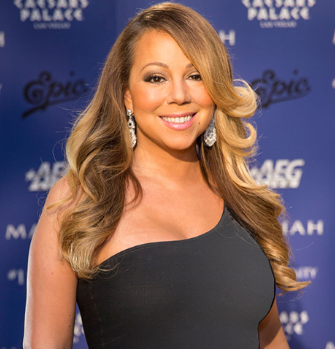
Mariah Carey sits at the top of the pop royalty tier with an estimated $350 million net worth. One song alone, “All I Want for Christmas Is You,” generates roughly $2.5 to $3 million annually in royalties. That single track earns more per year than most hedge fund partners take home. She has sold over 200 million records worldwide, holds 19 number-one singles on the Billboard Hot 100, and performed at the 2026 Winter Olympics Opening Ceremony in Milan.
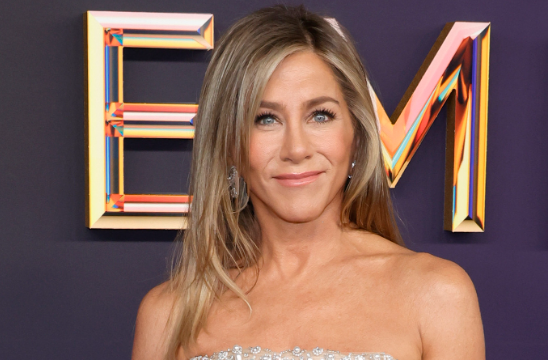
Jennifer Aniston, while technically an actress, emerged from the same 90s fame machine. Her $320 million fortune is built on a foundation that would make any wealth manager jealous. Friends generates over $1 billion annually for Warner Bros., and each cast member receives roughly 2% of that total. That translates to approximately $20 million per year in passive income from a show that wrapped two decades ago. Add her $1.25 million per episode deal for The Morning Show and endorsements with Emirates, Aveeno, and L’Oreal, and you have one of the most diversified income streams in Hollywood.
The Girl Group That Became a Business School Case Study
The Spice Girls hold a combined net worth estimated at roughly $540 million. But that number hides the real story. Victoria Beckham alone accounts for the majority of that figure. Together with husband David, the Beckhams command an estimated $550 million in combined assets according to Celebrity Net Worth. Victoria pivoted from pop to fashion, launching her eponymous label in 2008 and expanding into beauty in 2019.
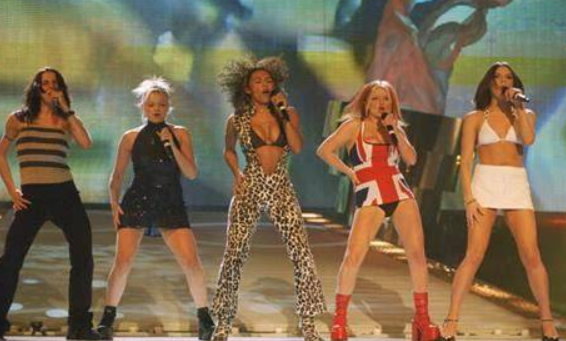
The remaining four Spice Girls each carved different paths. Mel B, Mel C, Emma Bunton, and Geri Halliwell all maintained public careers through television, theater, radio, and reunion tours. Their 2019 reunion tour (without Victoria) grossed $78 million. Meanwhile, rumors of a full 2026 reunion tour continue to build alongside a forthcoming Netflix documentary celebrating their 30th anniversary.
The lesson from the Spice Girls is simple but brutal: same stage, same songs, wildly different outcomes. The member who understood brand equity built a fashion empire. The members who stayed in entertainment built comfortable lives. Nobody lost. But one person played an entirely different game.
The Boy Band Economy Nobody Owned
NSYNC and the Backstreet Boys collectively sold over 200 million records. Combined touring revenue exceeded $2 billion. The boys who sang those songs received a fraction of what they generated. Lou Pearlman, their manager and self-styled sixth member, structured contracts that paid him as both manager and producer while allocating himself a full share of each group’s income. According to court documents, the Backstreet Boys received just $300,000 total while Pearlman and his record label collected millions.
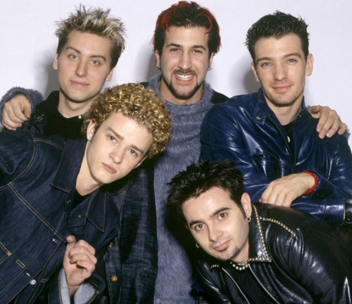
NSYNC members fared similarly. Lance Bass has publicly stated that during the height of their fame, the group received just $35 per day as a per diem. Pearlman used the bands’ success and fame to fuel what investigators later determined was a $1 billion Ponzi scheme, the longest-running in American history at the time of its discovery. He was convicted in 2008 and sentenced to 25 years. He died in federal custody in 2016.
The boy band economy of the 90s was an industrial operation that produced billions for everyone except the performers. It remains the clearest cautionary tale in the modern entertainment business about what happens when talent signs without leverage.
Pop Royalty Net Worth Rankings 2026
Here is where the 90s pop royalty class stands financially today. Mariah Carey leads solo acts at $350 million. Jennifer Aniston commands $320 million. The Spice Girls collectively hold $540 million, with Victoria Beckham accounting for the lion’s share. NSYNC members range from Justin Timberlake at $250 million (covered separately in our Reinvention Artists series) down to the low millions for other members. Backstreet Boys members sit between $45 million (Nick Carter) and $200 million (AJ McLean’s estimate varies widely by source).
Why Pop Royalty Wealth Matters Now
The 90s pop royalty class is entering a phase that wealth advisors call the “monetization decade.” Catalog sales are booming. Britney Spears just sold her catalog for $200 million. Reunion tours command premium pricing from nostalgic audiences with disposable income. Brand licensing deals value 90s nostalgia as a cultural asset class.
For the affluent reader watching from a Hamptons cabana or a London townhouse, these stories are not celebrity gossip. They are case studies in asset management, brand equity, contractual leverage, and the compound value of intellectual property. The 90s created the template. Everyone who came after, from Taylor Swift to Olivia Rodrigo, learned from what went right and what went catastrophically wrong.
The pop royalty layer is where the nostalgia hits hardest and the financial lessons cut deepest. Read the individual profiles below to understand exactly how each icon built, protected, or lost their fortune.
Read more from the 90s Music Icons series:
Author

Written by
Recent Posts
How to Pick a Homecoming Dress for Your Body Type and Feel Amazing in It
How to Prepare a Home for Sale When Major Repairs Are Not Affordable
From Everyday Comfort to Personal Style: My SHEIN Slipper Habit
5 Best Mitsubishi Heat Pump Companies in Seattle
Tech Gadgets as Modern Corporate Gifts: Useful Ideas for Employees and Clients
Categories
- Art
- Articles
- Business of Luxury
- Celebrities
- Culture
- Entertainment
- Events
- Faces of Summer 2026
- Fashion
- Fashion & Style
- Featured
- Finance
- Food, Spirits, Wine
- Hamptons
- Hamptons Celebrities
- Health
- Health & Beauty
- Lifestyle
- Luxury Lifestyle
- Press
- Profiles
- Real Estate
- Technology
- The Chronicles
- Travel
- Uncategorized
- Weddings