
Same Era, Same Pressure, Opposite Outcomes
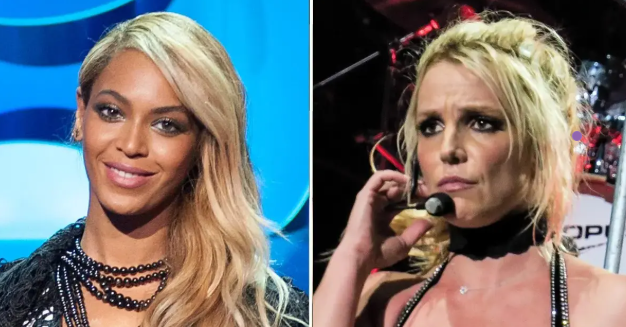
Britney Spears and Beyoncé Knowles-Carter entered the entertainment industry within months of each other. Both were southern girls with stage mothers and extraordinary talent. Both were processed through the same 90s celebrity machine at maximum velocity. However, by 2026, their financial trajectories tell two radically different stories. Britney vs. Beyoncé isn’t a competition. It’s a case study in what happens when two equally talented people navigate the same system with different structural advantages.
Beyoncé’s net worth approaches $760 million. Combined with Jay-Z’s $2.5 billion, the Carter family commands over $3 billion. Meanwhile, Britney’s net worth sits at roughly $100 million following her $200 million catalog sale to Primary Wave in February 2026. The gap between them isn’t explained by talent, work ethic, or commercial success. It’s explained by control.
The Parallel Timelines
In 1997, Beyoncé was 16 and singing in Destiny’s Child, managed by her father Mathew Knowles. That same year, Britney was 16 and recording “…Baby One More Time” under the guidance of Jive Records. Both young women were exceptional performers being shaped by older men who controlled their careers. The difference was that Mathew Knowles, whatever his flaws, was building his daughter’s business acumen alongside her performance skills.
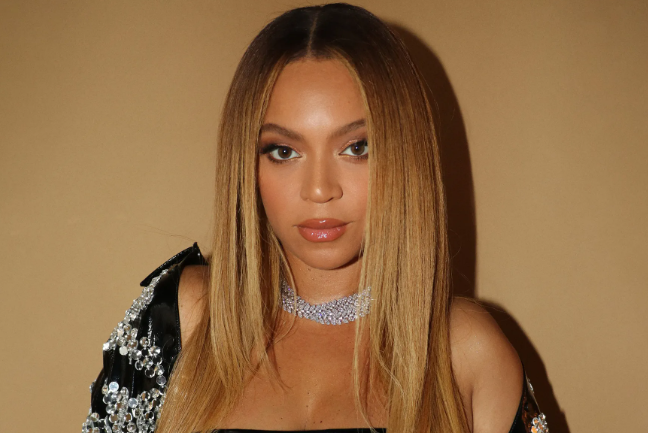
Consequently, when Beyoncé eventually fired her father as manager in 2011, she had the financial literacy to take over. She understood royalty structures, publishing rights, and brand licensing. In contrast, Britney’s team never equipped her with those tools. By the time she was 26, a court had determined she couldn’t manage her own affairs. The conservatorship that followed lasted 13 years and consumed an estimated $90 million to $140 million of her earnings, according to court filings analyzed by Rolling Stone.
The Management Question
Beyoncé’s relationship with her father was complicated. Mathew Knowles faced accusations of financial mismanagement and was dismissed from two members of Destiny’s Child against their will. Nevertheless, he instilled one principle that proved invaluable: ownership matters more than income. When Beyoncé went solo, she retained publishing rights, approved every licensing deal, and built Parkwood Entertainment as a vertically integrated company.
Britney’s management structure was fundamentally different. Jive Records controlled her masters. Larry Rudolph managed her career. Her parents handled her personal life. At no point did the system around Britney prioritize teaching her financial independence. Therefore, when her personal life destabilized in 2007 and 2008, there was no infrastructure of self-determination to fall back on. Instead, the system placed her under conservatorship.

The Business Divergence
By 2010, both women had generated comparable career earnings. Britney’s tours, residencies, and endorsements had produced over $300 million. Beyoncé’s solo career, tours, and early brand deals had generated a similar figure. From that point forward, however, the trajectories split dramatically.
Beyoncé launched Ivy Park in 2016, initially with Topshop, then relaunched with Adidas in 2020. She negotiated her own touring deals, reportedly earning over $500 million from the Renaissance World Tour in 2023. Furthermore, she controlled her visual albums as intellectual property, licensing them to streaming platforms on her terms. Every decision compounded her net worth because she owned the underlying assets.
The Conservatorship Tax
During the same period, Britney was earning significant money under conservatorship. Her Las Vegas residency at Planet Hollywood generated $138 million over four years. Yet she was living on a $2,000-per-week allowance, as reported by The New York Times. Her father collected 1.5% of gross revenues from the residency. Lawyers billed over $30 million. The conservatorship apparatus functioned as an involuntary management fee structure that extracted wealth from someone who couldn’t opt out.
In other words, Britney was a highly profitable enterprise being managed for the benefit of everyone except herself. Beyoncé was a highly profitable enterprise being managed by herself for her own benefit. The structural difference is that simple. And that devastating.
What Actually Separated Their Outcomes
Critics sometimes frame the Britney vs. Beyoncé comparison as a question of personal choices. Britney partied. Beyoncé worked. This narrative is both reductive and wrong. In reality, several structural factors determined their divergent paths.
First, Beyoncé had a group phase. Destiny’s Child provided a buffer between childhood and solo superstardom. She learned the industry while sharing the spotlight with other performers. Britney was launched as a solo act at 16 with no transition period. Consequently, every success and every failure landed directly on her.
Second, Beyoncé married strategically. Her partnership with Jay-Z created a combined business infrastructure that generated synergies across music, touring, fashion, and investing. Britney’s personal relationships, from Justin Timberlake to Kevin Federline, provided no business advantages and often created financial liabilities.
The Race Factor
Third, and this is frequently overlooked, Beyoncé’s position as a Black woman in the entertainment industry paradoxically created certain advantages in this specific comparison. Harvard Business Review research has documented how Black women in high-profile positions often develop stronger self-advocacy skills because they cannot rely on systems to protect them. Beyoncé never trusted the industry to act in her best interest. That wariness became her greatest asset.
Britney, as a white woman from a working-class southern family, was placed inside a system that appeared protective but was actually extractive. The conservatorship itself was framed as protection. In reality, it was a legal mechanism that transferred her agency to others.
The 2026 Snapshot
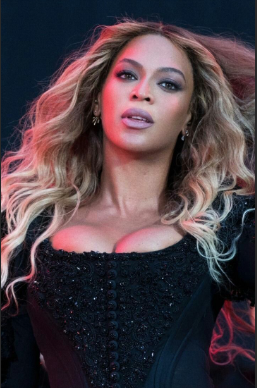
Today, Beyoncé’s Parkwood Entertainment manages her music, tours, film, and fashion interests under a single corporate umbrella. She approves every use of her likeness. She owns her masters from her solo career. Her real estate portfolio, shared with Jay-Z, includes properties valued at over $350 million, including the most expensive home ever sold in California.

Britney sold her catalog to Primary Wave for approximately $200 million. The sale represented a financial exit from the music that defined her career. In a sense, the catalog sale was both a liberation and a surrender. She converted decades of emotional labor into a lump sum, the kind of deal that an artist with more leverage might never have needed to make.
What Their Stories Teach About Wealth
The Britney vs. Beyoncé comparison ultimately illustrates a principle that applies far beyond the music industry. Earning power is not the same as wealth-building power. Both women had extraordinary earning power. Only one had the structural conditions, the education, the partnerships, and the autonomy, to convert earnings into compounding assets.
For anyone managing significant wealth, the lesson is clear. The infrastructure around you determines your financial trajectory as much as your talent does. Bain research on family office structures confirms that governance, not income, predicts long-term wealth preservation. The 90s fame machine proved this at scale. It produced one near-billionaire dynasty and one cautionary tale from essentially identical starting conditions.
Related Reading: The 90s Invented Modern Fame. Nobody Was Prepared. | #FreeBritney: What It Revealed About Wealth, Autonomy, and Control
Want to feature your brand alongside stories like this? Contact Social Life Magazine about partnership opportunities. Join us at Polo Hamptons this summer. Subscribe to the print edition or join our email list for exclusive content. Support independent luxury journalism with a $5 contribution.
Author

Written by
Recent Posts
Getting the Size Right on a Valley Dreams Zip Hoodie
The Traffic Patterns Hiding Inside the Accident Data
The Smart Way to Give Your Unused Jewelry a Second Life
Katsuya Brentwood and Haute Living Honor NBA Star Kawhi Leonard at Private Dinner

The Accountability System Quietly Protecting Your Parents’ Care
Categories
- Art
- Articles
- Business of Luxury
- Celebrities
- Culture
- Entertainment
- Events
- Faces of Summer 2026
- Fashion
- Fashion & Style
- Featured
- Finance
- Food, Spirits, Wine
- Hamptons
- Hamptons Celebrities
- Health
- Health & Beauty
- Lifestyle
- Luxury Lifestyle
- Press
- Profiles
- Real Estate
- Technology
- The Chronicles
- Travel
- Uncategorized
- Weddings