
The Biggest Wealth Transfer in Music History Is Happening Right Now
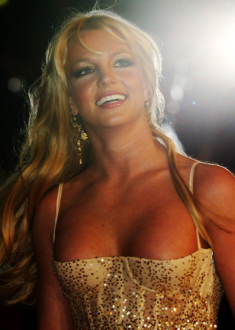
Britney Spears sold her entire music catalog to Primary Wave on December 30, 2025, in a deal estimated at approximately $200 million. She isn’t alone. Bruce Springsteen sold to Sony for $500 million. Bob Dylan sold his songwriting catalog to Universal for an estimated $400 million. Shakira, Neil Young, KISS, and Randy Newman have all cashed out. The 90s generation of music icons is converting cultural capital into liquid wealth at a pace never seen in entertainment history.
This isn’t nostalgia. It’s financial engineering on a scale that would impress any family office.
Why Now: The Convergence of Three Market Forces
Three factors collided to create this seller’s market. First, streaming transformed music catalogs from depreciating assets into perpetual income machines. A song that earned $0.03 per radio play in 1998 now generates micro-royalties every time someone adds it to a Spotify playlist, 24 hours a day, in 195 countries. Bain & Company estimated that catalog music (tracks older than 18 months) now accounts for over 70 percent of all streaming consumption.
Second, interest rates spent a decade near zero, driving institutional investors to chase yield in alternative assets. Music royalties offered something bonds couldn’t: predictable cash flows uncorrelated with stock markets, protected by copyright law for decades. Private equity firms, pension funds, and sovereign wealth vehicles poured billions into catalog acquisitions.
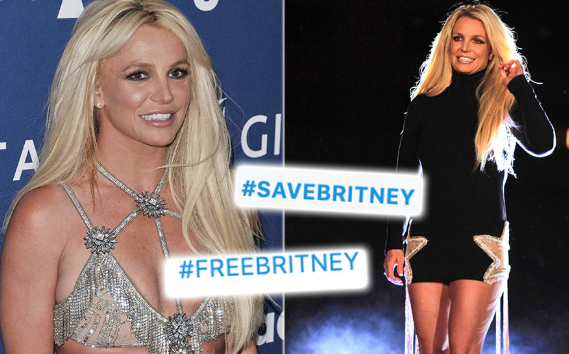
Third, the artists themselves are aging. Tax planning, estate simplification, and the desire to lock in a lump sum rather than rely on annual royalty streams all push toward selling. For someone like Britney Spears, who spent 13 years under a conservatorship that restricted her financial autonomy, the ability to convert her music into $200 million of liquid capital represents something more than a transaction. It represents control.
The Buyers: Who’s Spending Billions on Old Songs
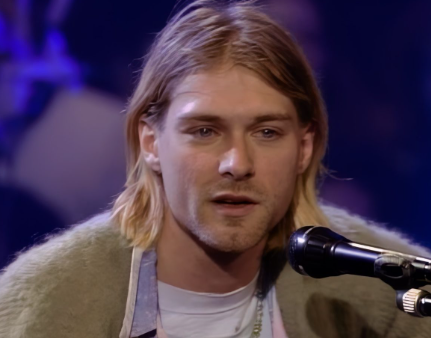
Primary Wave, the company that acquired Spears’ catalog, was founded in 2006 with a telling first acquisition: 50 percent of Kurt Cobain’s music publishing. Twenty years later, they own stakes in the catalogs of Bob Marley, Stevie Nicks, Whitney Houston, Prince, and Smokey Robinson, among many others. Their model treats music catalogs like real estate: acquire undervalued assets, optimize their income through sync licensing and brand partnerships, and compound returns over decades.
Hipgnosis Songs Fund, backed by Blackstone, owns catalogs from Justin Bieber, Shakira, and Red Hot Chili Peppers. Round Hill Music, KKR, Apollo Global Management, and Concord Music Group all run catalog acquisition vehicles. The total capital deployed into music rights since 2018 exceeds $30 billion, according to McKinsey’s media and entertainment practice.
These aren’t music companies buying music. They’re financial firms buying cash-flow streams that happen to be attached to songs your parents danced to.
The Valuation Math: How a Hit Song Gets Priced
Catalog valuations typically run between 15x and 30x annual net publisher’s share (NPS). That’s the revenue that flows to the rights holder after distribution fees. A catalog generating $10 million per year in net royalties might sell for $150 to $300 million. It depends on the quality of the hits, the predictability of the income, and the potential for sync licensing upside.
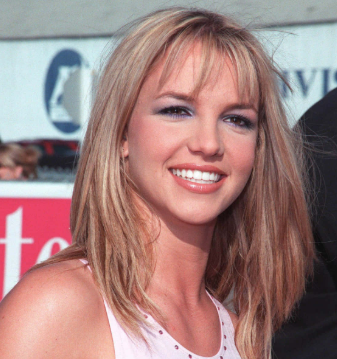
Britney’s catalog includes “Baby One More Time,” “Oops I Did It Again,” “Toxic,” and “Circus,” among dozens of chart-toppers. While Sony Music owns and controls the master recordings, Spears held her artist royalty rights and publishing stakes. At a $200 million price tag, the implied multiple suggests the buyers see decades of reliable income ahead, plus significant sync and brand partnership upside as the Britney biopic and cultural resurgence continue.
The 90s Icons Who Haven’t Sold Yet
Not every 90s icon has cashed out, and the holdouts tell their own story. Jay-Z, worth an estimated $2.5 billion, has no incentive to sell when he can leverage his catalog as collateral for larger deals. Beyonce’s $760 million portfolio treats her music as one asset class among many. Dr. Dre’s wealth came primarily from Beats, not royalties, making his catalog a secondary concern.
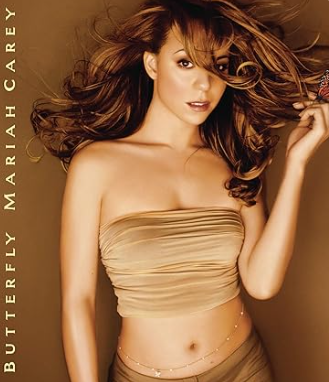
The artists most likely to sell next are those in the $50-250 million net worth range who lack diversified business empires. Think Mariah Carey, whose “All I Want for Christmas Is You” alone generates an estimated $3 million annually. The surviving members of TLC, who notoriously went bankrupt. Despite selling 65 million records, their original record deal was structured to benefit everyone except them.
What This Means for the Future of Music Wealth
The catalog gold rush is reshaping how we understand celebrity net worth. A decade ago, an artist’s catalog was an illiquid asset, valuable on paper but difficult to monetize beyond annual royalty checks. Today, it’s the most liquid and highest-valued asset most musicians own. The shift from income-generating asset to tradeable commodity has created a two-tier system in music wealth.
Artists who own their masters and publishing have a bankable exit. Artists who signed away those rights in the 90s watch from the sidelines while their label collects the upside. It’s the final chapter in the 90s catalog story: the machine that created these icons is now being dismantled and sold for parts, one deal at a time.
For anyone managing generational wealth, the lesson is worth internalizing. The assets that appreciate most aren’t always the ones that look like investments at the time. Sometimes they’re the songs your kids stream on repeat at 2 a.m.
Related: Britney Sells Catalog for $200M: What It Means for Her Net Worth | Every 90s Icon Who Sold Their Catalog: The New Math of Fame
Want to feature your brand alongside stories like this? Contact Social Life Magazine about partnership opportunities. Join us at Polo Hamptons this summer. Subscribe to the print edition or join our email list for exclusive content. Support independent luxury journalism with a $5 contribution.
Author

Written by
Recent Posts
hiTechMODA Season 16
How to Keep Your Personal Number Private When Booking Events, Rentals and Services
Understanding Compensatory Damages in a Personal Injury Case

When Online Family Therapy Makes Sense for Modern Families

Carrier Oils, Essential Oils, and Oil Blends: What Beauty Brands Need to Know
Categories
- Art
- Articles
- Business of Luxury
- Celebrities
- Culture
- Entertainment
- Events
- Faces of Summer 2026
- Fashion
- Fashion & Style
- Featured
- Finance
- Food, Spirits, Wine
- Hamptons
- Hamptons Celebrities
- Health
- Health & Beauty
- Lifestyle
- Luxury Lifestyle
- Press
- Profiles
- Real Estate
- Technology
- The Chronicles
- Travel
- Uncategorized
- Weddings