
Luxury property markets tend to cycle through moments of attention. Dubai has moved beyond that phase. It is no longer the “emerging” destination or the speculative headline. It has settled into something far more durable: a place where global wealth actively chooses to land, stay, and expand.
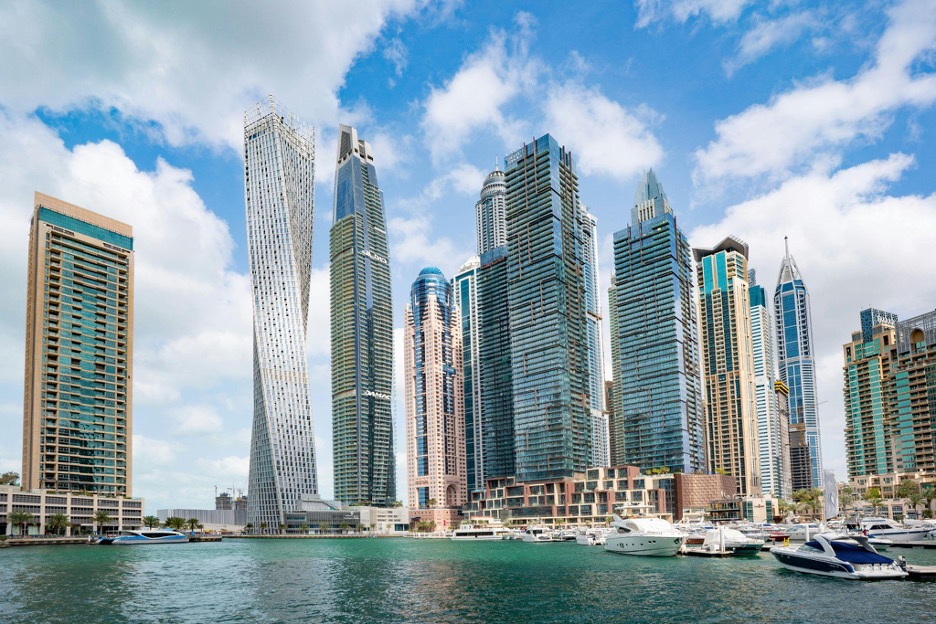
What sets Dubai apart is not just scale or spectacle. It is the way luxury, regulation, lifestyle, and liquidity intersect without apology. For buyers who see property as both lifestyle and asset, the city operates on a different frequency.
A Market Built for High-Intent Buyers
Dubai attracts buyers who already know what they want. These are not casual second-home purchasers. They are entrepreneurs, family offices, and internationally mobile individuals looking for control, clarity, and optionality.
Transactions move quickly because the ecosystem is built for decisiveness. Developers, legal frameworks, and financing structures are aligned toward speed and certainty. This is one reason the top real estate companies in Dubai operate more like private-client advisors than traditional agents, guiding buyers through portfolios rather than single listings.
In a market where time matters as much as price, that efficiency is part of the luxury.
Architecture That Signals Status Without Explanation
Dubai’s luxury homes are designed to communicate without context. Waterfront villas, branded residences, and skyline penthouses are not subtle, and they are not trying to be.
What differentiates the city is how rapidly design standards evolve. Materials, layouts, amenities, and technology shift with global tastes rather than lagging behind them. Buyers are not retrofitting old luxury; they are stepping into spaces built around current expectations.
This matters socially. In Dubai, property is not just where you live. It is part of how you move through the city.
Dubai as a Social and Financial Hub
Dubai functions as a meeting point in a way few global cities can replicate. European capital, Asian entrepreneurship, Middle Eastern legacy wealth, and African growth capital do not just pass through the city — they operate from it.
Business is conducted in hotel lounges, private members’ clubs, beachfront restaurants, and residential towers that double as informal headquarters. This constant overlap creates a market where property is both a base and a signal.
For luxury buyers, this matters because property ownership in Dubai often reflects participation in a wider network rather than simple residency. A penthouse in Downtown, a villa on the Palm, or a branded residence near the Marina is not only a place to live. It becomes a point of connection, hosting meetings, social gatherings, and introductions that extend beyond the city itself.
This networked environment directly supports liquidity. Buyers come from multiple regions, each responding to different economic cycles. European demand may rise during periods of regulatory tightening at home. Asian buyers often increase exposure during phases of outbound investment growth.
Regional capital continues to treat Dubai as a long-term anchor. These movements rarely happen simultaneously, which stabilises demand across the luxury spectrum.
As a result, Dubai’s high-end property market does not depend on a single narrative. It is not tied exclusively to tourism, seasonal second-home ownership, or a narrow professional class. Instead, demand flows through multiple channels at once, allowing transactions to continue even when one segment pauses.
Social infrastructure reinforces this effect. International schools, private healthcare, aviation access, and visa frameworks all support long-term presence rather than short stays. Buyers are not merely visiting; they are embedding themselves.
This is why luxury property in Dubai behaves differently from resort-centric or lifestyle-only markets. It is not just aspirational. It is functional, connected, and continuously in use. That combination keeps demand active, values resilient, and the market liquid in ways that extend far beyond aesthetics.
Lifestyle Without Trade-Offs
Luxury buyers are accustomed to compromise. Great homes in inconvenient cities. Strong returns in places they don’t want to spend time. Dubai removes that tension.
The city offers year-round services, international education, private healthcare, and a social calendar that never truly goes quiet. Dining, shopping, and wellness are not seasonal features; they are constants.
For many buyers, this is the real draw. Property ownership here does not require explaining why it makes sense. It simply does.
Privacy and Visibility at the Same Time
Dubai has mastered a rare balance. It allows buyers to be highly visible or almost completely private, often within the same development.
Gated villa communities offer discretion. Branded towers and marina-facing residences offer social presence. Buyers can choose how much of themselves they want the city to see.
That flexibility is particularly attractive to high-profile individuals and internationally active families.
Investment Logic That Matches the Lifestyle
While lifestyle dominates the conversation, the financial structure underneath it matters. Dubai’s property market offers:
- No annual property tax
- Transparent ownership frameworks
- Strong rental demand across luxury tiers
- A buyer pool that is genuinely international
For many luxury buyers, this creates a rare alignment. The home they enjoy living in is also an asset that performs without excessive friction.
Returns are not purely speculative. They are supported by population growth, business relocation, and sustained demand for premium housing.
Why Dubai Continues to Win the Luxury Conversation
Dubai does not try to resemble other global cities. It has built its own logic and invited the world to operate within it.
Luxury buyers respond to that confidence. They come for the architecture, stay for the lifestyle, and invest because the system works.
In a global market where high-end property is often constrained by regulation, limited supply, or social pushback, Dubai offers clarity. It welcomes luxury buyers openly and structures the market to support them.
That is why Dubai remains less a trend and more a destination of intent. For luxury property buyers, it is not just a place to own something impressive. It is a place where ownership makes sense.
Author

Written by
Recent Posts
What Goes Into Planning a Professional Furnace Installation?
Why Sports Card Collecting Is More Than Just a Hobby
From Signature Scents to Scent Wardrobes: The Evolution of Personal Fragrance

Beyond the Booth: How Exhibition Design Is Creating New Brand Experiences
Trading the Hamptons for Hvar: A Summer on Croatia’s Most Glamorous Island
Categories
- Art
- Articles
- Business of Luxury
- Celebrities
- Culture
- Entertainment
- Events
- Faces of Summer 2026
- Fashion
- Fashion & Style
- Featured
- Finance
- Food, Spirits, Wine
- Hamptons
- Hamptons Celebrities
- Health
- Health & Beauty
- Lifestyle
- Luxury Lifestyle
- Press
- Profiles
- Real Estate
- Technology
- The Chronicles
- Travel
- Uncategorized
- Weddings