
The Gold Coast has a reputation that travels faster than reality. Sun, beaches, glossy towers, endless leisure. What actually draws people in, though, is something quieter and far more sustainable. The lifestyle here works because it strips away excess without feeling like sacrifice.

People don’t move to the Gold Coast to perform success. They come to live comfortably inside it.
That balance — between ease and ambition, outdoor life and modern infrastructure — is what keeps the region permanently in conversation.
A Lifestyle Built Around Time, Not Status
What surprises newcomers most is how time behaves on the Gold Coast. Days feel longer, not because less happens, but because routines are less compressed. Commutes shorten. Outdoor space replaces enclosed schedules. Even work takes on a different rhythm.
Social life follows suit. Coffee meetings replace boardrooms. Fitness becomes part of the day rather than a scheduled interruption. Dining leans toward casual consistency rather than event-only indulgence.
This isn’t about slowing down completely. It’s about removing friction.
Homes, Simplicity, and the Australian Approach to Living
Australian housing culture values function before flourish, and the Gold Coast reflects that instinct clearly. Homes here are designed to be lived in, not admired from a distance. Layouts prioritize airflow, light, and connection to the outdoors. Maintenance matters. Usability matters.
There is a noticeable move away from overdesigned interiors and toward spaces that age well. Neutral finishes, practical materials, and adaptable layouts dominate new builds and renovations alike. The goal is longevity rather than visual impact.
That simplicity also shapes how people think about ownership. Flexibility is prized. Many buyers want homes that can shift with life stages, income changes, or evolving priorities without requiring dramatic reinvention.
Detached Family Homes
Detached houses remain a cornerstone of the Gold Coast lifestyle, particularly in established suburbs and newer inland developments. These homes favor open-plan living, direct yard access, and strong indoor–outdoor flow.
They appeal to families and long-term residents who value privacy and space without isolation. Design tends to be understated, with an emphasis on climate responsiveness rather than decorative excess.
Kit Homes and Modular Living
A growing segment of buyers is turning toward alternative construction methods that reflect Australia’s practical mindset. Kit homes Gold Coast are gaining attention from those prioritizing efficiency, cost control, and clarity throughout the building process.
These homes appeal to buyers who want predictable timelines and budgets, especially in outer suburbs and semi-rural areas where land availability allows more freedom in layout and orientation. Rather than chasing architectural statements, kit homes focus on smart planning, adaptable interiors, and materials chosen for durability in a coastal climate.
The appeal is not novelty. It is control. Fewer delays, fewer surprises, and homes designed around how people actually live rather than how they want to be seen.
Townhouses and Low-Density Living
Townhouses offer a middle ground that suits down-sizers, professionals, and investors who want simplicity without compromise. On the Gold Coast, these developments are often low-rise and community-oriented rather than dense or anonymous.
They deliver ease of maintenance while preserving personal outdoor space and proximity to amenities. This format fits the region’s preference for practical luxury — comfort without complexity.
Apartments With Purpose
High-rise living exists, but the strongest demand is for apartments that offer livability rather than spectacle. Buyers look for sensible floor plans, usable balconies, and buildings that feel residential rather than transient.
Proximity to beaches, dining, and transport matters more than height. Apartments that support everyday routines tend to outperform those built purely for visual impact.
Outdoor Living as a Default Setting
On the Gold Coast, outdoor living isn’t aspirational. It’s assumed. Homes are designed around patios, decks, pools, and gardens that function year-round.
This shapes social habits. Hosting happens casually. Exercise spills outside. Even quiet time tends to involve open air. The result is a lifestyle that feels expansive without requiring constant novelty.
People don’t talk about “escaping” on weekends. They’re already there.
Wellness Without Performance
Fitness culture exists here, but it’s rarely performative. Movement is woven into daily life rather than isolated into intense routines. Walking paths, bike tracks, beaches, and parks make activity feel natural.
This ease influences how people approach health more broadly. There’s less obsession with extremes and more emphasis on consistency. That mindset filters into housing choices, work patterns, and social expectations.
Why the Gold Coast Keeps Its Pull
The Gold Coast works because it avoids forcing a single identity. It can be glamorous without being exhausting. Relaxed without being idle. Ambitious without being aggressive.
For many Australians — and an increasing number of international residents — it represents a version of success that doesn’t require constant justification. Life here feels intentional but unforced.
That’s why the conversation never really stops. The Gold Coast isn’t just a place people visit or talk about. It’s a place people quietly settle into — and stay.
Author

Written by
Recent Posts
What Goes Into Planning a Professional Furnace Installation?
Why Sports Card Collecting Is More Than Just a Hobby
From Signature Scents to Scent Wardrobes: The Evolution of Personal Fragrance

Beyond the Booth: How Exhibition Design Is Creating New Brand Experiences
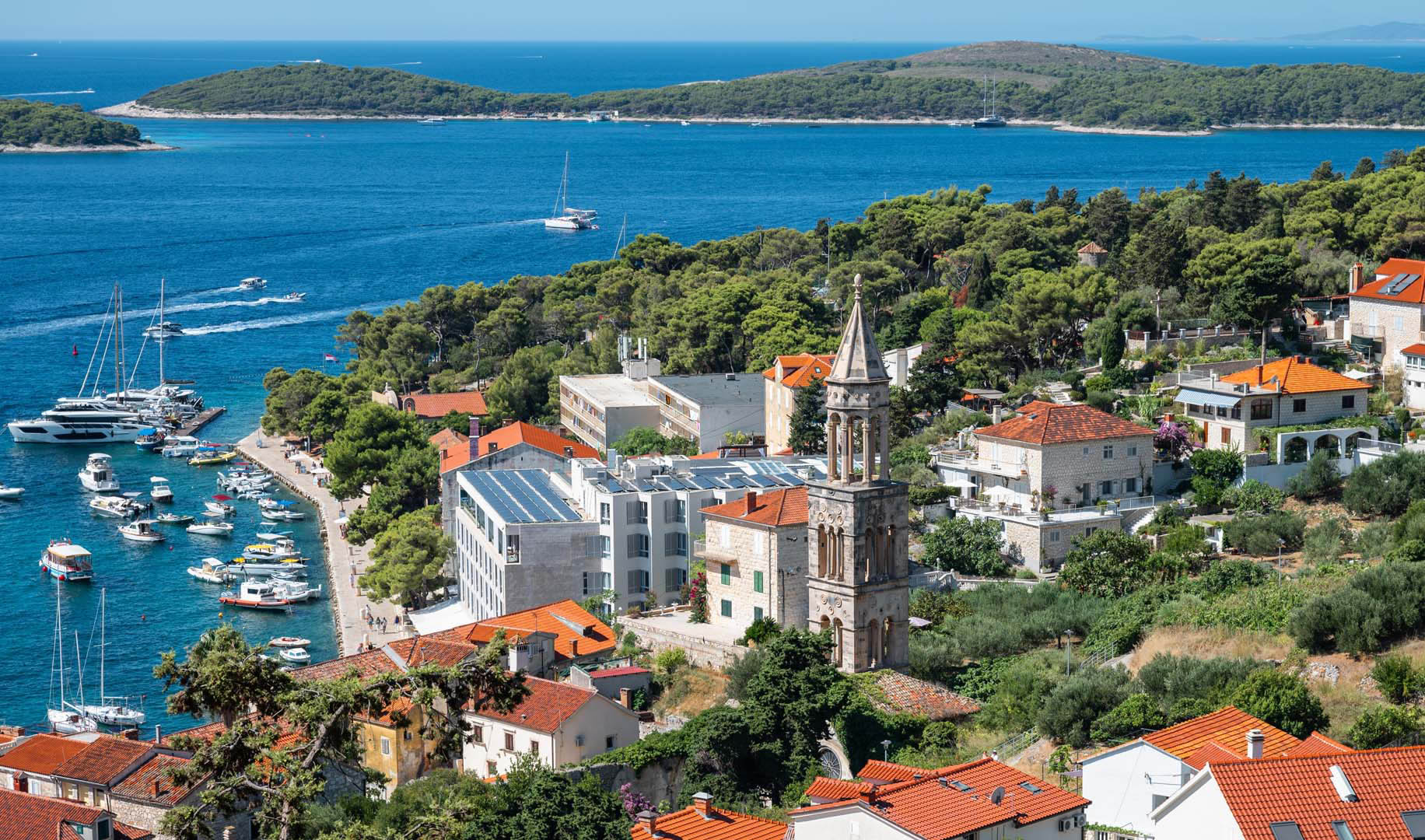
Trading the Hamptons for Hvar: A Summer on Croatia’s Most Glamorous Island
Categories
- Art
- Articles
- Business of Luxury
- Celebrities
- Culture
- Entertainment
- Events
- Faces of Summer 2026
- Fashion
- Fashion & Style
- Featured
- Finance
- Food, Spirits, Wine
- Hamptons
- Hamptons Celebrities
- Health
- Health & Beauty
- Lifestyle
- Luxury Lifestyle
- Press
- Profiles
- Real Estate
- Technology
- The Chronicles
- Travel
- Uncategorized
- Weddings