
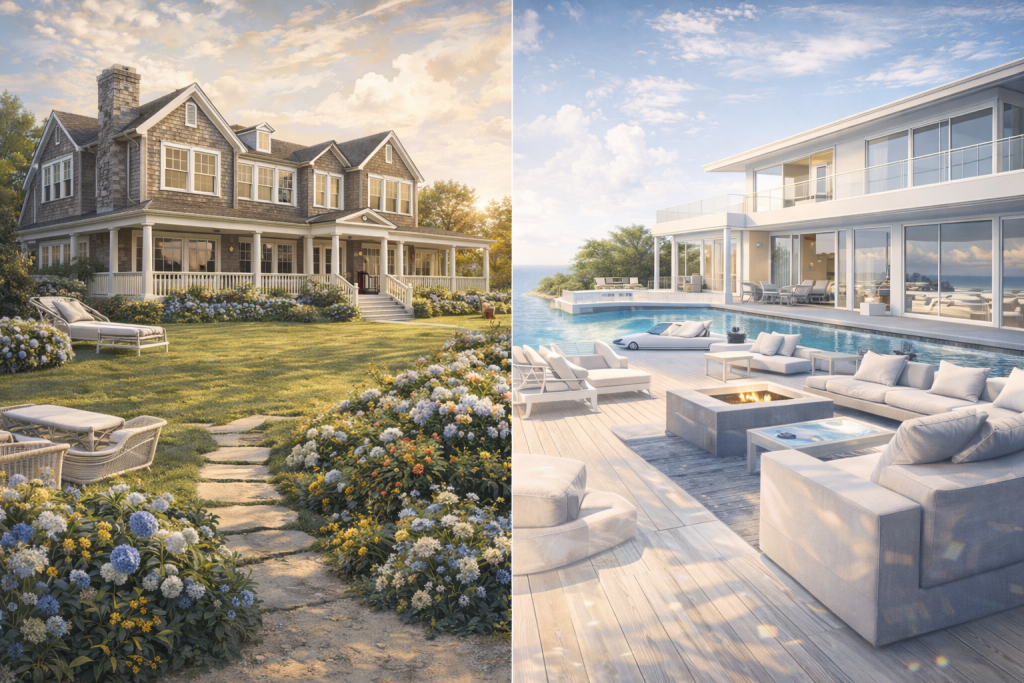
Why Location Changes Everything
There is a two-mile stretch of Meadow Lane where every kitchen island tells you something about when the house was last renovated. The Caesarstone says 2014. The quartzite says 2019. The fluted plaster says the designer reads Architectural Digest.
Designing on the East End is not the same as designing anywhere else. The salt air corrodes unlacquered metals within a single season if they face the ocean. Summer light through south-facing glass creates thermal loads that demand specific glazing solutions most Manhattan architects never think about. Local zoning in villages from Westhampton to Montauk each carries distinct setback, height, and lot coverage restrictions that reshape interior spatial planning before a single wall gets drawn.
After 25 years of building on the South Fork, David Hornung and D&J Concepts bring the regional knowledge that separates a beautiful design from one that actually works in this specific place.
The Architectural DNA of the East End
Stanford White built on the East End in the 1880s. His Shingle Style residences established the original architectural language of Hamptons wealth: cedar shingle exteriors weathered to silver-gray, generous porches calibrated to catch ocean breezes, and interiors that moved between formality and comfort depending on who was visiting.
Sister Parish translated that architectural frame into a decorating vocabulary in the 1960s. Chintz. Wicker. Painted floors. Rooms that looked casually assembled but were choreographed to the last ceramic garden stool. Her influence persisted for decades, creating what most people still picture when they hear “Hamptons style.”
Then came the money. The hedge fund era of the early 2000s brought a wave of teardowns and new construction that introduced modernist glass-box architecture to a landscape that had never seen it. Firms like McAlpine Tankersley bridged the gap, designing homes that honored the Shingle Style tradition while incorporating contemporary spatial planning. That tension between preservation and reinvention defines Hamptons design today.
For the complete 140-year historical arc, read our deep-dive on Stanford White to now: East End design history.
Materials That Survive the South Fork
The Hamptons environment is beautiful and brutal. Salt spray, humidity swings between summer and winter, and nor’easter wind loads all impose material requirements that differ significantly from even nearby Manhattan or Connecticut.
Exterior metals require marine-grade specification. Interior designers who specify standard-grade brass hardware for an oceanfront property will field warranty calls within 18 months. Ipe and mahogany decking outperform composite materials that look identical on day one but fail to age gracefully under UV exposure and salt conditions.
Inside, wide-plank European oak flooring has become the standard for good reason: it handles the humidity fluctuations between a closed-up winter house and a full-occupancy July weekend better than most domestic species. However, the finish matters as much as the species. Wire-brushed and oiled floors mask the inevitable sand scratches that come with beach proximity. High-gloss polyurethane finishes show every grain of sand tracked through the mudroom.
Stone selection carries similar regional implications. Certain limestones that perform beautifully in a climate-controlled Manhattan apartment develop moisture issues in Hamptons bathrooms where salt-humid summer air meets air-conditioned interior surfaces. D&J specifies based on decades of observing how materials actually behave in this specific microclimate, not based on manufacturer spec sheets written for national distribution.
Seasonal Living and the Summer House Problem
Most Hamptons homes serve two masters. They function as weekend and summer retreats from May through September, occupied intensively during that window with frequent entertaining, houseguests, and outdoor living. Then they sit largely vacant from October through April, maintained by caretakers who manage heating, storm preparation, and the slow accumulation of issues that empty houses always develop.
This seasonal pattern creates design requirements that year-round homes never face. HVAC systems must be designed to transition quickly between vacant-house maintenance mode and full-occupancy entertaining mode. Plumbing systems need winterization protocols built into the design, not added as an afterthought. Furniture and fabrics must withstand the particular stress pattern of intense seasonal use followed by months of dormancy.
D&J Concepts approaches every Hamptons project with this duality in mind. Rooms are designed to perform at their peak during the summer social season while remaining maintainable during the off months. That dual-use intelligence comes from managing properties through complete annual cycles, year after year, for over two decades.
Renovation Intelligence for the Hamptons Market
Renovating in the Hamptons carries costs and timelines that consistently surprise first-time clients. General contractor availability from May through August is extremely limited because every firm on the East End is managing active projects for clients who want work completed before Memorial Day. The window for starting a renovation that will be finished for summer use is effectively September through March.
Permitting timelines vary dramatically by village. East Hampton Village, Southampton Village, and the various town jurisdictions each maintain independent architectural review boards with different meeting schedules, aesthetic standards, and approval timelines. A project that might clear permitting in eight weeks in one jurisdiction can take six months in another.
Farrell Building’s Southampton development partnership taught D&J how developer timelines work in this market, knowledge that translates directly into realistic scheduling for private renovation clients. For the full case study, see what Farrell Building’s buyers taught us.
The Hamptons Style Evolution
From Jackie Kennedy’s Lasata to Tom Ford’s purchase of that same estate decades later, one property tells the entire story of how Hamptons taste evolved. The Kennedy era valued understated patrician comfort. The Ford acquisition signals something different entirely: fashion-world precision applied to historic architecture, where every surface and sight line is curated with the rigor of a runway collection.
Between those two moments, the Hamptons absorbed wave after wave of aesthetic influence. The Ina Garten kitchen era brought restaurant-grade appliances into residential cooking spaces. The McAlpine architectural wave introduced new-traditional forms. The current quiet luxury movement strips everything back to material quality and spatial proportion.
Each evolution built on what came before while claiming to reject it. Understanding this layered history is essential for any designer working in the region, because clients here are acutely aware of where they sit within the tradition. Our detailed exploration of Jackie Kennedy to Tom Ford: Hamptons style evolution maps this trajectory from the 1960s through today.
Choosing a Designer Who Knows the Territory
The single most important credential for a Hamptons interior designer is not awards, press coverage, or Instagram following. It is verifiable experience building in this specific region. A designer who has managed projects through Hamptons permitting, Hamptons contractor relationships, Hamptons material performance conditions, and Hamptons client expectations brings knowledge that no amount of talent can substitute.
Ask how many East End projects they have completed, which villages they have permitted in, which contractors they recommend and why. The answers will tell you everything about whether their beautiful portfolio translates to a successful project in your specific location. For a complete hiring framework, see how to choose a Hamptons interior designer.
Related Reading: The Complete Guide to Luxury Home Design | Luxury Design Trends
For features, advertising, or partnership inquiries: sociallifemagazine.com/contact | Events: polohamptons.com
Subscribe to Social Life Magazine | Support our journalism ($5)
Author

Written by
Recent Posts

Why the Supplement Market Is Shifting From More Products to Smarter Choices
5 Ways Engraved Custom Trophies Boost Employee Engagement
Creating Beautiful Mix-and-Match Tablescapes for Any Occasion
Is It Cheaper to Drive or Ship Your Car? We Ran the Numbers
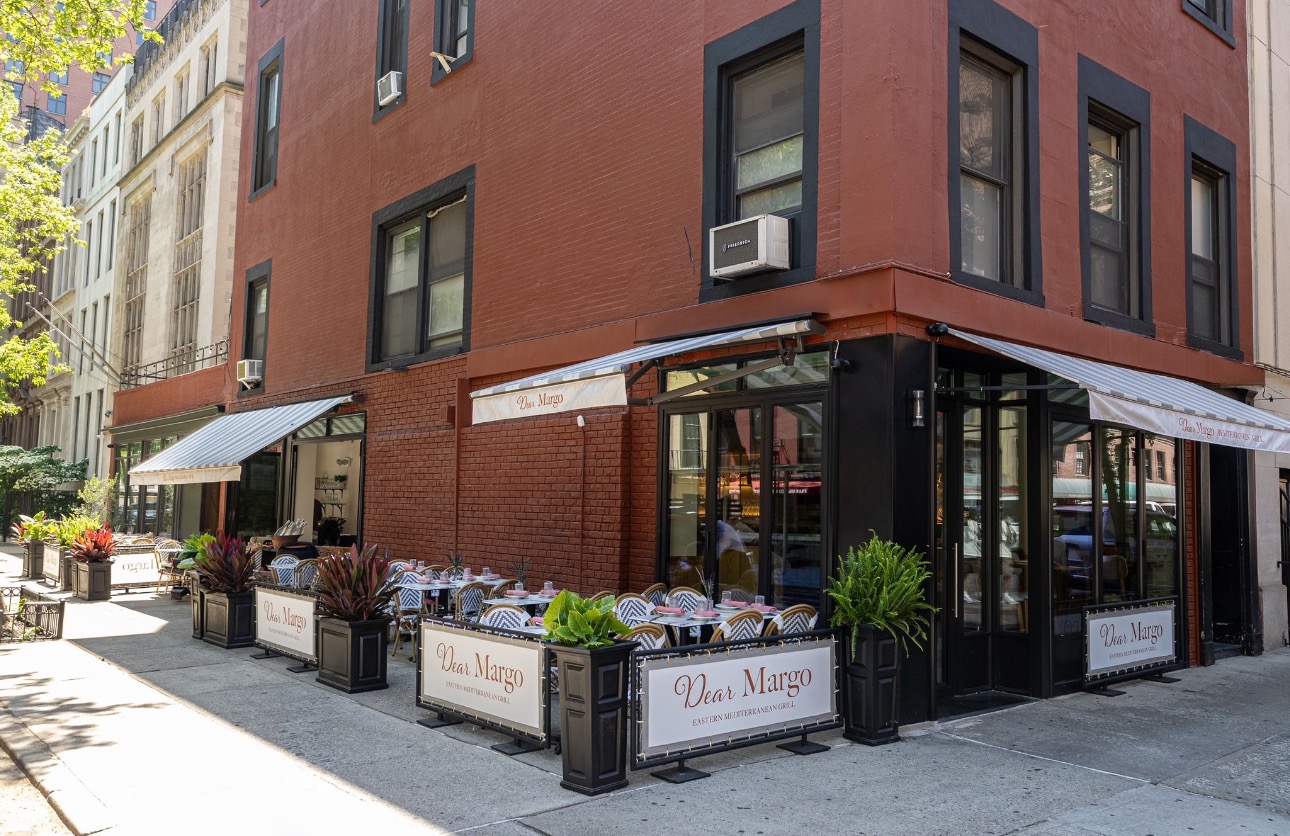
Dear Margo: Restaurateur Dean Pashilis’ Tribute to Family, Food and Hospitality
Categories
- Art
- Articles
- Business of Luxury
- Celebrities
- Culture
- Entertainment
- Events
- Faces of Summer 2026
- Fashion
- Fashion & Style
- Featured
- Finance
- Food, Spirits, Wine
- Hamptons
- Hamptons Celebrities
- Health
- Health & Beauty
- Lifestyle
- Luxury Lifestyle
- Press
- Profiles
- Real Estate
- Technology
- The Chronicles
- Travel
- Uncategorized
- Weddings