

By David Hornung, Co-Founder & Principal Designer, D&J Concepts
Steve Chase used to kick clients out of their own homes for a week. Then he would invite them back for cocktails, open a bottle of champagne, and walk them through their front door as though they were seeing the place for the first time. The rooms were finished. The art was hung. The lighting was set. By the time the clients sat down on their new sofa, the design had already done its work. There was nothing left to question. Steve Chase, the Interior Design Hall of Fame inductee who shaped a generation of luxury practitioners, understood something most designers still get wrong: the reveal is not a presentation. It is a transformation.
David Hornung was 24 years old the first time he witnessed one of Chase’s champagne reveals in person. That evening in Rancho Mirage changed the trajectory of D&J Concepts and ultimately gave rise to what the firm now calls the Method of Visual Clarity. However, to understand why that method works, you need to understand the man who made the moment possible.
From New Hampshire to Palm Springs: Chase’s Origin
Stephen Barrett Chase was born in New Hampshire and raised in Southern California, a geographic split that would define his aesthetic. He graduated from the Chadwick School in 1959, president and valedictorian of his class, then attended the Rhode Island School of Design and the ArtCenter in Los Angeles. Architecture appealed to him intellectually but repelled him practically. The math and engineering felt like constraints on a mind built for spatial intuition.
In 1967, Chase joined Arthur Elrod and Associates in Palm Springs. Elrod had built his reputation designing interiors for Hollywood’s elite during the height of mid-century modernism. The firm was known for bold color, sculptural furniture, and a sensibility that treated every room as a composition rather than a collection. Chase spent more than a decade absorbing that philosophy, refining it, and eventually making it his own.
When Elrod died in an automobile accident in 1974, Chase continued working under the firm’s umbrella before establishing Steve Chase Associates in Rancho Mirage in 1980. His client list read like a casting call for American power: Gerald and Betty Ford, Farrah Fawcett, Gene Hackman, Johnny Mathis, Joan Kroc. Architectural Digest featured his work so frequently that his friend Steve Kaufer later joked about compromising photographs of the magazine’s editor, Paige Rense.
The Chase Aesthetic: Nature, Light, and Material Truth
Chase’s interiors were defined by a quality that is easier to feel than describe. Natural materials dominated: wood, granite, leather, stone. Lighting was never an afterthought. Instead, Chase treated illumination as an architectural element, using subtle shifts in warmth and intensity to guide the eye through a space. His rooms felt simultaneously opulent and calm, a combination that eluded most of his contemporaries.
Unlike many designers of his era, Chase resisted creating a signature look. In a 1980 Palm Springs Life interview, he stated his position clearly: his ego did not require having his name visible in every house he designed. He would not want people to automatically know something was his work. That philosophy, the deliberate suppression of the designer’s hand in favor of the client’s life, became the foundation of everything David Hornung would later build at D&J Concepts.
Additionally, Chase’s material palette reflected a deep understanding of how surfaces age. He preferred finishes that developed patina over time rather than materials that degraded. Unlacquered brass, hand-troweled plaster, rift-cut oak. These choices were not trendy in the 1980s. They are essential now. As Bain & Company’s luxury market research has documented, today’s high-net-worth buyers increasingly value material provenance over brand recognition. Chase understood this instinctively, decades before the market caught up.
The Champagne Reveal: Why Presentation Changes Everything
The champagne reveal was not theater. It was methodology. Chase understood that the gap between a client’s imagination and a designer’s execution is where most projects fail. Mood boards do not close that gap. Fabric swatches do not close that gap. Only a fully realized environment, experienced in person, closes it completely.
One of Chase’s clients, a woman named Galen, described the process in an interview years later. She had already hired a different designer from San Francisco when someone told her not to do anything until she met Steve Chase. After stepping into her home, Chase had a vision and created it. He would kick her out for a week, then invite her back for cocktails. She would walk into her own front door for the first time, champagne in hand, and the only words that came were simply an expression of disbelief that this was her house.
That moment of recognition, when a client sees their own life reflected back with more clarity than they could have articulated, is precisely what D&J Concepts’ Visual Clarity Method aims to achieve. The tools have evolved. Digital rendering has replaced the week-long lockout. Magazine-quality presentation boards have replaced the single reveal evening. Nevertheless, the principle remains identical: eliminate uncertainty before a single material is ordered.
From Rancho Mirage to Southampton: How the Method Traveled
David Hornung trained under both Steve Chase and Hank Morgan in Los Angeles before founding D&J Concepts in Southampton in 2001. The transition from Palm Springs mid-century to Hamptons coastal vernacular required adaptation but not reinvention. Chase’s core principle, that design should serve the inhabitant rather than advertise the designer, translated directly to the East End market.
What changed was the context. Hamptons clients face a specific set of challenges that Palm Springs clients do not. Salt air corrodes certain metals. Summer humidity demands different wood treatments. The seasonal nature of Hamptons living means rooms must function for both July entertaining and November solitude. D&J Concepts adapted the Chase methodology to address these regional realities while preserving its foundational insight: clarity of vision eliminates costly mistakes.
Furthermore, the Hamptons market introduced a variable Chase rarely encountered in the desert: historical preservation. Many East End properties carry architectural significance that constrains renovation. D&J’s Visual Clarity presentations now routinely include historical context alongside material specifications, showing clients how their design choices connect to the broader Hamptons design vernacular rather than disrupting it.
Chase’s Legacy: Beyond the Rooms
Steve Chase died in 1994 at the age of 52. Beyond his design work, he was a dedicated philanthropist who helped establish the Desert AIDS Project in Palm Springs, donating both his time and his design expertise to improve their facilities. The annual Steve Chase Humanitarian Awards, now in their thirty-second year, continue to honor his commitment to community alongside creative excellence.
His professional legacy lives in the work of every designer who trained under his philosophy: that interiors should feel inevitable, that materials should tell the truth, that the client’s experience matters more than the designer’s ego. The Interior Design Hall of Fame inducted Chase in recognition of a career that reshaped how luxury residential design functions, not just how it looks.
At D&J Concepts, Steve Chase’s influence is not a historical footnote. It is operational code. Every client presentation, every material selection, every reveal moment carries the DNA of those champagne evenings in Rancho Mirage. The rooms are different. The geography is different. The method endures.
Experience the Visual Clarity Method
David Hornung and D&J Concepts continue Steve Chase’s legacy through the Method of Visual Clarity, bringing magazine-quality design presentations to every Hamptons project. To learn more about how this approach transforms the renovation and design process, reach out at sociallifemagazine.com/contact. For information on Polo Hamptons events and luxury brand sponsorship, visit polohamptons.com.
Join the Social Life Magazine email list for exclusive design content and Hamptons insider access. Print subscriptions deliver five summer issues and two fall/winter editions directly to you. Support independent luxury journalism with a $5 contribution. For a deeper look at the method Chase inspired, read The Visual Clarity Method in Luxury Design and Chase Served Champagne at Reveals. We Do This.
Author

Written by
Recent Posts

Why the Supplement Market Is Shifting From More Products to Smarter Choices
5 Ways Engraved Custom Trophies Boost Employee Engagement
Creating Beautiful Mix-and-Match Tablescapes for Any Occasion
Is It Cheaper to Drive or Ship Your Car? We Ran the Numbers
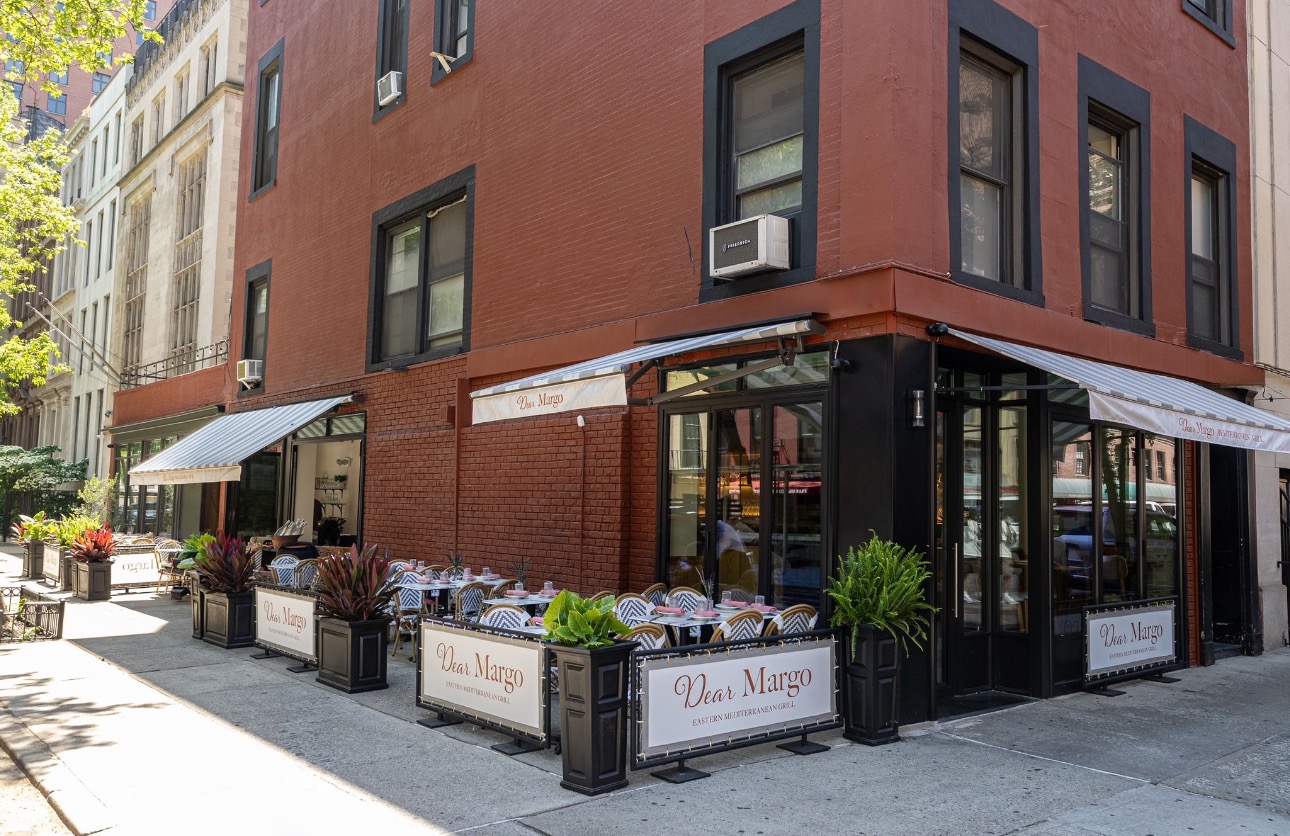
Dear Margo: Restaurateur Dean Pashilis’ Tribute to Family, Food and Hospitality
Categories
- Art
- Articles
- Business of Luxury
- Celebrities
- Culture
- Entertainment
- Events
- Faces of Summer 2026
- Fashion
- Fashion & Style
- Featured
- Finance
- Food, Spirits, Wine
- Hamptons
- Hamptons Celebrities
- Health
- Health & Beauty
- Lifestyle
- Luxury Lifestyle
- Press
- Profiles
- Real Estate
- Technology
- The Chronicles
- Travel
- Uncategorized
- Weddings