
Bartending is often seen as a fast-paced job centered around mixing drinks and managing a busy counter, but there’s a deeper, more meaningful side to it that many people don’t realize. Beyond the clinking glasses and colorful cocktails lies a world filled with human connection, stories, laughter, and unforgettable interactions. Bartenders are not just drink makers — they are listeners, entertainers, advisors, and sometimes even friends to the people they serve.
The social aspect of bartending is what makes this profession truly unique. Every shift brings new faces, new conversations, and new experiences. From casual chats with regulars to deep discussions with travelers passing through, bartenders get to witness a wide range of emotions and moments. This article explores how bartending goes beyond serving drinks and becomes a role built on relationships, conversations, and community.
A Job That Revolves Around People
Unlike many other professions where interaction is limited, bartending is rooted in constant communication. Every customer who walks up to the counter carries a story, a mood, and a reason for being there. Some come to celebrate, some to relax, and others simply to talk.
A bartender quickly learns how to read people. Sometimes a guest wants a lively conversation, and other times they just want a quiet drink after a long day. Being able to understand these unspoken cues is a skill that grows over time and becomes one of the most valuable traits in the industry.
This human connection is what makes bartending feel less like a job and more like a shared social experience. The counter becomes a space where strangers turn into regulars, and regulars turn into familiar faces.
Conversations That Go Beyond Small Talk
One of the most rewarding parts of bartending is the wide variety of conversations that happen every day. Bartenders often speak with people from different professions, cultures, and backgrounds. Over time, this exposure builds strong communication skills and emotional intelligence.
You might hear stories about travel adventures, career journeys, relationship milestones, or even personal struggles. While bartenders maintain professionalism, they often provide a safe space where people feel comfortable opening up.
These interactions can be surprisingly meaningful. Many bartenders find that their role includes being a friendly listener, offering encouragement, or simply being present. It’s this human connection that keeps the job exciting and fulfilling.
Building a Community at the Bar
Regular customers are the heart of many bars. Over time, familiar faces start to feel like part of a community. Bartenders remember their favorite drinks, their usual spots, and even the little details about their lives.
This sense of familiarity creates comfort. Guests feel welcomed and valued, and bartenders enjoy the consistency and connection. It’s not unusual for people to stop by just to say hello or catch up, even if they’re not planning to stay long.
For those who train at a bartender school, one of the key lessons they learn is the importance of creating this welcoming environment. Technical skills are important, but it’s the ability to make people feel at ease that truly defines a great bartender.
Learning the Art of Social Balance
Bartending is about balance — not just in mixing flavors, but also in managing social energy. A good bartender knows when to engage in conversation and when to step back. Some nights are filled with laughter and lively discussions, while others are more relaxed and quiet.
Handling different personalities is part of the experience. You might interact with energetic groups celebrating a special occasion, individuals enjoying a solo drink, or couples on a date. Each situation requires a slightly different approach.
Training programs at a bartending school often emphasize communication and professionalism alongside drink-making skills. This preparation helps new bartenders handle social situations with confidence and ease.
Stories Shared Over Cocktails
There’s something special about conversations that happen over a drink. The relaxed atmosphere often encourages people to share more openly. Bartenders become witnesses to many small but memorable moments — first dates, promotions, reunions, and celebrations.
In places that offer services for private events, such as a Boston bartending service, the social aspect becomes even more personal. Bartenders at events like weddings, corporate parties, and gatherings get to interact closely with guests, creating a friendly and engaging environment. These moments often lead to conversations that leave lasting impressions on both the bartender and the guests.
Serving drinks becomes just one part of a larger experience. The real magic happens in the connections formed during those shared moments.
Confidence Through Interaction
One of the unexpected benefits of bartending is the boost in confidence that comes from constant interaction. Talking to new people every day helps break down social barriers. Over time, bartenders become more comfortable speaking, listening, and responding naturally in different situations.
This confidence often extends beyond the workplace. Many bartenders find that their communication skills improve in everyday life as well. They learn how to handle conversations with ease, stay calm under pressure, and adapt quickly.
This growth often begins during training. A bartending school not only teaches technical skills but also helps individuals become more socially aware and confident in engaging with others.
The Emotional Side of the Job
While bartending is often fun and energetic, it also has a deeply emotional side. People don’t just come to bars for drinks; they come for comfort, celebration, and connection. Bartenders may see customers during some of their happiest moments and, at times, during their most difficult ones.
This makes the role both meaningful and responsible. Being kind, patient, and respectful can make a big difference in someone’s day. A simple conversation can lift someone’s mood, and a welcoming attitude can turn a bad day into a better one.
These emotional connections are what make bartending feel more personal than transactional.
Networking and Opportunities
The social nature of bartending also opens doors to unexpected opportunities. Bartenders meet people from different industries, and casual conversations can lead to valuable connections. Whether it’s meeting business owners, artists, or event planners, the bar becomes a place where networking happens naturally.
Working at private events through a Boston bartending service can be especially helpful in building a strong network. These events often bring together professionals and communities, giving bartenders a chance to interact in a more personal setting.
Over time, these connections can lead to new roles, collaborations, or even entirely different career paths.
More Than Just Mixing Drinks
It’s easy to assume that bartending is all about cocktails and fast service, but the reality is much richer. It’s a role that brings people together, encourages conversation, and builds lasting relationships.
From learning people skills at a bartender school to interacting with guests at events and local gatherings, bartending is filled with moments that go far beyond the counter. It’s about creating an atmosphere where people feel welcome, heard, and appreciated.
At its core, bartending is a social profession. Every shift is a new chance to meet someone, share a conversation, and be part of someone’s story — even if just for a moment.
And that’s what truly makes bartending special.
Author

Written by
Recent Posts
What Goes Into Planning a Professional Furnace Installation?
Why Sports Card Collecting Is More Than Just a Hobby
From Signature Scents to Scent Wardrobes: The Evolution of Personal Fragrance

Beyond the Booth: How Exhibition Design Is Creating New Brand Experiences
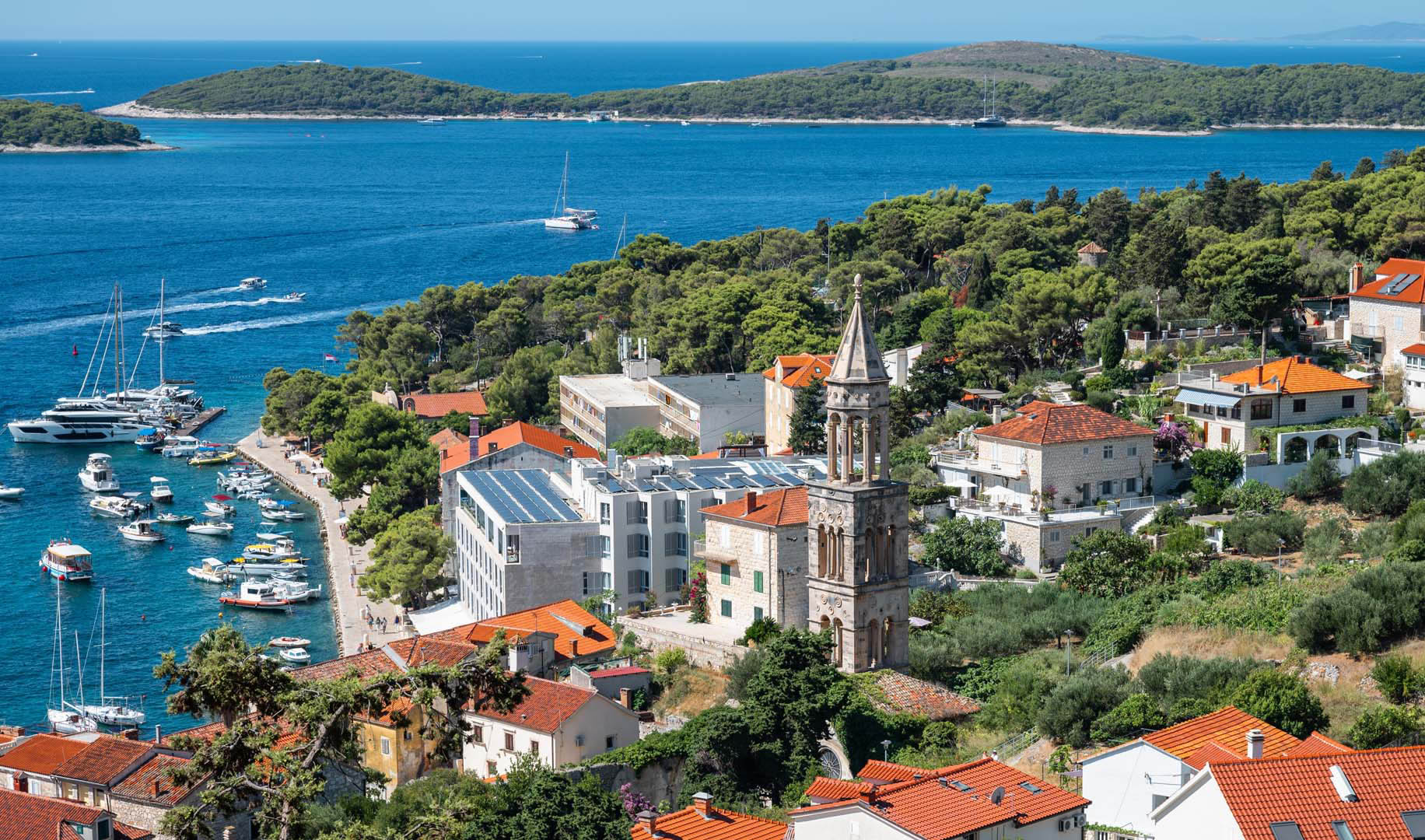
Trading the Hamptons for Hvar: A Summer on Croatia’s Most Glamorous Island
Categories
- Art
- Articles
- Business of Luxury
- Celebrities
- Culture
- Entertainment
- Events
- Faces of Summer 2026
- Fashion
- Fashion & Style
- Featured
- Finance
- Food, Spirits, Wine
- Hamptons
- Hamptons Celebrities
- Health
- Health & Beauty
- Lifestyle
- Luxury Lifestyle
- Press
- Profiles
- Real Estate
- Technology
- The Chronicles
- Travel
- Uncategorized
- Weddings