
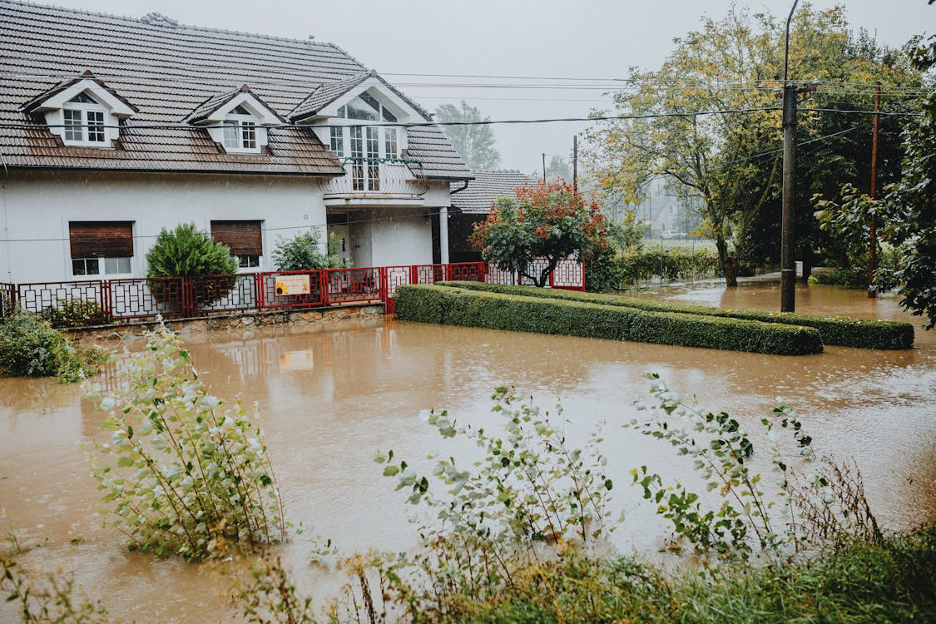
Water damage remains one of the most common reasons homes quietly lose value long before an owner considers selling. Buyers may admire updated finishes, but inspectors focus on what sits behind walls and beneath floors. Plumbing systems, foundations, and moisture control determine whether a property holds up over decades. Even minor leaks can create long-term issues that are costly to fix and difficult to explain during negotiations.
Homeowners who treat water management as a core investment decision tend to protect both livability and resale value. Proactive detection allows problems to be addressed early, before they affect appraisals, insurance claims, or buyer confidence.
The Cost of Invisibility in Residential Properties
The most expensive water damage often begins out of sight, where it escapes routine observation. Slow leaks inside walls, under slabs, or near fixtures rarely trigger immediate alarms. Homeowners may notice a slightly higher utility bill or subtle pressure changes, but these signs are easy to dismiss. Standard visual inspections are limited to accessible areas and cannot confirm conditions within closed systems.
As a result, damage accumulates quietly, weakening materials and increasing the scope of repairs. This detection gap explains why many owners only learn about a problem during a sale or inspection, when time and leverage are no longer available. To close that gap and safeguard their equity, many property owners now rely on a water flow meter to track real-time usage patterns and flag irregular activity before visible damage appears.
Foundation Risks from Undetected Moisture Intrusion
Foundation integrity depends heavily on consistent moisture control. When slow leaks seep into the soil beneath a home, the ground can shift unevenly as moisture levels change. This movement places stress on slabs, footings, and support walls over time. Hairline cracks may develop first, followed by uneven flooring or doors that no longer close properly.
Inspectors take these signs seriously because foundation repairs are disruptive and expensive. Even when issues are technically repairable, buyers often reduce their offers due to long-term structural concerns. Preventing moisture exposure around the foundation is far more cost-effective than addressing instability after damage has occurred.
Mold Growth and Its Impact on Indoor Air Quality
Moisture that goes undetected does not stay isolated. It often creates conditions that allow mold to develop behind walls, under flooring, or within HVAC systems. Mold affects indoor air quality, a growing concern for buyers who prioritize health and comfort.
During inspections, visible mold or even elevated moisture readings can delay transactions or trigger remediation requirements. These issues also raise disclosure obligations that follow a property for years. Homes with documented moisture problems tend to lose buyer confidence quickly, even after remediation. Maintaining dry building conditions protects both occupant health and perceived property quality.
Appraisal Nightmares That Devalue Otherwise Attractive Homes
Water damage often surfaces during appraisals at the worst possible time. Staining, warped materials, musty odors, or evidence of past repairs often raise immediate questions. Appraisers are trained to account for risk, not just aesthetics. When water issues surface, they may adjust valuations downward to reflect potential future repairs.
Buyers, in turn, use these findings as leverage during negotiations. Even minor concerns can lead to extended escrow periods or failed deals. Addressing hidden water risks before listing helps preserve valuation and keeps transactions focused on strengths rather than defects.
Plumbing Lifespans and the Risks of Aging Pipe Materials
Plumbing systems rarely fail all at once. Instead, materials degrade gradually, often without visible warning. Homes built decades ago may still rely on polybutylene or galvanized steel pipes, both known for internal corrosion and reduced durability. As these materials age, they become more susceptible to leaks caused by pressure changes or mineral buildup.
Many homeowners assume no visible damage means the system is sound, but inspectors know otherwise. Aging pipes increase insurance risk and often appear in inspection reports, which can affect buyer confidence. Understanding the lifespan of pipes allows owners to plan replacements before failures disrupt property value.
Environmental Factors That Contribute to Interior Moisture
Water damage does not always originate from inside the home. Poor drainage, improper grading, and clogged gutters often direct rainwater toward foundations instead of away from them. Landscaping can also play a role, especially when irrigation systems oversaturate soil near exterior walls.
Over time, excess moisture migrates indoors through basements, crawl spaces, and lower wall sections. These conditions create long-term dampness that accelerates material wear. Buyers and inspectors increasingly look at exterior water management as part of overall home performance. Addressing environmental exposure reduces interior moisture risk and signals responsible property maintenance.
From Reactive Repairs to Predictive Maintenance
Traditional home maintenance often focuses on addressing visible problems rather than preventing them. This approach leads to emergency repairs, higher costs, and unexpected disruptions. Predictive maintenance shifts the focus toward monitoring systems before failures occur.
By tracking water usage patterns and system performance, homeowners can identify irregularities early. This proactive mindset aligns well with modern real estate expectations, where transparency and documentation matter. Properties maintained with foresight tend to experience fewer insurance claims and smoother inspections. Predictive strategies reduce long-term expenses and demonstrate that the home has been cared for with intention.
High ROI Prevention Strategies That Protect Equity
Not all home upgrades deliver equal returns. Investments that prevent damage often outperform cosmetic improvements over time. Plumbing upgrades, drainage corrections, and leak detection systems help preserve structural integrity and reduce future repair costs. These improvements also shorten time-to-market by minimizing inspection objections.
Buyers are more willing to pay for homes that show evidence of preventive care rather than deferred maintenance. From an investment perspective, spending modestly on prevention protects against large, unpredictable losses. High ROI strategies focus on safeguarding systems that buyers cannot easily see but deeply value.
Building a Practical Water Damage Prevention Checklist
A structured prevention plan helps homeowners stay ahead of potential issues. Annual plumbing inspections, moisture checks, and exterior drainage reviews should be standard practice. Keeping records of upgrades and maintenance adds credibility during disclosures and inspections. Buyers appreciate clear documentation because it reduces uncertainty.
A checklist also simplifies long-term planning, allowing owners to budget for replacements rather than respond to emergencies. Consistent prevention supports both daily living and future resale goals. Homes managed with a clear maintenance framework tend to hold value more effectively across market cycles.
Hidden water damage affects far more than repair budgets. It shapes inspections, appraisals, buyer confidence, and long-term equity. Aging plumbing, environmental exposure, and delayed detection all contribute to value erosion when left unaddressed. Proactive monitoring and preventive upgrades reduce risk and demonstrate responsible ownership. Homes that maintain dry, well-documented systems stand out in competitive markets. Protecting against water damage is not just about avoiding problems. It is about preserving the property’s full value over time.
Author

Written by
Recent Posts
How to Measure Whether a Hair Loss Treatment Is Working
Is Online Psychiatry Covered by Insurance? What to Know Before Booking
Four Habits of Quietly Successful Entrepreneurs

The Most Common Preventable Health Concerns Doctors See Today
What Affects a Rideshare Injury Settlement?
Categories
- Art
- Articles
- Business of Luxury
- Celebrities
- Culture
- Entertainment
- Events
- Faces of Summer 2026
- Fashion
- Fashion & Style
- Featured
- Finance
- Food, Spirits, Wine
- Hamptons
- Hamptons Celebrities
- Health
- Health & Beauty
- Lifestyle
- Luxury Lifestyle
- Press
- Profiles
- Real Estate
- Technology
- The Chronicles
- Travel
- Uncategorized
- Weddings