
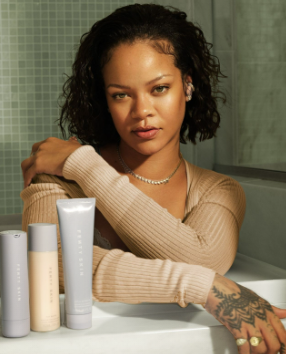
Here is a satisfying thought experiment for anyone building a luxury brand in 2026. Before September 2017, the prestige beauty industry operated on a quiet agreement that nobody discussed publicly. Foundation shade ranges topped out around 20 options. Women with deeper skin tones mixed products, adjusted with concealer, or simply accepted that the industry was not designed for them.
The annual revenue of the global cosmetics market exceeded $430 billion. The gap was enormous. The industry chose not to see it. Rihanna, who grew up in Barbados surrounded by skin tones the Western beauty industry barely acknowledged, saw it clearly. When Fenty Beauty launched with 40 foundation shades, the industry treated it as revolutionary. Women of color treated it as overdue.
Both reactions generated press. Together, they generated $100 million in revenue in the first two months.
Why Rihanna Chose LVMH Over a Standard Licensing Deal
Most celebrity beauty brands launch through licensing deals. The celebrity lends their name and likeness. A manufacturer handles production, distribution, and retail. The celebrity collects a royalty, typically between 5% and 10% of net sales. It is straightforward. It is also a terrible wealth-building strategy.
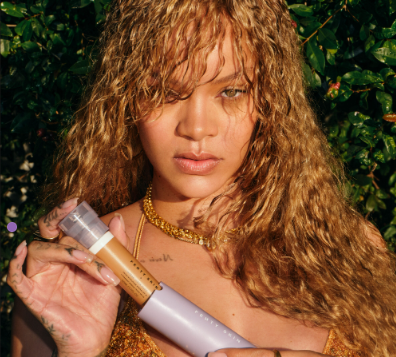
Rihanna negotiated something fundamentally different. She secured a 50/50 joint venture with LVMH’s Kendo Brands division. Kendo had previously built Marc Jacobs Beauty and Kat Von D Beauty. They understood prestige positioning and global distribution. What they needed was a partner who could generate cultural conversation at a scale their existing brands could not match.
The joint venture structure meant Rihanna did not just endorse Fenty Beauty. She co-owns it. Every dollar of brand value that accumulates flows 50% to her. When the brand reached a valuation of approximately $2.8 billion, her half was worth roughly $1.4 billion. Compare that to a 5% royalty on the same revenue, which would yield roughly $75 million per year.
Significant money, yes. But categorically different from ownership. For the complete breakdown of how this ownership stake built her $1.4 billion fortune, read our Rihanna Net Worth 2026 analysis.
The Marketing Psychology That Traditional Brands Cannot Replicate
Fenty Beauty’s marketing does not sell products. It sells belonging. Every campaign features models across a full spectrum of skin tones, body types, and gender presentations. The message stays consistent across every touchpoint: you are not an afterthought. You are the reason this exists.
The psychology behind this approach taps into what social scientists call identity-based motivation. When consumers see themselves represented in a brand, they do not just purchase products. They form identity-linked loyalty and become advocates. They defend the brand against criticism because criticizing the brand feels like criticizing their own identity.
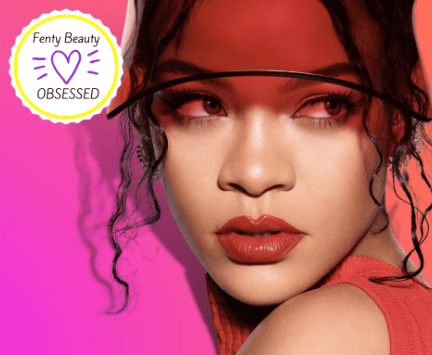
For prestige beauty, this was unprecedented. Legacy brands had spent decades marketing aspiration: buy this product to look like someone you are not. Fenty marketed affirmation: buy this product because it was made for who you already are.
According to Bain & Company‘s luxury research, brands that build identity-linked loyalty achieve customer lifetime values 3 to 5 times higher than brands relying on aspirational marketing alone. Fenty Beauty proved this thesis at global scale.
The Inclusivity Playbook: What Competitors Got Wrong
After Fenty’s launch, nearly every major beauty brand scrambled to expand shade ranges. L’Oréal added shades. Maybelline added shades. Covergirl added shades. On the surface, they were copying the Fenty playbook. In practice, they were missing the point entirely.
Adding shades is a product decision. Building a brand around the idea that every consumer deserves to be seen is an identity decision. The distinction matters because consumers can tell the difference between a company that added darker shades to compete and a company that was built from the ground up to serve them.
Rihanna’s Barbadian background gave her something no corporate diversity initiative could manufacture: genuine understanding. When she said there needed to be something for dark-skinned women, she was describing her own experience, not executing a market strategy. The authenticity created a customer acquisition cost advantage that traditional marketing budgets simply cannot replicate.
The Fenty Failures Nobody Mentions
Fenty Maison, Rihanna’s LVMH-backed fashion house, launched in May 2019 and closed in February 2021. It was the first new fashion house LVMH had launched since Christian Lacroix in 1987. The closure represented a rare public failure for both Rihanna and the world’s largest luxury conglomerate.
The lesson was instructive. Fashion requires seasonal collections, runway shows, physical retail, and inventory risk. Beauty involves high-margin consumable products with repeat purchase cycles and digital-first distribution. Rihanna’s audience showed up to buy $42 foundation. They did not show up to buy $1,000 ready-to-wear.
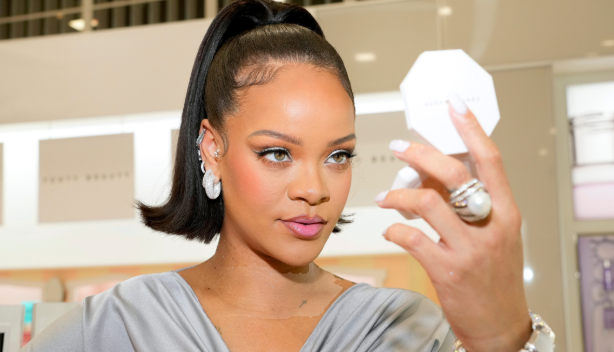
Savage X Fenty has also faced headwinds. The CEO departed for Victoria’s Secret in 2024. Sales flattened. Forbes noted a $400 million decline in Rihanna’s estimated net worth. The empire is not invincible. But the beauty core remains the engine, and the engine still runs.
Five Lessons for Luxury Brand Founders
First, find the gap that existing players refuse to address. It is usually hiding behind an industry assumption that everyone accepts as inevitable. The beauty industry assumed that 20 shades was sufficient. It was not.
Second, negotiate equity over royalties. The upfront money is smaller, but the long-term wealth is categorically different. A 5% royalty deal would have made Rihanna rich. A 50% ownership stake made her a billionaire.
Third, build identity-linked loyalty. If your customers feel that your brand represents who they are, not just who they wish they were, you will never need to compete on price.
Fourth, know when to kill a venture. Closing Fenty Maison was not defeat. It was strategic resource allocation that protected the core brand.
Fifth, choose partners who bring what you lack. Rihanna brought cultural relevance. LVMH brought manufacturing, distribution, and retail infrastructure. Neither could have built Fenty Beauty alone. Together, they built a $2.8 billion brand in under eight years.
Rihanna did not invent cosmetics. She identified a population that had been systematically underserved, built a brand that made them feel seen, and negotiated ownership terms that captured the value she created. The Rihanna Fenty Beauty strategy is replicable. The execution requires a founder who genuinely understands the customer’s pain. She did. It shows in every shade.
Connect With Social Life Magazine
Feature Article Ideas / Advertising / Brand Partnership Inquiries
→ Contact Social Life Magazine
Polo Hamptons Tickets, Cabanas & Brand Sponsorships
→ Polo Hamptons
Join Our Email List
→ Subscribe Here
Social Life Magazine Print Subscription
→ Get Your Subscription
Support Our Work – Donate $5
→ Donate via PayPal
Author

Written by
Recent Posts
hiTechMODA Season 16
How to Keep Your Personal Number Private When Booking Events, Rentals and Services
Understanding Compensatory Damages in a Personal Injury Case
When Online Family Therapy Makes Sense for Modern Families
Carrier Oils, Essential Oils, and Oil Blends: What Beauty Brands Need to Know
Categories
- Art
- Articles
- Business of Luxury
- Celebrities
- Culture
- Entertainment
- Events
- Faces of Summer 2026
- Fashion
- Fashion & Style
- Featured
- Finance
- Food, Spirits, Wine
- Hamptons
- Hamptons Celebrities
- Health
- Health & Beauty
- Lifestyle
- Luxury Lifestyle
- Press
- Profiles
- Real Estate
- Technology
- The Chronicles
- Travel
- Uncategorized
- Weddings