
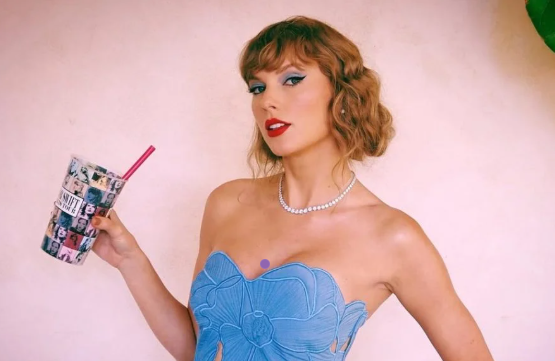
Taylor Swift is worth $1.6 billion. She got there without a single cosmetics line, fashion empire, or tech investment. That fact alone should stop every entrepreneur mid-scroll and force a rethink about what “diversification” actually means.
Forbes noted she is the first person to achieve billionaire status based primarily on songwriting and performing. No makeup. No shapewear. Just songs, tours, and some endorsements. Five specific decisions made the difference between a very successful musician and a billionaire. Here they are.
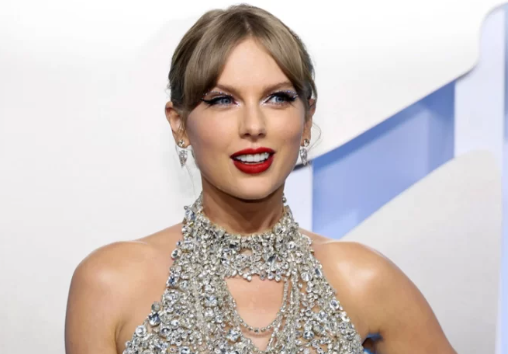
Decision One: Leave Your Own Label at the Peak
In 2018, Taylor Swift’s contract with Big Machine Records expired. She could have re-signed. The label had made her famous. The relationship was familiar. Staying would have been the easy choice. She walked away.
She signed with Republic Records under Universal Music Group on terms that gave her full ownership of everything she recorded going forward. The move sacrificed the comfort of a proven partnership for the principle of ownership. Industry observers debated whether it was wise. By 2026, with her net worth at $1.6 billion, the debate is settled.
The Taylor Swift business strategy started with one uncomfortable truth: if you do not own your work, someone else profits from your talent indefinitely.
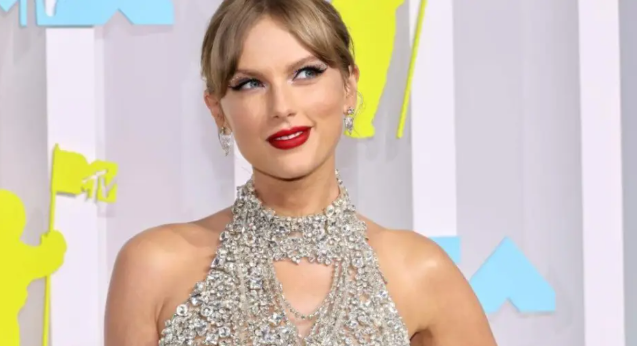
Decision Two: Weaponize the Re-Recording
When Scooter Braun acquired her original masters through the Big Machine purchase, Swift did not litigate. She did not negotiate. She re-recorded. Every album. From scratch.
The strategy was simple in concept and devastating in execution. She created competing “Taylor’s Version” releases with bonus vault tracks that made the originals obsolete. By 2025, streaming numbers for the original versions had collapsed. Then she purchased the original masters from Shamrock Capital for approximately $360 million.
Total ownership. Every note, every version, every right. The re-recording campaign was not artistic expression. It was economic warfare conducted with a smile and a cardigan.
The business lesson applies far beyond music. When someone controls an asset you created, do not fight for the asset. Build a replacement that makes the original worthless. Then buy the original at a discount.
Decision Three: Give Away $197 Million
At the conclusion of the Eras Tour, the highest-grossing concert tour in history at over $2 billion, Swift distributed $197 million in bonuses to her crew. The gesture was unprecedented in touring history.
Beyond the obvious goodwill, the gift created a talent moat. Every top touring professional now wants to work for Taylor Swift. She gets first pick of the best lighting designers, stage managers, riggers, and tour directors in the industry. The quality of her shows improves. The ticket prices she can command increase. The $197 million was not charity. It was an investment in competitive advantage that no other artist can match.
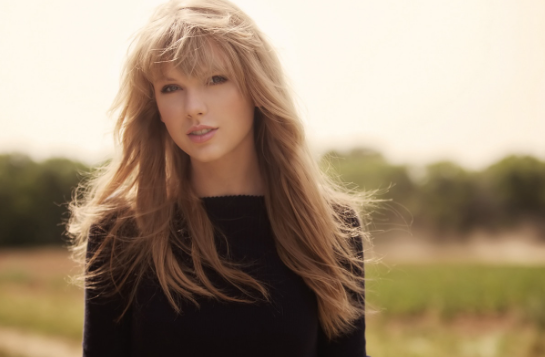
Decision Four: Stay in Your Lane
Rihanna built Fenty Beauty. Kim Kardashian built SKIMS. Kylie Jenner built Kylie Cosmetics. Every comparable female celebrity diversified into beauty, fashion, or consumer products. Swift did not.
The discipline required to avoid diversification when every peer is diversifying suggests strategic clarity most entrepreneurs lack. You do not need to do everything. You need to own everything you do. Swift chose depth over breadth, mastery over diversification, and ownership over expansion. Forbes confirmed the market rewarded this choice.
Decision Five: Build the Most Valuable Celebrity Partnership in Entertainment
Swift’s relationship with NFL tight end Travis Kelce merged the audiences of pop music and professional football. Kelce’s endorsement income nearly doubled after their relationship became public. Their combined net worth exceeds $1.67 billion. Their engagement in 2025 generated media coverage valued in the hundreds of millions.
The cross-pollination creates a combined social footprint spanning demographics that no single celebrity can reach alone. In the economy of attention, the Swift-Kelce partnership represents the most valuable merger in entertainment, whether that was the intention or simply a fortunate byproduct.
The Common Thread Across All Five Decisions
Each decision prioritized long-term value over short-term comfort. Leaving Big Machine was uncomfortable. Re-recording was tedious. Giving away $197 million was expensive. Staying focused was boring. Going public with a relationship was risky.
Every time, the Taylor Swift business strategy chose the option that compounded. The girl from Reading, Pennsylvania, who was told country music was uncool, now owns every note she has ever recorded and a $1.6 billion empire built on the radical idea that artists should control their art.
For the complete financial breakdown of her fortune, read our Taylor Swift Net Worth 2026 analysis.
Connect With Social Life Magazine
Feature Article Ideas / Advertising / Brand Partnership Inquiries
→ Contact Social Life Magazine
Polo Hamptons Tickets, Cabanas & Brand Sponsorships
→ Polo Hamptons
Join Our Email List
→ Subscribe Here
Social Life Magazine Print Subscription
→ Get Your Subscription
Support Our Work – Donate $5
→ Donate via PayPal
Author

Written by
Recent Posts
hiTechMODA Season 16
How to Keep Your Personal Number Private When Booking Events, Rentals and Services
Understanding Compensatory Damages in a Personal Injury Case

When Online Family Therapy Makes Sense for Modern Families

Carrier Oils, Essential Oils, and Oil Blends: What Beauty Brands Need to Know
Categories
- Art
- Articles
- Business of Luxury
- Celebrities
- Culture
- Entertainment
- Events
- Faces of Summer 2026
- Fashion
- Fashion & Style
- Featured
- Finance
- Food, Spirits, Wine
- Hamptons
- Hamptons Celebrities
- Health
- Health & Beauty
- Lifestyle
- Luxury Lifestyle
- Press
- Profiles
- Real Estate
- Technology
- The Chronicles
- Travel
- Uncategorized
- Weddings