
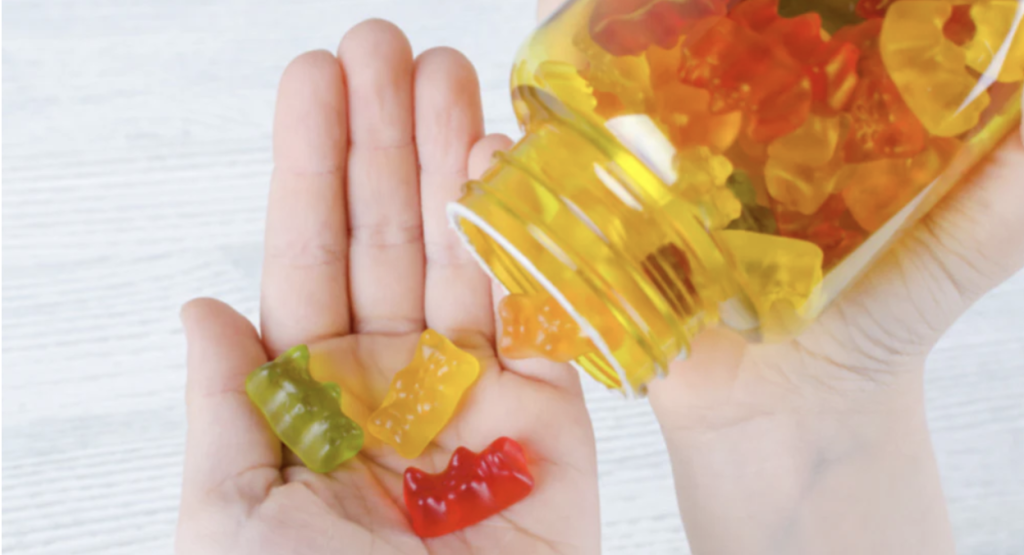
THC gummies may look like simple candy, but once you eat one, your body begins a detailed biological process that unfolds over several hours. Unlike smoking or vaping cannabis, which produces effects within minutes, gummies take a slower and more deliberate path. Understanding how THC gummies work can help you set realistic expectations and avoid common mistakes, especially if you are new to edibles.
When you chew and swallow a THC gummy, the process begins in your digestive system. The gummy dissolves in your stomach and then moves into your small intestine, where THC is absorbed into your bloodstream. This is very different from inhaled cannabis. When THC is smoked or vaped, it passes through the lungs directly into the bloodstream and reaches the brain quickly. With gummies, the body must digest and process the edible first, which explains why the effects take longer to appear.
After absorption, THC travels to the liver. This is where a significant transformation occurs. The liver converts THC into a compound called 11-hydroxy-THC. This metabolite is known to cross into the brain efficiently and can feel stronger and longer-lasting than inhaled THC. Because of this conversion process, many people describe edible experiences as deeper, more immersive, or more body-centered compared to smoking.
Once in the brain, THC interacts with something called the endocannabinoid system. This system is a natural regulatory network in the body that helps maintain internal balance. It influences mood, stress response, appetite, sleep, memory, and pain perception. The endocannabinoid system contains receptors known as CB1 and CB2 receptors. THC primarily binds to CB1 receptors, which are concentrated in the brain and central nervous system.
When THC attaches to these receptors, it alters the release of neurotransmitters. Neurotransmitters are chemical messengers that help brain cells communicate with one another. By influencing these signals, THC can create the effects people commonly associate with cannabis. These may include relaxation, euphoria, altered perception of time, heightened sensory awareness, and increased appetite. The intensity of these effects depends on several factors, including dosage, tolerance, metabolism, and overall body chemistry.
Because gummies must be digested and metabolized before reaching the brain, they take longer to start working. Most people begin to feel effects within 30 minutes to two hours. If you have eaten recently, especially a large meal, the onset may take longer because your body is already focused on digestion. If taken on an empty stomach, the effects may begin sooner. This delayed onset is why patience is critical with edibles. Taking more than they need to soon is one of the most common reasons people have uncomfortable experiences.
The duration of THC gummies is one of their defining characteristics. While inhaled THC often fades within two to three hours, gummies typically last between four and eight hours. In some cases, especially with higher doses, effects can extend even longer. The experience usually builds gradually, reaches a peak a few hours, and then slowly tapers off. Because of the liver’s conversion to 11-hydroxy-THC, the effects tend to feel sustained rather than sharp and fleeting.
Several factors influence how THC gummies affect you personally. Dosage plays the biggest role. A lower dose may produce mild relaxation, while a higher dose can intensify both the mental and physical effects. Tolerance also matters. Individuals who use THC regularly may find that their bodies respond differently compared to someone who rarely consumes cannabis. Body composition can also play a part since THC is fat-soluble and may be stored in fat tissue before being gradually released.
Mindset and environment contribute significantly as well. Your emotional state before consuming a gummy can shape the overall experience. A calm, comfortable setting tends to encourage relaxation. Stressful or unfamiliar surroundings can amplify anxiety or discomfort. The psychological component should not be underestimated, as expectations and mood often influence perception.
If someone consumes more THC than intended, the experience can feel overwhelming. Effects such as racing thoughts, temporary anxiety, dizziness, or an increased heart rate may occur. While these sensations can be uncomfortable, they are temporary. The body will metabolize the THC over time. Staying hydrated, eating light food, resting in a familiar environment, and practicing slow breathing can help ease the experience until it subsides.
One important distinction to understand is the difference between how long the effects last and how long THC remains in your system. Even after the noticeable effects fade, THC metabolites can stay in the body for days or weeks, depending on the frequency of use and individual metabolism. This is particularly relevant for anyone concerned about drug testing.
THC gummies work through a coordinated interaction between digestion, liver metabolism, and the endocannabinoid system. The process is slower than inhalation but produces longer-lasting effects because of how the body converts and processes THC. What feels like a simple edible is actually engaging complex biological systems designed to maintain balance in the body.
Approaching gummies with patience and awareness makes a significant difference. Starting with a low dose and allowing enough time for full effects to develop helps create a more predictable and comfortable experience. Understanding the science behind how THC gummies work removes much of the uncertainty and allows you to make informed choices based on how your body responds.
At their core, THC gummies are not mysterious. They rely on digestion, chemical conversion, and receptor interaction. Once you understand that sequence, the slower onset and extended duration make perfect sense.
Author

Written by
Recent Posts
What Goes Into Planning a Professional Furnace Installation?
Why Sports Card Collecting Is More Than Just a Hobby
From Signature Scents to Scent Wardrobes: The Evolution of Personal Fragrance

Beyond the Booth: How Exhibition Design Is Creating New Brand Experiences

Trading the Hamptons for Hvar: A Summer on Croatia’s Most Glamorous Island
Categories
- Art
- Articles
- Business of Luxury
- Celebrities
- Culture
- Entertainment
- Events
- Faces of Summer 2026
- Fashion
- Fashion & Style
- Featured
- Finance
- Food, Spirits, Wine
- Hamptons
- Hamptons Celebrities
- Health
- Health & Beauty
- Lifestyle
- Luxury Lifestyle
- Press
- Profiles
- Real Estate
- Technology
- The Chronicles
- Travel
- Uncategorized
- Weddings