
Guest transport feels like the most difficult piece of the puzzle. Getting everyone from point A to point B without delays can improve the whole experience.
Planning for people to arrive on time requires careful thought. Most planners find that reliable shuttle services solve the biggest headaches of group travel. Such solutions remove the stress of finding parking. Clear systems keep the day on track.

Planning For Large Guest Lists
Successful events start with a solid head count. Know exactly how many people need a ride for better vehicle selection. Logistics teams work best when they have clear numbers far in advance.
Organizers are seeing a massive surge in event frequency lately. A report on industry trends found that 66% of planners expect to schedule more events in 2025 compared to 2023. Scarcity of vehicles can drive up prices as the event date gets closer. Securing a contract months ahead protects the budget and the schedule.
Streamlining Guest Arrival Flows
Coordinating arrivals at a central hub keeps the schedule on track. Many planners use Sydney event bus rentals to move groups between hotels and venues. These services provide a reliable way to keep the itinerary moving smoothly.
Moving guests in large batches reduces the number of individual cars on the road and lessens the burden on venue staff who manage the entrance. A smooth arrival sets the tone for the entire day.
Guests feel more relaxed when they do not have to hunt for a spot in a crowded lot. Professional drivers handle the navigation so the attendees can focus on networking. Valuing the time of your guests builds a positive reputation for your brand.
Maximizing Efficiency With Shared Data
Sharing real-time data with transport partners reduces confusion, and coordinators can adjust to traffic or flight delays instantly. Tech tools now allow for instant updates between the ground crew and the lead organizers.
Communication between teams creates a seamless flow. Industry research shows that 63% of firms share visibility data with their partners to improve efficiency. Small changes in the schedule can be handled without a ripple effect. Coordination becomes easier when everyone sees the same information.
Navigating Urban Transit Challenges
City streets present unique hurdles for large vehicles. Traffic patterns change by the hour, and road construction can appear overnight. Experts in local transport know how to navigate tight corners and busy intersections. They plan alternate routes to avoid known blockages during peak hours.
Large buses require specific drop-off points that do not block traffic. Coordinating with local authorities might be necessary for the biggest gatherings. Drivers who know the area can find the safest spots for guests to step off the bus. A well-timed arrival depends on local knowledge and preparation.
The Growing Market For Event Transportation
Investing in quality rides guarantees that guests feel valued and comfortable. A poor shuttle experience can ruin the mood before the event even begins. Planners now allocate more resources to such logistics than in previous years.
Market data shows just how much businesses value this service. Transport services held over 77% of the revenue share in the event logistics market for 2025. Quality transport reflects the high standards of the host organization and shows a commitment to guest comfort and operational excellence.
Choosing The Right Vehicle Size
Selecting the right fleet depends on the group size and the venue location. Narrow streets might require smaller mini-coaches. Larger groups benefit from full-sized buses to move hundreds of people at once. Mixing vehicle types works best for varied arrival times.
Consider various factors when choosing your fleet:
- Total guest count per trip
- Distance between pickup and drop-off
- Width of the venue access roads
- Amenities required for passenger comfort
- Parking space at the destination
Matching the bus to the mission saves fuel and money. Small groups do not need a massive coach for a five-minute trip. Efficiency comes from right-sizing the fleet for the specific needs of the day.
Budgeting For Reliable Services
Costs vary based on the season and the time of day. Morning and evening peak hours carry higher rates. Working with a provider to find off-peak windows can save money for the organization. Savings can be used to improve other parts of the guest experience.
Clear contracts prevent hidden fees at the end of the night. Ask about fuel surcharges and driver gratuity upfront. Having all costs detailed in the agreement keeps the budget predictable.
No one likes a surprise bill after a long day of hosting. Professional partners will provide a full breakdown of every $1 spent, as this clarity helps in reporting the final event costs to stakeholders.
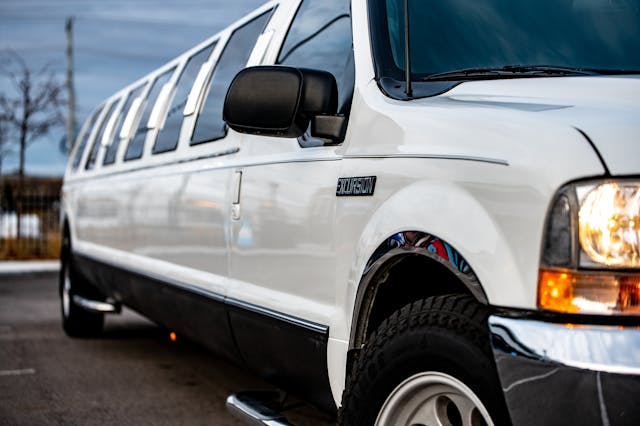
Mastering guest logistics turns a good event into a great one. Reliability and comfort should always come first. When guests do not have to worry about parking or directions, they can focus on the event itself.
Taking the time to plan every route pays off. Every mile traveled brings the group closer to a memorable experience.
Author

Written by
Recent Posts
What Goes Into Planning a Professional Furnace Installation?
Why Sports Card Collecting Is More Than Just a Hobby
From Signature Scents to Scent Wardrobes: The Evolution of Personal Fragrance

Beyond the Booth: How Exhibition Design Is Creating New Brand Experiences

Trading the Hamptons for Hvar: A Summer on Croatia’s Most Glamorous Island
Categories
- Art
- Articles
- Business of Luxury
- Celebrities
- Culture
- Entertainment
- Events
- Faces of Summer 2026
- Fashion
- Fashion & Style
- Featured
- Finance
- Food, Spirits, Wine
- Hamptons
- Hamptons Celebrities
- Health
- Health & Beauty
- Lifestyle
- Luxury Lifestyle
- Press
- Profiles
- Real Estate
- Technology
- The Chronicles
- Travel
- Uncategorized
- Weddings