
You appreciate being independent, but safety becomes more relevant as routine changes. Going around your house, walking outside, and going out by yourself would occasionally raise silent anxiety about falling, getting lost, or being slow to get assistance.
At the same time, the use of constant supervision is intrusive and unnecessary. You desire an assurance that does not encroach on your privacy while keeping protection nearby.
GPS technology can fill this gap by easing safety without interfering with your lifestyle. It silently operates in the background so that you can concentrate on the day-to-day activities instead of risk.
GPS-based medical alert systems are helpful in both home and outdoor activities with real-time tracking of location, awareness of falls, and real-time emergency alerts. This balance makes you feel confident, mobile, and safe.
The sections below describe the ways in which GPS technology in medical alert systems enhances daily safety in a practical and easy-to-use application.
1. Location Awareness During Falls and Home Movement
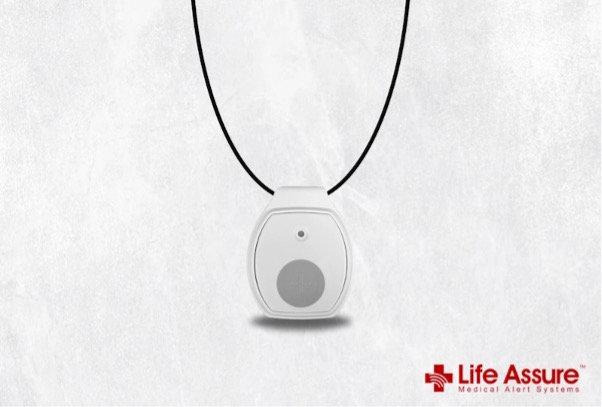
Home routines are predictable, but falls on slippery surfaces, stumbling on the carpets, or slipping when grasping objects happen without warning. During such instances, a GPS tracker for falls serves as a safety net at all times since it monitors abnormal movement and transmits precise position information in real time.
These systems, which combine tracking with motion sensors, are able to follow patterns without interrupting your everyday pace. In case of sudden or unusual movement, the device gives definite location information to your selected contacts. If something happened, rather than a general notification, your family or people will know your location, whether it is indoors or close to home.
Since the precise location is included in every alert, the responders arrive sooner, which minimizes uncertainties. Simultaneously, the documented history of movement brings out recurrent patterns, which provide insights into the relevance of risks.
Moreover, minor modifications make the slips less likely in the future, but still, you can move and live the way you want at home. An example is the frequent movement at night that may cause lighting changes or repositioning of the mattress.
2. Confidence During Outdoor Movement
Going outside brings fresh air, familiar routes, and individual freedom. However, the outside movement also involves uneven surfaces, the altering weather, mass, or an unfamiliar path. GPS safety technology supports exploration without hesitation.
Location tracking allows you to be conscious of your location relative to home and other places you know well. By sharing access, people that you trust can know where you are, which produces a feeling of safety without the need to call or message regularly.
There are also many systems that enable safe zone settings of common routes, parks, or destinations. When you move outside these limits, minor alerts are sent to your contacts. This will provide you with backup in case of unforeseen changes and still give you the freedom to move where you want.
3. Rapid Emergency Response
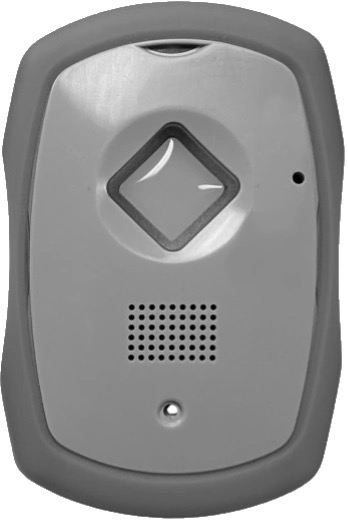
Emergencies require a swift response, and the right location information is important. GPS devices transmit accurate positioning and alerts, and the communication is not lost in moments of high stress.
When you fall or have an urgent health emergency outside, your device informs your precise location in real time. This eliminates the need to explain the exact location for responders.
One-touch emergency buttons are also found in many of these systems. One touch sends your whereabouts and mobility status, which helps reach you sooner. This stability is reassuring, and it creates a sense of security both at home and away.
4. Continuous Monitoring Without Lifestyle Disruption
The most effective form of safety support is one that is not disruptive to your routine. GPS-based systems give full 24/7 background protection through continuous monitoring in the background, even when you move around all day.
These systems remain vigilant to any changes in movement, location, or patterns of activities, as opposed to requiring constant interaction. Alerts are only activated when you need them, which minimises the number of interruptions and helps preserve your feeling of independence.
Due to the fact that monitoring is very silent, you can concentrate on daily tasks instead of being concerned about safety. This practice promotes self-reliance but does not dismiss assistance in any situation.
5. Direct Communication During Critical Moments
During emergencies, clear communication plays an essential role in receiving the right assistance. Many GPS systems include built-in two-way communication, allowing direct contact with trained responders through the device itself.
This feature removes the need to search for a phone or explain the situation under pressure. You can speak immediately, describe how you feel, or confirm details while help is arranged.
Direct communication also reassures you during stressful moments. Knowing that someone responds instantly and stays connected until assistance arrives strengthens confidence at home and outdoors.
6. Reliable Daily Wear and Consistent Protection
Safety technology works best when it fits comfortably into everyday life. GPS trackers designed for seniors focus on easy wear, simple operation, and dependable performance throughout the day.
Lightweight and water-resistant designs allow continuous use during routine activities such as walking, resting, or showering. This consistency ensures protection remains active during moments when incidents often occur.
Reliable battery performance and clear alerts prevent unexpected gaps in coverage. When safety becomes part of your routine rather than a separate task, confidence and peace of mind remain uninterrupted.
Practical Safety in Motion
GPS technology transforms safety from reactive to proactive. Maintaining awareness, reducing response time, and supporting independence strengthen protection across daily life.
From quiet moments at home to active time outdoors, this technology stays present without intrusion. It offers clarity when uncertainty arises and confidence when movement matters most.
When safety aligns with freedom, daily life feels more secure, balanced, and connected.
Author

Written by
Recent Posts
House Closing Process: What Sellers Should Expect From Start to Finish
What to Know Before Buying a Home in Brantford
When Does Using a Travel Advisor Make the Biggest Difference
What to Look for When Choosing Your First Red Light Therapy Panel

Experience the luxury of exploring Aruba’s coast by private yacht
Categories
- Art
- Articles
- Business of Luxury
- Celebrities
- Culture
- Entertainment
- Events
- Faces of Summer 2026
- Fashion
- Fashion & Style
- Featured
- Finance
- Food, Spirits, Wine
- Hamptons
- Hamptons Celebrities
- Health
- Health & Beauty
- Lifestyle
- Luxury Lifestyle
- Press
- Profiles
- Real Estate
- Technology
- The Chronicles
- Travel
- Uncategorized
- Weddings