
Corporate travel has changed a lot, and now the shape of the mission determines which plane to use. While luxury is still a big part of private aviation, the main reason people fly private these days is to be able to keep their bodies in top shape across multiple time zones. The range, cabin altitude, and connectivity suites that enable the aircraft to function as a seamless extension of the boardroom are all taken into consideration when determining the best private jets to hire. Light and midsize jets can land at smaller municipal airports, making them great for regional missions. Ultra-long-range flagships, on the other hand, solve the problem of being able to move around the world without stopping. Travelers can turn travel time into a strategic advantage by matching these technical skills with the specific needs of their business itinerary. This way, every hour in the air helps them succeed on the ground.
High-Performance Solutions for Success in Short Haul
Speed and access are often the most important things for missions that stay on one continent. Light jets are the main way people travel within a region. They can land and take off from runways that are off-limits to larger commercial or private planes.
Light jets are very precise. The Embraer Phenom 300E and the Cessna Citation CJ4 Gen3 are two models that people like to use for same-day return trips. Their ability to land at secondary hubs cuts down on the “last mile” travel time to corporate headquarters or remote sites by a lot.
Super-Midsize Versatility: The Bombardier Challenger 3500 and the Praetor 500 have a flat-floor cabin and fly-by-wire technology that makes the ride smoother. This means that the cost is balanced with the comfort.
Operational Agility: Because the boarding process is so quick at private terminals, a team can be in the air within fifteen minutes of arriving at the airport. This level of efficiency is impossible to match in the commercial sector.
Getting Good at Intercontinental Missions
When the mission profile calls for crossing oceans, the focus changes to “wellness-based” aviation technology. The newest heavy jets are designed to lessen the physical effects of long-distance travel.
The Bombardier Global 8000 and the Gulfstream G800 are two of the best-known models that have raised the bar for passenger comfort. These planes have the lowest cabin altitudes in the business—sometimes as low as 2,900 feet while cruising at high altitudes—which keeps blood oxygen levels higher and makes jet lag symptoms much less severe. Integrated circadian lighting systems also mimic natural daylight cycles, which helps the body’s internal clock adjust to the time zone of the destination before the wheels even touch the ground. This focus on “arrival readiness” is the most luxurious thing for a modern executive.
Digital Innovation and Openness in the Market
Thanks to on-demand digital platforms, the process of getting these high-end machines has become more open. Travelers can now see tail availability, safety ratings, and year of manufacture in real time, which makes it easier to choose the right one. This “frictionless” booking environment also makes it easy to find “empty leg” opportunities, which are repositioning flights that are offered for a small fee compared to the usual charter rate.
In the end, the best way to travel is to take a variety of approaches to the fleet. Modern travelers can make sure that their time in the air is as productive and relaxing as their time at the destination by choosing the right tool for the job. For example, an agile light jet for a regional shuttle or an ultra-long-range titan for a global summit.
Author

Written by
Recent Posts
What Goes Into Planning a Professional Furnace Installation?
Why Sports Card Collecting Is More Than Just a Hobby
From Signature Scents to Scent Wardrobes: The Evolution of Personal Fragrance

Beyond the Booth: How Exhibition Design Is Creating New Brand Experiences
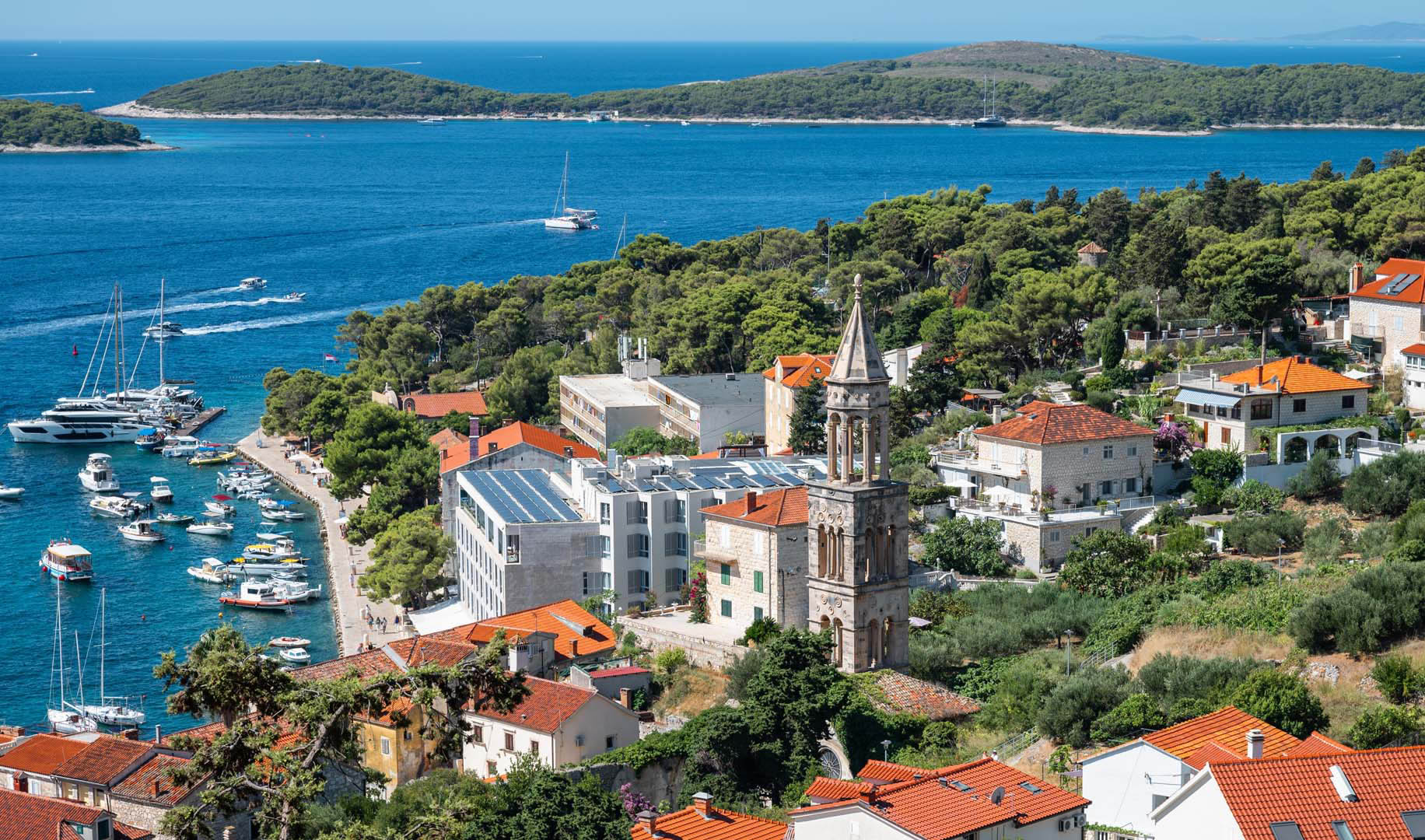
Trading the Hamptons for Hvar: A Summer on Croatia’s Most Glamorous Island
Categories
- Art
- Articles
- Business of Luxury
- Celebrities
- Culture
- Entertainment
- Events
- Faces of Summer 2026
- Fashion
- Fashion & Style
- Featured
- Finance
- Food, Spirits, Wine
- Hamptons
- Hamptons Celebrities
- Health
- Health & Beauty
- Lifestyle
- Luxury Lifestyle
- Press
- Profiles
- Real Estate
- Technology
- The Chronicles
- Travel
- Uncategorized
- Weddings