

Ten years ago, luxury travel was largely defined by opulence in a fairly traditional sense: five-star hotels, first-class cabins, private beaches, and meticulously managed itineraries. That definition hasn’t disappeared, but it has been significantly complicated.
The most sophisticated travelers today are looking for something harder to commodify than thread counts and amenity lists.
The shift has been driven by a generation of wealthy travelers who have already done the obvious trips, stayed in the flagship properties, and found that access alone – however exclusive – isn’t the same as a genuinely meaningful experience.
The Move Away from Conspicuous to Experiential Luxury
The clearest change in high-end travel over the last decade is the move from displaying wealth through destinations and properties toward collecting experiences that feel genuinely rare.
A private villa in Tuscany has been available to wealthy travelers for generations. Being taken through the Barolo wine country by the winemaker who produces one of the region’s most sought-after bottles is a different proposition entirely.
This appetite for depth and authenticity has filtered through to how travel itself is documented. Travelers who once relied on a professional photographer to commemorate a trip now often travel with their own equipment.
Finding the best vlogging camera for a particular environment – one that handles low-light interiors, open water, or fast-moving safari vehicles – has become part of the pre-trip planning conversation for many affluent travelers who want to capture experiences as they actually feel, rather than as they’re staged.
Private Aviation and the Rethinking of Transit
The commercial aviation experience – even at the front of the cabin – has become a friction point that a growing number of high-net-worth travelers have decided to remove entirely.
Private aviation has grown substantially over the last decade, and fractional ownership models and charter apps have made it accessible at a lower threshold than outright aircraft ownership.
The appeal isn’t purely about comfort. It’s about control: departing on your schedule, from a smaller airport closer to your origin, to a destination served by a small airstrip rather than a major hub.
Private aviation has made certain remote destinations genuinely practical in a way that wasn’t true before.
Hyper-Personalization Over Standard Luxury
The luxury travel industry has moved decisively toward hyper-personalization as a differentiator. The standard formula of high-quality generic amenities delivered consistently is now considered the floor, not the ceiling. What affluent travelers increasingly pay for is an experience configured specifically around them.
This manifests in travel design that begins months in advance, with detailed conversations about interests, pace preferences, dietary requirements, and the kind of moments a traveler actually wants – rather than the kind of moments that look impressive in a brochure.
The best luxury travel agencies now function more like personal researchers and storytellers than booking agents.
Sustainability as a Non-Negotiable
Wealthy travelers have shifted significantly on sustainability over the last decade, and the luxury sector has had to respond.
Carbon offsetting, once considered a reputational accessory, is now standard practice among premium operators. More meaningfully, a number of high-end properties have built genuine conservation or community development programs into their model, giving travelers a sense that their visit contributes something beyond the exchange of money for service.
Conservation safari lodges in East Africa, regenerative agriculture estates in Europe, and marine research programs in the Pacific are all examples of properties that have successfully merged genuine environmental purpose with genuine luxury.
These aren’t compromise properties – the best of them offer an experience superior to a traditional luxury hotel precisely because the mission gives every element of the stay additional meaning.
The Destination Mix Is Expanding
A decade ago, the high-net-worth travel conversation was dominated by a fairly predictable list of destinations. The Maldives, Tuscany, the French Riviera, Patagonia, safari in Kenya – all outstanding, all well-established. The most interesting development in recent years has been the expansion of that list.
Destinations once considered too difficult, too undeveloped, or too obscure for luxury travel have become precisely the appeal for travelers who have exhausted the conventional circuit.
Georgia and Armenia in the Caucasus, the Faroe Islands, the Lofoten archipelago in Norway, certain regions of Japan beyond Kyoto and Tokyo – these are destinations where exclusivity comes from scarcity of access rather than premium pricing.
What Stays the Same
For all the shifts in how luxury travel is conceived and delivered, some things remain constant. Service quality, privacy, and the ability to move through the world without friction are still core to what affluent travelers are paying for.
The most significant change may simply be that wealth now buys access to the remarkable as much as access to the expensive. And for travelers who have been both, the distinction has come to matter quite a lot.
Author

Written by
Recent Posts
What Goes Into Planning a Professional Furnace Installation?
Why Sports Card Collecting Is More Than Just a Hobby
From Signature Scents to Scent Wardrobes: The Evolution of Personal Fragrance

Beyond the Booth: How Exhibition Design Is Creating New Brand Experiences
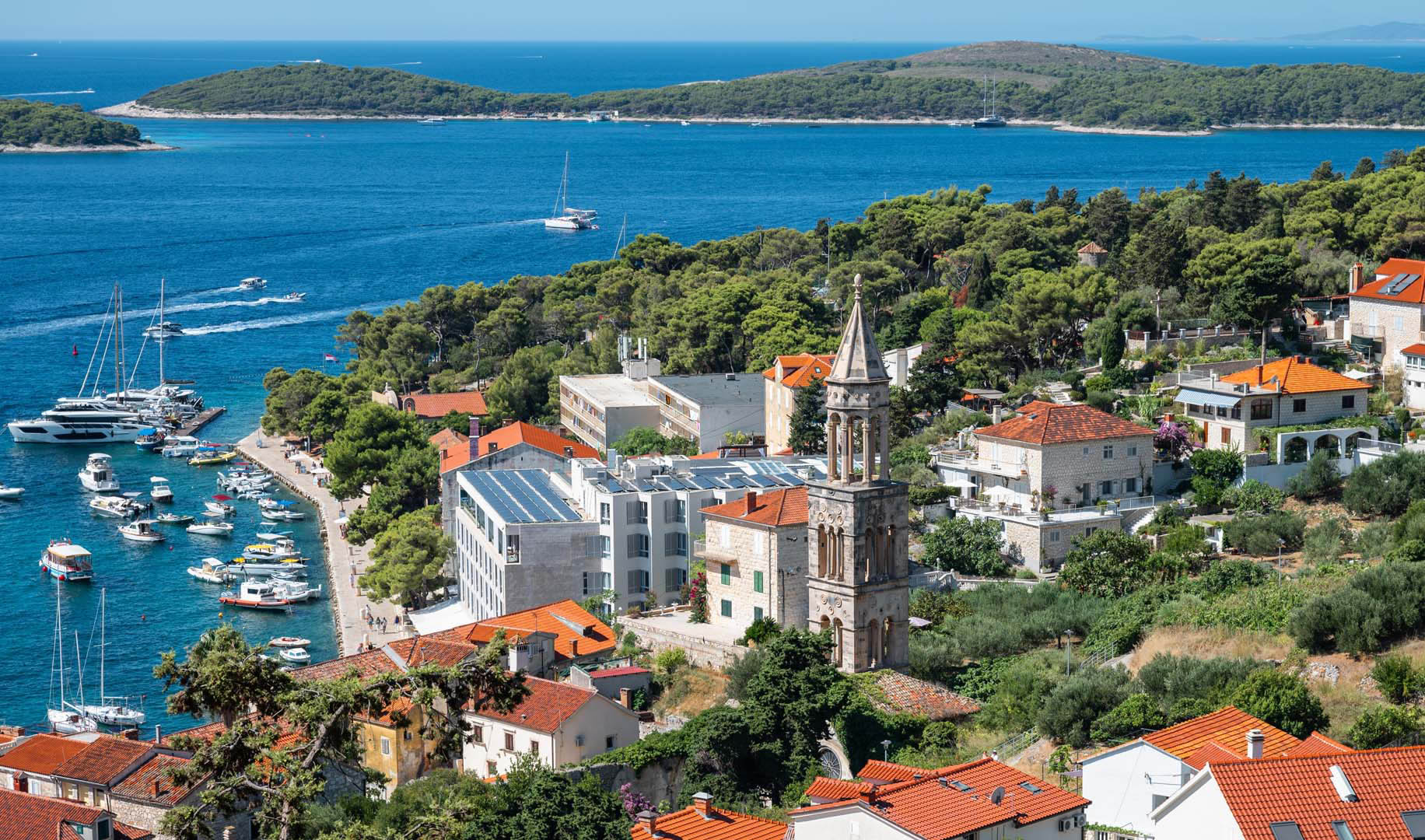
Trading the Hamptons for Hvar: A Summer on Croatia’s Most Glamorous Island
Categories
- Art
- Articles
- Business of Luxury
- Celebrities
- Culture
- Entertainment
- Events
- Faces of Summer 2026
- Fashion
- Fashion & Style
- Featured
- Finance
- Food, Spirits, Wine
- Hamptons
- Hamptons Celebrities
- Health
- Health & Beauty
- Lifestyle
- Luxury Lifestyle
- Press
- Profiles
- Real Estate
- Technology
- The Chronicles
- Travel
- Uncategorized
- Weddings