
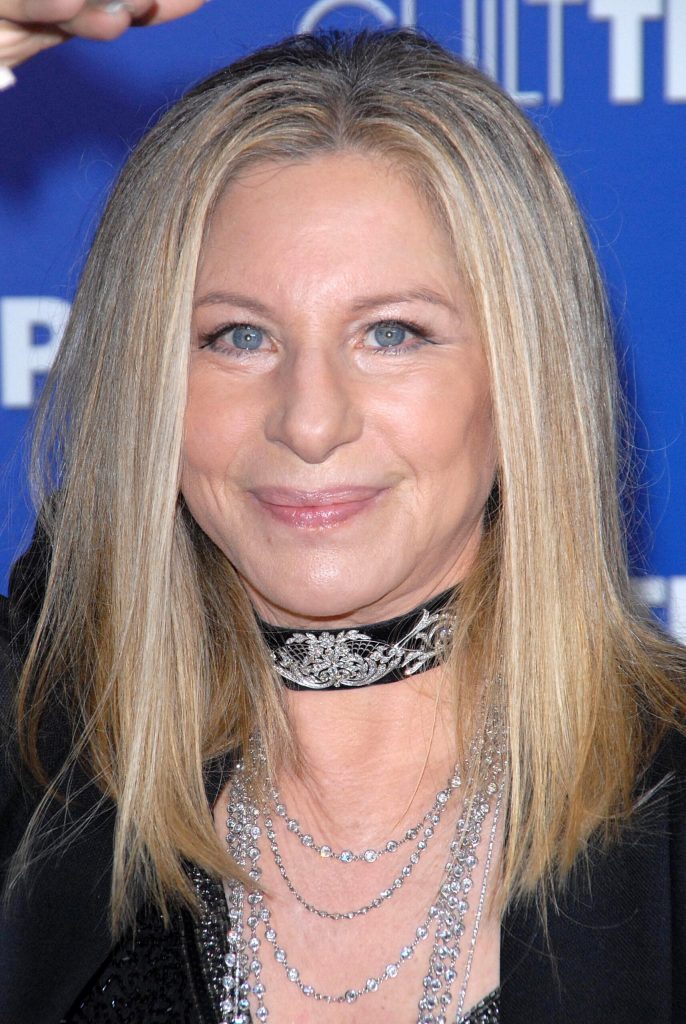
The 79th Cannes Film Festival runs from May 12 to May 23, 2026. On closing night, during the ceremony broadcast live from the Palais des Festivals, Barbra Streisand walks onto that stage and receives the honorary Palme d’Or — the highest honor the oldest major film festival in the world can give. It will be her first time at Cannes. She is 83 years old. The festival has existed since 1946. Do the math, then ask yourself why it took eighty years for the woman festival director Thierry Frémaux called “the legendary synthesis between Broadway and Hollywood” to receive an invitation worth accepting.
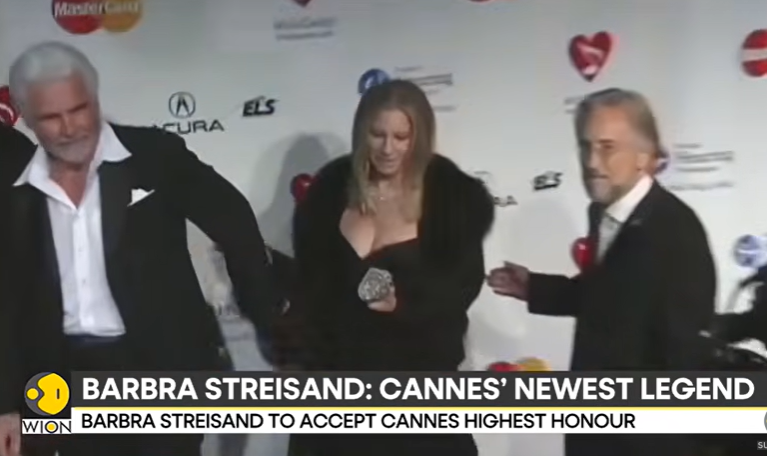
The Record That Didn’t Need a Film Festival’s Permission
The answer is the record. Barbra Streisand built one of the most complete careers in American entertainment without the European critical establishment’s blessing, and for most of that career, she didn’t need it. Records came instead. Two billion dollars’ worth, across six decades, placing her among the twenty best-selling recording artists of all time. An Oscar for Best Actress. Another for Best Original Song. Emmys, Grammys, a Tony, Golden Globes, three Peabodys — all of it earned without a single Cannes invite. She is an EGOT — one of seventeen people in history to win all four major American entertainment awards — and she got there by making the music she wanted, directing the films she chose, and building the institutional infrastructure she needed, in decades when the industry told her repeatedly that women didn’t get to do those things.
Tonight, while the 98th Academy Awards air live from the Dolby Theatre, Streisand appears on that same stage to honor her late co-star Robert Redford, who died in September 2025 at 89. The same week Cannes announced her Palme d’Or. At 83. In the same month. The timing is either extraordinary coincidence or what it looks like when an institution decides it has waited long enough.
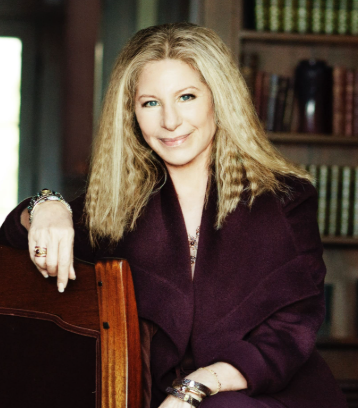
Barbra Streisand at the Oscars Tonight: Robert Redford and the Song That Outlived Them Both
Robert Redford and Barbra Streisand made one film together. In 1973, director Sydney Pollack cast them opposite each other in The Way We Were — a love story set against the Hollywood blacklist era, built on the premise that two people can be perfectly wrong for each other and still be the most important relationship either ever has. The film became a commercial phenomenon. Alan and Marilyn Bergman wrote the title song, Marvin Hamlisch composed the music, and Streisand’s recording reached number one on the Billboard Hot 100, holding that position into 1974. That year it won the Oscar for Best Original Song and the Grammy for Song of the Year. Redford and Streisand remained friends for more than fifty years after the film wrapped.
The Last Visit and the 52-Year Conversation
On September 16, 2025, Redford died in his sleep at age 89. Streisand wrote on Instagram that same day: “Every day on the set of The Way We Were was exciting, intense and pure joy. We were such opposites: he was from the world of horses; I was allergic to them. He was charismatic, intelligent, intense, always interesting — and one of the finest actors ever. The last time I saw him, when he came to lunch, we discussed art and decided to send each other our first drawings.” That is a friendship. Also a 52-year conversation ending on a Tuesday afternoon.
Sources confirmed to Variety and Deadline that Streisand is in discussions to perform at tonight’s ceremony during the In Memoriam segment. One independent source suggested her appearance is confirmed, though singing may not be part of it. The last time she performed at the Oscars was 2013, when she sang The Way We Were to honor Hamlisch — the same composer who wrote the song she may sing tonight for the man who performed it with her on screen. Whether she sings or simply speaks, the appearance closes something that started five decades ago in a 35mm projection room when a producer put the most distinctive voice in American music opposite the most golden face in American film.
What the Record Actually Says: The First Woman to Do All of It
The Cannes press release used the phrase “staggering record” and then, correctly, noted that the record misses the point. Here is what the record says. Streisand received her first Oscar in 1969 for Best Actress in Funny Girl — her film debut. In 1978, she became the first woman to win the Academy Award for Best Original Song, for “Evergreen,” the love theme she co-wrote for A Star Is Born. With Yentl in 1983, she became the first woman to direct, produce, write, and star in a major motion picture. That same film earned her the first Golden Globe for Best Director a woman had ever won.
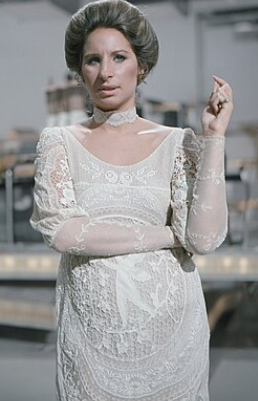
Twenty Years to Make Yentl: The Cost of the Firsts
She fought for Yentl for twenty years. In 1963, she found the Isaac Bashevis Singer short story, bought the rights, and spent two decades hearing that audiences wouldn’t accept a woman directing, that the subject matter was too niche, that she was overreaching. The film came out in 1983. It worked.
The biographical detail worth sitting with: her grandmother, her mother, and the women who raised her in Brooklyn had no version of the life she built available to them. The industry she cracked open didn’t crack open for her first. Every first she accumulated — first woman to direct and star, first female composer to win the Oscar, first to win both a competitive and an honorary Grammy in the same decade — arrived against active institutional resistance. That makes the Cannes honor read differently than a lifetime achievement award given to someone the industry always loved. Festival president Iris Knobloch put it plainly: “This year, we were keen to pay tribute to an artist who made her mark through the power of her art and her uncompromising pursuit of freedom. As a woman, I am delighted to express our admiration for this consummate creator and courageous citizen.”
The phrase “as a woman” carries specific weight. Knobloch is not saying Streisand made great art for a woman. Rather, as a woman now running one of the world’s most prestigious film institutions, she understands what Streisand’s persistence cost and what it made possible. The women who built cultural institutions in the second half of the twentieth century did so without the structural support that exists now, and without the public acknowledgment now arriving, belatedly, in the form of golden palms.
The Infrastructure She Built That the Career Didn’t Require
Selling 150 million records is the headline. The institution-building is the story that doesn’t travel as easily. The Streisand Foundation, established in 1986, funds gender equality initiatives, LGBTQ+ rights organizations, environmental protection, medical research, and arts education for low-income children. The Barbra Streisand Women’s Heart Center at Cedars-Sinai came after she discovered that heart disease presents differently in women than in men — and that most clinical research relied on male subjects, leaving women at risk of misdiagnosis. She funded a center. Then she endowed the Barbra Streisand Institute at UCLA, focused on truth in public life, climate change, the dynamics of power between women and men, and the role of art in culture.
Building the Institution You Need When It Doesn’t Exist
None of this required fame. Fame made it possible, but the decision to build durable institutional infrastructure — rather than accumulate wealth or celebrity — was a choice. Social Life Magazine has written about how the most powerful cultural figures don’t just create work — they build the infrastructure that determines how culture gets made for the next generation. Streisand’s philanthropic architecture is the civilian version of what Yentl was cinematically: a woman deciding that if the institution she needed didn’t exist, she would build it herself.
The living legends of American entertainment are often defined by their awards. Streisand’s awards are real and substantial. What is harder to quantify — and what the Cannes honor is actually recognizing — is what it cost to earn them. The studio system she navigated in the 1960s and 1970s didn’t hand out directing credits to women. It didn’t offer production control. It didn’t let women write the songs accompanying their own performances. She took all of it anyway. The record reflects the outcome. The Palme d’Or reflects the recognition that the outcome was harder to achieve than it looked.
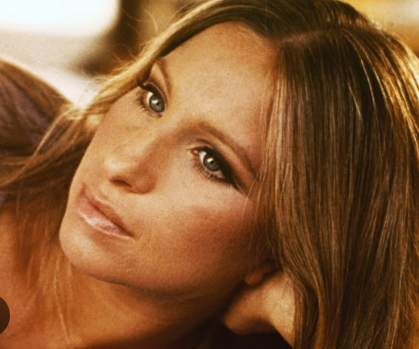
What 83 Looks Like When You Spent 60 Years Not Asking Permission
The list of honorary Palme d’Or recipients she joins: Clint Eastwood, Jane Fonda, Jodie Foster, Meryl Streep, Tom Cruise, Michael Douglas, Harrison Ford, Robert De Niro, Denzel Washington, George Lucas, Studio Ghibli. The most recent additions before her — De Niro and Washington, in 2025. Streisand is the first musician on that list for whom music, not film, is the primary legacy. Cannes is a film festival. Giving this honor to Barbra Streisand acknowledges that the distinctions the institution historically maintained — between film and music, between commercial and auteur, between the Croisette and Broadway — matter less than the work itself.
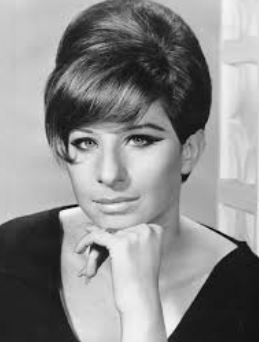
The Most Personal Statement From the Festival Director
Festival director Frémaux said: “Hearing her sing and seeing her perform are part of our best years.” That is a personal statement from a man who runs an institution that could have said those words forty years ago and chose not to. The honorary Palme d’Or doesn’t undo that timeline. It acknowledges it. The difference matters, because Streisand has never needed the validation. At 83, with two billion records sold and a career spanning from the Kennedy administration to today, she arrives at Cannes not as someone waiting to be seen but as someone seen by everyone — now formally recognized by an institution that took its time getting there.
On May 23, she walks onto the stage of the Palais des Festivals for the first time. Cameras find her. The audience rises. Hands place the palm in hers. She built everything she built without it. She will hold it anyway. Both of those things are true, and together they are the actual story — not the award, but the distance between what she built and when the room finally decided to stand up for it.
Related: Living Legends Net Worth 2025: The Fortunes Built Over Six Decades | The Convening Power Premium: Why the Host Controls the Room
Want your brand featured alongside stories like this? Contact Social Life Magazine about partnerships and editorial opportunities. Join us this summer at Polo Hamptons — where New York’s power players meet in person. Subscribe to the print edition or join our email list for Hamptons insider access delivered first. And if this story moved you, support independent luxury journalism for $5.
Author

Written by
Recent Posts
Inside the Art Collections Hidden Behind Hamptons Estate Gates

Next Holidays Makes Holiday Booking Faster, Easier, and More Convenient
The Fertility Pioneer: Inside Dr. David Smotrich’s Mission to Build Families
Beat the Summer Heat Safely: 5 Practical Styling Hacks for Boat Trips and Lake Days
First Date Outfit Ideas: Flattering and Budget-Friendly Dresses to Wear Tonight
Categories
- Art
- Articles
- Business of Luxury
- Celebrities
- Entertainment
- Events
- Faces of Summer 2026
- Fashion
- Fashion & Style
- Featured
- Finance
- Food, Spirits, Wine
- Hamptons
- Hamptons Celebrities
- Health
- Health & Beauty
- Lifestyle
- Luxury Lifestyle
- Press
- Profiles
- Real Estate
- Technology
- The Chronicles
- Travel
- Uncategorized
- Weddings