
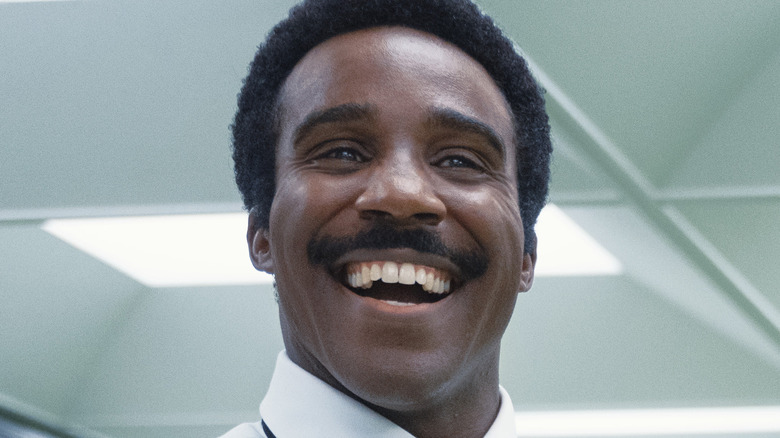
Tramell Tillman Net Worth Origins: Largo, Maryland and the Long Road Through Pre-Med
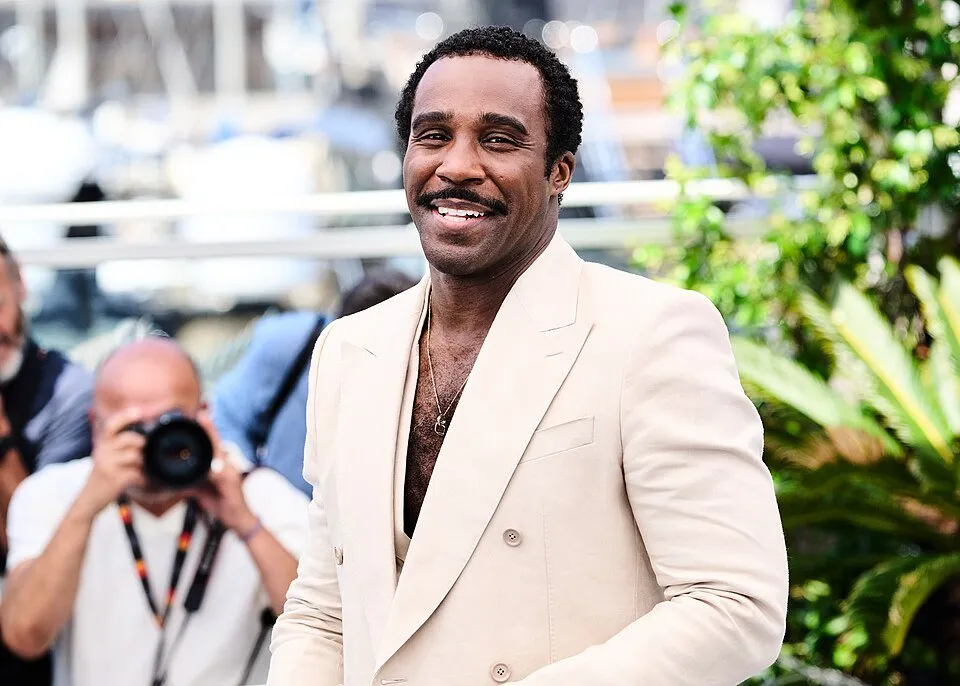
Washington D.C., the Youngest of Five, and the Church Christmas Play
Tramell Tillman was born on June 17, 1985, in Washington, D.C., and raised in Largo, Maryland, in Prince George’s County. Specifically, his mother worked for the federal government. His father worked for Amtrak. He grew up Baptist, the youngest of five siblings. In his community, success was measured through careers in medicine, law, or business. None of those categories left a vacancy for acting.
Notably, his first role arrived at age ten. His mother volunteered the family for a church Christmas play and needed someone to play her character’s son. Tillman has credited this moment — not as a revelation, but as the beginning of something slower than revelation. As a child, he was shy. The church stage offered a specific proposition: inhabit someone else’s experience, and the shyness relocates. Notably, acting makes this same proposition to everyone who finds shyness more manageable in character than in their own name.
Subsequently, he attended Eleanor Roosevelt High School in Greenbelt, Maryland, graduating in 2003. Furthermore, the school’s academic culture pointed him toward medicine. He enrolled at Xavier University as a pre-med student with a clear intention: orthopedic surgery.
Hurricane Katrina and the Pivot That Changed Everything
In August 2005, Hurricane Katrina struck New Orleans. Tillman’s parents convinced him to transfer for his safety. He moved to Jackson State University in Mississippi and switched his major to mass communications. Subsequently, he graduated summa cum laude in 2008 with a Bachelor of Science.
Notably, the pre-med path had not been a passion project. By his own account, he had not enjoyed it. Consequently, the transfer was less a disruption than a correction. It did the work Tillman hadn’t quite gathered the courage to do himself. From Jackson State, he emerged with honors and a different direction. A decade of professional reinvention followed before acting became more than aspiration.
Over ten years, he worked in the nonprofit sector and held corporate jobs. Throughout those years, he accumulated interior knowledge of institutional life. The performance of enthusiasm, the bureaucratic warmth, the smile that means something other than what it typically means — all of it would eventually distill into Seth Milchick. Specifically, he referred to Milchick as, specifically, “an amalgamation of colleagues, of former bosses, of caricatures of people” from those years. Indeed, the performance drew on a decade of paying attention in exactly the right rooms.
The First: MFA from Tennessee and the Decision to Train Properly
University of Tennessee, 2014
In 2014, Tillman earned an MFA in acting from the University of Tennessee — the first African-American man to graduate that program. The milestone was documented quietly — a footnote in what would become a much larger story about firsts. Nevertheless, it mattered in the way institutional barriers matter when someone walks through them — not just for the individual, but for everyone who follows.
He moved to New York City the same year, aged twenty-nine. Most actors who train at that level arrive in New York a decade earlier. Consequently, Tillman arrived carrying ten years of adult experience — nonprofit work, corporate culture, watching institutions manage people. His younger competitors simply did not have that yet. Furthermore, that experience turned out to be the central asset of his most important role.
The Climb: Theater, Television, and the Roles Before the Role
Off-Broadway, Oregon Shakespeare, Broadway
Tillman’s professional acting career began on stage. Off-Broadway, he appeared as Sergeant Brown in Carmen Jones in 2018. The Oregon Shakespeare Festival followed. He played Bob Moses in Robert Schenkkan’s Broadway play The Great Society in 2019 — a production about LBJ and the civil rights movement requiring multiple registers of American political history in a single evening. Additionally, he appeared in the 2022 Broadway production Good Night, Oscar.
Alongside the theater work, small television roles accumulated. Difficult People came in 2015. A guest role in Elementary as Detective Ocasio followed. Additionally, Dietland, Godfather of Harlem, and Hunters (2020) alongside Al Pacino rounded out the pre-Severance resume. None of these were the role. Each was the kind of work that builds the specific musculature a lead performance requires underneath it — camera trust, direction without losing internal life, full commitment in supporting positions.
The Nonprofit Years in the Performance
Specifically, what separates Tillman from most actors who play institutional authority is the decade he spent inside institutions before he played one on screen. The corporate job has a specific grammar — a set of behavioral codes that function as a dialect — and most performers approach it from the outside, as observers. Tillman approached Milchick from the inside. He understood what the smile costs. Management training applied faithfully long enough produces something specific in a person. He understood what. Furthermore, he understood the loneliness of being the person whose job makes everyone feel watched over rather than watched.
Consequently, Seth Milchick carries something no purely academic performance could have generated: the texture of lived institutional experience, recognizable to anyone who has ever worked in a large organization and understood that the warmest person in the room is sometimes the most dangerous.
Seth Milchick: Severance and the Performance That Made History
What Milchick Requires
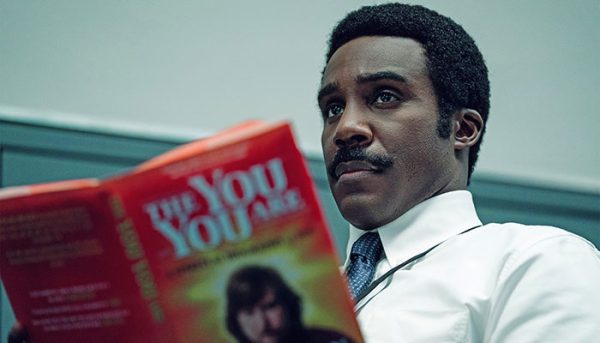
In Severance, Milchick manages the severed floor at Lumon Industries. Milchick is not severed himself. Consequently, he knows everything about the innies — their names, their preferences, their growing awareness — while they know essentially nothing about him. Specifically, he runs orientation, delivers rewards, and enforces consequences. The cheerfulness he brings to each task is one of the show’s primary instruments of dread.
The role requires Tillman to play someone who is simultaneously the most likable and the most threatening presence on the floor — a man whose enthusiasm is real, whose care is real, and whose absolute commitment to Lumon’s mission means that both the enthusiasm and the care are also instruments of control. Furthermore, Milchick’s double-bind — warm, kind, and also the person who administers the Break Room — requires an actor who makes the kindness feel genuine without letting the audience forget what it serves.
The Music Dance Experience
In Season 1, Milchick rewards the MDR team with a Music Dance Experience — a small celebration that the show frames with its characteristic tone of corporate ritual inflated to quasi-religious significance. Tillman dances. He dances with full commitment, with visible joy, with the specific quality of someone who is both performing institutional enthusiasm and genuinely feeling something that approximates delight. The scene is simultaneously funny, disturbing, and oddly moving. Indeed, critics cite it most often as the key to understanding Tillman’s performance. He is not playing a villain but a person who so thoroughly accepted the institutional framework that the question of villainy stopped arising for him.
Notably, that quality is also why the role required someone who had actually worked in institutional America for a decade. The dance is only possible because Tillman understood, from the inside, what it feels like to invest genuine feeling in a corporate ritual. He was not performing the distance from it. He was performing the absence of that distance.
Read more: Severance Season 1, Episode by Episode: The Most Honest Show About Work Ever Made
Emmy History and What It Means
The First Black Actor, The First Openly Gay Actor
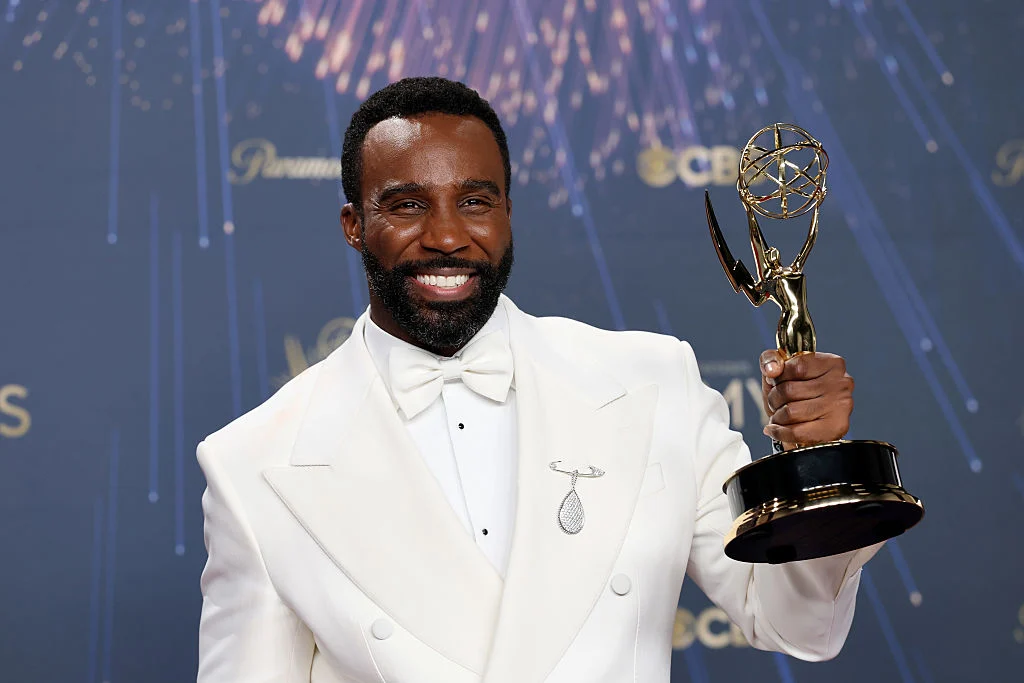
At the September 2025 Emmy Awards, Tramell Tillman won the Primetime Emmy for Outstanding Supporting Actor in a Drama Series. He beat a competitive field including nominees from The Last of Us, Andor, and The White Lotus. Furthermore, he became the first Black person and the first openly gay person to win that category in the award’s history.
Notably, the industry received this with the mixture of celebration and retrospective embarrassment that attends most firsts. There was genuine enthusiasm for the individual. There was also quiet awareness that the category’s long absence of Black winners and openly gay winners says something the celebration cannot quite resolve. Ultimately, he received it with characteristic precision — warmly, gratefully, without editorializing, in exactly the register Milchick would have used if Milchick were telling the truth.
Mission Impossible and Spider-Man
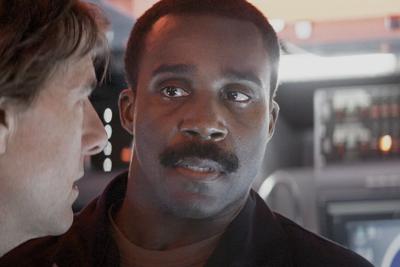
In 2025, Tillman joined the cast of Mission: Impossible — The Final Reckoning as Commander Bledsoe, appearing alongside Tom Cruise in the franchise’s final installment. Additionally, Marvel Studios announced him as part of the cast of Spider-Man: Brand New Day. Both bookings represent the transition an Emmy win produces for a character actor with institutional range. He moved from the room where people notice the work to the room where the franchise decides you’re worth the investment.
He is, at forty years old, exactly where the career was always pointing. The decade in nonprofits, the MFA at thirty-three, the Broadway work, the small television roles — these were not detours. The Seth Milchick performance drew on all of them simultaneously. Together, they were the architecture.
Tramell Tillman Net Worth: The Full Accounting
Where the $3 Million Comes From
Tramell Tillman net worth of $3 million reflects the economics of a career that spent its first decade entirely in theater and nonprofit work before generating any significant screen income. Broadway runs, Off-Broadway productions, Oregon Shakespeare Festival appearances — these built the performer while paying comparatively little. Television work that followed built the resume while adding meaningful but not transformative fees.
Indeed, the Severance era changes the math substantially. Supporting actor billing on Apple TV+’s most-watched series, across two completed seasons and a third in production, represents a compounding income stream. Additionally, the Emmy win restructures his market value for the franchise era: Mission: Impossible and Spider-Man carry compensation structures that operate on a different scale entirely from prestige cable.
He is openly gay and advocates for organizations including the American Foundation for Suicide Prevention and New Alternatives — a supportive space for LGBTQ+ homeless youth in New York. He also works with Behind the Book, which promotes reading and critical thinking for students. Furthermore, these commitments reflect what sent him into nonprofit work before acting — the conviction that what you do with your platform matters as much as the platform itself.
The Hamptons Chapter: What This Arc Means Here
The Tillman Model and the East End
The people who built real things in the Hamptons market — the ones who arrived through work rather than positioning — tend to recognize something specific in Tillman’s arc. Notably, Notably, Tillman did not take the direct route. Ten years in institutional America preceded the MFA. Another decade in theater and small roles preceded the breakthrough. He was thirty-seven when Severance premiered. At thirty-nine, he won the Emmy.

Furthermore, the decade in nonprofits was not a detour from the career. It was research so thorough that it became the career. The specific quality of attention that Milchick carries — the institutional fluency, the warmth deployed as policy, the smile that means everything and nothing simultaneously — could not have been constructed from the outside. It required someone who had lived it long enough to understand it from the inside and then had the training to translate that understanding into performance.
Tramell Tillman net worth of $3 million is the number at the beginning of the franchise era, after the Emmy and before the Marvel film. The architecture was built across twenty years of work that the culture largely did not watch. The structure it produced is what the culture is just beginning to notice.
Where Tramell Tillman Is Now
Season 3, Marvel, and the Work That Continues
As of 2026, Tillman remains a principal cast member on Severance Season 3, entering production in mid-2026. He appeared in Mission: Impossible — The Final Reckoning, released in 2025. His casting in Spider-Man: Brand New Day positions him inside one of the most commercially significant film franchises currently operating.
The Milchick arc, meanwhile, has unresolved depth. Specifically, Season 2 expanded his role substantially, making explicit what Season 1 implied. Milchick’s institutional loyalty is neither simple nor uncomplicated. He is not merely a villain’s instrument. Rather, he is a human being navigating a system that rewards the qualities he developed at the cost of the qualities that might have led him somewhere else. Specifically, that is also a description of what a decade in nonprofits does to someone who entered with genuine intentions. They leave with a more complicated understanding of what institutions do to the people who serve them.
Ultimately, Seth Milchick was not a character Tillman invented. It was a character he remembered.
The people who built something real on the long route — who spent a decade in the rooms that didn’t count before discovering that those rooms were the whole education — tend to find their way to the Hamptons eventually. Social Life Magazine is where those stories get told. Our writers, strategists, and luxury-market analysts place your brand, your story, or your business inside the cultural conversation at the exact moment it matters. Start the conversation here.
82,000 readers receive our exclusive email briefings on the Hamptons market, luxury culture, and the people who move between both. Join the list here.
Polo Hamptons 2026 is where the conversations from the magazine become the relationships that close deals. Two events. One summer. The exact demographic your brand needs in a tent with your logo on it. Sponsorship details here.
The print edition of Social Life Magazine reaches 25,000 households in the Hamptons corridor and 15,000 doorman buildings on the Upper East Side. It sits on the coffee table when the right person picks it up. Subscribe or advertise here.
If this piece was worth your time, the most direct way to keep independent luxury media that takes the culture seriously alive is a contribution here — any amount, no obligation.
Author

Written by
Recent Posts

hiTechMODA Season 16
How to Keep Your Personal Number Private When Booking Events, Rentals and Services
Understanding Compensatory Damages in a Personal Injury Case

When Online Family Therapy Makes Sense for Modern Families

Carrier Oils, Essential Oils, and Oil Blends: What Beauty Brands Need to Know
Categories
- Art
- Articles
- Business of Luxury
- Celebrities
- Culture
- Entertainment
- Events
- Faces of Summer 2026
- Fashion
- Fashion & Style
- Featured
- Finance
- Food, Spirits, Wine
- Hamptons
- Hamptons Celebrities
- Health
- Health & Beauty
- Lifestyle
- Luxury Lifestyle
- Press
- Profiles
- Real Estate
- Technology
- The Chronicles
- Travel
- Uncategorized
- Weddings