
Families expect the arrival of a new baby to be a joyful time. Most pregnancies proceed without major issues. Some cases involve hidden risks that parents do not expect.
Understanding why these injuries happen helps parents stay informed. Medical technology has advanced. Yet, the frequency of these events remains higher than many people assume.
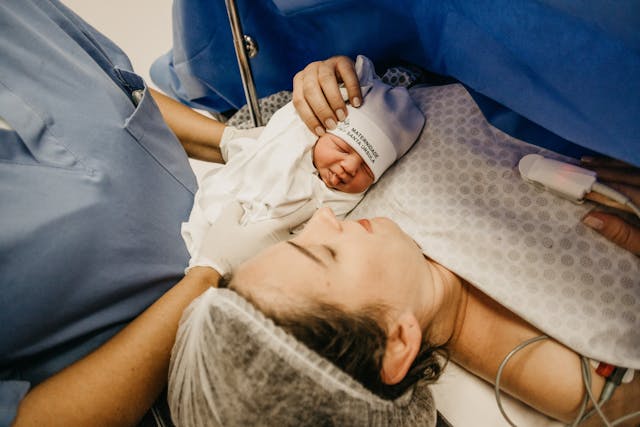
Understanding The Frequency Of Birth Trauma
Many people believe birth injuries are rare events. Statistics suggest these issues occur more frequently than the public realizes. Modern medicine reduces risks. Still, physical trauma can happen during a difficult delivery.
Doctors often use tools like forceps or vacuums to assist with labor. These instruments can cause bruising or nerve damage if not used correctly. Such injuries might not appear immediately after the baby is born.
Expectant parents often focus on the excitement of the baby’s arrival. They might not think about the potential for medical complications. Being prepared for different scenarios helps families navigate the hospital experience.
Surgical Interventions And Potential Risks
C-sections are common procedures today. Families might find getting legal help for C-section delivery errors helpful when medical mistakes lead to lasting harm. These situations require careful attention from legal professionals.
Like any surgery, C-sections carry risks such as infection, bleeding, or complications from anesthesia. In some cases, delayed decisions or errors during the procedure can lead to serious outcomes for both mother and child.
Understanding these risks helps families make informed decisions and ask the right questions beforehand.
Surgical births carry specific risks for both mother and child. A doctor must act quickly when a baby shows signs of distress. Delays in performing these surgeries can lead to oxygen deprivation.
Oxygen loss is a major cause of long-term disability. Brain damage can occur in just a few minutes without proper blood flow. Medical staff must monitor heart rates constantly during the entire process.
Common Complications During Labor And Delivery
- Shoulder dystocia, where the baby gets stuck.
- Umbilical cord prolapse, cutting off air.
- Fetal distress signals are being ignored.
- Preeclampsia causes sudden blood pressure spikes.
Shoulder dystocia is a frequent cause of nerve injuries. Doctors must use specific movements to free the infant safely.
Failure to follow these protocols can lead to Erb’s palsy. Recovery might take months of physical therapy for the child.
Global Trends In Neonatal Outcomes
Health outcomes for newborns vary significantly across the globe. A global health organization reported that approximately 2.3 million children passed away within their first month of life in 2024.
Poor infrastructure often contributes to these high numbers in developing areas. Access to clean water and sterile equipment is not always available. Many deaths could be prevented with better basic care.
Training for birth attendants makes a huge difference in survival rates. Simple interventions can save lives during the first few minutes after birth. Global efforts continue to focus on reducing these preventable tragedies.
Domestic Statistics On Infant Health
The United States faces its own challenges regarding infant health. Data from a national health agency shows the provisional infant mortality rate in the United States sat at 5.52 deaths per 1,000 births during 2024.
Infant mortality rates serve as a key indicator of public health. Factors like age and weight of the mother play a role in these outcomes. Proper prenatal care is a major factor in reducing these risks.
Many families do not receive the care they need early in pregnancy. Lack of insurance or transportation can create barriers to seeing a doctor. Addressing these gaps is a priority for many health advocates.
Addressing Healthcare Disparities In Maternity Care
Demographic factors often influence the quality of care a person receives. Research from a healthcare foundation highlights that mortality related to pregnancy was nearly 3 times higher for Black individuals compared to white individuals in recent years.
Implicit bias can affect how doctors listen to patients. Some women report that their pain or concerns are dismissed during labor. These interactions can lead to dangerous delays in treatment.
Improving equity in healthcare requires a broad approach. Hospitals are beginning to implement new training programs for their staff. Everyone deserves the same level of safety and attention during childbirth.

The Role Of Medical Negligence And Monitoring
Not every birth injury is the result of a mistake. Some complications occur when the medical team does its best. Other cases involve clear errors in judgment or technique.
Failure to order a timely C-section is a common error. Doctors might wait too long to see if a natural birth will progress.
Misusing delivery tools is another area where negligence happens. Excessive force can fracture a baby’s skull or collarbone. Proper training and experience are required to use these tools safely.
Proper monitoring is required throughout the entire delivery process. Nurses must check the baby’s heart rate for any signs of trouble. Staff should be prepared to intervene at the first sign of a problem.
Staying informed about birth risks is a powerful tool for parents. Asking questions during prenatal visits can help clarify the plan for delivery.
Every family hopes for a healthy start for their new baby. Understanding these statistics provides a clearer picture of the current state of maternity care.
Author

Written by
Recent Posts
Effortless Pickup & Delivery Dry Cleaning in the Hamptons
What Buyers Notice First When Touring a Home
What Goes into Making a Home Feel Well-Cared-For from the Outside
7 Smart Ways To Maintain An RV During Extended Storage Periods
Reasons Why Birth Injuries are More Common than You Think
Categories
- Art
- Articles
- Beauty & Skincare
- Celebrities
- Celebrities|Entertainment
- Celebrities|Television
- Celebrities|The Chronicles
- celebrities|the-archive
- Chronicles
- Entertainment|Culture
- Event Photos
- Events
- Fashion
- Fashion & Style
- Featured
- Food & Beverage
- Food, Spirits, Wine
- Hamptons
- Hamptons Celebrities
- Hamptons Celebrities|Celebrities|The Chronicles
- Health
- Health & Beauty
- Lifestyle
- Luxury Lifestyle
- Press
- Profiles
- Real Estate
- Technology
- The Chronicles
- Travel
- Uncategorized
- Weddings