
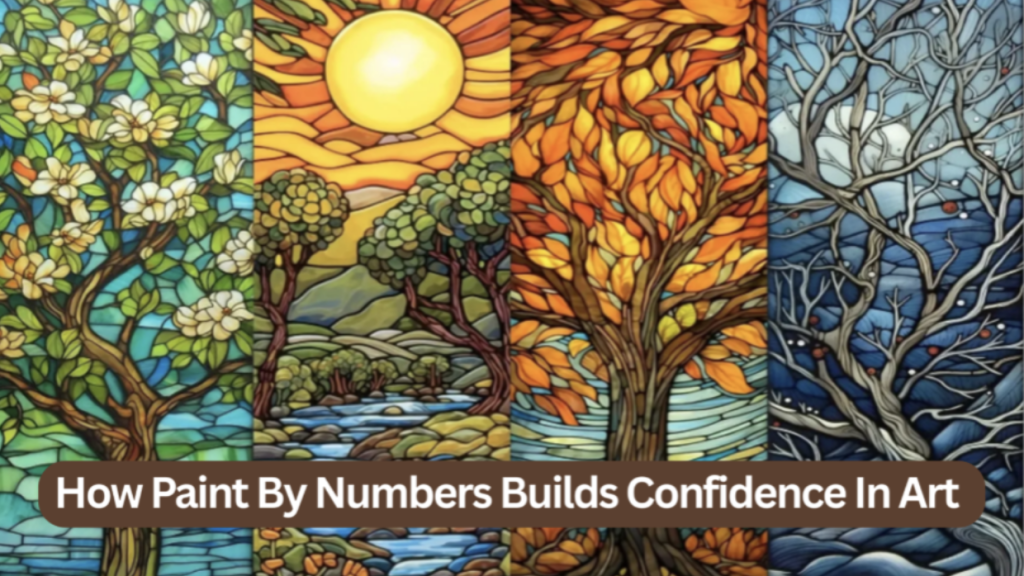
Most individuals are attracted to art, but hold up even before they can start. The fear of error, the absence of training, and the need to be good usually form a mental block.
As a result, the empty canvas may seem daunting and can lead to reluctance, anxiety, and the assumption that they lack the artistic confidence everyone else possesses. Over time, this skepticism may deter creativity in any form.
Fortunately, as a solution, paint by numbers offers a creative process to eliminate this uncertainty. When this happens, confidence has space to flourish, especially when art is made systematic and friendly.
Guided approaches ease the tensions by providing clarity in the place of the fear, allowing the procedure to eliminate and proceed with steps that are simple and manageable. Rather than paying attention to talent only, the focus moves to action, consistency, and visible outcomes.
This article discusses how paint by numbers builds artistic confidence by reducing fear, reinforcing belief through visible progress, and helping individuals reconnect with creativity in a practical, supportive way.
1. Clear Structure Reduce Fear
Uncertainty can be the source of fear. An empty canvas demands too many decisions at once, which can overwhelm beginners and trigger self-doubt.
Paint by numbers eliminates such uncertainties as it has a definite pattern. Since every numbered section has already given you instructions, you do not need to think through much, but practice.
In the initial stages, using paint by numbers feels more like following a calm set of instructions than attempting to “create art.” This structure reduces cognitive load and lowers stress.
Moreover, guided activities reduce anxiety and improve task confidence by limiting ambiguity and mental overload. With fear reduced, confidence has space to develop naturally.
2. Small Wins Reinforce Belief
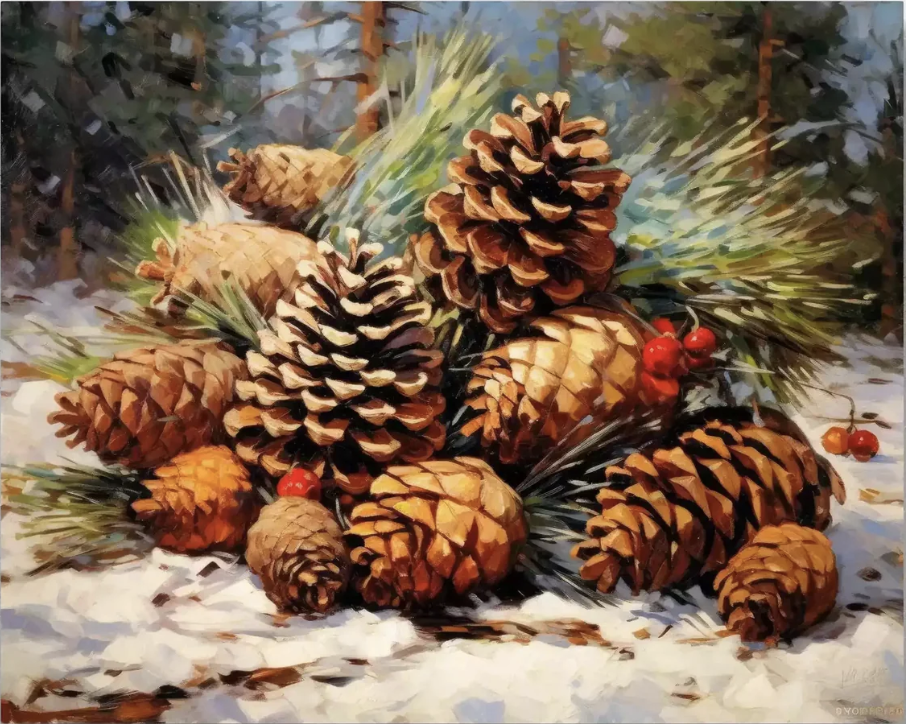
Confidence grows through repetition, not sudden breakthroughs. Each completed section of a painting offers a small, visible success. These minor victories continue to add up, quietly reshaping your belief in your own ability. Rather than wondering about the progress happening, you can clearly see it.
Psychologists term this as mastery reinforcement. A study also indicates that frequent low-risk successes significantly improve self-efficacy and motivation. Paint by numbers delivers these moments consistently. All completed color blocks reassure that hard work is rewarded, thus reinforcing the belief that you are capable of completing an artwork.
3. Skill Growth Without Pressure
The conventional process of art education is usually pressure-induced. Beginner artists are concerned with proportions, shading, and originality prior to ensuring they have mastered the fundamentals.
Thus, paint by numbers eliminates this pressure by distinguishing between creativity and crafts. You are free to focus on brush control, color placement, and patience without evaluating artistic quality.
This pressure-free repetition builds technical confidence over time. According to a published study on guided learning and skill acquisition, learners develop competence faster when evaluation anxiety is reduced.
As your hand steadies and color familiarity increases, confidence emerges quietly. Instead of actively striving to improve, you begin to notice your skill growth through smoother brushwork and more controlled results.
4. Focus Strengthen Creative Trust
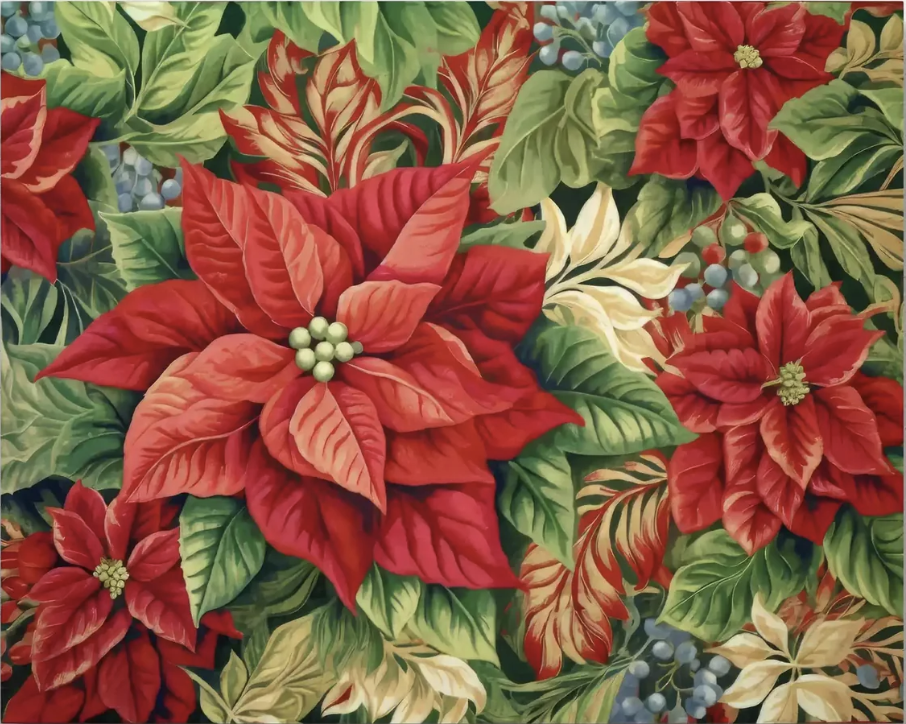
Focus is a major factor in confidence. Creative trust is destroyed when the mind is diverted to a state of self-judgment. In such cases, paint by number offers a technique that promotes prolonged focus. This includes a process of decomposing the task into small, manageable segments where each section invites full attention, helping you stay present in the process.
Focused creative tasks have measurable psychological benefits. Moreover, attention-driven activities improve emotional regulation and self-trust. When your attention stays anchored to one simple task, internal criticism softens. Over time, this focused engagement builds trust in your ability to stay with a creative challenge until completion.
5. Progress Visibility Validate Effort
The invisibility of effort results in an enormous number of people giving up on creative hobbies. When no visible signs of improvement are present, the motivation is lost. Paint by numbers helps to fix this problem, making development visible. The change that occurs by the end of every session is rewarding and justified by the time and effort invested.
Clearly perceived progress is even more important than motivation. Hence, watching a structured image gradually come together reassures you that your effort is worthwhile. That reassurance strengthens commitment and encourages continued creative practice.
6. Finished Artwork Encourage Identity Shift
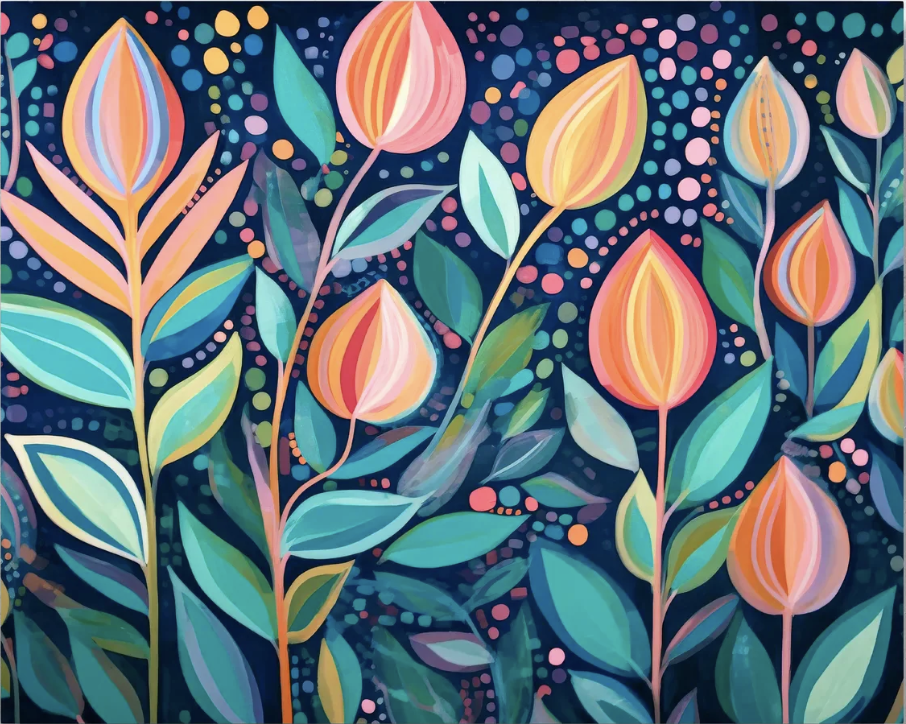
The composition of a painting brings a great psychological change. Possession of a complete work of art is an indication that you can start and complete a creative work. Such experience defies your previously held beliefs about your own capabilities and substitutes them with evidence-based confidence.
In addition, self-perception and identity change demonstrate that tasks that are achieved affect the definition of a person. The act of displaying or sharing a completed paint by numbers object supports a newly defined self through being an art creator. As soon as that identity is formed, the confidence gets more fixed and can be transferred to other creative or personal problems.
Conclusion
Talent in itself is not enough to make people feel confident in art. Instead, it operates on order, repetition, and observable success. In this context, paint by numbers is the one that provides all three because you can go through every detail and get rid of fear and doubts.
Moreover, any small success is a testament of faith, any specific practicing time gives power to faith, and any painted picture changes your understanding of yourself. Over time, such experiences sustain and develop into real creative confidence.
Ultimately, the most important thing to be considered is, therefore, to start with a structure that supports you. As a result, confidence will come quite naturally following the process of number by number with paint by numbers.
Author

Written by
Recent Posts
What Goes Into Planning a Professional Furnace Installation?
Why Sports Card Collecting Is More Than Just a Hobby
From Signature Scents to Scent Wardrobes: The Evolution of Personal Fragrance

Beyond the Booth: How Exhibition Design Is Creating New Brand Experiences

Trading the Hamptons for Hvar: A Summer on Croatia’s Most Glamorous Island
Categories
- Art
- Articles
- Business of Luxury
- Celebrities
- Culture
- Entertainment
- Events
- Faces of Summer 2026
- Fashion
- Fashion & Style
- Featured
- Finance
- Food, Spirits, Wine
- Hamptons
- Hamptons Celebrities
- Health
- Health & Beauty
- Lifestyle
- Luxury Lifestyle
- Press
- Profiles
- Real Estate
- Technology
- The Chronicles
- Travel
- Uncategorized
- Weddings