
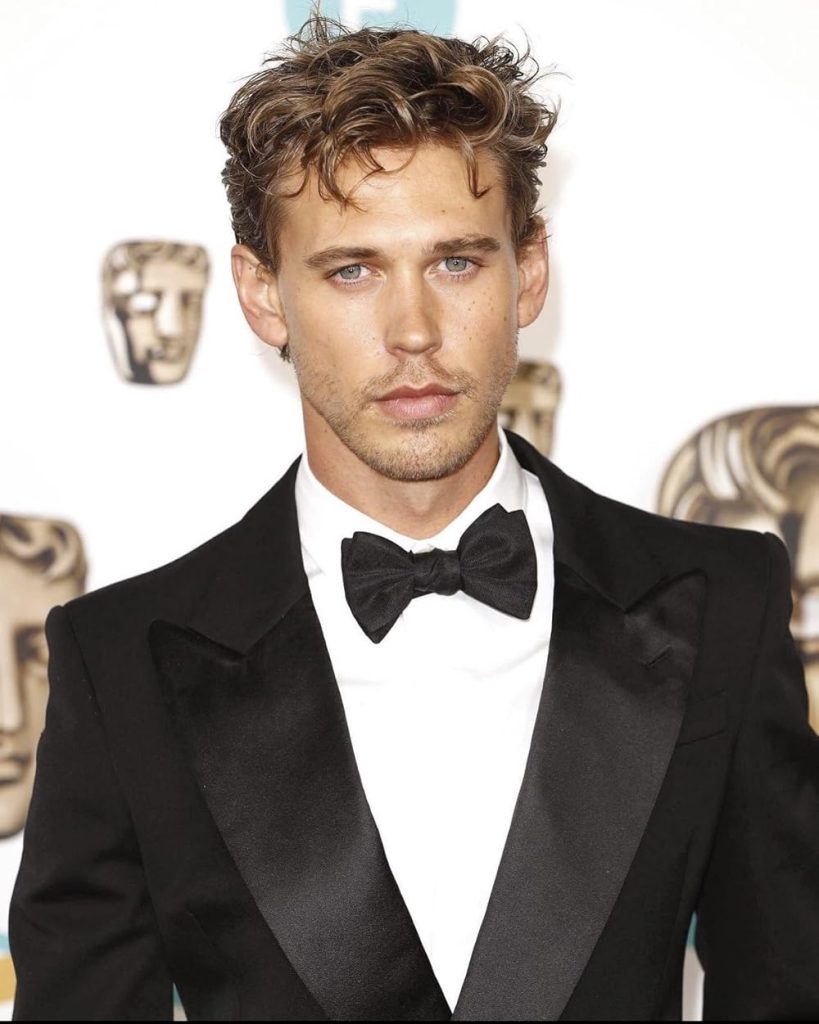
The Austin Butler Net Worth Paradox
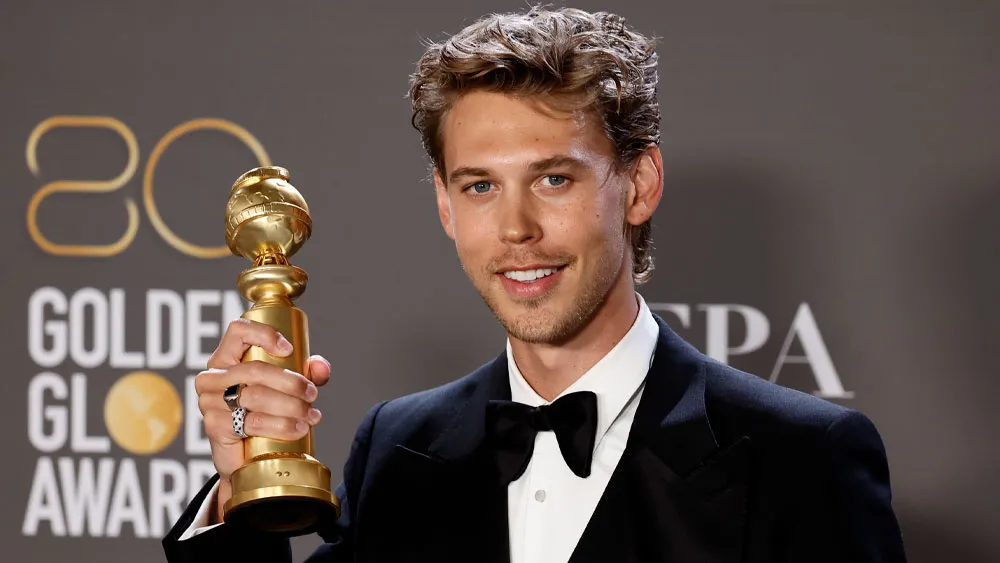
Austin Butler net worth sits at an estimated $12 to $14 million in 2026. The figure is puzzling if you look at his résumé. Golden Globe winner. Oscar nominee. Scene-stealer in a $715 million Dune franchise. The man who became Elvis Presley so completely that he temporarily lost his own speaking voice. Furthermore, he recently bought Brad Pitt’s former Los Angeles home for $5.2 million and holds ambassador deals with YSL Beauty and Breitling. By every visible metric, he is an A-list movie star. His bank account has not fully caught up with his career.
However, the Austin Butler net worth story is really a story about timing. He did everything right for a decade and nothing happened. Then Elvis happened, and Dune happened, and suddenly he was “the next big thing” at an age when previous generations of leading men were already established. The delay is the story. It suggests that the star-making machinery itself broke somewhere in the 2010s, and what replaced it is a combination of algorithmic luck and audience exhaustion with existing options. Butler did not break through. The wall just eventually developed a crack.
Anaheim, a County Fair, and the Accidental Career
The origin is almost too cinematic to be true. Born August 17, 1991, in Anaheim, California — the kind of Orange County suburb that produces surfers, not movie stars. His parents divorced when he was seven. His mother, Lori Anne, raised him and his older sister Ashley. Then, at thirteen, a representative from an acting management company approached him at the Orange County Fair. That is not a metaphor. A talent scout spotted him between cotton candy stands and Ferris wheels.
He was homeschooled from seventh grade forward, which freed up the schedule for what came next — a grinding apprenticeship through the lowest rungs of the Hollywood machine. Guest spots on Ned’s Declassified School Survival Guide. Two episodes of Hannah Montana. An episode of iCarly. A recurring role on Zoey 101 opposite Jamie Lynn Spears. These were not career-building roles. They were survival gigs, the kind of work that keeps a teenage actor’s SAG card active while the industry decides whether it has any use for him.
Notably, the résumé through age twenty-five reads like a catalog of near-misses. Ruby & the Rockits on ABC Family — cancelled after one season. Life Unexpected on The CW — cancelled after two. The Carrie Diaries, where he played Sebastian Kydd, the proto-Big for a young Carrie Bradshaw — cancelled after two seasons. The Shannara Chronicles on MTV — cancelled after two. Four shows. Four cancellations. The pattern suggested a career ceiling that only a miracle could break.
Tarantino, Luhrmann, and the $700,000 That Changed Everything
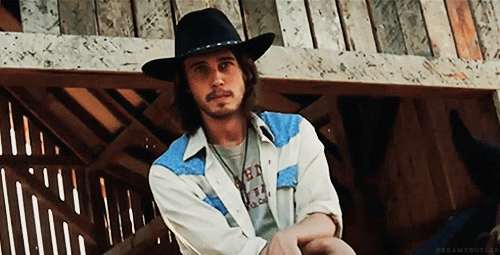
The miracle arrived in stages. Quentin Tarantino cast Butler as Tex Watson — a real-life Manson Family member — in Once Upon a Time in Hollywood in 2019. He had a few minutes of screen time. He made every second count. The performance caught the attention of Baz Luhrmann, who was searching for an unknown to play Elvis Presley. The audition process lasted months. Butler won the role.
The reported salary: $700,000. For context, that is less than what Florence Pugh reportedly earned for Don’t Worry Darling. It is roughly what a mid-level associate at a good Manhattan law firm makes in a year. The return on that investment, however, was incalculable. A Golden Globe. A BAFTA. An Academy Award nomination for Best Actor, which he lost to Brendan Fraser for The Whale — a loss that, in retrospect, may have been the best thing that happened to his career, since it left the “Butler’s Oscar” narrative unresolved and therefore still commercially potent.
The Elvis transformation was so thorough that it became its own controversy. Butler could not shed Presley’s deep Southern accent during the press tour. Interviewers noticed. Social media noticed. The voice situation became a running joke, then a fascination, then — somehow — evidence of commitment so extreme it circled back to admiration. He had disappeared so completely into another person that his own identity needed weeks to reassemble itself. In the 2020s attention economy, where every celebrity is “themselves” across every platform, losing yourself is the most counterintuitive brand strategy imaginable.
Feyd-Rautha and the Villain Who Stole a $715 Million Movie

Denis Villeneuve cast Butler as Feyd-Rautha Harkonnen in Dune: Part Two, and the performance accomplished something unusual for a franchise villain. It became the scene people talked about walking out of the theater. The Nordic accent, the reptilian physicality, the gladiatorial combat sequence where he kills three opponents before the arena stops cheering — Butler played psychopathy as a form of elegance, which made it considerably more unsettling than if he had played it as madness.
The reported salary was modest — $250,000 to $500,000 range — reflecting a supporting role in a film where Chalamet commanded the lead paycheck. However, the exposure was worth multiples of the check. The Dune role, combined with the Spielberg-produced Masters of the Air miniseries on Apple TV+ and Jeff Nichols’ The Bikeriders, established Butler as something rare in modern Hollywood — an actor who collects prestige directors the way other people collect watches. Tarantino, Luhrmann, Villeneuve, Spielberg, Nichols. Five auteurs in five years. That director collection is, by itself, a kind of wealth.
Caught Stealing and the Discovery of Austin Butler
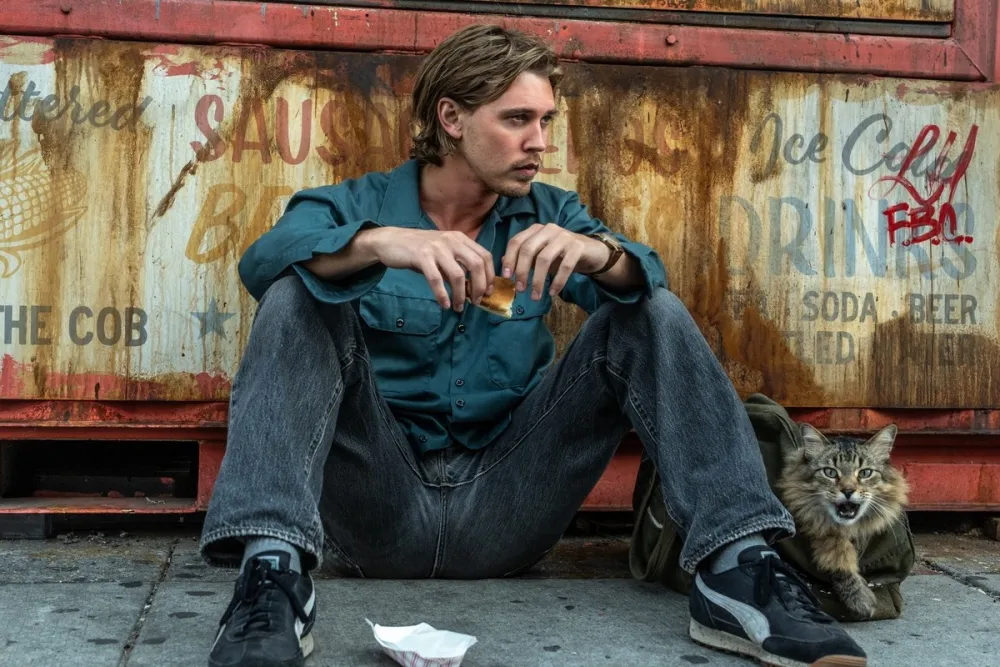
The most revealing data point in Butler’s career arrived in August 2025 with Caught Stealing, Darren Aronofsky’s crime thriller set in 1990s New York. For the first time in his adult career, Butler played an essentially normal person. No accent transformation. No historical figure to disappear into. Just Hank Thompson — a bartender, a former baseball player, a guy watching his neighbor’s cat who accidentally stumbles into a criminal underworld.
The film grossed only $32 million against a $40 million budget. By traditional metrics, it underperformed. Subsequently, it found a second life on HBO Max, cracking the Top 10 in multiple countries and proving that Butler’s audience is willing to follow him to streaming. However, the real revelation was not the box office. It was the performance itself. TIME called it the greatest proof of his movie stardom yet. Critics recognized that Butler had finally figured out how to weaponize his natural charisma instead of hiding behind transformations.
This is the paradox at the center of method acting in the 2020s. The market rewards actors who are “themselves” across every platform — who blur the line between character and personality until the audience cannot tell where one ends and the other begins. Butler spent his early career doing the opposite, vanishing so deeply into roles that nobody remembered who Austin Butler actually was. Caught Stealing introduced them. The sweetness. The innate likability. The face that is far too handsome to be trustworthy and yet somehow makes you trust it anyway.
The Director Collection and the Quiet Empire

The upcoming slate confirms that Butler has entered the most confident phase of his career. Enemies, opposite Jeremy Allen White, is a crime film about a detective in a battle of wits with a fugitive contract killer. The Lance Armstrong biopic, directed by Edward Berger — who made All Quiet on the Western Front — represents another total physical transformation, this time into the most notorious cyclist in history. Both projects signal an actor who has stopped asking for permission and started selecting material the way a gallery owner selects exhibitions.
Meanwhile, the financial infrastructure grows quieter and smarter. The YSL Beauty ambassador deal — specifically the MYSLF fragrance campaign — represents the luxury endorsement tier that only opens after an Oscar nomination. Breitling’s “Cinema Squad” adds Swiss watchmaking credibility. The $5.2 million purchase of Brad Pitt’s former home in Los Feliz is the kind of real estate move that signals permanent arrival — especially when the previous owner is the man your generation of leading men is trying to replace.
Notably, Butler also carries producer credits on upcoming projects, including Sony’s City on Fire. This is the Tom Cruise model of wealth building — acting salary plus producer fee plus backend points on box office performance. The transition from “person who shows up and acts” to “person who builds the projects they act in” is where modest Hollywood fortunes become substantial ones. Butler is making that transition at thirty-four, which is exactly the right age to start compounding.
The Austin Butler Net Worth Verdict
The honest accounting of Austin Butler net worth requires separating the number from the trajectory. The $12 to $14 million figure is accurate today and will look outdated within eighteen months. The Armstrong biopic alone, backed by a director who just won seven BAFTAs, should command a lead salary in the multi-million range. Backend participation from Caught Stealing‘s streaming afterlife adds passive income. The YSL and Breitling deals generate seven figures annually without requiring him to be on set.
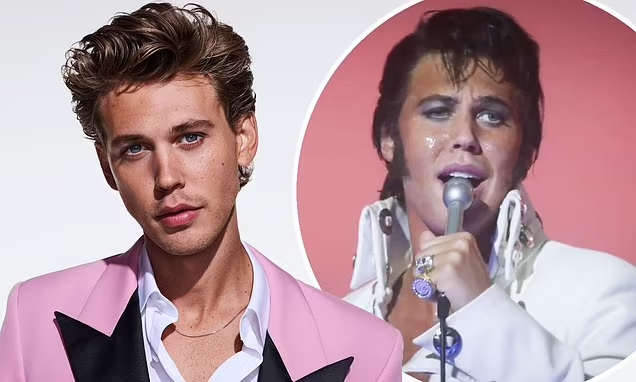
Furthermore, the career architecture tells a story that the net worth alone cannot. In just five years, Butler has worked with Tarantino, Luhrmann, Villeneuve, Spielberg, Nichols, Aronofsky, Ari Aster, and now Edward Berger. He has played Elvis Presley, a Harkonnen psychopath, a 1960s biker, a WWII bombardier, and a Lower East Side bartender. The range is not the flex. The range is the strategy — making yourself impossible to typecast, which makes you impossible to replace, which makes your asking price a conversation nobody wants to lose.
What makes the Austin Butler net worth story genuinely interesting is that it represents the last viable path to old-school movie stardom. He did not get discovered on TikTok. No superhero franchise served as a launchpad. Instead, a county fair scouting led to a decade in cancellation purgatory — followed by a commitment to a role so complete that he forgot how to talk like himself. The machinery that used to produce his species — the patient, director-collecting, transformation-dependent leading man — no longer exists. Butler is either the last of his kind, or the proof that the kind was never really gone. Either way, the Austin Butler net worth figure is a down payment on the answer.
Related Reading
- Dune, Timothée Chalamet, and the New Prestige Blockbuster
- Timothée Chalamet Net Worth: The Fashion-Logic Movie Star
- Florence Pugh Net Worth: Building a Career on Refusal
- Rebecca Ferguson Net Worth: The Anti-Brand Strategy
- Barbenheimer and the Weekend America Pretended Movies Still Work Like That
There is a particular kind of person who reads an article like this and does not just absorb the information — they see the angles. The positioning. The gap between what the industry says it values and what it actually rewards. If you are that person, you are already operating in the same water we swim in at Social Life Magazine. You just might not have realized we were in the same pool.
If your brand, your business, or your personal story belongs in front of the audience that summers between Westhampton and Montauk — and winters on the Upper East Side — an editorial feature in Social Life is not advertising. It is a strategic placement. Reach out to our editorial team here and let us build something worth reading.
For brands and entrepreneurs seeking elevated visibility with guaranteed placement, our Paid Feature program offers a direct path into the hands of our readership — 25,000 copies per summer issue, distributed to the boutiques, estates, and private clubs where decisions get made. Submit a Paid Feature here.
Our Email List Reaches 82,000 Readers
They do not need to Google what a family office is. If you want your name, your brand, or your event in front of that audience, join the list.
Every summer, Polo Hamptons brings together the kind of crowd that turns a weekend afternoon into a three-year business relationship. If you have not been, you are missing the field where the real networking happens — with a polo match as the backdrop.
A print subscription to Social Life Magazine means the issue arrives before the conversation starts. Five summer issues. Two off-season editions. The paper stock alone tells you this is not a newsletter. Subscribe here.
If this article gave you something — a new angle, a sharper read on the culture, a line you will use at dinner — consider a $5 contribution to keep independent luxury journalism alive. Not because we need it. Because you value what we do. Donate here.
Author

Written by
Recent Posts

Next Holidays Makes Holiday Booking Faster, Easier, and More Convenient
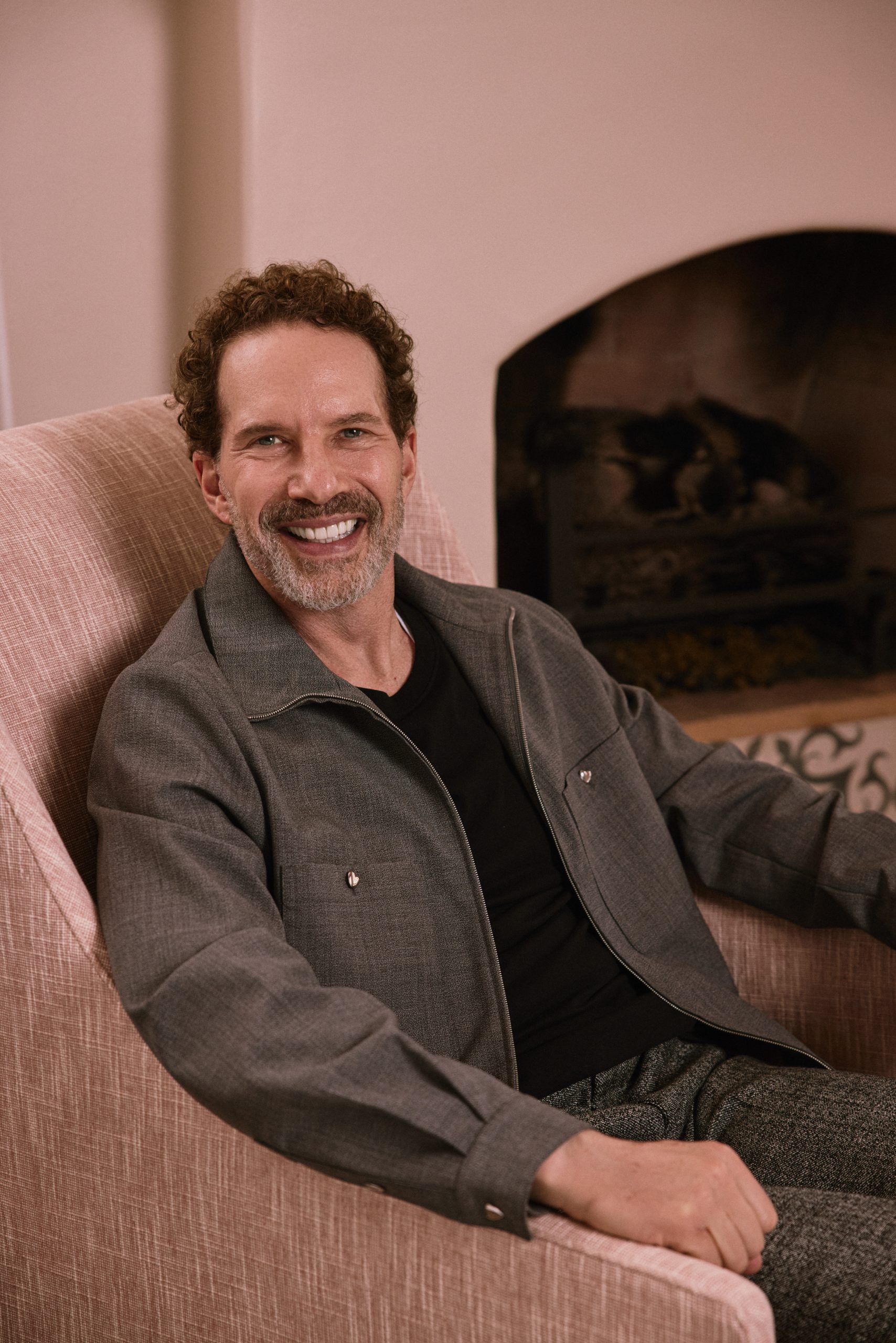
The Fertility Pioneer: Inside Dr. David Smotrich’s Mission to Build Families
Beat the Summer Heat Safely: 5 Practical Styling Hacks for Boat Trips and Lake Days
First Date Outfit Ideas: Flattering and Budget-Friendly Dresses to Wear Tonight
Biomechanical Tattoo in LA: When Futuristic Body Art Becomes Personal Style
Categories
- Art
- Articles
- Business of Luxury
- Celebrities
- Entertainment
- Events
- Faces of Summer 2026
- Fashion
- Fashion & Style
- Featured
- Finance
- Food, Spirits, Wine
- Hamptons
- Hamptons Celebrities
- Health
- Health & Beauty
- Lifestyle
- Luxury Lifestyle
- Press
- Profiles
- Real Estate
- Technology
- The Chronicles
- Travel
- Uncategorized
- Weddings