
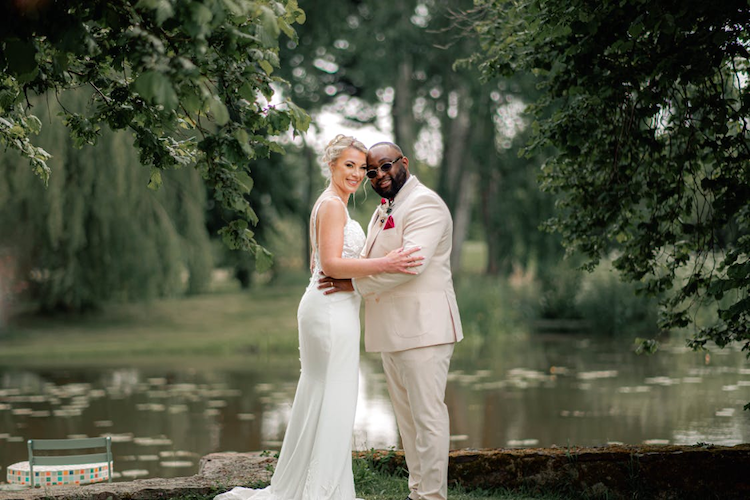
Planning a wedding while being in a long-distance relationship feels like building something meaningful without always being in the same room to see it come together. There’s excitement, of course, but also this constant balancing act between time zones, schedules, and the reality that you can’t just drive over to check out a venue together. A lot of the planning happens in fragments—a call before work, a late-night message, a shared note that slowly fills up with ideas. Every decision gets talked through, sometimes more than once, and that back-and-forth ends up shaping the day more profoundly.
There’s also a different kind of emotional aspect to it. You’re not just planning a wedding, you’re closing the distance that’s been part of your relationship for so long. That makes everything feel bigger. The dress, the guest list, the location, all of it ties into this moment where two separate lives finally come together in one place.
Coordinating Legal Timelines and Documentation
One thing that quickly becomes clear in long-distance wedding planning is that love alone doesn’t set the timeline; paperwork does. There are forms, approvals, deadlines, and waiting periods that don’t always line up with your ideal wedding date. It can feel frustrating at first because it adds complexity that most couples don’t have to think about so early. You’re trying to pick venues and colours, but at the same time, you’re also checking documents, timelines, and requirements that determine when everything can actually happen.
All of this explains why working with a fiance visa lawyer matters so much in this situation. It’s not just about filling out forms, but knowing what needs to happen and when, so nothing throws off the bigger plan. A delay in paperwork can ripple into everything else, from travel plans to the wedding date itself. Having someone who understands the process means fewer surprises and less guesswork.
Balancing Travel Schedules
When you’re planning from different places, visits stop being casual and start feeling like mini missions. You land, and suddenly there’s a list. Venues to see, vendors to meet, decisions to make before one of you flies back again. It can feel a little intense, trying to fit so much into a short amount of time, especially when all you really want is to just be together without a schedule hanging over you.
At the same time, those visits carry a kind of energy that’s hard to explain. Seeing things in person, walking through a space together, reacting to it in real time, that changes everything.
Organizing Pre-Wedding Events
Pre-wedding events can get a little complicated when your guests are scattered across different cities or even countries. The usual timeline doesn’t always make sense anymore. Some people can’t attend everything, others arrive earlier or later, and suddenly you’re trying to make it all work without exhausting everyone involved.
What ends up happening is that these events become more thoughtful. Instead of sticking to a fixed structure, couples start shaping things around what feels doable and meaningful. Maybe it’s a smaller gathering before the main event, or a casual meet-up that brings people together without too much pressure. The focus shifts from “doing everything” to making sure people feel included and comfortable. In a way, it makes the experience more personal because every choice is made with intention rather than expectation.
Dividing Responsibilities
If both people try to do everything, things can quickly get messy. Messages get missed, decisions get delayed, and suddenly you’re both frustrated over something small. That’s why dividing responsibilities becomes less of a strategy and more of a necessity.
When each person takes ownership of certain parts, things start to flow better. One might handle vendors, the other manages guest logistics, and everything stays connected through regular updates. It builds a sense of trust because you know the other person has their part covered. It also keeps both people involved in a way that feels balanced, even if you’re not physically in the same place.
Managing Time Zone Differences
Time zones sound like a small thing until you’re actually living in them. One person is starting their day while the other is wrapping it up, and finding a time to talk about something as detailed as wedding planning can feel like solving a puzzle. It’s not just about catching up; it’s about making decisions that need both of you present and focused. Often, this can mean early morning calls, late-night discussions, or squeezing conversations into whatever window works that day.
Maybe it’s a set time during the week where everything gets discussed, or quick check-ins that keep things moving without overwhelming either person. It takes a bit of adjustment, but it also creates consistency. And once that rhythm clicks, it makes planning feel less scattered.
Handling Budget Discussions
Money conversations are never the easiest part of wedding planning, and distance complicates it. Different currencies, payment methods, and even banking systems can turn something simple into something that needs a bit more thought. One person might be paying for something locally, while the other is transferring money from a completely different system. It requires coordination and a clear understanding of how everything is being handled.
What helps is keeping everything transparent and organised. Shared spreadsheets, notes, or apps become essential, not just for tracking expenses but for staying on the same page. These conversations also tend to be more direct in long-distance situations, because there’s no room for assumptions. Everything gets discussed, agreed on, and documented.
Dealing with Emotional Stress
There’s a quiet kind of stress that comes with planning something this big while being apart. You can’t always lean on each other in the moment, and sometimes that distance feels heavier than usual. A frustrating vendor call, a delayed decision, or just the overwhelm of it all can hit harder when you’re handling it alone in real time.
That’s where communication becomes more than just planning. Checking in, talking things through, and even sharing the small wins help balance things out. And in a way, that strengthens the relationship.
Choosing a Wedding Location
Picking a location is one of the biggest decisions, and in long-distance situations, it’s rarely just about preference. It has to work for both partners and, often, for families who may be travelling from different parts of the world. Accessibility, travel time, accommodation, and even weather all come into play in a very practical way.
What makes this decision interesting is how it blends emotion with logistics. You might have a dream location, but then you have to consider how realistic it is for everyone involved. Sometimes the final choice ends up being something neither of you originally imagined, but it works in a way that feels right.
Weddings built across distance are never simple, but they carry a depth that’s hard to replicate. Every decision, every call, every visit adds something to the story. By the time the wedding day arrives, it feels like more than a celebration.
Author

Written by
Recent Posts

House Closing Process: What Sellers Should Expect From Start to Finish
What to Know Before Buying a Home in Brantford
When Does Using a Travel Advisor Make the Biggest Difference
What to Look for When Choosing Your First Red Light Therapy Panel

Experience the luxury of exploring Aruba’s coast by private yacht
Categories
- Art
- Articles
- Business of Luxury
- Celebrities
- Culture
- Entertainment
- Events
- Faces of Summer 2026
- Fashion
- Fashion & Style
- Featured
- Finance
- Food, Spirits, Wine
- Hamptons
- Hamptons Celebrities
- Health
- Health & Beauty
- Lifestyle
- Luxury Lifestyle
- Press
- Profiles
- Real Estate
- Technology
- The Chronicles
- Travel
- Uncategorized
- Weddings