

The Before
Sofia Coppola was born in 1971 in New York City to Francis Ford Coppola and Eleanor Coppola. That is the biographical equivalent of being born on the summit of Everest and then being told you need to climb a different mountain to prove you belong at altitude. Her father had already directed The Godfather. An infant Sofia appeared in that film’s baptism scene. Her SAG card predates her ability to form memories.
Growing up meant film sets in the Philippines, where Apocalypse Now was slowly becoming the most expensive nervous breakdown in cinema history. Then Tulsa. Then New York. Genius and financial ruin coexisted in the same household with the casual intimacy that other children experience weather. That education shaped everything she would later create.
The Godfather III Problem
Public catastrophe arrived at 18 when she replaced Winona Ryder in The Godfather Part III. Critics savaged the performance with enthusiasm usually reserved for declaring wars and ending careers. The reviews were not merely negative. They were gleeful in their negativity. That is what happens when a famous person’s child fails publicly and the audience gets to feel both righteous and entertained simultaneously.
But the experience gave her something invaluable. The absolute certainty that acting was not her path. And the motivation to find what was before the industry filed her permanently under “nepotism, see also: cautionary tale.”
The Pivot Moment
After the Godfather III disaster, Coppola studied art at CalArts. Launched a clothing line called Milkfed in Japan. Worked as a photographer. That is the resume of someone using access and resources to find their medium through elimination rather than desperation. Most artists find their medium because it is the only one that will have them. Coppola found hers because it was the only one that matched.
The Virgin Suicides Arrival

The Virgin Suicides was her directorial debut, adapted from Jeffrey Eugenides’ novel. It announced a voice so specific and fully formed that the critical establishment had to recalibrate everything they assumed about her. At 28 she was no longer Francis Ford Coppola’s daughter who ruined Godfather III. A filmmaker had arrived. The distinction between those two identities is the entire arc of her financial and creative life.
The Climb
Lost in Translation changed everything with the quiet intensity of a conversation between two people in a Tokyo hotel bar at three in the morning. The film cost $4 million. It grossed $113 million worldwide. Coppola won the Academy Award for Best Original Screenplay. Only the third woman ever nominated for Best Director.
A 28x return on a $4 million investment would make any venture capitalist weep with gratitude. Her methods are not easily replicated by people who went to business school. They consist primarily of trusting her instincts and ignoring everyone who tells her to make something more commercial.
The Aesthetic as Asset
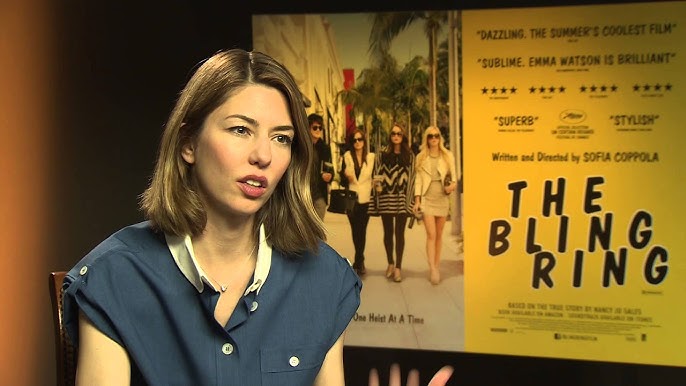
Marie Antoinette divided critics but influenced an entire generation visually. Somewhere won the Golden Lion at Venice. The Bling Ring for A24 delivered her most overtly satirical work. The Beguiled won the Best Director prize at Cannes.
Each film reinforced a brand so specific that “Coppola aesthetic” became shorthand for a particular frequency of beautiful melancholy. Gauzy. Luxurious. Feminine in a way that never apologizes for itself. An entire generation of filmmakers, photographers, and interior designers absorbed the influence.
What She Built
Sofia Coppola net worth estimates hover around $40 million. The figure is complicated by the Coppola family’s collective assets. Her father’s holdings include a wine empire in Napa Valley, resort properties in Belize, and the American Zoetrope production company. Her cousin Nicolas Cage earned and spent hundreds of millions with the energy management skills of a supernova. Individual net worth figures within this family are less measurements than estimates.
The Independent Value
Personal assets include directing fees, screenplay income, and significant participation in Lost in Translation’s ongoing revenue. Commercial directing for Dior, Gap, H&M, and Cartier generates six-figure to low-seven-figure fees per assignment. These campaigns keep her skills sharp and her bank account active during the multi-year gaps between features. A Dior campaign takes two weeks. A feature film takes two years. The commercial work fills the space between.
The Napa Valley Dimension
The family wine business adds a layer that conventional net worth analyses rarely capture. Francis Ford Coppola’s Inglenook estate produces wine that sells for up to $500 per bottle. Sofia’s relationship to this enterprise is not as an operator but as a beneficiary of the family ecosystem. That ecosystem provides access to social capital operating at the intersection of luxury, taste, and inherited creative credibility.
When Sofia Coppola hosts a dinner at Inglenook, the guest list draws from the same pool of artists, directors, fashion designers, and cultural power brokers who populate her films. Those relationships generate opportunities no balance sheet can value. They produce career returns with the regularity of a dividend.
The Soft Landing
The wealth story is inseparable from the question of dynasty. Critics will always note this because noting it is easy and because it is not wrong. Born into American cinema royalty. Access to resources, connections, and cultural capital that most aspiring filmmakers cannot even conceptualize.
What Belongs to Her
But what she did with that access is genuinely her own. The Virgin Suicides does not exist because her father directed The Godfather. Lost in Translation does not win an Oscar because her name is Coppola. The aesthetic she created belongs to her entirely. That specific frequency of beautiful loneliness that makes you feel glamorous and sad at the same time.
The net worth figure is a footnote to a more interesting question: what does it mean to build something original inside a family where originality is the baseline expectation? Her answer, delivered across seven features and a quarter century, is simple. Make the thing only you can see. Then make it again, slightly differently, until the world understands the vision was always yours.

Read more about The Bling Ring cast in our Bling Ring A24 Cast Net Worth hub, or explore the full A24 Movies and Actors Net Worth pillar.
You are reading this because you already understand something most people scroll right past. The intersection of culture, money, and taste is not a Venn diagram. It is a mirror. Social Life Magazine has spent 23 years holding that mirror up to the people who shape the Hamptons, Manhattan, and the corridors between them. If you see yourself in these pages, we should talk. Reach out at sociallifemagazine.com/contact.
Your brand, Your launch
Your personal story belongs in front of 82,000 affluent readers and a digital audience that keeps growing, our editorial features are built for exactly that moment. Learn more at Submit a Paid Feature.
Our email list reaches 82,000 subscribers who actually open, read, and act. If your audience is high-net-worth, culturally engaged, and based between Park Avenue and Montauk, you are already in the right place. Join the list.
Polo Hamptons returns to Bridgehampton this July with 1,200 guests, Getty Images coverage, and seven years of BMW title sponsorship behind it. If your brand belongs in that conversation, visit polohamptons.com.
A print subscription to Social Life Magazine puts 25,000 copies per issue into the boutiques, lobbies, and living rooms where decisions get made, from Westhampton to Montauk every summer and Upper East Side doorman buildings for Fall and Winter. Subscribe at sociallifemagazine.com/subscription.
If this publication has added value to your world and you want to support independent luxury journalism, you can contribute directly at our donation page.
Author

Written by
Recent Posts

hiTechMODA Season 16
How to Keep Your Personal Number Private When Booking Events, Rentals and Services
Understanding Compensatory Damages in a Personal Injury Case

When Online Family Therapy Makes Sense for Modern Families

Carrier Oils, Essential Oils, and Oil Blends: What Beauty Brands Need to Know
Categories
- Art
- Articles
- Business of Luxury
- Celebrities
- Culture
- Entertainment
- Events
- Faces of Summer 2026
- Fashion
- Fashion & Style
- Featured
- Finance
- Food, Spirits, Wine
- Hamptons
- Hamptons Celebrities
- Health
- Health & Beauty
- Lifestyle
- Luxury Lifestyle
- Press
- Profiles
- Real Estate
- Technology
- The Chronicles
- Travel
- Uncategorized
- Weddings