
Festival season carries a particular kind of anticipation that extends far beyond the music lineup itself. People who attend outdoor events increasingly treat the grounds as a genuine style showcase alongside the concert experience. How you dress for a festival says quite a bit about how seriously you take the whole occasion.
Choosing what to wear used to be a simple and largely practical exercise for most attendees. These days, it involves real thought about fabric choice, silhouette, and how a look holds up across a full day outdoors. Browsing cute festival outfits beforehand gives you a clear starting point and helps you avoid last minute compromises on packing day.
How Festival Fashion Became a Style Category
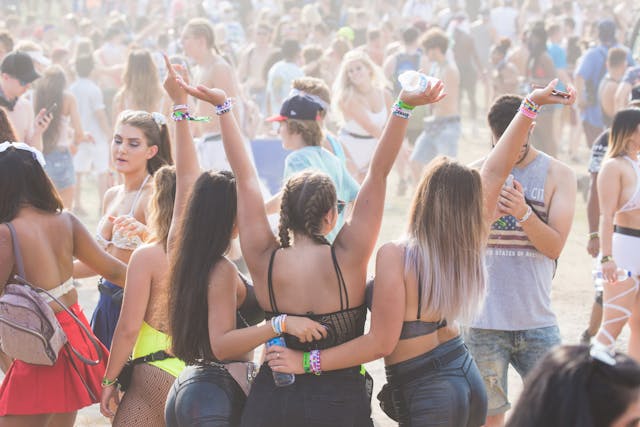
The outdoor music circuit has expanded well beyond its original counterculture origins over recent decades. Major events like Coachella and Governors Ball now attract attendees who travel specifically for the style and social experience. Fashion photographers and editorial teams treat festival grounds much like they would cover any other major style event during the season.
This shift in cultural attention changed how thoughtful attendees approach packing for a weekend away. Outfits that once seemed purely functional now account for photography, lighting conditions, and visual coherence across multiple days. People who dress with clear intention tend to look more at ease, not overdressed, within those surroundings.
The most consistently photographed festival looks share a few observable qualities worth noting. They tend to work equally well in afternoon sunlight and under the stage lighting that comes on at night. They move freely, hold their shape, and do not require constant adjustment through long sets or crowded pathways.
Building a Wardrobe That Holds Up All Weekend
Versatility remains the single most practical quality you can build into a festival wardrobe. Pieces that layer effectively, mix across different combinations, and adapt to temperature changes reduce how much you carry. Starting with two or three core items and building outward makes the whole process straightforward and manageable from the start.
Dresses and skirts consistently perform better than jeans and heavier trousers at outdoor summer events. Breathable fabrics like cotton, linen, and lightweight synthetics handle afternoon heat considerably better than structured denim does. A printed sundress worn on day one can pair with a cropped jacket for a distinctly different look on day three.
A simple three day rotation might look like this:
- Day one: A printed mini dress with flat sandals and a compact shoulder bag
- Day two: A coordinated two piece set with clean sneakers and a wide brim hat
- Day three: High waisted shorts, a fitted top, and ankle boots for the evening sets
This approach removes daily guesswork and gives each day a clear visual direction from the start.
Dressing for Outdoor Conditions
Outdoor festivals run from early afternoon into late evening, and temperatures shift noticeably between those hours. Preparing for both ends of that range is among the most useful things to do before you pack your bag. The gap between peak afternoon heat and the air after sunset can feel like two entirely separate weather conditions on the same day.
Sun protection factors directly into clothing decisions during daylight hours at any outdoor event. The U.S. Environmental Protection Agency advises covering exposed skin and applying broad spectrum sunscreen to any uncovered areas throughout the day. A wide brim hat paired with UV protective sunglasses provides coverage that functions naturally as part of the outfit rather than against it.
A lightweight jacket handles the temperature shift into evening without requiring a full change of clothes. An oversized button down shirt works equally well and transitions from the afternoon program to the late night headliner. These pieces pack flat and add visual contrast to a daytime look without any extra complexity on your end.
Footwear: A Decision That Shapes the Entire Day
Shoes determine how a festival day actually feels from the moment you arrive to the final act of the night. The wrong choice affects your energy, limits movement through crowds, and determines how long you comfortably stay on the grounds. This decision deserves more advance thought than almost anything else you pack for the festival weekend.
The most reliable options fall into a few practical categories:
- Flat sandals for warm, dry days on grass or paved festival grounds near the main stages
- Sneakers for general comfort across varied terrain and longer walking distances between stages
- Ankle boots for muddy conditions, cooler night temperatures, or a more structured evening look
Breaking in any new shoes before the festival weekend begins is worth the time and extra effort. Even quality footwear causes real problems over a twelve hour day if your feet have not yet adjusted to it. A short test walk a few days beforehand will tell you everything you need to know before committing.
Accessories and the Details That Complete a Look
Accessories serve a functional role at music festivals as much as a decorative one. A crossbody bag keeps your hands free while you move through large crowds between stages and across the grounds. A hat addresses sun exposure during long afternoon hours and completes the silhouette of most summer outfits without extra effort.
Jewelry tends to perform best at festivals when it stays minimal and stays securely in place. Long earrings catch on clothing in crowded environments, and thin chains disappear easily in active outdoor settings. Choosing pieces that sit close to the body and require no adjustment during the day keeps the whole look clean and consistent from morning to night.
Coverage of New York’s summer event circuit consistently shows that the most photographed looks depend on restraint over accumulation. A few well chosen accessories read as more intentional than a layered combination of multiple competing pieces. That principle carries just as easily into a sprawling three day outdoor festival as it does into a formal summer gathering.
What Comes Together When You Plan Ahead
The best festival outfit is one that received genuine consideration before it ever got packed into your bag. It holds up all day, transitions from afternoon heat into evening cool, and demands no ongoing attention from you. Focusing on the music and the people around you becomes much easier when your clothing is simply doing its job.
The CDC confirms that extended outdoor exposure without protective measures carries genuine health consequences that go well beyond sunburn. Clothing choices at outdoor events carry real practical value alongside the aesthetic considerations of any given day. Factoring in that dimension when choosing between coverage and exposure makes the whole outfit decision more considered and complete.
Comfort and visual elegance work together in a festival setting rather than pulling in opposite directions. A wardrobe built with both qualities in mind makes the whole weekend more enjoyable and less effortful to maintain. That combination is precisely what the most polished festival attendees tend to get right year after year.
Author

Written by
Recent Posts
What Goes Into Planning a Professional Furnace Installation?
Why Sports Card Collecting Is More Than Just a Hobby
From Signature Scents to Scent Wardrobes: The Evolution of Personal Fragrance

Beyond the Booth: How Exhibition Design Is Creating New Brand Experiences

Trading the Hamptons for Hvar: A Summer on Croatia’s Most Glamorous Island
Categories
- Art
- Articles
- Business of Luxury
- Celebrities
- Culture
- Entertainment
- Events
- Faces of Summer 2026
- Fashion
- Fashion & Style
- Featured
- Finance
- Food, Spirits, Wine
- Hamptons
- Hamptons Celebrities
- Health
- Health & Beauty
- Lifestyle
- Luxury Lifestyle
- Press
- Profiles
- Real Estate
- Technology
- The Chronicles
- Travel
- Uncategorized
- Weddings