
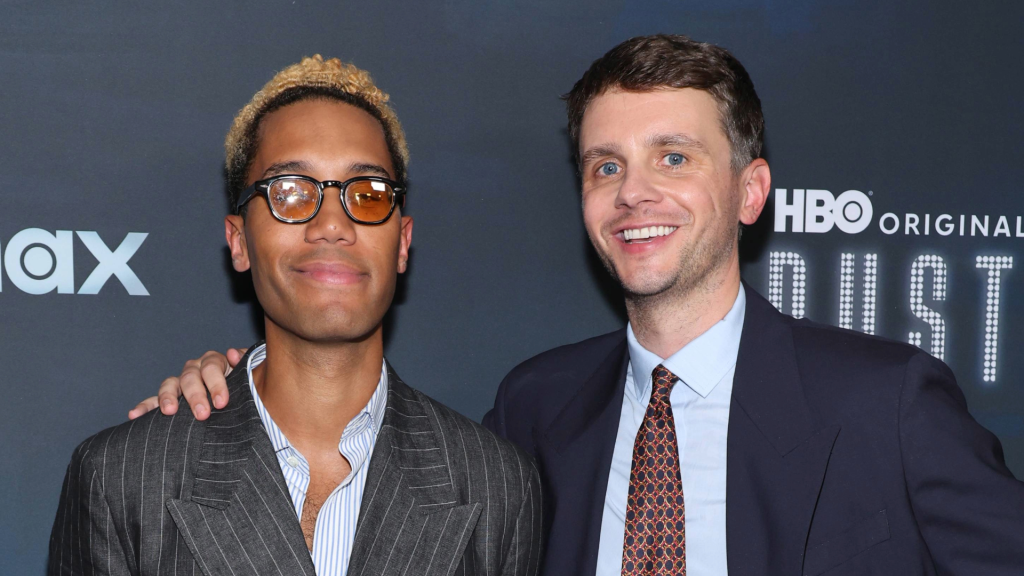
Mickey Down and Konrad Kay are the creators, showrunners, writers, directors, and executive producers of HBO’s Industry. They hold a three-year overall exclusive deal with the most prestigious network in television. Their show earned a 96% on Rotten Tomatoes in its fourth season, averages 1.7 million viewers per episode, and has been renewed for a fifth and final season on their terms.
Before any of this happened, Down got called a hindrance by his employer. Kay got called the worst salesman his boss had ever seen. Both left finance with nothing but the cellular knowledge of a world that would consume the next decade of their lives.
Theology, Literature, and the Conveyor Belt
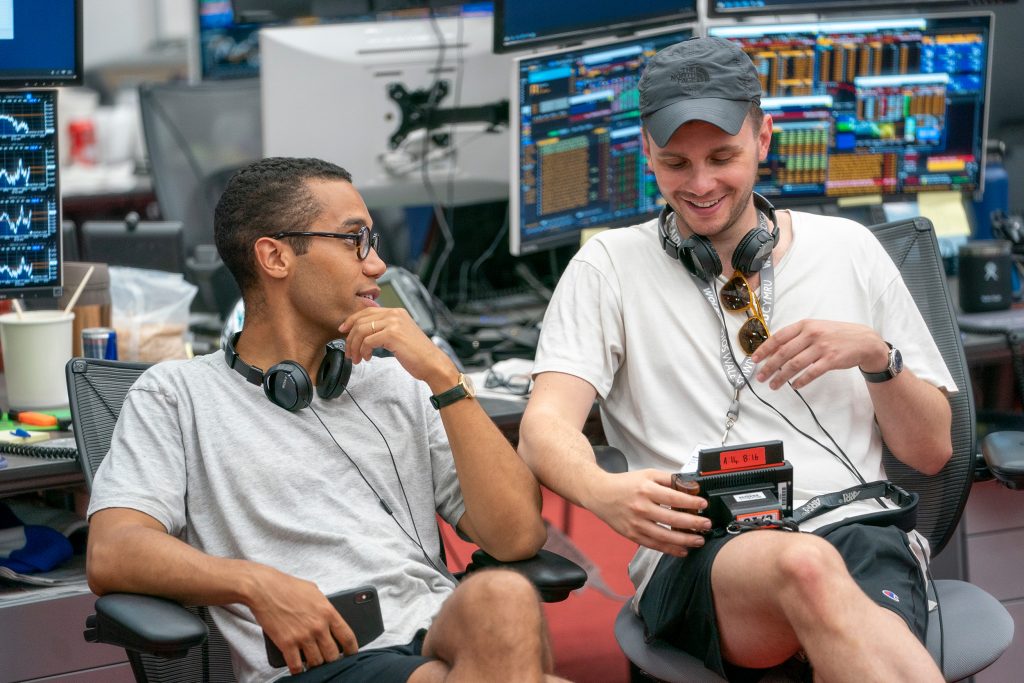
Down studied theology at Oxford. Kay studied literature. Neither degree prepares you for a trading floor. But Oxford itself operates as a pipeline — a conveyor belt, as Kay later called it. Banks arrive during first year. They bring dinners, drinks, and the implicit promise that serious people choose finance.
The pressure ran deeper than career ambition. Down’s mother is Ghanaian. Kay’s mother is Polish. Both families carried the immigrant expectation that a university degree should convert into financial stability as quickly as possible. “The moment you leave university, you need to figure out how to make the most money as quickly as you can,” Kay told the Television Academy.
The Friend Who Told the Truth
Down landed in mergers and acquisitions. He lasted just over a year. A friend at the same firm delivered the line that would eventually redirect his entire career: “Mickey, you realise you don’t actually like finance. You like finance films.” The observation was devastating because it was true. Down had been seduced by the aesthetics. The Hermès ties. The shiny shoes. The feeling of looking around at 2 AM and seeing everyone still in their suits. “That can sustain you for a surprisingly long time,” he later admitted.
Kay endured nearly three years at Morgan Stanley in equity sales. His task was simple: pick up the phone and talk to clients about stocks. He couldn’t do it. Confidence eluded him. There was always someone who knew more. His morning update emails to clients grew longer and more literary over time — anecdotes from nights out in Amsterdam, Hunter S. Thompson energy in a Charles Tyrwhitt shirt. His boss told him he was the worst salesman the firm had ever employed. Morgan Stanley made his position redundant. Kay has called it the best thing that ever happened to him.
Kickstarter, Gregor, and the First Hundred Meetings
After leaving finance, Down worked at a talent agency and a production company. He started writing plays and making short films — including one about a banker who dreams of becoming a DJ. He kept calling Kay. Come write with me. Kay, freshly unemployed and wondering what came next, eventually agreed.
Their first weekend together produced what Down called “a very bad banking drama.” Competent. Forgettable. But it proved they could write together. Their creative telepathy was real. Kay could start a sentence and Down would know the ending before the words arrived. Their tastes aligned so precisely that disagreements about tone, character, or dialogue almost never surfaced. In a creative partnership, that alignment matters more than any individual talent.
Eight Days on Kickstarter
Mickey Down and Konrad Kay raised funding for their first feature film, Gregor, through Kickstarter in eight days. The micro-budget movie followed an ambitious guy in a place where his ambition was misplaced — a description that could serve as the logline for their own early careers. They wrote and directed it themselves because nobody else was going to give them the opportunity. The film starred Matt King and Ollie Marsden. It earned a nomination for the Discovery Award at the 2014 British Independent Film Awards.
The BIFA nomination opened doors. Small ones. Agents noticed. Small television gigs followed. They wrote a stage play that ran at the Arcola Theatre and the Edinburgh Fringe, earning reviews that called their work “viciously amusing” and “Mamet-like.” The pair accumulated more than a hundred general meetings across London’s television industry. Nearly all of them led nowhere.
This is the part of the Mickey Down and Konrad Kay story that rarely gets told. The press narrative — two ex-bankers create HBO hit — skips seven years of grinding. Seven years of pitches that didn’t land. Meetings that ended with polite nods and no callbacks. Projects that started and stalled. The overnight success took approximately a decade of not being noticed at all. Both men were in their early thirties before anyone with real power heard the word “Pierpoint.”
“Write It From the Bottom Up”
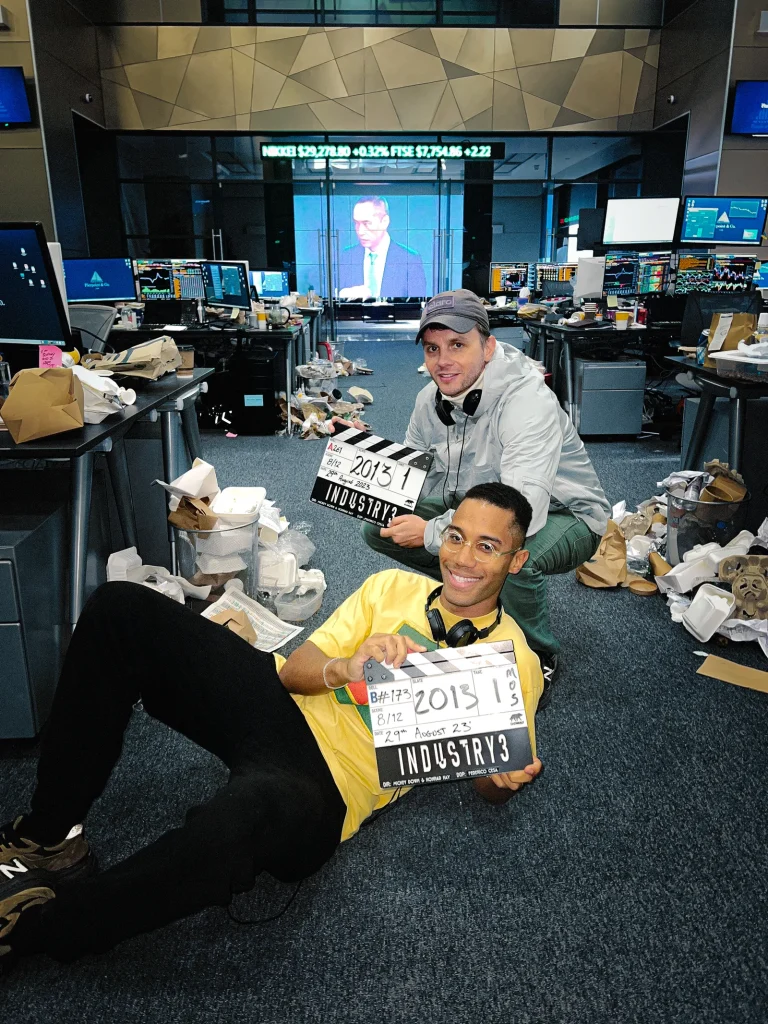 Jane Tranter changed everything. The former head of fiction at the BBC had co-founded Bad Wolf, a production company based at Wolf Studios Wales in Cardiff. Her credits already included His Dark Materials and executive producing roles on early seasons of Succession. She wanted a show about why young graduates kept flocking to the City of London despite the 2008 crash. A colleague connected her to Mickey Down and Konrad Kay.
They resisted. Another banking show felt hackneyed. Everyone knew what finance looked like on screen. Gordon Gekko. Jordan Belfort. The chest-thumping Wolf of Wall Street guys. Tranter gave them one instruction that unlocked everything: write it from the bottom up. Not from the CEO’s office. From the graduate’s desk. Write what you know, which is the terror of being young and over your head and pretending otherwise.
That instruction fused everything. The failures. The impostor syndrome. The specific knowledge of what it feels like when the phone rings and you have no idea what to say. Down and Kay weren’t writing about bankers. They were writing about themselves — two guys who faked their way into a world that eventually spat them out. The difference was that the show’s characters were better at faking it.
Lena Dunham Reads Four Scripts
HBO put the series into development in November 2017. Down and Kay wrote four episodes. Every director they suggested, HBO politely declined. The network already had someone in mind. Lena Dunham, who held a first-look deal with HBO, read the scripts independently. She told them: “I was in your position once, being given a show at a particularly young age. But I had Judd Apatow. I’ll be your mentor figure in this.”
Dunham directed the pilot. Her influence shaped the show’s early DNA — the rawness, the frankness, the willingness to let characters be deeply flawed without explaining or excusing them. Mickey Down and Konrad Kay later called Girls a massive inspiration for Industry’s approach to character: “Its frankness, humanity, humor, naturalism, its deeply flawed but deeply human characters in their twenties. It achieved things on TV we didn’t think were possible.”
The Impostor Syndrome They Should Have Had
Industry premiered on November 9, 2020. Down was around 31. Kay was around 32. Neither had run a television show before. Their combined showrunning experience amounted to zero hours. They learned on the job, in public, on HBO.
Down later admitted they should have felt more impostor syndrome during Season 1. “If we had realised that we didn’t know what we were doing, we probably would have asked for some more help and mentorship.” Kay agreed: “Turns out you need a story for eight hours of TV. You need more than vibe and good music, basically.”
Season by Season, Learning in Public
Their creative evolution tracks like a graduate’s rise through a bank — fitting, given the show’s subject matter. Season 1 ran on instinct. A three-week UK-style room broke the season with a small team. The result was eight hours of vibe, characterization, and atmosphere. No rigorous plot. No grand arc. The energy carried it. Down and Kay wrote most of the scripts themselves alongside Sam H. Freeman and Kate Verghese.
Season 2 brought American structure. Mickey Down and Konrad Kay assembled a full twelve-week writers’ room. They overcorrected toward plot architecture. Some of Season 1’s wildness got smoothed out. But they learned serialized storytelling. The season averaged 1.4 million viewers across all platforms — a solid base, but not the breakout HBO wanted.
Season 3 combined both lessons. The writing sharpened. The scope expanded to include ESG investing, media manipulation, and the class politics that had always simmered underneath the cocaine and the sex. Down and Kay directed episodes for the first time — the final two of the season — adding a new skill to their already stacked credit list. Rotten Tomatoes gave Season 3 a 98%. Metacritic scored it 86. Viewership surged 40%. Marisa Abela won the BAFTA for Best Actress. The show moved from Monday night obscurity to Sunday night prestige. HBO rewarded them with the three-year overall deal.
Season 4 and the Decision to End
Season 4 reached universal acclaim: 96% on Rotten Tomatoes, 88 on Metacritic, 1.7 million viewers per episode. The Guardian called it “truly twisted, top-tier television.” Down and Kay directed again. They added Kit Harington, Max Minghella, Charlie Heaton, Toheeb Jimoh, Kiernan Shipka, and Kal Penn to the ensemble. The scope expanded into fintech, geopolitics, and the Russian money threading through British institutions. The show that started as “eight hours of vibe” had become a panoramic portrait of how capital corrupts everything it touches.
On February 25, 2026, HBO renewed Industry for a fifth and final season. Down and Kay chose to end it. Their statement included the most on-brand line imaginable: “Unlike some of our characters, we know when to leave a party.”
The Three-Year HBO Deal and What Comes After
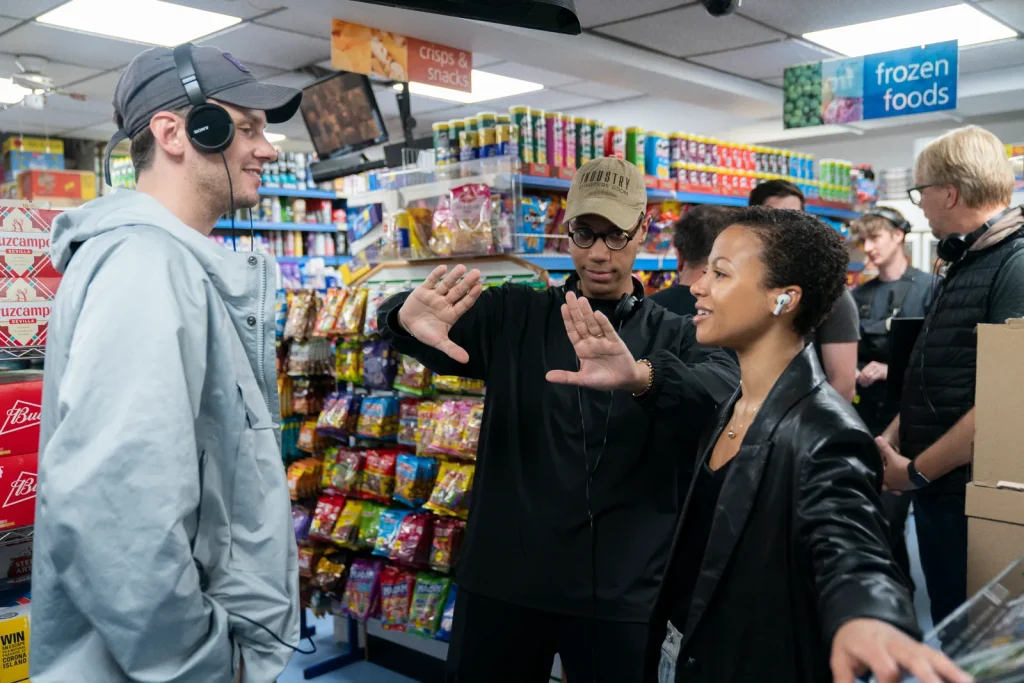
In October 2024, Mickey Down and Konrad Kay signed a new three-year overall exclusive deal with HBO beginning January 2025. The deal keeps them at the network through at least 2027. They serve as creators, writers, showrunners, directors, and executive producers on Industry. Both also have separate representation: Down with Curtis Brown in the UK, Kay with Independent Talent. UTA represents both in the United States.
Overall deals at HBO represent the network’s highest level of creative commitment. The terms of such agreements remain private, but comparable showrunner deals at premium cable networks typically range from mid-seven figures to low eight figures annually. Down and Kay’s deal reflects their track record: four seasons of ascending quality, growing audiences, and a final season that HBO actively wanted to continue but respected the creators’ decision to end.
Beyond Industry
Kay and Down have stated they are developing new original projects under their HBO deal. No specifics have been announced. Their agent page at Independent Talent notes they are “working on a number of original commissions in the United States.” The three-year deal window suggests at least one new project will enter development before Industry Season 5 completes its run.
Their creative philosophy suggests the next project will look nothing like Industry. Down described their approach to The Washington Post: “We might get another big show on the air. Hopefully we will, but you just never know. So while we have the arena, while we have the money, while we have people’s attention, it feels like we just have to not pull our punches.”
Mickey Down and Konrad Kay Net Worth: What We Can Estimate
No verified net worth figure exists for Mickey Down and Konrad Kay. Neither has disclosed financial details publicly. However, several data points allow a reasonable estimate of their combined earning power.
As creators, showrunners, writers, directors, and executive producers of an HBO drama that has run for four seasons (with a fifth confirmed), Down and Kay earn across multiple compensation streams. These include episodic writing fees, showrunner fees, executive producer fees, directing fees, and backend participation tied to the show’s performance on streaming and international distribution.
The Revenue Streams
Their three-year overall deal with HBO provides guaranteed annual compensation regardless of whether new projects enter production. Down and Kay also benefit from residuals on all 32 episodes of Industry aired to date, with eight more coming in Season 5. International distribution through the BBC co-production deal generates additional revenue.
Comparable showrunner compensation at premium cable networks suggests a combined annual income in the mid-to-high seven figures during active production years. The overall deal adds a guaranteed base on top of project-specific earnings. Factor in nearly a decade of accumulated residuals from a show whose audience has grown every year, and the financial picture becomes substantially more favorable than their Morgan Stanley salaries ever were.
The precise number matters less than the trajectory. Mickey Down and Konrad Kay entered finance because their immigrant mothers needed them to earn quickly. They left finance as failures. They spent seven years writing in obscurity. And then they built a show that HBO considers important enough to guarantee their employment through at least 2027. The worst banker Morgan Stanley ever employed now holds one of the most valuable creative relationships in premium television.
The Lesson Nobody Teaches at Oxford
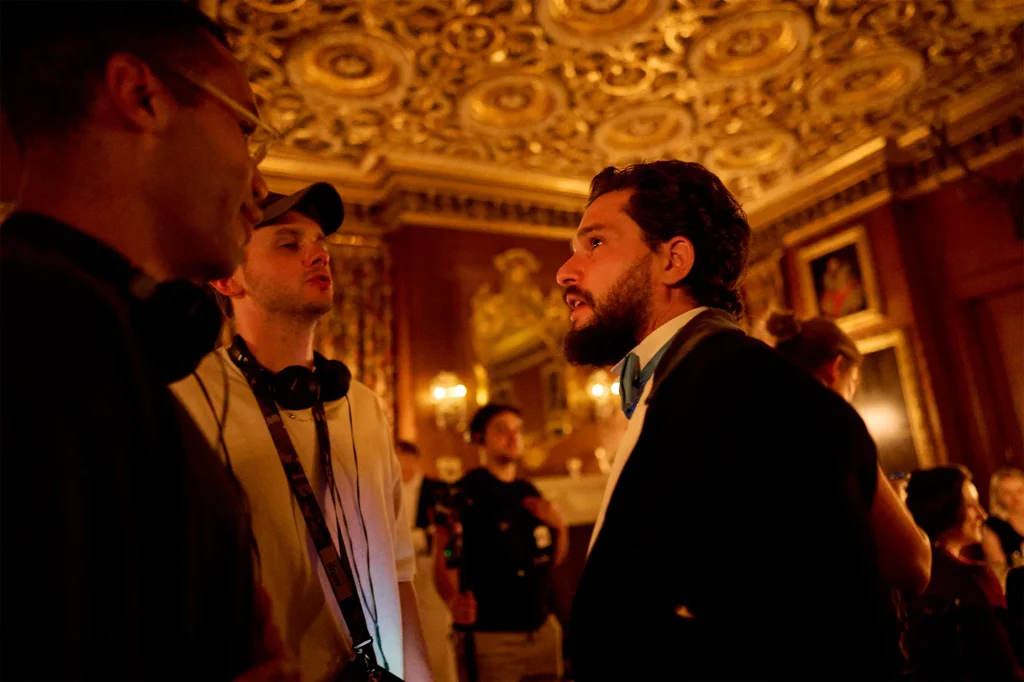
The story of Mickey Down and Konrad Kay contains an irony that the show itself would appreciate. They entered finance to make money and failed. They left finance to make art and succeeded beyond any reasonable projection. The skills that made them terrible bankers — the inability to perform confidence they didn’t feel, the refusal to pretend they understood things they didn’t — turned out to be exactly what made them great showrunners.
Every character on Industry carries a piece of their creators’ experience. Harper’s fake transcript mirrors their fake competence on the trading floor. Eric’s mentorship gone wrong mirrors the absence of mentorship they wished they’d had in Season 1. Robert’s class displacement mirrors the feeling of being Oxford graduates who never quite belonged in the rooms Oxford was supposed to open. Even Yasmin’s wealth masking insecurity echoes the aesthetic seduction that drew Down to finance in the first place — the Hermès ties, the shiny shoes, the 2 AM suits.
Down once said the best advice he could offer young people is to “really interrogate whether you want to do it or not, and if not, get out as soon as you possibly can.” He and Kay followed their own advice. They got out. They wrote about what they found on the other side. And what they found was a show that ten years later sits alongside the best work HBO has ever produced.
The conveyor belt carried them into finance. Failure carried them out. And the seven years in between — the hundred meetings, the Kickstarter campaign, the Fringe plays, the bad banking drama written in a weekend — carried them to a place where the worst salesman Morgan Stanley ever saw now tells stories that 1.7 million people watch every Sunday night.
Related Articles
Industry HBO: The Complete Guide to TV’s Most Dangerous Finance Drama
Industry Season 5: Everything We Know About the Final Season
The Real Industry: How HBO’s Drama Mirrors Actual High Finance
Myha’la Net Worth: The Girl Who Faked It Until She Made It
Marisa Abela Net Worth: The Civil Rights Lawyer Who Became Amy Winehouse
Stay Connected
Mickey Down and Konrad Kay built their career on one principle: write what you know, even if what you know is failure. Social Life Magazine operates on the same frequency. Twenty-three years of covering the people who take risks, build empires, and occasionally blow them up in spectacular fashion.
Feature your brand in Social Life Magazine — reach out at sociallifemagazine.com/contact. We profile the people and companies shaping culture.
Guaranteed digital placement starts at $975 via our Submit A Paid Feature page. Three tiers of editorial visibility for brands ready to be seen.
Join 82,000+ readers who get our weekly newsletter at sociallifemagazine.com.
Experience it in person: Polo Hamptons returns July 18 and 25, 2026, in Bridgehampton. BMW title sponsor. The field is where the deals close.
Print subscriptions at sociallifemagazine.com/subscription — five summer issues plus Fall/Winter. Every issue covers the Mickey Down and Konrad Kay ethos: ambition, reinvention, and the refusal to stay down after getting fired.
Support independent publishing: donate here.
Author

Written by
Recent Posts

Galina Breslav: From Pension Fund to Executive Presence

Hermès Fake Authenticator: A Monopoly Mistaken for Expertise
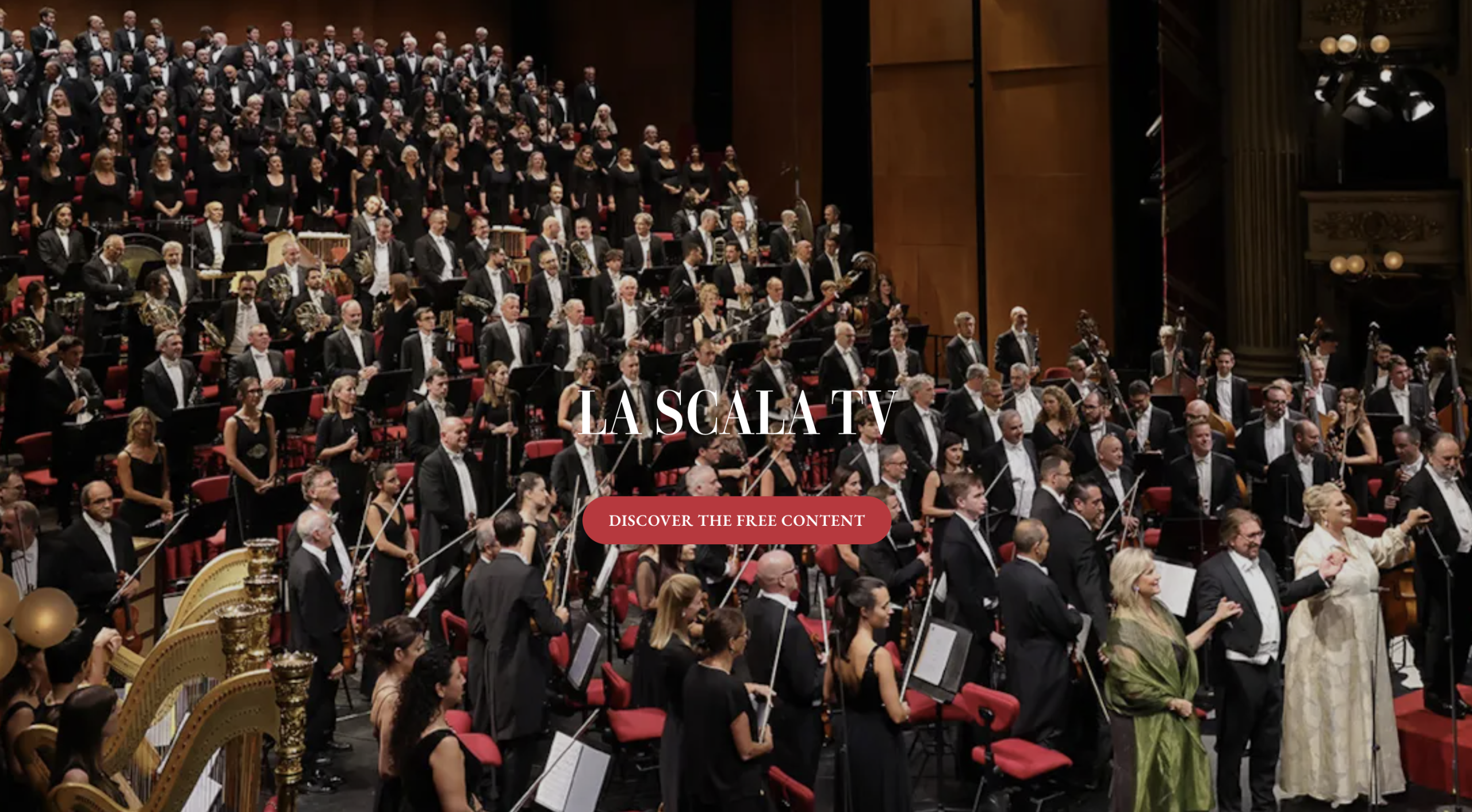
A Real Gift: How La Scala Found Its Community in New York Through the Teatro alla Scala Association of America (TASAA)

He Sold His Company, Got Everything He Wanted, but Lost His Purpose
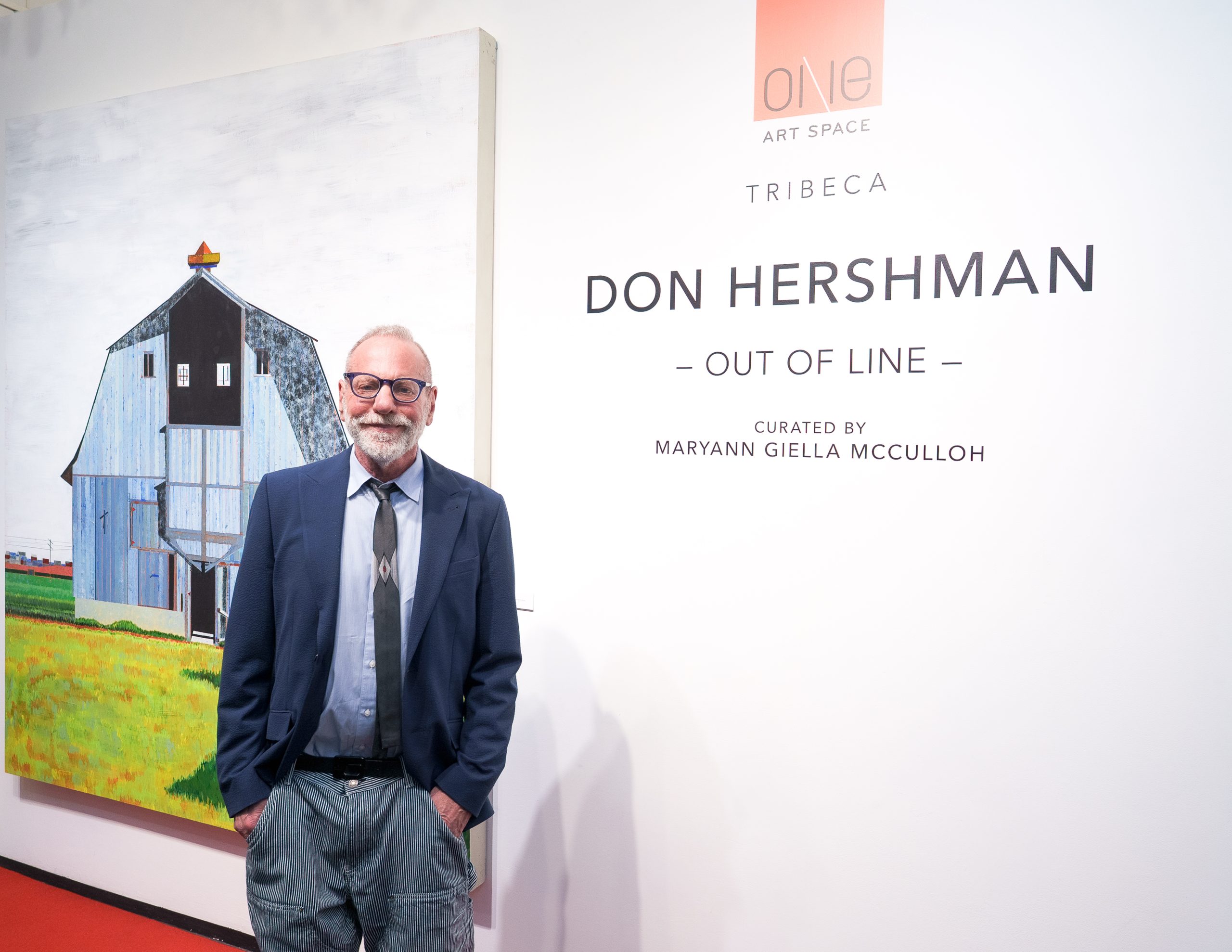
OUT OF LINE
Categories
- Art
- Articles
- Business of Luxury
- Celebrities
- Culture
- Entertainment
- Events
- Faces of Summer 2026
- Fashion
- Fashion & Style
- Featured
- Finance
- Food, Spirits, Wine
- Hamptons
- Hamptons Celebrities
- Health
- Health & Beauty
- Lifestyle
- Luxury Lifestyle
- Press
- Profiles
- Real Estate
- Technology
- The Chronicles
- Travel
- Uncategorized
- Weddings