

When should you send save the dates for a destination wedding? Earlier than most couples expect. Flights must be booked, hotel blocks secured, passports checked, and time off requested well in advance.
Your save the date launches that entire chain of decisions. It is not only etiquette, but it is also logistics, courtesy, and guest experience in one small card.
When To Send Save The Dates For A Destination Wedding
For most local weddings, six to eight months works. For destination weddings, think eight to twelve months ahead of the big day.
According to guidance from Brides, destination wedding save the dates should land closer to the one year mark. That extra time matters because your guests are pricing flights, coordinating childcare, and scanning peak-season hotel rates. If the wedding is in a high-demand location or during a holiday weekend, lean toward the earlier side of that window.
Peak Season Changes Everything
Beach towns in summer. Ski resorts in winter. European cities in festival season. These locations book quickly, and room blocks can fill before formal invitations even go out.
When lodging pressure is high, sending save the dates 10 to 12 months out gives VIP guests first access to better pricing and availability. It also reduces the flurry of last-minute “Can you resend the hotel link?” messages.
Consider Your Guest List Before You Mail
Not all destination weddings are created equal. A three-hour drive is different from a transatlantic flight.
Use this quick gut-check before locking in your mail date:
- The majority of guests are flying
- Passport or visa required
- A wedding during a major holiday
If two or more apply, send earlier. According to etiquette guidance from The Knot, destination couples benefit from giving guests as much notice as possible, especially when extended travel planning is involved. That notice feels generous, not excessive.
VIP Calendars Fill Fast
Immediate family, wedding party members, and must-have guests often juggle packed work schedules and school calendars. A save the date arriving early allows them to request time off and budget with intention.
It also quietly communicates that their presence matters enough to plan ahead.
Follow Up Without Feeling Pushy
Save the dates are not RSVP requests. They are a courtesy heads-up.
If guests misplace the details or ask for reminders, keep it simple. Direct them to your wedding website for travel updates, room block information, and local recommendations. Formal invitations with RSVP cards typically go out two to three months before the wedding, even for destination events.
Collecting addresses early is key. Start gathering them as soon as venues are booked. Digital spreadsheets, shared forms, or wedding websites help avoid scrambling at the printer deadline.
Design That Signals The Locale
A destination wedding save the date should feel like a preview. Texture, color, and typography can subtly whisper where everyone is headed.
Planning a coastal ceremony? Think breezy blues, soft neutrals, and airy layouts. Mountain weekend? Earth tones, layered fonts, and tactile paper stock set the mood before guests even open the envelope.
Couples often explore tools like custom save the date cards to experiment with layouts, corner styles, and print finishes. Many have used Canva’s free templates to design polished cards with rounded or square corners, adjust color palettes to match the venue, and download print-ready files without needing a graphic design background. The flexibility helps couples reflect their location while keeping timelines on track.
Mailing Logistics Matter
International destinations may require extra postage or customs forms depending on weight and embellishments. Heavier cardstock, wax seals, or layered inserts increase mailing costs and processing time.
Order a sample, weigh a fully assembled card at the post office, and confirm postage before mailing the full batch. A small step now saves headaches later.
Setting The Tone For The Celebration Ahead
Thoughtful timing of your save the dates for destination weddings does more than simply ensure a reserved date on the calendar. It shows guests that their time, travel, and budgets are respected while signaling a celebration that is carefully planned.
Send them with room to breathe, design them to reflect the setting, and communicate clearly from the start. For more destination wedding planning insight, connect with Social Life Magazine or share your questions in the comments.
Author

Written by
Recent Posts
What Goes Into Planning a Professional Furnace Installation?
Why Sports Card Collecting Is More Than Just a Hobby
From Signature Scents to Scent Wardrobes: The Evolution of Personal Fragrance

Beyond the Booth: How Exhibition Design Is Creating New Brand Experiences
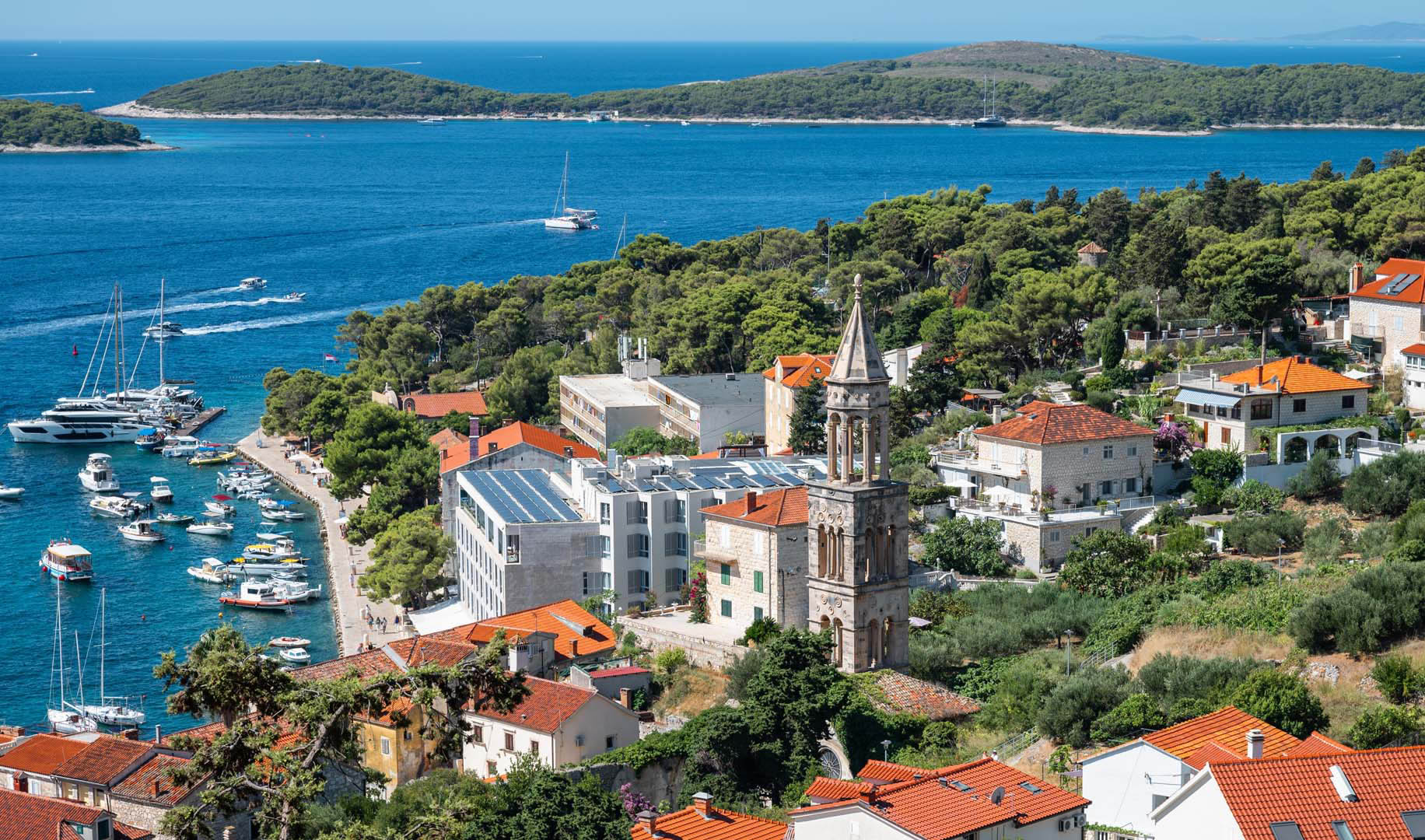
Trading the Hamptons for Hvar: A Summer on Croatia’s Most Glamorous Island
Categories
- Art
- Articles
- Business of Luxury
- Celebrities
- Culture
- Entertainment
- Events
- Faces of Summer 2026
- Fashion
- Fashion & Style
- Featured
- Finance
- Food, Spirits, Wine
- Hamptons
- Hamptons Celebrities
- Health
- Health & Beauty
- Lifestyle
- Luxury Lifestyle
- Press
- Profiles
- Real Estate
- Technology
- The Chronicles
- Travel
- Uncategorized
- Weddings