
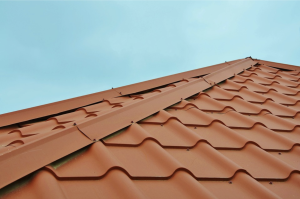
The global construction industry is becoming more eco-conscious as environmentally friendly practices are adopted. Homeowners, architects, and builders continue to prioritize sustainability and long-term performance over makeshift affordability.
As the push towards sustainable building grows stronger, slate roofing has gained more popularity. Slate roofing is no longer the traditional building material for luxury homes and historic buildings.
It is the perfect option for people seeking to achieve optimal sustainability in modern construction. The material combines minimal environmental impact with longevity to guarantee long-lasting reliability. These roofing materials can last 20-30 years and require minimal maintenance.
So, are you thinking of investing in slate roofing but unsure of its ecological benefits? Here are five ways slate roofing has reshaped the future of sustainable building.
1. Minimal Environmental Impact
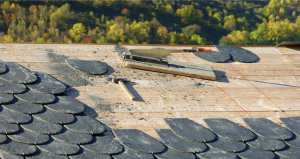
One of the many reasons people choose slate roofing is because of its natural composition. Slate is a metamorphic rock that has formed over the years and requires minimal cutting and extraction. The material requires no chemical processing or petroleum-based inputs. The simple architecture design makes it the best option for those seeking products with a lower carbon footprint.
Slate has lower embodied energy than many other roofing materials. As a result, both its production and transportation require relatively little energy. It also contains no harmful toxins or chemicals and does not release pollutants into the environment throughout its lifespan.
These qualities make slate roofing an excellent choice for those seeking sustainable, safe building materials, particularly for occupants and builders who prioritize environmentally friendly construction.
2. Highly Resilient in the Ever-Changing Climate
With the ever-changing climate, roofing materials can quickly succumb to extreme weather conditions. Slate roofing can effectively withstand the high-impact seasons of intense weather. The material can withstand harsher conditions. The highly resilient material can withstand temperature fluctuations. It can also resist wind, fire, and water. It barely warps or degrades over time.
The exceptional resilience boosts safety and reduces avoidable replacements and repairs. It also contributes to lasting sustainability. Buildings with slate roofing can endure years of harsh weather.
Its sustainability is also in its design longevity. It can remain visually appealing over time, reducing the frequency of renovations and replacements. Because it offers a timeless aesthetic that complements both modern and traditional architecture, the material creates a distinctive appeal that never deteriorates or fades.
3. A Lifetime Investment with Exceptional Longevity
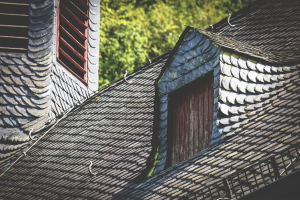
Slate stands tall when it comes to lifetime service. A professionally-installed roofing system can withstand years of exposure to environmental elements. In fact, it can last from 75 to 150 years with minimal maintenance and care. Its lifespan exceeds that of many roofing materials available in the market today.
The unmatched durability offers many sustainability benefits. Most roofing materials require replacement multiple times within a short time period. As for slate roofing, it can last for generations. Longevity reduces ongoing demand for raw materials. Also, it cuts down on transportation and manufacturing energy.
From an environmental perspective, fewer replacements result in minimal construction waste. In other words, less material ends up in landfills because of slate manufacturing and processing. Its durability makes it a highly sustainable option for today’s investors.
3. Supports a Circular Economy
A product’s sustainability speaks more about what happens at the material’s end of life. One truth with slate is its capability to achieve lifelong performance. Unlike other roofing materials, which end up in landfills as non-recyclable waste, slate can be reused and repurposed multiple times.
You can salvage and install old slate tiles on new buildings. The recycled materials are useful in multiple construction applications, including landscaping. The material’s capacity to re-enter the lifestyle aligns with the standard principles of the circular economy. That allows for the materials to stay in use for years.
Slate roofs even outlast the buildings. Because of their supreme durability, you can reclaim and reuse these materials multiple times elsewhere. That is a perfect example of sustainable design in use.
4. Superior Thermal Performance and Energy Efficiency
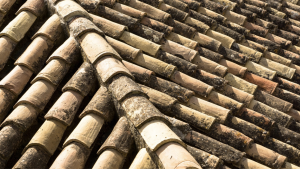
Beyond the exceptional environmental credentials, slate roofing optimizes energy efficiency in modern buildings. It has a dense composition that provides natural thermal resistance. That helps to regulate indoor temperatures all year round.
Homes with slate roofs stay cooler in hot weather. They also retain heat during cold months. That reduces the need for artificial cooling and heating. You can directly reduce energy consumption and associated carbon emissions. In today’s era, where energy efficiency is paramount, slate’s passive performance advantage makes it the best option for eco-conscious builders.
Wrapping Up
It is important to note that slate roofing is a real symbol of sustainable building. It is the real deal for those wanting a premium roofing option that withstands years of use. It combines minimal environmental impact with exceptional durability. It often addresses the many challenges in modern construction. Considering everyone is moving toward sustainable building, the adoption of slate roofing is a welcome idea. It is a highly compelling path to build the right way and earn credit that will last for centuries.
In addition, slate roofing reduces total waste and helps to conserve resources. It is a way to boost energy efficiency. You can leverage its unique design to achieve timeless beauty and longevity. And because the construction industry continues to evolve, slate roofing leads the way in helping you achieve a sustainable future.
Author

Written by
Recent Posts
What Goes Into Planning a Professional Furnace Installation?
Why Sports Card Collecting Is More Than Just a Hobby
From Signature Scents to Scent Wardrobes: The Evolution of Personal Fragrance

Beyond the Booth: How Exhibition Design Is Creating New Brand Experiences
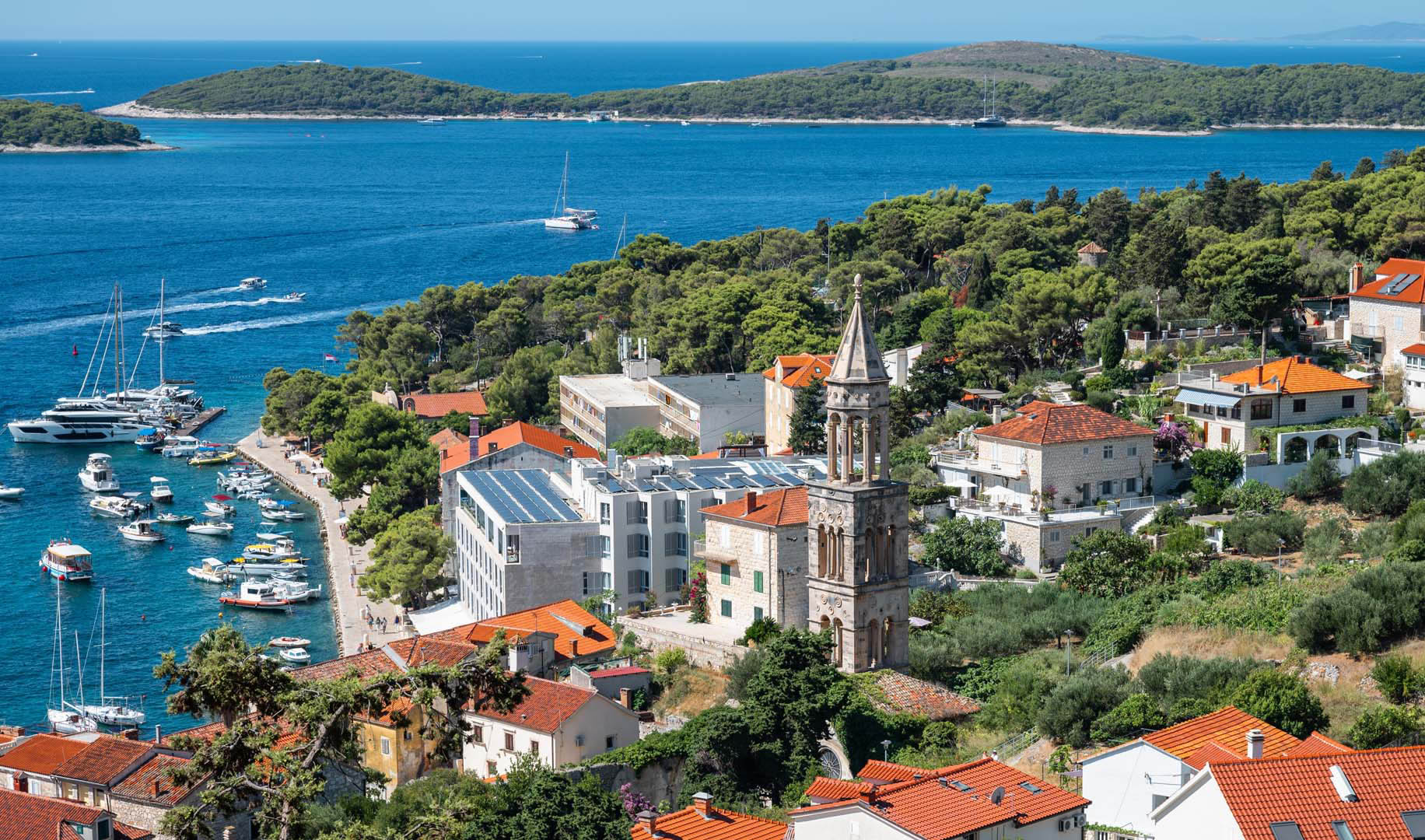
Trading the Hamptons for Hvar: A Summer on Croatia’s Most Glamorous Island
Categories
- Art
- Articles
- Business of Luxury
- Celebrities
- Culture
- Entertainment
- Events
- Faces of Summer 2026
- Fashion
- Fashion & Style
- Featured
- Finance
- Food, Spirits, Wine
- Hamptons
- Hamptons Celebrities
- Health
- Health & Beauty
- Lifestyle
- Luxury Lifestyle
- Press
- Profiles
- Real Estate
- Technology
- The Chronicles
- Travel
- Uncategorized
- Weddings