
Wait times in a medical office can feel like hours when you are anxious. Quick digital imaging allows doctors to see what is happening inside the body almost instantly. Speed helps reduce the stress of the unknown for patients and their families.
Fast results mean starting treatment sooner to address health issues. Patient care improves when technology moves at the speed of modern life. Systems that produce images quickly are becoming the standard for clinics everywhere.

The Evolution Of Medical Scans
Medical technology has come a long way from the grainy films used in the past. When people start searching for Qscan clinics near me, they often find that modern tools change how doctors treat patients. Access to testing helps families get answers without long waits.
The transition to digital data has changed the speed of diagnosis. Staff members no longer wait for film to dry in a dark room. Scans move from the machine to the screen in seconds.
Doctors can now compare new images with old ones instantly. A side-by-side view helps them spot small changes in a patient’s condition. Faster comparisons lead to more accurate health plans.
Shorter Scans For Better Patient Comfort
Sitting still in a loud machine is difficult for many people. Newer equipment makes the process much faster to help those with anxiety. Reducing the time spent inside a scanner improves the patient experience. Shorter wait times in the lobby make the day go smoother.
One report on radiology trends highlighted how magnets are getting more powerful. Improvements allow for higher-resolution images to be captured in far less time than older models.
Clearer pictures help avoid the need for repeat visits or second scans. High-resolution data gives doctors more confidence in their findings. Efficiency keeps the schedule moving for everyone at the clinic. Reliable results mean less frustration for the medical team.
Advanced Technology Reduces Radiation Exposure
Speed is not just about convenience. It often goes hand in hand with safety improvements for the public. Modern machines use smarter ways to gather data without needing high levels of radiation.
A study published in a research journal found that photon-counting technology improves lung scans. This method provides a 30% reduction in the traditional radiation dose used for CT scans. Lower doses make tests safer for people who need frequent monitoring.
These systems offer several benefits for patients:
- Lower exposure to X-rays.
- Higher detail in the final image.
- Faster processing for complex data.
Boosting Sensitivity With Total Body Systems
Newer scanners can look at the whole body at once. The change is massive for treating complex conditions like cancer. Seeing the entire system in one go provides a complete picture for the medical team.
An article on medical science described total-body PET systems with increased sensitivity. Smart machines allow for shorter scan times and much lower radioactive doses for the patient. A full scan can happen in a fraction of the previous time.
Efficiency helps clinics see more people throughout the day. It creates a better experience for everyone involved in the medical journey. Faster throughput reduces the backlog in busy urban areas. Shortened wait lists help people get scanned exactly when they need to.
Impact On Hospital Workflow And Productivity
When imaging is fast, the entire hospital runs better. Emergency rooms rely on quick data to make life-saving choices for trauma patients. A delay of 5 minutes can change the outcome of a surgery. Speed helps the triage nurse move people to the right department.
Reducing Staff Downtime
Staff members spend less time waiting for files to load or process. They can focus their energy on patient comfort and care instead. Reduction in technical downtime improves morale for the medical team. Happy staff members provide better support for their patients.
Digital files are easy to store and retrieve from any computer. Electronic records keep everything organized without taking up physical space in a file room. Digital storage keeps sensitive data secure and easy to find. The organization prevents lost files or missing results.
Future Trends In Diagnostic Speed
Technology continues to push the boundaries of what is possible in a clinical setting. New algorithms help scanners pick up small details that humans might miss at first glance. Smart tools act as a second set of eyes for the radiologist.
The next decade will likely bring even more portable tools to the market. Imaging might happen at the bedside instead of a specialized room. The shift would help patients who are too ill to move.
Staying ahead of changes keeps healthcare systems strong and reliable. Patients benefit from every second saved during a diagnostic procedure. The focus remains on getting people healthy and home sooner.
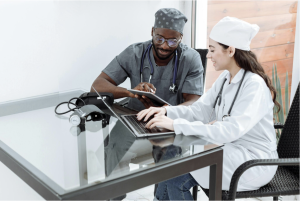
Improving the speed of medical imaging helps families get back to their lives. Quick answers reduce the worry that comes with health mysteries. Most people feel a sense of relief when they can move forward with a plan.
Modern clinics prioritize fast systems to offer the best care. Speed and accuracy work together to create a healthier future for everyone. Investing in quick technology is an investment in the well-being of the whole community.
Author

Written by
Recent Posts

The First Decision After a Collision Can Be the Most Important One
Two Weeks in Rome and Beyond: Turkish Airlines Itineraries from Boston, Chicago and Onward to India
Top 10 Hair Transplant Clinics in Turkey 2026

Artist Alley to Online Store: How Convention Artists Can Keep Selling After the Event
When an 18-Wheeler Crash Leaves Lasting Consequences
Categories
- Art
- Articles
- Business of Luxury
- Celebrities
- Culture
- Entertainment
- Events
- Faces of Summer 2026
- Fashion
- Fashion & Style
- Featured
- Finance
- Food, Spirits, Wine
- Hamptons
- Hamptons Celebrities
- Health
- Health & Beauty
- Lifestyle
- Luxury Lifestyle
- Press
- Profiles
- Real Estate
- Technology
- The Chronicles
- Travel
- Uncategorized
- Weddings