
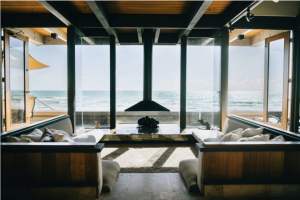
Every year, Australia’s most prestigious architectural awards celebrate the pinnacle of cutting-edge contemporary design and construction. They showcase the latest trends and innovations, and set the gold standard for new techniques and concepts.
In 2026, we’ve seen a move away from pure spectacle and toward long-term liveability.
Winners of the country’s biggest awards have reflected a quieter, more restrained sense of luxury. They feel grounded in their landscape and are designed to withstand the realities of their unique conditions and our increasingly volatile environment. They consider all aspects, reading beautifully from every angle, and embracing the challenge of time through materials that evolve and endure.
Here are just a few of the core trends common to the latest crop of award recipients.
Materials that age gracefully in an unforgiving environment
Judges of the top awards understand that it’s relatively easy to create a home that looks breathtaking on Day 1. That’s why they consider durability the true mark of a great design. They want to see homes that hold their integrity in the face of the ravages of time.
This year, this focus has been clear, with multiple winners opting for materials that actively respond to the local conditions.
Take the HIA South Australian Coastal Home winner, Dune House. Clad in Silvertop Ash, with Zincalume detailing, its palette was chosen specifically with its setting in mind. Judges commended its tactility and resilience, noting that the structure will weather with, rather than fight against, the conditions.
Otway Beach House, winner of the Award for Residential – Houses (new) at the Victorian Architecture Awards, pushes this idea even further. Its location in a high-risk coastal Flame Zone necessitated the use of limited, fire-resistant materials. Rather than view this as a restraint, the design revelled in the architectural opportunity, pulling inspiration from brutalist civic infrastructure.
The result is a monolith of concrete and fire-rated glazing that both protects from and connects to the surrounding landscape. This encases a subtly luxe interior, warmed by liberal use of Blackbutt lining and joinery.
Viewed together, these projects redefine the concept of premium. They eschew fragile finishes for more honest materials. They position time as a patina, not a problem.
Layouts that facilitate both privacy and connection
After years of expansive open-plan layouts dominating new designs, there is a clear movement toward more compartmentalized living. Pavilion-style layouts use a series of separate wings or pods, usually linked by breezeways or courtyards, to increase privacy. Their fractured design can also help structures respond to prevailing winds, and create a sense of arrival and retreat as you move through the property.
The HIA–CSR Australian Home of the Year is a prime example. Designed to support multi-generational cohabitation, its sprawling footprint provides generous living space across several distinct zones and subtly varying levels. The inclusion of floor-to-ceiling glazing and multiple alfresco areas also helps to blur the boundary between internal and external.
A striking monochromatic palette is used throughout, smoothing the transition between different zones and expertly balancing tone and texture. Sustainably sourced black timber combines with concrete to add depth to the facade, while also helping the structure fade into its surroundings.
Curated interiors that feel comfortable and liveable
Award-winning design reaches beyond the structure, to the finer details that make every day a little more special. Judges are increasingly acknowledging this, rewarding projects that feel complete, with architecture and styling that speak the same language.
This is great news for the average homeowner. It means you can incorporate award-winning design touches into your home without the need for an expensive and time-consuming rebuild.
Based on the reigning award winners, it’s clear that quiet luxury is the current trend for interiors. Achieving this look requires the restraint and intelligence to reflect and accentuate the surrounding landscape, without tipping into over-theming.
Think organic textures: sheer linen curtains, woven and bouclé upholstery, timber and stone accents. Think earthy colours, like ochre, clay, and chalky neutrals. Think carefully selected and confidently scaled beach wall art that gestures toward the nearby horizon, rather than pointing directly at it.
Honesty, longevity, and individuality
More than specific tones and textures, what defines award-winning designs is an ethos. It’s a respect for settings as much as aesthetics. It’s a commitment to creating spaces that feel calm, collected, and deeply connected.
A truly successful design does not chase, or even intend to set, trends. It reflects the unique character of its location and the specific tastes of the people who will call it home.
Follow this simple formula, and you’re sure to create a space that will look and feel exceptional for years to come.
Author

Written by
Recent Posts
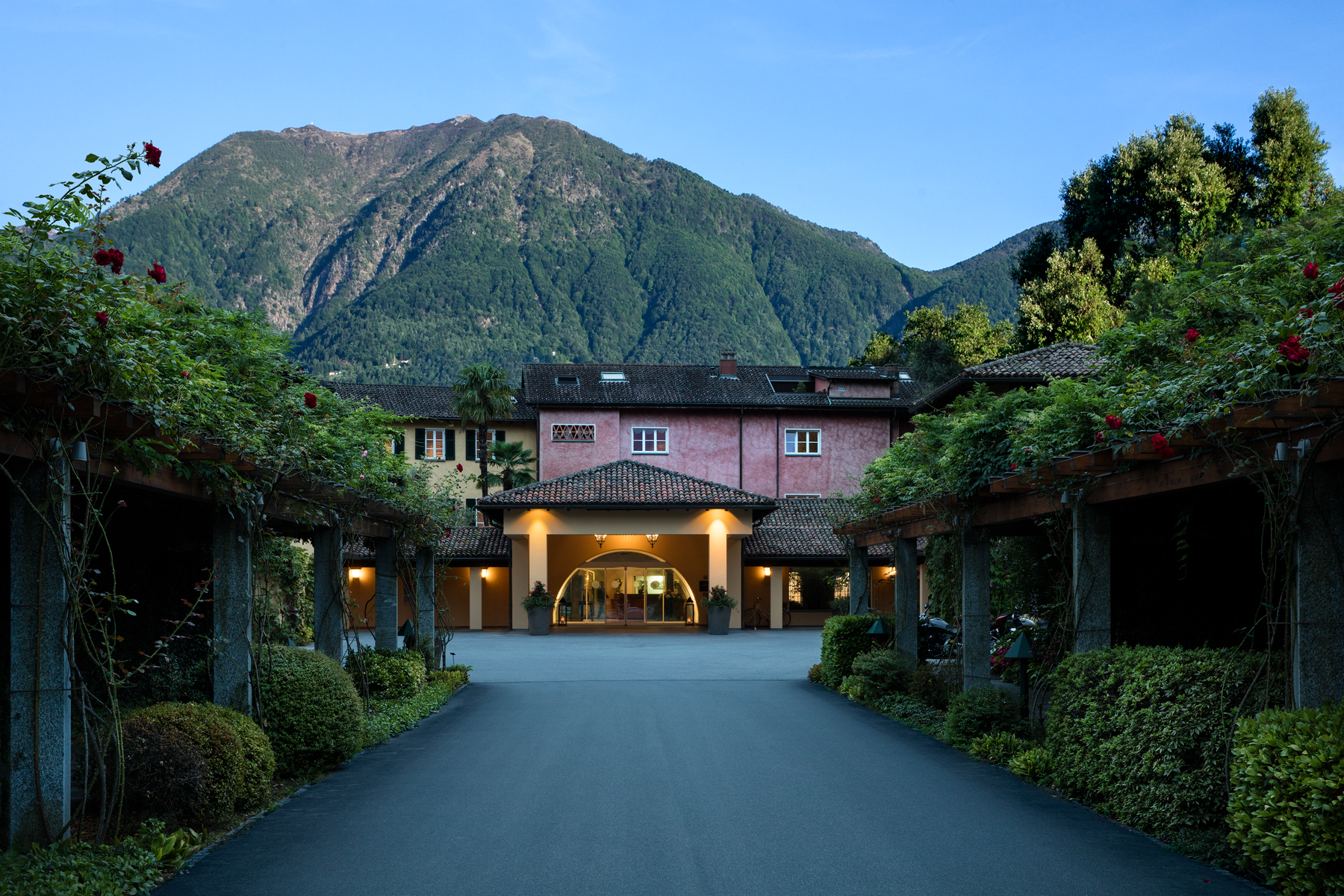
Jetsetter Style: Castello del Sole

The First Decision After a Collision Can Be the Most Important One
Two Weeks in Rome and Beyond: Turkish Airlines Itineraries from Boston, Chicago and Onward to India

Top 10 Hair Transplant Clinics in Turkey 2026
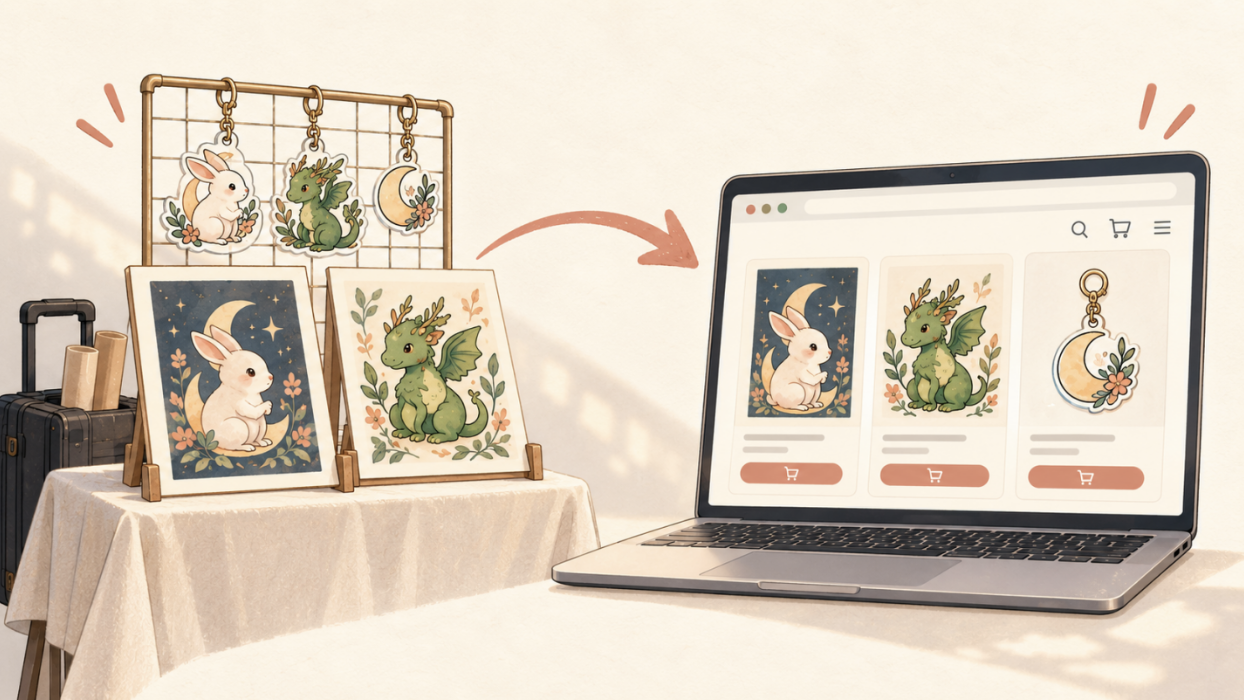
Artist Alley to Online Store: How Convention Artists Can Keep Selling After the Event
Categories
- Art
- Articles
- Business of Luxury
- Celebrities
- Culture
- Entertainment
- Events
- Faces of Summer 2026
- Fashion
- Fashion & Style
- Featured
- Finance
- Food, Spirits, Wine
- Hamptons
- Hamptons Celebrities
- Health
- Health & Beauty
- Lifestyle
- Luxury Lifestyle
- Press
- Profiles
- Real Estate
- Technology
- The Chronicles
- Travel
- Uncategorized
- Weddings