
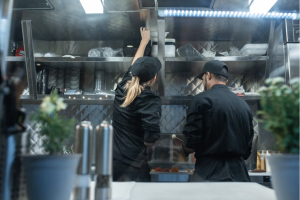
The Hamptons summer service runs at a tempo most kitchens never see. A good East Hampton restaurant turns 200 covers on a Saturday night with a kitchen built for 80, and the only reason the 7pm wave goes out clean is that the cold chain behind the line never broke. The walk-in held at 38 degrees through 45 minutes of door-opening at the start of service. The reach-ins at the line stayed in tolerance through every garde-manger pull. The fish chiller did not spike when the back door stayed open during the lobster delivery. The kitchens that nail the Hamptons summer have one thing in common before anything else: they sourced their commercial refrigeration the same way they sourced their head chef.
Restaurant-grade refrigeration is one of the more under-appreciated parts of the Hamptons hospitality story. Operators like Toronto Commercial Refrigeration and the broader cross-border commercial-equipment market supply restaurants across the Atlantic seaboard that need NSF-certified cold storage, fast freight, and warranty-backed equipment that holds tolerance through the brutal duty cycle of a Memorial-Day-to-Labor-Day season. The kitchens that run a real supplier evaluation before the build-out usually clear the summer with the cold chain intact.
Why Does the Restaurant Refrigeration Decision Set the Ceiling on Service Quality?
The first thing to understand is that commercial refrigeration is not a back-of-house commodity. It is the upstream constraint on every plated dish. The walk-in capacity sets the maximum prep volume; the line-side reach-in capacity sets the maximum service tempo; the chest-freezer capacity sets the maximum protein and ice-cream depth on the menu. When the refrigeration is undersized or unreliable, the menu has to compress around it.
The factors that shape the decision:
- Capacity matched to menu. A 16-seat tasting room and a 200-seat steakhouse have different capacity needs. The walk-in cubic footage, line reach-in footage, and freezer footage all scale with the menu rather than the dining-room count.
- Temperature stability under load. Commercial compressors hold tighter tolerance during heavy door-cycling than entry-level commercial units. The stability matters for raw fish, tempered chocolate, and any product where a 3-degree drift produces a quality miss.
- Certification and code compliance. NSF International food-equipment certification under NSF/ANSI 7 is the New York State Department of Health baseline for commercial food storage. Equipment without certification creates compliance exposure on every health-department visit.
- Service network and parts supply. A compressor failure on a July Saturday is the difference between a closed dinner and a saved service. A supplier with a real Northeastern service network is a different calibre of partner than a low-cost importer with no parts depot east of Chicago.
A duty cycle is the share of a piece of equipment’s day spent running. Restaurant refrigeration runs 80 to 95 percent duty cycle through a Hamptons summer; consumer-grade refrigeration is rated for 30 to 50 percent. The mismatch is exactly why the consumer line cannot survive a single peak season in a real restaurant.
What Should Restaurants Look For in a Commercial-Refrigeration Supplier?
A short checklist for restaurants evaluating suppliers before the next build-out or replacement cycle:
- NSF certification published on every product page. The supplier should publish certification status visibly. Vague references to commercial-grade construction without the certification reference are a warning sign at the inspection stage.
- Warranty terms covering restaurant duty. A 5-year compressor warranty plus 1-year parts-and-labour is the standard floor for a serious commercial-equipment supplier. Reduced terms usually signal a supplier whose equipment is not built for restaurant duty.
- Realistic freight and install lead times. Pallet-shipped commercial refrigeration to the Hamptons has a 5-to-15-day lead time in shoulder seasons and 15-to-30-day lead time in peak summer. The supplier should publish realistic windows rather than promise impossible turnarounds.
- Service-network coverage in the placement region. A supplier with a real Northeastern service partner network produces a meaningfully different experience than one whose service ends at the Hudson River.
- Transparent pricing with the all-in delivered cost. Commercial refrigeration ships with hidden costs (lift-gate, inside delivery, residential surcharge, fuel surcharge) that can add 10 to 25 percent to the published price. The supplier should publish the all-in delivered cost rather than the truck-side base price.
- References from comparable operators. A supplier whose recent installations match the restaurant’s scale and menu type gives the operator a real reference point.
What Common Mistakes Do Restaurants Make Around the Refrigeration Decision?
A short list of recurring mistakes that surface at inspection or service:
- Undersizing the walk-in. Operators repeatedly under-spec walk-in cubic footage at the build-out stage. The penalty is a kitchen that cannot prep ahead, runs out of garde-manger inventory mid-service, and burns labour on extra deliveries.
- Choosing on price alone. The cheapest commercial unit rarely produces the cleanest summer. The supplier whose pricing is meaningfully below the market usually recovers the difference at warranty time.
- Skipping the NSF check. Equipment without NSF certification triggers re-inspections that cost more in operating disruption than the savings on the equipment line. Operators using the same kitchen for the Hamptons summer-grill scene tend to discover this when the inspector arrives in early June.
- Ignoring the food-safety reference. The FoodSafety.gov safe-storage reference is the public-health baseline operators should match when sizing capacity at safe holding temperatures across protein, dairy, and finished-product categories.
- Forgetting the placement and venting. Commercial refrigeration generates heat the kitchen has to vent. Placing the walk-in compressor against a hot wall produces compressor failures and condensate problems within the first peak weekend.
- Not building a redundancy plan. A serious Hamptons restaurant maintains 10 to 20 percent reserve capacity across reach-ins so a single-unit failure does not collapse service. Operators who size the kitchen at exactly 100 percent of need are one compressor failure away from a closed dinner.
How Should Restaurants Plan the Refrigeration Procurement Cycle?
A standard commercial-refrigeration procurement for a Hamptons restaurant runs on a 60-to-120-day cycle when the kitchen is being built or expanded.
The planning sequence:
- Day 90 to 120: capacity-and-menu planning. Document the menu’s protein, dairy, produce, and finished-product capacity needs across walk-in, line reach-in, freezer, and bar refrigeration. Map the kitchen footprint and the venting plan.
- Day 60 to 90: supplier evaluation. Three commercial-refrigeration supplier proposals with NSF certification, warranty terms, freight policy, lead times, and service-network coverage. Compare against equivalent restaurant-grade options.
- Day 30 to 60: contract and freight scheduling. Final supplier selected, contract signed, freight scheduled with realistic lead time. Permit pulls and venting scope confirmed with the contractor.
- Day 0 to 30: install and commissioning. Equipment delivered, installed, commissioned. Temperature logs reviewed across the first week of stabilised use. Service contact and parts source confirmed before the kitchen opens.
The discipline that runs across all four stages is the menu-honest capacity assessment. The operator who matches the equipment to the actual menu and the actual seasonal volume lands at the kitchen that holds tolerance through Labor Day rather than the kitchen that rolls into August fighting a compressor that was never specified for the work.
Frequently Asked Questions From Restaurant Operators About Commercial Refrigeration
How much does a Hamptons restaurant spend on commercial refrigeration?
A small-format Hamptons restaurant build-out typically commits 35,000 to 90,000 dollars to the refrigeration line, depending on walk-in size, reach-in count, bar refrigeration, and specialty units (fish chillers, pastry retarders, prep tables). A larger operation can run 120,000 to 350,000 dollars across the cold-chain build-out.
Should the restaurant lease or buy commercial refrigeration?
Most serious Hamptons operations buy outright because the equipment lasts 12 to 18 years and the cost-per-year math favours ownership. Leasing makes sense for operators with cash-flow constraints or short-tenure leases on the building. The trade-off is the higher all-in cost on a 5-year lease versus the lower lifetime cost of ownership.
How fast can a Hamptons restaurant replace a failed unit in peak season?
A peak-season replacement on a single reach-in or chest freezer typically runs 3 to 7 days from order to install if the supplier has Northeastern stock. A walk-in replacement runs 2 to 6 weeks because the unit usually ships on a custom build. The pre-season redundancy plan is the way to avoid the peak-season scramble.
Does the restaurant need NSF certification on every refrigeration unit?
Yes. New York State Department of Health and Suffolk County Department of Health Services both require NSF-certified equipment for commercial food storage. Operators using non-certified equipment face re-inspection, fines, and in extreme cases temporary closure pending replacement. The operations earning a place in the best restaurants in the Hamptons 2026 insider’s guide consistently maintain certification across every unit on the line.
A Final Note for Restaurant Operators Sourcing Commercial Refrigeration
The Hamptons restaurant refrigeration decision is one of the more consequential operational choices a restaurant operator makes, and the build-out rewards the operator who sizes the cold chain to the menu, who picks suppliers with NSF certification and a real service network, and who treats the redundancy plan as a hard requirement rather than a luxury. The operations that under-spec the walk-in, choose the cheapest reach-ins, or ignore the venting plan usually pay for the savings on a July Saturday when the compressor fails and the dinner has to be cancelled. The marginal effort of careful supplier evaluation is small. The marginal benefit shows up across every Saturday night in July and August, when the cold chain holds tolerance, the line moves, and the kitchen produces the consistent service that earns the restaurant its place in the next year’s Hamptons-insider’s guide.
Author

Written by
Recent Posts
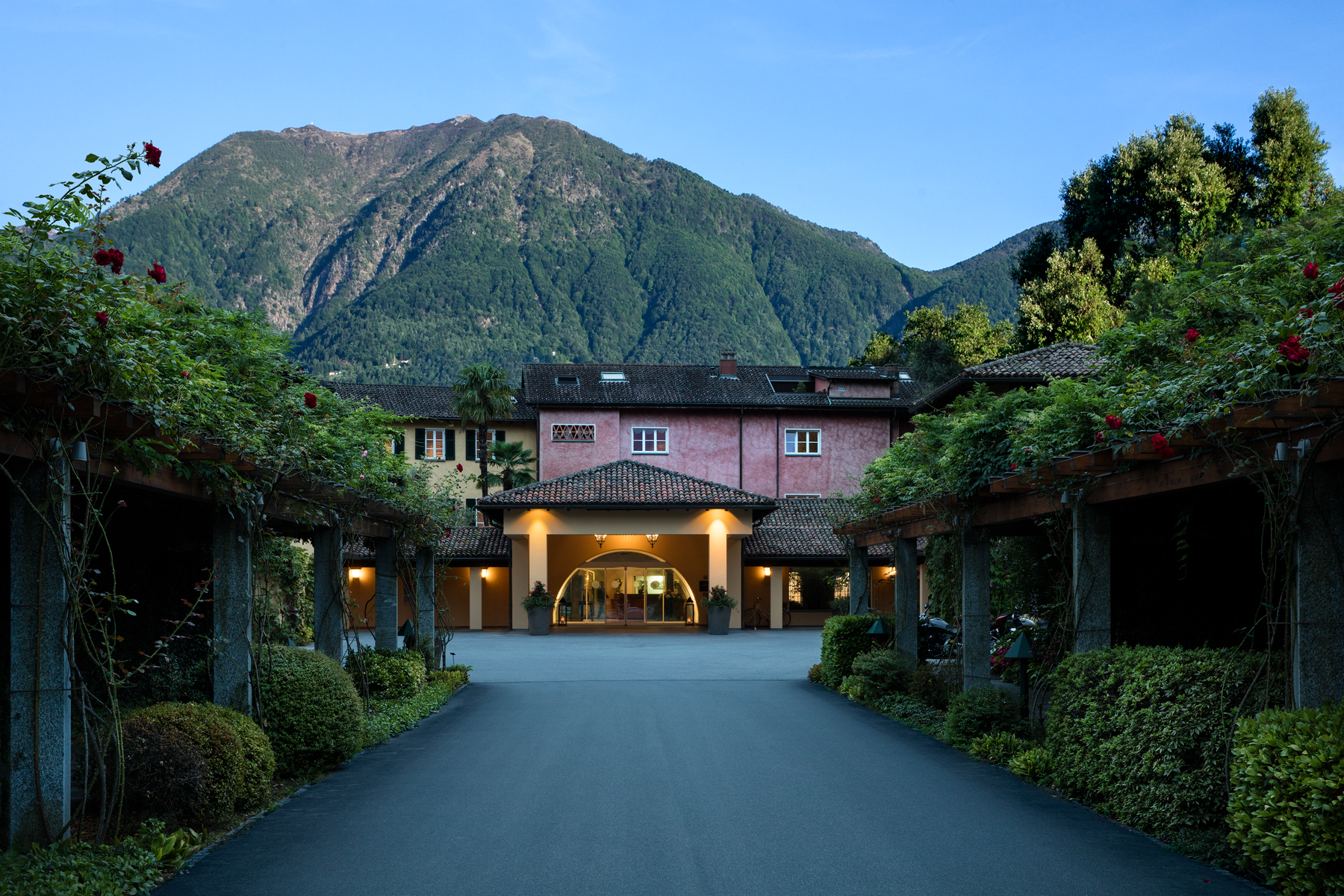
Jetsetter Style: Castello del Sole

The First Decision After a Collision Can Be the Most Important One
Two Weeks in Rome and Beyond: Turkish Airlines Itineraries from Boston, Chicago and Onward to India

Top 10 Hair Transplant Clinics in Turkey 2026

Artist Alley to Online Store: How Convention Artists Can Keep Selling After the Event
Categories
- Art
- Articles
- Business of Luxury
- Celebrities
- Culture
- Entertainment
- Events
- Faces of Summer 2026
- Fashion
- Fashion & Style
- Featured
- Finance
- Food, Spirits, Wine
- Hamptons
- Hamptons Celebrities
- Health
- Health & Beauty
- Lifestyle
- Luxury Lifestyle
- Press
- Profiles
- Real Estate
- Technology
- The Chronicles
- Travel
- Uncategorized
- Weddings